CoEnzyme Q10: Everybody is talking about it

By Dr Catherine W Dunne MSc. D., RGN, Reiki Master (RGMT), M.H.I.T: Master Acupressure, Practitioner of Reflexology, Aromatherapy, Deep Tissue/Myo-fascia Massages, Infrared Treatments, Vibrational Sound and Colour Therapist, Tissue Salt Advisor, Pendulum Healing Dowser, Chakra Practitioner , Tao Cosmic Healing Practitioner, Practitioner of Plant and Herb Medicine.

What is the fuss about this?

CoQ10 deficiency is thought to be linked with conditions such as diabetes, cancer, fibromyalgia, heart disease and cognitive decline. One of the top benefits of CoQ10 include having cholesterol-lowering effects, sustaining natural energy, improving heart and brain health, slowing signs of skin aging, and fighting some forms of cancer.

By Dr Catherine W Dunne MSc. D. (Hon), RGN, Reiki Master (RGMT), M.H.I.T: Master Acupressure, Practitioner of Reflexology, Aromatherapy, Deep Tissue/Myo-fascia Massages, Infrared Treatments, Vibrational Sound and Colour Therapist, Tissue Salt Advisor, Pendulum Healing Dowser, Chakra Practitioner , Tao Cosmic Healing Practitioner, Practitioner of Plant and Herb Medicine and Nurse.

Coenzyme Q10 (COQ10) is an essential element for many daily functions. In fact, it’s required by every single cell in the body.

As an antioxidant that protects cells from the effects of aging, CoQ10 has been used in medical practices for decades, especially for treating heart problems.

Although we create some of our own coenzyme Q10, there are still advantages to consuming more, and lack of CoQ10 is associated with damaging effects of oxidative stress. CoQ10 deficiency is thought to be linked with conditions such as diabetes, cancer, fibromyalgia, heart disease and cognitive decline.

Is CoQ10 for you? Let’s find out.

What Is CoQ10?

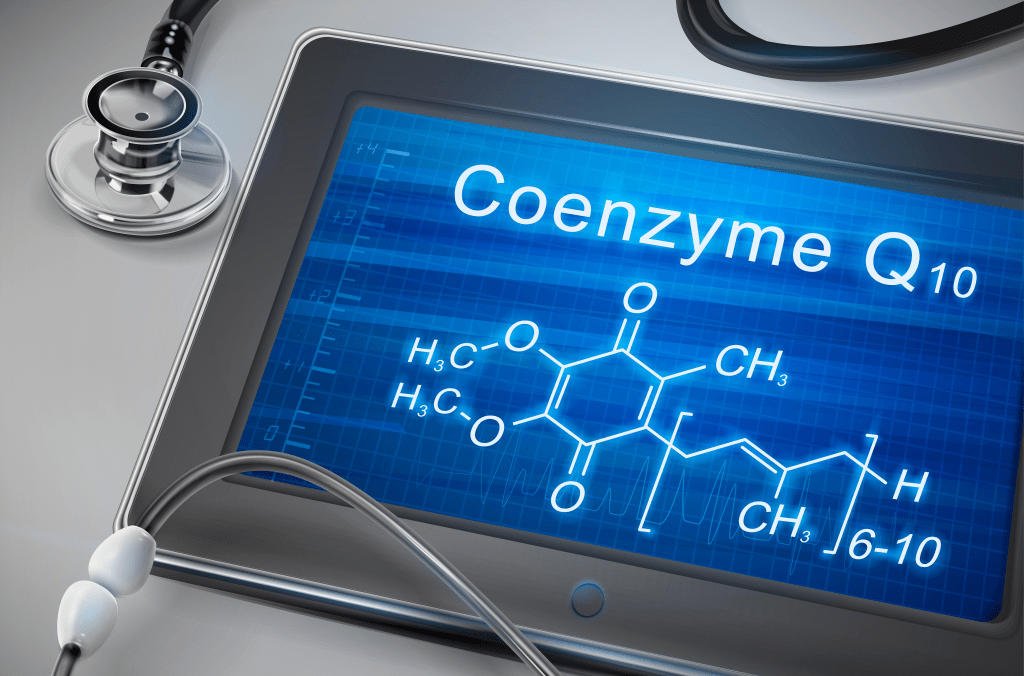
The name may not sound very natural, but coenzyme Q10 is in fact an essential nutrient that works like an antioxidant in the body. In its active form, it’s called ubiquinone or ubiquinol. Coenzyme Q10 (CoQ10) is a compound that helps generate energy in your cells. It’s produced naturally by the body and can also be obtained from certain foods and supplements. CoQ10 plays a crucial role in producing energy, protecting cells from damage, and supporting overall health.

Coenzyme Q10 is present in the human body in the highest levels in the heart, liver, kidneys and pancreas. It’s stored in the mitochondria of your cells, often called the cells’ “powerhouse,” which is why it’s involved in energy production.

What is CoQ10 good for? It’s used for important functions such as supplying cells with energy, transporting electrons and regulating blood pressure levels.

As a “coenzyme,” CoQ10 also helps other enzymes work properly. The reason it’s not considered a “vitamin” is because all animals, including humans, can make small amounts of coenzymes on their own, even without the help of food.

How CoQ10 Works

  • To sustain enough energy to perform bodily functions, inside our cells tiny organelles called mitochondria take fat and other nutrients and turn them into useable sources of energy. This conversion process requires the presence of CoQ10.
  • Coenzyme Q10 is not only necessary for producing cellular energy, but also for defending cells from damage caused by harmful free radicals.
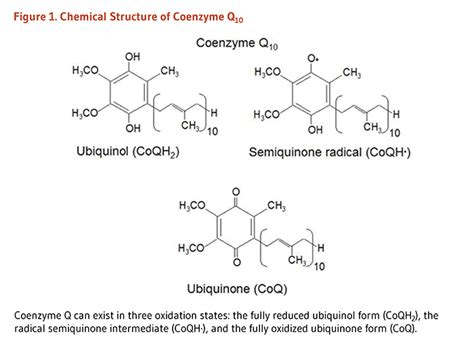
  • Coenzyme Q10 can exist in three different oxidation states, and the ability in some forms to accept and donate electrons is a critical feature in its biochemical functions that cancel out free radical damage.
  • As a powerful antioxidant, Coenzyme Q10 can increase absorption of other essential nutrients. It’s been shown that it helps recycle vitamin C and vitamin E, further maximizing their effects.

While humans make some CoQ10, CoQ10 supplements are also available in various forms — including capsules, tablets and by IV.

Should I Take a CoQ10 Supplement?

Who needs to take CoQ10? CoQ10 production naturally declines as we age past about 40 years old — just when we need our cells to help defend us most. This means older adults and those looking to age gracefully may wish to supplement with it.

Research suggests that natural synthesis of CoQ10, plus dietary intake, appears to provide sufficient amounts to help prevent a CoQ10 deficiency in healthy people — however, we produce less CoQ10 in older age, and people with certain health conditions, such as heart disease, also seem to make less.

Coenzyme Q10 Deficiency

Coenzyme Q10 (CoQ10) is a vital nutrient that plays a key role in energy production within cells. A deficiency in CoQ10 can lead to various health issues, such as fatigue, muscle weakness, and even heart problems. It’s essential for the proper functioning of organs and overall cellular health. To address a CoQ10 deficiency, individuals can consider dietary supplements and consuming foods rich in CoQ10, such as oily fish, organ meats, and nuts. Always consult with a healthcare professional before starting any supplementation regimen.

Some contributing factors to CoQ10 deficiency/low levels, besides aging and genetic defects, are believed to include:

  • Having chronic diseases, such as diabetes, cancer and congestive heart failure
  • High levels of oxidative stress
  • Nutritional deficiencies in B vitamins
  • Mitochondrial diseases
  • Taking statin drugs

Rarely, a person may suffer from “primary coenzyme Q10 deficiency,” which is a genetic defect that stops the body from properly synthesizing this compound. For these individuals, supplementing with CoQ10 is typically needed to help reverse brain- and muscle-related symptoms.

Benefits

1. Sustains Natural Energy

CoQ10 plays a role in “mitochondrial ATP synthesis,” which is the conversion of raw energy from foods (carbohydrates and fats) into the form of energy that our cells use, called adenosine triphosphate (ATP).

This conversion process requires the presence of coenzyme Q in the inner mitochondrial membrane. One of its roles is to accept electrons during fatty acid and glucose metabolism and then transfer them to electron acceptors.

The process of making ATP is crucial to every cell in the human body and also allows messages to be sent between cells. To maintain energy (down to the cellular level), ATP synthesis is vital, and it needs CoQ10 to do its job.

CoQ10 may even reduce fatigue related to exercise. Three separate double-blind, placebo-controlled studies in humans have shown improvements in exercise-related fatigue when supplemented with CoQ10 (at dosages between 100–300 milligrams per day).

2. Reduces Free Radical Damage

As both a water- and fat-soluble antioxidant, CoQ10 has been found to inhibit lipid peroxidation, which occurs when cell membranes and low-density lipoproteins are exposed to oxidizing conditions that enter from outside the body.

In fact, when LDL is oxidized, CoQ10 is one of the first antioxidants used to help offset the effects. Within mitochondria, coenzyme Q10 has been found to protect membrane proteins and DNA from the oxidative damage that accompanies lipid peroxidation and neutralize free radicals directly that contribute to nearly all age-related diseases (heart disease, cancer, diabetes, neurological disease, etc.).

One way this might be especially effective is found in a research study that discovered CoQ10 may help protect from some oxidative stress caused by insulin resistance and related to diabetes. Results are mixed on its effects on blood sugar, however.

3. Can Improve Heart Health and Offset Effects of Statin Drugs

Although experts feel that additional well-controlled clinical trials are still needed to prove its effects, CoQ10 has strong potential for prevention and treatment of heart ailments. It does this due its ability to improve cellular bioenergetics, acting as an antioxidant and boosting free radical-scavenging abilities.

What we do know is that CoQ10 supplementation may be useful for those taking statins and for people with high cholesterol. That’s because of its cholesterol-lowering effects.

Coenzyme Q10 may help reduce low-density lipoprotein (LDL) cholesterol and total cholesterol levels in some populations, including people with diabetes.

It may also lower side effects that statin medications can often cause, including fatigue. Statins are used to reduce an enzyme in the liver that not only decreases the production of cholesterol, but also further lowers the natural production of CoQ10.

It’s possible that CoQ10 can interact with lipid-lowering medications that inhibit the activity of HMG-CoA reductase, a critical enzyme in both cholesterol and coenzyme Q10 biosynthesis. A supplement of CoQ10 is often recommended to restore natural levels to their optimum marks and counter the effects of statin drugs, including muscle pain.

However, some evidence conflicts — as some reviews have found evidence is lacking to officially recommend CoQ10 supplementation for patients with statins.

This isn’t the only way CoQ10 can support the heart and circulatory system, though. CoQ10 can improve circulation — and it may be able to increase blood flow and improve exercise performance and capacity for people who have suffered heart failure.

Does CoQ10 lower blood pressure? Study results have been mixed overall. According to the National Institutes of Health, “The small amount of evidence currently available suggests that CoQ10 probably doesn’t have a meaningful effect on blood pressure.”

4. Slows Down Effects of Aging (Including Skin Changes)

Mitochondrial ATP synthesis is an important function for maintaining a fast metabolism, strength of muscles, strong bones, youthful skin and healthy tissue, and abnormal mitochondrial can cause issues.

Although supplementing with CoQ10 has not been shown to increase the life span of animals that have been tested with it, researchers believe it can slow down the age-related increase in DNA damage that naturally affects us all. Possible anti-aging benefits of consuming more CoQ10 include:

  • Protection of the heart against stress-related aging.
  • Protection of skeletal muscle genetic structure to keep those muscles strong, minimizing bone and joint injury risk.
  • Improved fertility during your 40s by the reversal of egg degradation and increased production of ATP.
  • Increased activity of antioxidants catalase and glutathione to protect cell membranes throughout the body from free radical damage.
  • Reduced UV skin damage and signs of skin aging, such as wrinkles and loss of elasticity (when applied as topical cream and/or taken as a supplement). One randomized, placebo-controlled, double-blind study found that 150 mg/day of CoQ10 limited deterioration of viscoelasticity, improved smoothness and reduced some visible signs of aging when taken for 12 weeks.

5. May Help Protect Against Cancer

Within cells, CoQ10 helps transport proteins across membranes and separate certain digestive enzymes from the rest of the cell, which helps maintain optimal pH. It’s believed that diseases develop more easily in environments that have to work harder to maintain proper pH levels.

This, in addition to its major antioxidant capacity, may be one reason that cancer risk may be reduced among people with higher CoQ10 levels. Here are other reasons:

  • Increasing impact of chemotherapy drugs and protect from side effects: Supplementing with CoQ10 during cancer treatment may help increase the cancer-killing potential of these medications (like doxorubicin and daunorubicin). There is also evidence that CoQ10 can protect the heart from DNA damage that can sometimes occur from high doses of chemotherapy medications.
  • May slow or reverse spread of breast cancer: A 2017 article published in Future Oncology states: “Medical approaches are available for treatment of BC… A promising candidate is coenzyme Q10 which is an antioxidant that can target the mechanisms of BC tumor progression.” That’s not all. A 1994 study followed 32 breast cancer patients (ranging from 32–81 years old) classified as “high-risk,” due to the way their cancer had spread to lymph nodes. Each patient was given nutritional antioxidants, essential fatty acids and 90 mg per day of CoQ10. Not only did no patients die over the study period of 18 months, but no patient worsened during this period, all reported quality of life improvements and six patients went into partial remission. Two of the patients in partial remission were then given more coenzyme Q10 (300 mg each day), both of whom went into totally remission, showing complete absences of previous tumors and tumor tissue (one after two months, the other after three months).
  • Could help prevent colon cancer: One research study discovered CoQ10 significantly lowered oxidative stress in the colon that leads to colon cancer.
  • Might play a role in the prevention of cervical cancer: Low levels of CoQ10 are seen in patients with cervical cancer, although it’s not clear why.
  • May improve survival rate in end-stage cancers: A pilot study over nine years followed 41 patients with various primary cancers that had advanced to stage four and were given CoQ10 supplements plus an additional antioxidant mixture. Of the patients followed, the median time of survival was 17 months, five months longer than expected overall. In total, 76 percent of the patients survived longer than expected on average, with little to no side effects noted from the treatment.

6. May Protect Cognitive Health

In those with cognitive impairments, such as Parkinson’s disease, increased oxidative stress in a part of the brain called the substantia nigra is thought to contribute to symptoms.

CoQ10 has been shown to offset decreases in activity of mitochondrial electron transport chains that affect nerve channels and brain function, and studies show that people with cognitive disorders tend to have reduced levels of CoQ10 in their blood.

One randomized, placebo-controlled trial that evaluated the efficacy of 300, 600 or 1,200 mg a day given to 80 people with early Parkinson’s disease found that supplementation was well-tolerated and associated with slower deterioration of cognitive functions compared to the placebo. That being said, not every study has found coenzyme Q10 to be effective over placebo.

Some preliminary studies have found positive outcomes in lab and research studies, and a few small human clinical trials, for CoQ10 to treat cognitive decline seen in other neurological diseases, including progressive supranuclear palsy, Huntington’s disease, amytrophic lateral sclerosis and Friedreich’s ataxia.

Regarding the most well-known neurodegenerative disease, Alzheimer’s disease, there have been little to no human trials conducted using CoQ10. However, research studies have found modestly positive results, making coenzyme Q10 a possible addition to an Alzheimer’s diet and supplementation plan.

7. Could Improve Male Infertility

It’s possible CoQ10 can help improve fertility issues in men. In clinical trials, supplementation with coenzyme Q10 significantly:

8. Helps Treat Symptoms of Fibromyalgia

Multiple clinical trials and case reports have found that CoQ10 may be a powerful natural method of treating fibromyalgia symptoms. In adults, the dosage was typically 300 milligrams per day, while one study on juvenile fibromyalgia focused on a 100 milligram dose.

Improvements included:

COQ10 Foods

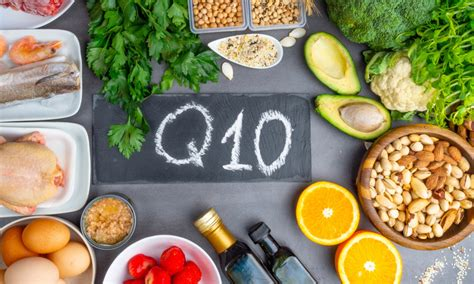
Coenzyme Q10 is found naturally in our diets from foods, including fish, liver, kidney and the germs of whole grain.

The richest natural sources of dietary coenzyme Q10 are meat, poultry and fish, but vegetarian options, such as beans, nuts, some vegetables, eggs and dairy products, are also helpful for increasing your intake.

Some of the best foods for supplying CoQ10 include:

  • Grass-fed beef
  • Herring
  • Free-range chicken
  • Rainbow trout
  • Sesame seeds
  • Pistachio nuts
  • Broccoli
  • Cauliflower
  • Oranges
  • Strawberries
  • Cage-free eggs
  • Sardines
  • Mackerel
  • Organ meats, like giblets and liver

Currently, there is no specific dietary intake recommendation for CoQ10 established from the Institute of Medicine or other agencies.

Because it’s a fat-soluble antioxidant, it’s most easily absorbed when consumed with a small amount of healthy fats (just like vitamins E and A).

Although it can be obtained from certain foods, foods tend to only supply low doses, which is exactly why many experts recommend supplementing if you’re older or have a condition that may benefit from CoQ10 supplementation.

Symptoms of deficiency have not been widely reported or studied in much detail in the general population. It’s estimated that the average person’s diet contributes around 25 percent of total CoQ10.

The best way to obtain enough is to eat a varied, nutrient-dense diet – plus to consider supplementing if it makes sense for your individual situation.

COQ10 Supplements and Dosage

COQ10 is found in such low quantities in most foods that even a healthy diet might be an impractical way to meet the daily recommended dosages. Taking a daily, high-quality CoQ10 supplement in capsule form (which helps with easier absorption into the bloodstream) can close the bridge between this gap.

Dosage sizes of CoQ10 dietary supplements range anywhere from 50–1,200 mg per day. Most supplements fall in the 100–200 mg range.

Depending on the condition a person is attempting to treat, the CoQ10 dosage recommendations can range from 90 mg up to 1,200 mg. This larger dose has typically been used only to study the neurological benefits of CoQ10 — most successful studies use between 100–300 mg.

In Canada CoQ10 100mg is prescribed together with a low dose statin.
In Germany you are started on CoQ10 100 or 200mg, depending on your total cholesterol, Triglicerides, and LDL (bad fat) and family history of heart disease and /or strokes, and maybe later a low dose of statin is then added. Rosuvastatin Patient Information Leafelt (PIL) recommends CoQ10 to be taken with it.

What’s important, and makes a big difference in terms of the benefits you’ll get from taking CoQ10 supplements, is that the concentration is actually equal to the amount listed. Some products use fillers or enhancers and may even supply less of a dosage than the manufacturer claims.

Look for products with reviews, certifications ensuring the listed dosage is correct and as minimal preservatives or fillers as possible, along with supplements that possess the right CoQ10 concentrations.

When should you take CoQ10, morning or night? While it can be taken any time that is most convenient, it’s best to take CoQ10 with a meal containing fat, since it’s fat-soluble. If you take a CoQ10 dosage that exceeds 100 mg per day, it’s best to split doses into two or three smaller servings, which will help with absorption.

There’s some evidence that taking CoQ10 at night may help with the body’s ability to use it, so a good option is taking it with dinner. However, some people report having difficulty falling asleep if they take CoQ10 close to bedtime, so this comes down to individual preference.

Risks and Side Effects

What are the risks of taking CoQ10? Although it’s considered to be very safe overall and has been used in the medical field for many years, CoQ10 side effects may still affect some people.

Potential CoQ10 side effects can include:

  • Diarrhea
  • Nausea
  • Heartburn
  • Upper abdominal pain
  • Loss of appetite
  • Headaches
  • Insomnia
  • Rashes
  • Fatigue
  • Dizziness
  • Light sensitivity
  • Irritability

Always read the dosage labels on your coenzyme Q10 supplements, and stick to them unless instructed otherwise by your health care professional.

Who should not take CoQ10? If you’re pregnant or breast-feeding, it’s probably best not to take CoQ10 supplements, since it’s not clear whether or not they’re safe in these cases.

Coenzyme Q10 supplements can decrease the anticoagulant efficacy of statins like warfarin and other common cholesterol-lowering medications (such as those known as HMG-CoA reductase inhibitor statins). Talk to your doctor about being monitored if you take these medications.

Your Take Away:

  • CoQ10 is a natural substance found in the body and certain foods that helps fight oxidative stress and prevent tissue damage.
  • What is CoQ10 good for? The top benefits of CoQ10 include having cholesterol-lowering effects, sustaining natural energy, improving heart and brain health, slowing signs of skin aging, and fighting some forms of cancer.
  • Coenzyme Q10 is produced by the body naturally and also found in small amounts in some foods. CoQ10 foods include meat, fish, nuts, seeds, veggies and eggs. However, our ability to produce and use it decreases significantly with age.
  • CoQ10 dietary supplement dosages range between 30—1,200 mg/daily, and the typically recommended dosage is between 100–200 mg each day for most conditions.
  • CoQ10 side effects can potentially include digestive issues, fatigue, mood swings and fatigue, among others.

Thank you for showing continued interest.

I hope you feel inspired. Look after your liver, and it will keep you healthy.

Catherine
CWD 17 March 2024/Ireland

Why do a Liver Detox?

By Dr Catherine W Dunne MSc. D. (Hon), RGN, Reiki Master (RGMT), M.H.I.T: Master Acupressure, Practitioner of Reflexology, Aromatherapy, Deep Tissue/Myo-fascia Massages, Infrared Treatments, Vibrational Sound and Colour Therapist, Tissue Salt Advisor, Pendulum Healing Dowser, Chakra Practitioner , Tao Cosmic Healing Practitioner, Practitioner of Plant and Herb Medicine and Nurse.

Cleansing and detoxing the liver and colon helps clear pesticides, medications, heavy metals, and the remnants of cancer therapy out of your system, resulting in a healthy liver.

“No Rest For The Wicked”

Did you know, the liver is one of the hardest-working organs in the body. It works tirelessly to detoxify our blood, produce the bile needed to digest fat, break down hormones, and store essential vitamins, minerals, and iron.

What are the main types of minerals? The human body requires 13 different types of minerals to maintain overall health, including:

  • Potassium
  • calcium
  • zinc
  • iron
  • magnesium
  •  and others

We need these nutrients for purposes including muscular movement, nerve signalling, cardiovascular functions, growth, development and more.

What Are Minerals?

A mineral is defined as “a solid inorganic substance of natural occurrence.” In other words, a mineral has the following characteristics:

  • Found in nature but not made by humans
  • Has never been alive
  • Solid and not liquid like water or gaseous like air
  • Has a definite chemical composition, as each type is made of a particular mix of chemical elements
  • Has an ordered atomic arrangement, which is why minerals can appear as crystals

Although we need both, minerals in our diets are a bit different than vitamins because vitamins are made by plants or animals, while minerals come from soil and water. Minerals make their way into the foods we eat by being absorbed by plants and animals, which we then eat.

With exposure to environmental toxins, toxic body care products and processed foods, most people are in desperate need of a serious detox. When liver function is not optimal, we cannot digest our food properly, especially fats. That’s why it’s so important to avoid fatty liver and follow a liver cleanse diet to remove toxins from the body.

What Is the Liver?

What is the liver, and why is it considered one of the hardest working organs in the body?

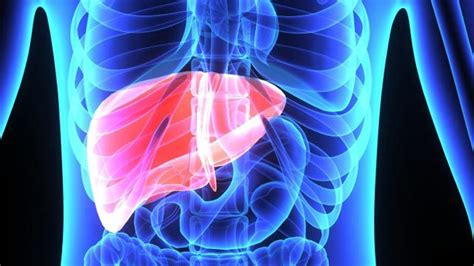
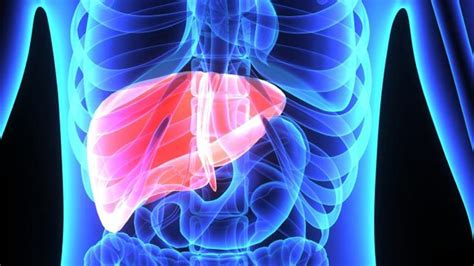
The liver, the largest internal organ in the human body, is a digestive organ that sits on the upper right side of the belly. What does the liver look like? It’s described as being “meaty” due to its reddish-brown colour. If you were to touch your liver, it would feel rubbery and semi-firm.

The liver is always communicating with other digestive organs, receiving information about the level of available nutrients or the presence of threats like prescription medications, heavy metals, or toxic substances. As the main organ involved in detoxification, it’s the liver that recognizes toxic substances and converts them into harmless material that can be released. As described in the World Journal of Hepatology in a 2017 article, “Beyond the metabolic functions, the liver recently has been defined as an organ of immune system (IS) … The liver keeps a delicate balance between hepatic screening of pathogenic antigens and immune tolerance to self-antigens.”

The liver is said to be of the “wood element” and is crucial for the transformation of food into energy, or qi, according to Chinese medicine. Since it’s associated with wood qi, the liver is characterized by “upward momentum and the innate desire to be straight.” A healthy liver results in better blood flow upward and outward, throughout our vessels, veins, and capillaries, which transport oxygen and nutrients to our cells.

What can improve liver function do for your health? A well taken care of liver can help bring you:

  • Increased energy levels
  • Clearer skin
  • More regular menstrual cycle with reduced PMS
  • Freedom from sinus pain
  • Fewer infections and stronger immunity
  • Less digestive complaints and more regularity
  • Fresher breath and oral health
  • A positive mood and sharper mind

The main functions of the liver include:

  • Filtering blood coming from the digestive tract … It’s involved in storing blood, making blood clotting possible and breaking down damaged blood cells so they can be eliminated.
  • Producing bile
  • Dissecting and converting nutrients available in foods once they reach the digestive system … For example, the liver helps metabolise proteins by changing amino acids so they can be used for energy or used to make carbohydrates or fats.
  • Helping to spread nutrients throughout the body via the bloodstream and keeping the amount of nutrients in the blood supply at optimal levels
  • Eliminating toxic waste that’s left behind once foods/substances are broken down
  • Breaking down and removing excess hormones
  • Storing certain vitamins and minerals for when they’re needed
  • Managing the conversion of fats from your diet and manufacturing triglycerides and cholesterol
  • Taking the carbohydrates you consume and turning them into glucose, a form of energy, to be stored for later use

The liver also interacts with other organs like the gallbladder, stomach, and spleen, since it receives digested particles or toxins and decides what to do with them: circulate them around through the blood or eliminate them before they can cause damage.

Something that makes the liver unique and amazing is that it has the ability to regenerate after it’s become damaged; in fact, it’s capable of doing this more than any other organ in the body.

What Is the Liver’s Job?

Some of the essential functions are: Follow this natural liver cleanse diet to help boost your health and vitality. You’re sure to feel better after this liver detox.

  • Processing nutrients absorbed by the intestines, so they are more efficiently absorbed
  • Regulating blood composition to balance protein, fat, and sugar
  • Destroying old red blood cells
  • Producing essential chemicals to help blood clot properly
  • Breaking down and metabolizing alcohol and medications
  • Producing essential proteins and cholesterol
  • Removing toxins from the bloodstream, including bilirubin, ammonia, and others
  • Storing of minerals like iron and vitamin A

Follow this natural liver cleanse diet to …

… help boost your health and vitality. You’re sure to feel better after this liver detox.

1. Remove Toxic Foods from Your Diet

If you are eating a diet high in processed foods, you are putting the health of your liver at risk because these foods basically work against liver health. Hydrogenated oils, refined sugar, convenience foods and lunch meats are notoriously toxic to your system.

Hydrogenated oils, also known as “trans fats,” have higher levels of saturated fat. The chemical structure of the oil itself has been altered to increase shelf life.

Consumption of trans fats dramatically increases the risk for heart disease. In addition, it is believed that trans fats cause problems with the immune system and can lead to inflammation throughout the body.

Added nitrates and nitrites, commonly found in convenience foods, fast foods, and lunch meats, have been linked to serious health conditions. These chemicals are used to preserve foods to make them last longer, inhibit bacteria growth and preserve colour.

Replace these foods immediately with liver-friendly healthy choices. Healthy foods taste great, and with a bit of creativity, you can create healthful meals for your family that will support liver health.

Roast your own organic chicken breast and turkey breast to replace deli meats for quick lunches and after-school snacks. Replace chips and other processed snacks with fresh fruit, carrot sticks, nuts, and homemade granola bars.

2. Drink Raw Vegetable Juice

It can be nearly impossible to eat all of the raw vegetables you need to make your liver cleanse effective. However, by juicing a variety of raw vegetables, you can easily get the four to five servings of fresh, organic vegetables you need. Even vegetables that aren’t your favourites can be disguised and enjoyed in a fresh vegetable juice!

With impaired liver function, a juice cleanse has the added benefit of making the vegetables easier to digest and more readily available for absorption.

Vegetables ideal for liver cleanses include cabbage, cauliflower, and Brussels sprouts. While that combination may not sound very enjoyable, you can add other vegetables that you enjoy to the mix, including carrots, cucumber, beets, and greens.

All of these vegetables help reduce acid levels in the body, helping create a more friendly pH balance. Experiment with your favourite flavour combinations. You can add fresh herbs, including parsley, mint, and others, to make the juices more enjoyable.

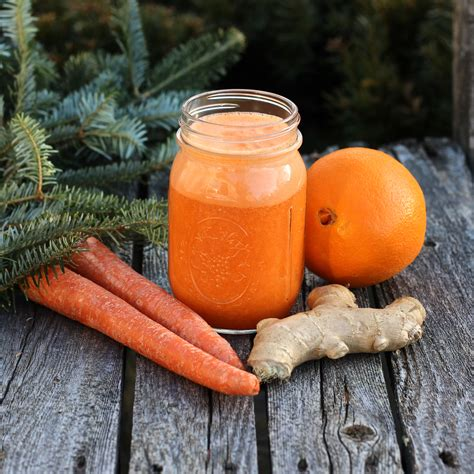
To improve liver health, try this Orange Carrot Ginger Juice (see at end of article). Research suggests that fresh, organic carrots are essential to any liver cleanse. In the liver, beta-carotene is converted into vitamin A to help flush out the toxins in the body while reducing fat in the liver.

The high fibre content helps support a healthy digestive tract, hastening the elimination of toxins in your body. The ginger root helps soothe the digestive tract, reduce intestinal gas, and has strong anti-inflammatory compounds. The fresh oranges in this recipe not only add tangy sweetness, but also add significant vitamin C, additional vitamin A and vitamin B6.

3. Load Up on Potassium-Rich Foods

Are you getting the recommended 4,700 milligrams per day of potassium? Chances are, you aren’t.

Potassium-rich foods help lower systolic blood pressure, reduce cholesterol, and support a healthy cardiovascular system, in addition to helping cleanse your liver. If you have been tempted to take potassium supplements, instead add these healthful foods to your diet:

Sweet Potatoes

Surprisingly, it is not the banana that is the richest in potassium. It is the sweet potato. A single medium sweet potato contains more than 500 milligrams of potassium, not to mention the high fibre and beta-carotene content.

A sweet potato is rich with vitamins B6, C and D, along with magnesium and iron. While naturally sweet, the sugars actually are slowly released into the bloodstream through the liver, without causing a spike in blood sugar.

Tomato Sauces

Potassium — and the other beneficial nutrients in tomatoes — is significantly concentrated as a sauce, puree or as a paste. When selecting tomato sauce, paste or puree, be sure to choose those made only from organic tomatoes.

To make your own concentrated tomato sauce, slice organic tomatoes in half, and roast face down in the oven for 30 minutes at 425 degrees F, until the skin has shrivelled. Remove from the oven and let cool.

Slide the skins off, and gently crush in your food processor or blender. Strain to remove seeds if you desire. Pour into a Dutch oven, and let simmer until thick, one to two hours.

Beet Greens and Spinach

Rich in antioxidants, beet greens are loaded with potassium. Add beets and beet greens to your fresh vegetable juice recipe; finely chop and add raw to salads; or sauté lightly, like other greens.

Beets also naturally cleanse the gallbladder and improve bile flow.

Fresh organic spinach is easily added to your diet, and it’s a good source of potassium.

Beans

White beans, kidney beans and lima beans are all rich in potassium, protein, and fibre. Swap out garbanzo beans for one of these potassium-rich beans in your favourite hummus recipe. Enjoy it with carrot sticks and celery sticks.

Blackstrap Molasses

In addition to potassium, blackstrap molasses is rich with iron, calcium, manganese, and copper.

Incorporate blackstrap molasses into your diet by replacing other natural sweeteners with it. You can use it to create barbecue sauces and to top oatmeal or quinoa porridge in the mornings. Two teaspoons added to coffee intensifies the richness of the coffee, while lowering the acidic taste.

Bananas

And finally, add a banana to your favourite smoothie. Bananas assist in digestion and help release toxins and heavy metals from the body — all of which are essential during a liver cleanse.

Please note: If you have high levels of potassium in your kidneys, foods rich in potassium should be consumed moderately.

4. Coffee Enemas

Coffee enemas help with constipation, reduce fatigue and aid in liver detoxification.

An enema targets the lower portion of your large intestine and can be done at home, unlike colonics, which include the entire bowel and are performed outside the home by a professional.

During the enema, organic coffee is retained in your bowel, allowing the fluid to enter the liver through the intestinal wall.

This has a stimulating effect that increases bile flow, helping jump-start both your gallbladder and your liver. This sparks the production of the chemical glutathione, a strong cleansing compound that helps release the buildup of toxins in your system.

Flushing the toxins out during liver cleanses is critical so they don’t build up and are moved quickly out of your system.

Combine two tablespoons of organic ground coffee with three cups of filtered or distilled water in a pot and bring to a boil. Simmer gently for 15 minutes and allow to cool. Strain the mixture through cheesecloth and use in your enema kit.

Try to retain the mixture for 10–15 minutes, and then release.

If you’ve experienced complications from using enemas in the past, it’s best to talk to a doctor before trying to perform a coffee enema on your own. The first time you try a coffee enema, it’s a good idea to do so under supervision or with guidance of a medical professional, although some people feel comfortable jumping right into the process. Coffee enemas aren’t usually recommended for pregnant women or children since they can be sensitive to the effects of caffeine.

5. Take Liver Support Supplements

Milk Thistle

Milk thistle is considered the “king” of detoxifying herbs, making it ideal for a liver cleanse. Milk thistle helps eliminate the buildup of heavy metals, prescription medications, environmental pollutants, and alcohol in the liver.

In addition, it helps reduce the negative effects on the liver after chemotherapy and radiation. Research indicates that the active ingredient silymarin helps strengthen the cell walls in the liver, while supporting healthy regeneration.

Milk thistle can be taken as a supplement or as a liver-cleansing detox tea.

Dandelion Root

Most homeowners hate the dandelion, as it populates yards every spring, but this flower and its roots are actually packed with vitamins and minerals.

Dandelion root has a natural diuretic effect, allowing your liver to eliminate toxins more quickly. It also helps strengthen the immune system, balance blood sugar levels, relieve heartburn and soothe digestive upset.

Burdock root is another option in the same plant family as dandelions that can help detox your system by cleansing the blood, therefore helping support liver function. Like milk thistle, both dandelion root and burdock root can be taken in both supplement form and/or as a detox tea.

Turmeric

Turmeric supports healthy liver tissue and liver metabolism.

Currently, researchers are studying turmeric for a variety of health benefits for diseases and conditions, including Alzheimer’s disease, cancer, depression, osteoarthritis, breast health, prostate health, and chronic pain.

Combination Liver Support Supplement

You can also purchase a liver support supplement that combines many of these key botanicals, such as milk thistle seed, dandelion root, beet root and bupleurum root to help detoxify the liver, assist in healthy liver function, and also work as an anti-inflammatory.

6. Eat Real Liver or Take Liver Tablets

Liver from young, healthy, grass-fed cattle or chicken liver is rich with vitamins A and B, folic acid, choline, iron, copper, zinc, chromium, and CoQ10. Liver is one of the most nutrient-dense foods we can eat and unsurprisingly an organ-nourishing food.

If you can’t stomach eating liver, you can take beef liver pills. Seek a supplement that guarantees no hormones, pesticides or antibiotics are used in the feeding and care of the cattle.

Orange Carrot Ginger Juice Recipe

One of the best things you can do for your health is to juice! Juicing is an easy way to get a heap of fresh veggies (and fruits) into your diet in one easy shot. 

Takes 5 minutes, Serves 2

INGREDIENTS:

  • 6 carrots
  • 1 orange
  • 1 knob ginger
  • 1 cucumber

DIRECTIONS:

  1. Add all ingredients to vegetable/fruit juicer, gently stir juice and consume immediately.

I hope you feel inspired. Look after your liver, and it will keep you healthy.

Catherine
CWD 17 March 2024/Ireland

Before 2020 it was the Winter Flu

Or common cold

By Dr Catherine W Dunne MSc. D. (Hon), RGN, Reiki Master (RGMT), M.H.I.T: Master Acupressure, Practitioner of Reflexology, Aromatherapy, Deep Tissue/Myo-fascia Massages, Infrared Treatments, Vibrational Sound and Colour Therapist, Tissue Salt Advisor, Pendulum Healing Dowser, Chakra Practitioner , Tao Cosmic Healing Practitioner, Practitioner of Plant and Herb Medicine and Nurse.

Seasonal viruses

Before 2020 we were all aware of the Winter Flu and it would come three days, stay three days and go three days. We never took a week off work because of this.
We maybe took 2 to 3 days max off. We treated the symptoms with paracetamol or Lemsips or Ibuprofen, cough syrups, hot water bottles, and bed.

Then something strange happened. Something, so it seems, has been in the making since 2005 or earlier.
The Holistic side of medicines was getting too strong and instead of the pharmaceutical industry to become part of it, they declared war on us. Why? No €€€ to be made of what is naturally present.

In Ireland 2016 we were told from now on we are not allowed to claim we can heal you from cancer. Not long before that Homeopathy was made illegal as not licensed and so on. And now it difficult to practice homeopathy. Nature’s Apothecary. Herbalism is next. Ginko Baloba is illegal. Wintergreen is illegal. In Ireland that is.

Viruses

Today we still have winter flus. Except they are now called covid, rsv, Influenza A, …..

Influenza A is not new. It has always been around and GPs and Paediatricians alike have always treated children with it. Parents were never put into a panic zone because your child could die. This is what the industry is throwing out into the media today.

Herbal treatments for sinusitis 

Sinusitis. Blocked sinuses. What did we used to do? Steam inhalation with salt and water. I’m surprised at how many either don’t know about this or simply have forgotten. Quick fix is required today. Patience left in 2020.

Thick mucous and raised and high temperatures: avoid dairy. Why? Dairy thickens the mucous further.

Why did our mammies cook stews in the winter? Because oregano and thyme could be added. Sage also. Sage is anti microbial. Thyme is a great antiviral healer. Oregano great antibiotic.

If you have stuffy nose, increased mucous flow and a sinus headache ache, don’t use Vicks Vapour Rub for steam inhalations. Why? The menthol within this salve, will offer temporary sinus relief but the rebound effect is twice as bad.
So what to use instead?
Eucalyptus
Salt

But rub Vicks onto the soles of your feet every night and wear socks to bed. Safe for children from 12 months and adults. In case you didn’t know, our body and organs are mirrored in the soles of our feet. Reflexology and aromatherapy. 

Drink plenty tea made with fresh lemons, ginger or dehydrated ginger roots. Local honey. Local honey is sooooo important. Not only because you are supporting local bee keepers but you are taking local pollen in. Great healer. Do this 3x daily. 

Or if you own one, Infrared lamp treatment for sinuses. Every household in Germany owns one. No more than 10 min sessions. Keep eyes closed! Do this 3-4 x daily.

Cough

But, I’m coughing! I hear you say.
Next question is: dry cough or productive cough?

Dry cough caused by tickle in back of throat? Blame yourself for having stoves and central heating on without a source of water beside it. Start now. Add moisture back into the air. This also helps heat up rooms faster than dry air. Take an antihistamine. This will stop the tickle, which stops the coughing.

Productive cough. What colour is phlegm? Green-grey? Antibiotics plus steam inhalations with salt or eucalyptus or thyme essential oil. 

***Thyme is aggressive as an essential oil. So use no more than 2 drops when doing steam inhalations. 

Clear to yellow phlegm: if liquid like, as in runny, bubbles, make your own cough syrup with thyme, onion, cloves and honey or unrefined brown sugar.
– boil one onion in skin in about 1-1.5 inch of water. Best cut onion horizontally in half and face down into pot. Put lid on and bring to a boil. Boil for about 3 minutes, reduce heat, continue to simmer. Add 3 cloves and 2x tbsp dried thyme or one twig of fresh thyme. Simmer for further 10 min. Remove heat. As it is cooling add the honey or brown sugar to taste. Stir till dissolved. Poor through a sieve and drink as warm as you can. Keep your chest warm. Don’t do this before bed time. You won’t thank me for it 🤪

Phlegm is clear to yellow and thicker: drink plenty ginger tea with local honey. Ginger is warming and helps break up mucous. One additional note: make sure the country of origin of ginger is NOT China. You do not want to know how or in what or with what the grow garlic, ginger …..

Raised, high temperature, fever

I have the shivers, feeling cold but also have a fever. 

***Fever is defined as body temperature of 38.5C and higher. 

Hot water bottles come in handy.
If you have Schüssler Tissue Salt number 4 (in UK and Ireland number 4 is 3 in Europe) this can help. Sage for children too.
Ginger and Clove tea and local honey. Or fresh lemon and local honey tea 3x daily. Plus if you have collected Meadow Sweet and Self Heal during the summer, add to tea.

Remembering old sayings

Remember the old saying: colds (most called them flu but it wasn’t influenza) come 3 days, stay 3 days, and go 3 days.
Influenza on the other hand, has you “ nailed” to the bed and not even a sack with loads of money would make you get up!

Hoping this was of some use to you.
Get well
Stay well
Keep family well.

Warm Wishes

Catherine 8th January 2024

The 13th Chakra or The activation of 144 DNA Patterns, 12 DNA Strands

By Dr Catherine W Dunne MSc. D., RGN, Reiki Master (RGMT), M.H.I.T: Master Acupressure, Practitioner of Reflexology, Aromatherapy, Deep Tissue/Myo-fascia Massages, Infrared Treatments, Vibrational Sound and Colour Therapist, Tissue Salt Advisor, Pendulum Healing Dowser, Chakra Practitioner , Tao Cosmic Healing Practitioner, Practitioner of Plant and Herb Medicine and Nurse.

A number of important cosmological communications have occurred over the last quarter century and will continue to occur over the next seven years and into the second quarter of the 21st century. This involves messages coded to reach the public conscious either originating or vibrating with a number of strategic stargates.

These stargates are aligned with each other in such a way to support the manifestation of a new heaven on Earth.

At the end of this period there will be a genetic manifestation or birthing of new female energy known by its 13-strand DNA; an event and physiological occurrence that has been compromised and suppressed for the last 3600 years, but which can no longer be contained.

For years science has recognized that we have two active physical strands of DNA.

We also have a further ten energetic DNA strands which have been dormant within the Human Being for many centuries. These dormant strands of DNA have been discovered by scientists, who not knowing the function of these strands, have identified them as ‘junk’ DNA (labelled as such as science still do not understand their functions).

Deoxyribonucleic acid (DNA) is a nucleic acid that contains all the genetic instructions used in the development and functioning of all known living things.

The main role of DNA is the long-term storage of information. DNA is often compared to a set of blueprints since it contains the instructions needed to construct other components of cells.

The DNA segments that carry genetic information are called genes, but other DNA sequences have structural purposes or are involved in regulating the use of genetic information.

Our DNA is therefore our personal blueprint and as such contains all our mental, physical, emotional and Spiritual information.

The original Human Being had 12 Strands of DNA actively working and maintaining the full function of the Human as a Spiritual Being. With our over preoccupation with left brained thinking and the closing down of our heart centers, these ‘extra’ DNA strands have been lost.

The consequences of this loss are that we live in a spiritually deficient society and our intuitive and healing abilities have been hugely reduced. It has also resulted in us only accessing and using a very small part of our brains.

J.J. Hurtak in Book of Knowledge: Keys of Enoch, wrote,

“Arcturus is the midpoint between the Earth and other higher levels of consciousness. It is the governing body for our universe which determines the spiritual progress of humanity.

Arcturus is the first docking station that allows us to travel beyond our consciousness. Humans whose coded DNA has been activated by the keys will be taken up through Arcturus before moving on to other levels of creation.”
According to the Arcturians, there are 12 frequencies that correspond to our evolving 12-strand DNA.

And then there’s a 13th that corresponds to the most powerful and purest vibration of universal love and compassion. Our body’s seventh chakra (crown chakra) connects us to the previous six chakras in our body and to the Earth. Then an eighth chakra, about 12 inches above the crown, allows us to connect to a higher plane of consciousness.


A ninth chakra, approximately two feet from the body, connects with the sacred gridwork of the Earth. A tenth chakra aligns with the solar system, an eleventh with the galactic center, and a twelfth with our physical universal.

A 13th chakra aligns with the super-galactic center that is a gateway for the most ascended of masters and for the purest energies of the heart associated with the divine Mother and universal love. The Great Hindu Mother Ammachi is currently manifesting this energy in the physical and is a forbearer of the new energy to follow.


When you activate the 8th chakra, you gain the ability to explore higher consciousness. When you activate the ninth chakra you can make contact with higher beings or guides who are still working in other frequencies on the Earth plane such as the ancient Mayas, Incans, Egyptians, and Tibetans.

When you activate the tenth chakra you can make contact with entities beyond the planet but in this solar system – those who have shared some human characteristics but are also part alien. When you activate the eleventh chakra you can make contact with Sirians, Pleiadians, and the Arcturians.

When activating the twelfth chakra, you can contact the Arcturians as well and also the higher level beings such as those who are tasked with the ascension of humans and the evolution of our galaxy. These ascended masters include the White Brotherhood. The 13th chakra activates the super-galactic center, home of numerous galaxies and universes where the Galactic Federation works from and where the female energies associated with universal love and fellowship manifest. The Arcturians are helping us to activate and align our 12-strand DNA (corresponding to the 12 chakras) with the energies of their midway command station in the Universe, so that we can prepare ourselves for the new 13-chakra female energy that the new Earth will soon be birthing and eventually become junior members of the Galactic Federation.
 

But before we can even reach the 13th, we must connect, activate all 12.

The energy of our Earth is moving through major vibrational shifts and into higher levels of consciousness.

As the Earth raises Her vibration, we as Human Beings are being given many opportunities to raise our vibration. This shift is being referred to as the Ascension and there are many people around the world who are experiencing confusion and chaos in their worlds.

Yet in this seeming chaos and confusion lie great opportunities for us to grow, expand and evolve.

One of the most exciting aspects of our evolutionary process is the retooling of our DNA. Cosmic light encoded rays from the creator have been coming into our Earth stimulating change and reordering our Human bodies.

As the light encoded filaments are absorbed into our being our scattered DNA is being activated and reformed into new helixes or strands of DNA and being reordered into bundles.

As this rebundling and reordering progresses we create a more evolved nervous system that facilitates new information and data to move into our consciousness. Many of our dormant brain cells are being awoken and we are being able to access our full body potential.

As our bodies fill with more light so our memories are opened and we evolve as our DNA evolves into conscious Multidimensional Beings.

Our 12 strands of DNA activate and connect to our 12 Chakra points, energy doorways through which we access our Spiritual heritage. The 12 strands of DNA serve as links through the 12 chakras to the energy web outside of our bodies. The 12 chakras act as energetic doorways into our body connecting us to the vital forces of existence.

It is through opening and activating these portals of energy that we can begin to truly know ourselves.

As all 12 strands of DNA are now forming, whatever issues we have not dealt with and peacefully cleared in our personal history, will create chaos. Feelings and memories are emerging offering us an opportunity to experience the fabric of our being and revealing who we are through the events and beliefs that are intricately woven into us.

Our task is to awaken, activate and unite all 12 creating the spinning of the 12.

This spinning of the 12 strands of DNA and 12 chakra points will draw to us energies that will intermingle and move throughout our beings activating and awakening the many different aspects of ourselves. This will trigger new versions, understandings and meanings to all the events in our lives and our world.

Our 12 chakras are collections of energy where events can emerge. They hold memory and identity and each corresponds to a strand of DNA. These 12 energy centers must be accessed from within where we can feel the data corresponding with and translating our experiences within the context of our minds.

By opening our hearts and minds all the answers to the great mysteries will be found within.

We are required to step out of our current belief systems and to create new belief systems as the mind is structured to evolve and form our experiences based on what we command. Our mind is not our master; we are the masters of our own minds.

The mind is but a tool to be used to create reality and nothing more.

By consciously working with the waves of energy and light moving into our Earth, we are able to realize and understand that the transformation of this planet is based upon the healing and power of our minds.

Activating the full 12 DNA strands will create a connection between our human genetic coding and give us access to all knowledge and wisdom. This is the awareness and understanding of who we truly are.


In activating all 12 strands of DNA we create an alignment within ourselves allowing us to gently shift into much higher vibrational levels and frequency of light, helping our ascension process by further awakening our human consciousness.

My friend Angela and I have received downloads back in 2015/16, symbols that took us about another year to figure out what they were and yet still not fully understanding them then. Each symbol we have associated a frequency to. Each symbol we have associated what it’s purpose is. We also associated chakras to them and still we were at a loss. It was, until recently, not being able to see the forrest for the trees.
Since the Lockdown, every day I have been and still do recite my mantra on the drive to work. It’s my form of meditation, my preparation for the day. In part I meditate on the DNA and restoration of them, all 144 DNA patterns until all 12 DNA Strands are fully functional.
Gaia is moving faster through her ascension process. Tuning up her frequency and vibrating stronger.
Spinning faster and faster.
Have you noticed how time is flying since lockdown? Yes, it’s not just You, who noticed this. For those of us who are grounded, walking the Earth barefoot, working the soil with our hands, sitting in the grass leaning against a tree, hugging a tree, walking through the woods, walking on the beach, swimming in the sea……feel her vibration and attune to her frequency. In order for us to ascend with her, we need to activate all 144 DNA patterns, 12 DNA Strands. The Strands are connected to each 12 Chakras 7 of them are in our physical body. One below us, the Earth Chakra, 4 above us. The 5th or the 13th is pure Bliss: Universal Love and Compassion.

What is my meditation?

“I activate the Heart Beacon and Merkabah, instilling the Golden-Silver onto Rosegold Rays of the Cosmic Universe deep into my auric space, etheral field and bio-energetic body. Instilling Christ Light Vibrational, and God Life Frequency Codes deep into the DNA and RNA, protecting the origanal human mitrochondrial nuclei by re-awakening, re-constituting, re-pairing, re-wiring, re-activing all 144 DNA Patterns until all 12 DNA Strands are fully functional. Enabling us to be the Human we have once been and always should have been … to self-heal, to heal others, to see and recognise our own kind and so much more. We are Multi-Dimensional Beings. We are Quantum. Always have been and Always Shall.
As this must be .. so it is. This is the Law.

Thank you, and I hope you have enjoyed this read.
Warm wishes and bright blessings.
Much love to you.

Catherine
Dr. Catherine W. Dunne, MSc DD 22 August 2023/Ireland

Mixed Emotions

By Dr Catherine W Dunne MSc. D., RGN, Reiki Master (RGMT), M.H.I.T: Master Acupressure, Practitioner of Reflexology, Aromatherapy, Deep Tissue/Myo-fascia Massages, Infrared Treatments, Vibrational Sound and Colour Therapist, Tissue Salt Advisor, Pendulum Healing Dowser, Chakra Practitioner , Tao Cosmic Healing Practitioner, Practitioner of Plant and Herb Medicine and Nurse.

Hi everyone. It’s been a while since my last post, but Life has been busy.

I want to share an experience I had today, during an Energy Healing Session.
This gentleman, retired, came for a Reiki session. He had never had one before. As with all my clients, who come for the first Reiki, I explain what it is about and what it is I do, and what they may or may not experience.

Also, with all my clients, no matter what they come for, I do a Chakra Assessment. This gives me information about the body and what state it is in, followed by the Byosen.

He is a retired horticulturist and still does a lot of beautiful work in his garden. And so, knowing this, I was somewhat surprised that his Earth Chakra had stopped. Total disconnect. His Root and Sacral Chakras were perfect, and his Solar Plexus and Heart and Throat Chakras were stopped, his 3. Eye and Crown Chakras were turning, but in the wrong directions and his Soul Star Chakra was also motionless.

We had a little discussion about him being disconnected and surely he must be feeling imbalanced?

He admitted feeling imbalanced and thought this was linked to his tinnitus. He had once attended a colleague for an Acupuncture Session for his tinnitus and later a Physiotherapist for trapped sciatica and shoulder and neck tightness, but he continued to feel unbalanced. He denied any issues with his neck and despite gardening work being heavy at times, he denied any physical strain presently.

I preceded to Byosen and quickly was getting mixed energy vibes and spikes right across the abdominal area, upper and mid area and to his right flank. So I asked him if he had any chronic infection/illness with his liver. But something inside told me, here are two different emotions in one body. I was confused. The liver felt hard, energetically that is, while the rest of the body, despite Energy Centres being out of synch, felt soft, sad, but soft and a little tired. His liver made no sense to me.
One thing I never done today, shame on me, was give him a questionnaire to complete prior to session. In hindsight probably the best thing I’ve ever done.

While hundreds of possibilities were still running through my head, putting on my “nurse’s think cap” … he looks at me and quietly says: “Oh, I must have forgotten to mention that I am an Organ Transplant Recipient. I got a new liver six years ago.”

I stood there somewhat stunned.

Don’t get me wrong, I see many patients coming into the surgery who have had an organ transplant, but when I am working in the function as a nurse, I am not in the habit of “feeling their auras”. I very seldom mix my professions. Well, seldom in my “day job” as a nurse.

So the liver of a stranger … it is hard with anger. Raging anger. So angry it stopped the Solar Plexus.
What did he know about the “owner”? Male, female? Male. Ok. Age? “No. I wasn’t given any more information, just that he had died in a car accident.” I guess that leave a multitude of possibilities open to ponder on. So we created a scenario to help him understand what I was feeling.

Let us say, the “owner” of this liver was a 30-35 year old man, who recently experienced so emotionally tripping, that he raced out in anger … got into his car … raced off … blind to his surroundings … boom. Accident happens and he dies. Life was ripped from his body so sudden. He died with all that agro, anger, fire in his belly. He was so angry; his blood was boiling.


Every Chakra is a Recordkeeper. Every Chakra is connected to organs. Each organ to connected to neighbouring organ, exchanging information via the Meridians and back to the Chakra, also via Meridian and this Chakra to it’s neighbouring Chakra and into the two main Meridian Vessels: Conceptional and Governing.

When any living creature is about to die, either because of illness or old age, the body and Soul is preparing for this day. But in a dramatic event such as an accident, the Soul is ripped out of the vessel we know as the body.

Chakras as Recordkeepers. Each organ has its own Chakra – a minor chakra. Now this organ is being transplanted into another vessel, another body, another strange body, with strange Chakras, strange energies … What just happened? The hospital will now, if you are an organ recipient, place you on life long anti-organ-rejection medications. These affect your immune system. You become an “easy target” for all things virus and bacteria based.

In the human body we have two major organs and one major gland responsible for our healthy immune system. The organs are Liver and Spleen, the gland is the Thymus. The liver is our filter, cleansing our blood, the spleen also, like our bone marrow, produces blood cells but also fighter soldiers – the white cells. Thymus Gland the T-Cells. (I did write an article here about the Thymus Gland, go and have a look Thymus and the significance of T-cells.

The Thymus is home in the Heart Chakra. The Thymus, when healthy, is roughly the size of your hand, leathery, and would remind you of the lotus flower. If sick, or under a lot of pressure because of illness or medications or profound grief, it shrivels up to a hard walnut in size and shape. How do we know this? Well, many many many moons ago, Medical Physicians were also Pathologists. They were studying what make the human be alive and what caused death, and what changes in death. While in Ayurveda and TCM it was long understood, in the younger medicine, the Western School Medicine however, was baffled why this was so. Why had some dead a “walnut” and other a soft leathery lotus in center of their chest?
I am sure you will have heard of the saying: Somebody having died of a broken heart.
These people, for example, have a “walnut” next to their heart.

Today’s gentleman’s Heart Chakra was motionless. It stands to reason that his Thymus was shut down, shrivelled up, but not because of grief, and not because of illness, but because of his anti-organ-rejection prescription. It is so strong, it overwhelms the Thymus, hence one becomes Immunocompromised.

As I was explaining this to him, I could see his mind going into overdrive. He then asks me: “if the Thymus Gland is healthy, how do I feel, apart from healthy. Are there any tell-tale signs that my body is healthy or happy”?
Good question.

I explained that when the Thymus opens up or opens further or simply is “happy” to be at its optimum, we experience it as a ‘flutter’. Because we have a different upbringing and teaching about our body compared to those with Native Nations, Ayurvedic and TCM knowledge, who are more in tune with themselves and Nature, we are not taught this and so, mentioning this to a doctor, you end up with ECG and possibly an ECHO, only to be told, all is normal.
Medical Disclaimer:
A flutter can also be caused from the heart and usually is accompanied by other symptoms. It is always best to have that ECG done and +/- followed-up by an ECHO.

As he was listening he had an “AHA” moment. He told me he had had this flutter once and he was sent in to hospital, had that ECG and ECHO and all was very satisfactory. He has had it again in the past, but never mentioned to doctor again. This was prior to organ transplant.

His Throat Chakra was blocked because of the either a herniated disc in his neck or tense neck and shoulder muscles that have trapped a nerve, maybe the vagus nerve or some minor blood vessels or other unknown reasons.

With all this knew found knowledge, he agreed for me to focus the Energy Healing on his liver.

While we know the organ donor was male and was in an accident, we don’t know what caused the anger and rage and how long he was carrying this rage within, prior to the fatal moment.

This liver was energetically very active. It felt me as a threat and kept “shooting energy darts” at my hand. At this point I decided to give it some 528Hz frequency with my tuning fork. After a few minutes Mr Liver started to back down. I sent him my focused intensions expressing Gratitude for being here today and allowing this gentleman to have a second chance in life, to live. I asked Mr Liver for Forgiveness. To forgive the person who triggered the anger emotion in the previous “host” and to forgive his former “host” for having been so angry and hold that rage. I asked My Liver to let go of these emotions. As they no longer serve a purpose. He was in a new “host” and this new “host” is so thankful for a second chance to live, all he wants, is that they both continue to live in harmony.

I then started my Reiki Session.

I asked this gentleman what colour he was giving his, this liver now – yellow, and which colour would he like it to be? Blue.
I gave instructions to breathe Blue into his liver and exhale Yellow out and to continue to do this until the outbreath matches in the inbreath. This was all I was asking him to do, while I work on the rest.

Walking around him, placing hands, conducting Universal Energy to him, I finally arrived at Mr Liver. This time he was more welcoming to me and allowed me to help him, quite successfully. I continued to work my usual, checked the gentleman’s chakras again, Earth Chakra was slow to get started, but it did, Solar Plexus and Heart Chakras were doing great. Throat Chakra needed a little more persuading, but it too, started up and this, this gentleman felt, he reports.

All was good again.

What was the connection to the Earth Chakra?
Memories. Mr Liver’s perceived memories. Burial. Underground. Mr Liver associated “Grounding” with going under the ground.
This too, I shown Mr Liver, that this is not the meaning, today.

To conclude this, I learnt some new things today. I am grateful for this experience of how a donated organ resonates in the recipient’s body.
At the start of today’s session, there was Mixed Emotions. At the end of this session, there was only one: Gratitude.

Thank you for reading my article.

Warm Wishes, until next blog.

CWD 05/05/2023 Ireland

The Grandmaster – The Term, does it exist?

Grandmaster … what is a Grandmaster supposed to know or do? Can you only be a Grandmaster of one Modality and not another, despite being similar in nature?

In the run up to Easter, I had a week off work and whilst “pottering around”, getting house ready for Easter … I spent time on this exact question.

Let’s take the most popular Modality, one that EVERYBODY is now doing and feel the need to achieve everything yesterday: Reiki. And yes, I am a Master/Teacher in Reiki, and I have been continuously studying and practicing Reiki since my first attunement in 1983. I “only” achieved my Master /Teacher status in 2014.

And while many associations never accepted me teaching Reiki online My Way and long before Covid Lockdowns, I find it quite astonishing, how these so-called Reiki Institutes can change their minds, right? By the way, my way of online studying, you had to, and still have to work hard for it. It takes weeks. Feedbacks and more. You don’t achieve your title from me within hours of you having read the PDF and accepting a Chi Ball like many do and those who bought in to it, wonder why it isn’t working out how they had imagined. But this is a subject for another blog … 😉

So my question is: Can one be a Grandmaster and if so, can one be on of a generic term/title/subject?

What I am trying to ask here, take me for example: I have been doing energy work since my teens. I started with a Pendulum and over the years became proficient with them. Since my teens, I have also had a huge interest in Chakras and so studied them, having read many books and through Reiki. Today, I combine Reiki with Chakras by using my Pendulum. Studied Touch for Health – Dr John Thiel and Cosmic Healing – Mantal Chia (Master). When studying Chakras and Cosmic Healing and Daoism and Touch for Health and Reiki, Prana … you soon discover, each corner of the world has the similar Healing Modality, just called different. Who taught whom, if at all, may be questionable, but I guess Jesus was THE Great Grandmaster in Energy Healing.
Herbalism, Essential Oils, homeopathy, Sound Therapy, Colour Therapy, applied pressure therapies such as Reflexology and Acupressure and Meridian manipulation by Acupuncture, and not forgetting the most multi-modalities under TCM and Ayurveda, to me are all Energy Healing Modalities. How the harnessed energy is applied to the client – as long as you don’t use your own – in the broader term is irrelevant, but relevant to the treatment required and applied for this client, at this moment, and the reason for treatment.

What is expected of a Grandmaster of Energy Healing Systems, if such a term should really exist?
– to know everything?
– to teach one or more modalities?
– be always available, not just to clients but to current and former students?

If you are a Master/Teacher of Reiki = Rei = Universal Energy and Ki (Chi/Qi) = Life Force and a Master in Chakra Treatment, Pendulum (Frequency) for Healing, Acupressure, Crystal Therapy, a frequent Practitioner of Dao Cosmic Healing, Kinesiology, Reflexology, Sound (Vibrational) and Colour (Frequency) Therapy, and even Massages … does this make you an overall Master or Grandmaster of Energy Healing Systems?
I’d like to think the latter, but I am open to suggestions. Let’s discuss this.


I am also the author of Reiki 19 & 20 of the Reiki Grandmaster Series (non-traditional). Those two symbols and attunements came to me as I was studying Ho’oponopono. There you go, another Energy Healing System I had forgotten to mention above. But during my annual leave and pondering on the Grandmaster concept, another symbol came to me. But this one is different all together. It is not a symbol to be attuned to. If you are truly a Master in your multi-modalities and apply several during your healing session in combination for several years, I believe you are “given” your symbol. Like a Name. It is YOURS and YOURS alone. When I started to apply this symbol at the start of my Reiki Sessions, not only have I felt the energy flow through me and not only does the client’s body “speak to me” loud and clear, but the client also describes an energy moving through them, like never felt before. And they would have come to me in the past.

So my conclusion is that if you “rush” learning weekend workshop/online pdf Reiki, just to get the certificate for Reiki 1 & 2 and then after 21 days pick up Reiki 3&4 (4 doesn’t really exist but in modern times, Reiki Master/Teacher = 3a and 3b = the setting up of business … you go figure), just so that you can be called RMT, you have not learnt a whole lot! Where is your gained knowledge coming from? What experiences have you gained? Have you discovered subtle energy feedbacks from your client? Have you found a common energy pulse each human organ emits? Can you feel the energy of a sick organ before the client knows about this organ being unwell? What has a Reiki Master Teacher learnt to have earnt that title within a space of what, 6 weeks? I rest my case.

I have gained many experiences, certificates, and diplomas of various energy healing modalities over the past 38 years. I would like to think, I have earned the Title Master/Teacher of Energy Healing Systems, whilst being a RMT.

You are a perfect soul. You have everything you need already inside of you

And if you are a Reiki Practitioner for 5+ years, why have you not taken the next step and become the Master/ Teacher in Reiki?

Happy Easter Monday 2023.

Warm Wishes to you all.

Catherine

CWD April 10th, 2023, Ireland

Exzema – Natural Remedies

By Dr Catherine W Dunne MSc. D. (Hon), RGN, Reiki Master (RGMT), M.H.I.T: Master Acupressure, Practitioner of Reflexology, Aromatherapy, Deep Tissue/Myo-fascia Massages, Infrared Treatments, Vibrational Sound and Colour Therapist, Tissue Salt Advisor, Pendulum Healing Dowser, Chakra Practitioner , Tao Cosmic Healing Practitioner, Practitioner of Plant and Herb Medicine and Nurse.

A common skin disorder, eczema causes dry, red, itchy skin that can blister or crack. Eczema is generally caused by an allergic response to foods, chemicals, or other substances such as perfumes or soaps.
Also, this initial sensitivity can be caused by poor digestion and conditions like leaky gut syndrome. Stress, heredity, medications, and immune deficiencies can also contribute to eczema and dermatitis.

What Is Eczema?
Eczema is an itchy, red rash that can appear all over the body and, in particular, occurs among people who have very dry, sensitive skin. The skin can blister and crack in some cases. People with eczema are usually diagnosed with it when they are babies or young children. Babies with eczema usually have it on the face, especially the cheeks and chin, but can also have it on the scalp, chest, back and outer arms and legs. Children and adults typically have eczema on the neck, wrists, ankles and in areas that bend, like the inner elbow and knee.
Eczema symptoms often become less severe as adults, but for some people, eczema continues into adulthood. In some cases it can actually start in adulthood. The rash of eczema is different for each person and can look different or affect different parts of your body from time to time. While it may be mild or moderate for some, there are severe cases.

Eczema is known for an intense itch that can be severe, causing the skin to be scratched until it bleeds. When this happens, the rash will worsen and lead to more inflammation and itching, known as the itch-scratch cycle. There is no cure for eczema, but, in most cases, it is very manageable.
Symptoms of eczema include:
• Dry, sensitive skin
• Intense itching
• Red, inflamed skin
• Recurring rash
• Scaly areas
• Rough, leathery patches
• Oozing or crusting
• Areas of swelling
• Dark coloured patches of skin

Eczema is a general term for any type of dermatitis or “itchy rash”. There are several skin diseases that are eczemas, yet all types of eczema cause itching, redness and some will blister or peel.
Here are some of the most common eczema types:
• Atopic Dermatitis
• Hand Eczema
• Contact Dermatitis
• Seborrheic Dermatitis
• Dyshidrotic Eczema
• Nummular Eczema
• Neurodermitis
• Stasis Dermatitis

Top Foods for Eczema
Essential fatty acids – Wild-caught fish and flaxseed oil can reduce eczema symptoms.
Pumpkin or chia seeds – These seeds provide zinc, which is essential for wound healing and metabolizing fatty acids.
Probiotic-rich foods – Consume goat’s milk kefir and amasai. These are the highest probiotic foods and can support gut and immune health improving the cause of eczema.
High-fibre-foods– Constipation can lead your body to look for other ways to expel toxins, and the skin can become one of the avenues in which toxins are expelled. Aim for at least 30 grams of fibre per day from vegetables, fruits, nuts, seeds, coconut and sprouted grains/legumes.
Vitamin A–rich foods – Increase your intake of orange and yellow coloured vegetables, which are high in vitamin A, necessary for skin health.

Foods that Cause Eczema
Additives – Eliminate additives and processed foods, which can make eczema worse.
Foods Intolerances – Avoid any potential allergens, and some common allergen foods include gluten, dairy, shellfish or peanuts.
Margarine and other non-essential fats – These fats can interfere with the absorption of essential fats critical for healing.
Sugar – Increases inflammation and reduces immune function.
Fried foods – Can increase inflammation.

Top 5 Eczema Remedies & Eczema Treatments
#1 Omega-3 fats (1,000 mg daily)
Omega-3 foods with essential fats are critical for wound healing and reduce inflammation.
#2 Probiotic (25-100 billion organisms daily)
A probiotic supplement provides friendly bacteria that help with gut health and immunity.
#3 Lavender essential oil
Applying a mixture of lavender oil and coconut oil is a very effective natural treatment for reducing eczema.
#4 Vitamin E (400 IU)
Promotes wound healing and helps the body better utilize fatty acids.
#5 Vitamin D3 (2000 IU – 5000 IU daily)
Has antimicrobial properties and boosts immunity.

Bonus Remedies
Direct sunlight on the skin can reduce eczema by increasing production of vitamin D, which improves immunity. Evening primrose oil or borage oil contains GLA, which works as an anti-inflammatory for the skin. Take internally or apply topically.
Also, the essential oils of lavender and geranium can soothe and help heal the red, dry skin associated with eczema. Oils like melaleuca and myrrh are effective at healing eczema as well.

Homemade Eczema Cream
Up your defence against eczema with this cream. A key ingredient is lavender essential oil, which helps heal the red, dry skin associated with eczema. Another is raw shea butter, which is full of all-natural vitamin A, works as an anti-inflammatory and aids in numerous skin conditions.
Equipment:
• Wide-mouth mason jar or something similar with a lid for storage.
• Double boiler. Another option is to use a heat-safe container that you can place in a pan filled with some water, such as a jar.
• Mixer: hand-held or stand mixer.
How to Apply It:
Testing is always advised when using a new product on your skin, especially when using essential oils or products that may contain nuts. Once you have tested, if you want to continue use, simply apply once or twice a day over the affected area. Make sure to avoid eye contact and wash hands thoroughly after use.

Make Your Own Eczema Cream
Total Time: 40 minutes
Serves: 25 uses
INGREDIENTS:
• ½ cup raw shea butter
• ½ cup coconut oil (optional: ¼ cup olive oil or almond oil)
• 1 tablespoon local honey
• 30 drops of lavender essential oil
• 8 drops of tea tree essential oil
• optional additions: 5 drops of geranium essential oil and/or 5 drops of myrrh essential oil
DIRECTIONS:
1. Using a double boiler or something similar, melt the shea butter and coconut oil until they’re combined.
2. Add the honey and continue to stir.
3. Once everything has melted and is well blended, add the lavender and tea tree oils. Continue to blend.
4. Slightly cool the ingredients so that it will begin to thicken, but keep it soft. You can put the solution in the refrigerator for a few minutes to speed up this process but not for long. You do not want it to harden too much.
5. Using your mixer (either hand-held or a stand mixer), mix for several minutes until it has a frothy appearance, eventually developing the consistency of lotion. You can achieve this by continuing to mix about every 10 minutes.
6. Transfer to the mason jar or other container.
Store at room temperature or in the refrigerator. It will stay a bit softer at room temperature which may make it easier to apply.

LINKS:
https://www.webmd.com/skin-problems…/eczema/default.htm
https://www.mayoclinic.org/…/symptoms-causes/syc-20353273
https://en.wikipedia.org/wiki/Atopic_dermatitis

Thank you for reading my article and I hope it was of some benefit to you.

Catherine W Dunne 25/March/2023 Ireland

Essential Oils for Allergies

Over the last 50 years, the rise in prevalence of allergic diseases and disorders has continued in the industrialized world. Allergic rhinitis, the medical term for hay fever and what’s behind the unpleasant seasonal allergy symptoms we all know so well, develops when the body’s immune system becomes sensitized and overreacts to something in the environment.

Today, 40 to 60 million Americans are affected by allergic rhinitis and the numbers continue to grow, especially in children. When left untreated, allergies can cause blocked and runny nose, sneezing, watery eyes, headaches and an impaired sense of smell — but this is in less severe cases. For some people, allergies can be life threatening, leading to inflammation and shortness of breath.

People who suffer from allergies are often told to avoid triggers, but that is nearly impossible when the seasons are changing and our immune systems are impaired by the food industry and environmental toxins. Thankfully, some powerful essential oils serve as a natural and safe way to treat the symptoms of allergies and boost our immune systems. These essential oils for allergies have the ability to chemically support the body and help it to overcome hypersensitivity.

How Do Essential Oils Fight Allergies?

An allergic reaction begins in the immune system. An allergen is a substance that tricks the immune system — making it think that the allergen is an invader. The immune system then overreacts to the allergen, which is really a harmless substance, and produces Immunoglobulin E antibodies. These antibodies travel to cells that release histamine and other chemicals, causing the allergic reaction.

The most common causes of an allergic reaction include:

• Pollen

• Dust

• Mold

• Insect stings

• Animal dander

• Food

• Medications

• Latex

These allergens will trigger symptoms in the nose, throat, lungs, ears, sinuses and lining of the stomach or on the skin. The question here still remains — if these common causes have been around for thousands of years, then why have the allergy rates increased in recent history?

One of the theories behind explaining the increase in allergies has to do with inflammation, the root of most diseases. The body responds in a certain way to an allergen because the immune system is in overdrive. When the body is already dealing with high inflammation, any allergen sets off an increased reaction. That means that when the body’s immune system is overworked and stressed, introducing an allergen sends the body into overreaction.

If the immune system and inflammation within the body was balanced, the reaction to the allergen would be normal; however, today these reactions are exaggerated and lead to the next unneeded allergic reaction.

One of the most amazing benefits of essential oils are their ability to fight inflammation and boost the immune system. Essential oils for allergies will help to detoxify the body and fight infections, bacteria, parasites, microorganisms and harmful toxins. They reduce the bodies susceptibility to outside sources and reduce the overreaction of the immune system when it is faced with a harmless intruder. Some exceptional essential oils even work to relieve respiratory conditions and increase sweat and urination — helping with the elimination of toxins.

Top 5 Essential Oils for Allergies

1. Peppermint Oil

Inhaling diffused peppermint oil can oftentimes immediately unclog the sinuses and offer relief to scratchy throats. Peppermint acts as an expectorant and provides relief for allergies, as well as colds, coughs, sinusitis, asthma and bronchitis. It has the power to discharge phlegm and reduce inflammation — a leading cause of allergic reactions.

A 2010 study published in the Journal of Ethnopharmacology investigated the effects of peppermint oil in the tracheal rings of rats. The results suggest that peppermint oil is a relaxant and exhibits antispasmodic activity, inhibiting contractions that causes you to cough.

Another study published in the European Journal of Medical Research suggests that peppermint oil treatment has anti-inflammatory effects — reducing the symptoms of chronic inflammatory disorders such as allergic rhinitis and bronchial asthma.

Remedy: Diffuse five drops of peppermint essential oil at home to unclog sinuses and treat a scratchy throat. This will also help to relax the nasal muscles, enabling the body to clear out mucus and allergens like pollen. To reduce inflammation, take 1–2 drops of pure peppermint essential oil internally once a day.

It can be added to a glass of water, cup of tea or smoothie. Peppermint oil can also be applied topically to the chest, back of neck and temples. For people with sensitive skin, it is best to dilute peppermint with coconut or jojoba oil before topical application.

2. Basil Oil

Basil essential oil reduces the inflammatory response of allergens. It also supports the adrenal glands, which are involved in producing over 50 hormones that drive almost every bodily function. Essentially, basil essential oil is helping your body to react appropriately to a threat by rushing blood to your brain, heart and muscles.

Basil oil also helps to detoxify the body of bacteria and viruses, while fighting inflammation, pain and fatigue. Studies prove that basil oil shows antimicrobial activity and can kill bacteria, yeast and mould that can lead to asthma and respiratory damage.

Remedy: To fight inflammation and regulate the overreaction of the immune system when faced with an allergen, take one drop of basil oil internally by adding it to soup, salad dressing or any other dish. To support the respiratory system, dilute 2–3 drops of basil oil with equal parts coconut oil and apply topically to the chest, back of neck and temples.

3. Eucalyptus Oil

Eucalyptus oil opens up the lungs and sinuses, thereby improving circulation and reducing symptoms of allergies. Studies have shown that it produces a cold sensation in the nose that helps to improve airflow.

Eucalyptus contains citronellal, which has analgesic and anti-inflammatory effects; it also works as an expectorant, helping to cleanse the body of toxins and harmful microorganisms that are acting as allergens.

A 2011 study published in Evidence-Based Complementary and Alternative Medicine found that eucalyptus essential oil was an effective treatment for upper respiratory tract infections. Patients who were treated with eucalyptus spray reported an improvement in the severity of their most debilitating respiratory tract infection symptoms compared to participants in the placebo group. Improvement was defined as a reduction of sore throat, hoarseness or cough.

Remedy: To treat respiratory issues associated with allergies, diffuse five drops of eucalyptus at home or apply it topically to the chest and temples. To clear the nasal passages and relieve congestion, pour a cup of boiling water into a bowl and add 1–2 drops of eucalyptus essential oil. Then place a towel over your head and inhale deeply for 5–10 minutes.

4. Lemon Oil

Lemon oil supports lymphatic drainage system and helps with overcoming respiratory conditions. Studies have shown that lemon essential oil inhibits the growth of bacteria and boosts the immune system. When diffused at home, lemon oil can kill bacteria and eliminate allergy triggers in the air.

Adding 1–2 drops of lemon essential oil to water also helps with pH balance. Lemon water improves immune function and detoxifies the body. It stimulates the liver and flushes out toxins that can lead to inflammation and an overreactive immune system. Lemon water also stimulates white blood cell production, which is vital for immune system function because it helps to protect the body.

Lemon essential oil can also be used to disinfect your home, without depending on alcohol or bleach. It will remove bacteria and pollutants from your kitchen, bedroom and bathroom — reducing the triggers inside of your home and keeping the air clean for you and your family. This can be especially helpful as the seasons change and allergens from outside are being brought into your house on shoes and clothes.

Remedy: Add lemon oil to your laundry detergent, mix a couple of drops with water and spray it on your couches, sheets, curtains and carpets.

5. Tea Tree Oil

This powerful oil can destroy airborne pathogens that cause allergies. Diffusing tea tree oil in the home will kill mould, bacteria and fungi. It is an antiseptic agent and it has anti-inflammatory properties. Tea tree oil can be applied to the skin to kill bacteria and microorganisms; it can also be used as a household cleaner to disinfect the home and eliminate allergens.

A 2000 study conducted in Germany found that tea tree oil exhibits antimicrobial activity against a wide range of bacteria, yeasts and fungi. These microbes lead to inflammation and force our immune system to work on overdrive.

Remedy: Use tea tree oil on skin rashes and hives or as a household cleaner. When using tea tree topically, add 2–3 drops to a clean cotton ball and gently apply to the area of concern. For people with sensitive skin, dilute tea tree with a carrier oil first, like coconut or jojoba oil.

How to Use Essential Oils for Allergies

Food Allergies — Take 1–2 drops of lemon or peppermint oil internally to relieve the symptoms of a food allergy. This will help to detoxify the body and eliminate the allergens through sweat or urination.

Skin Rash & Hives — Use tea tree or basil oil topically to treat skin rashes and hives. Add 2–3 drops to a cotton ball and apply to the affected area. Layering oils over the liver area is another way to treat skin irritations because it helps the liver to flush out toxins that burden the skin. Dilute 3–4 drops of tea tree oil with coconut oil and rub it into the liver area.

Seasonal Allergies — Disinfect your home with lemon and tea tree oil; this will eliminate triggers and cleanse the air and your furniture. Add 40 drops of lemon oil and 20 drops of tea tree oil to a 16-ounce spray bottle. Fill the bottle with pure water and a little bit of white vinegar and spray the mixture on any area in your home.

To reduce respiratory issues associated with seasonal allergies, try this Homemade Vapor Rub by Dr Axe; it delivers a soothing feeling that will open up the airways and make it easier to breathe.

Allergy Blend — Combine 2–3 drops of peppermint, eucalyptus and lavender oil with one teaspoon of coconut oil and massage the mixture into the temples, behind the ears and into the bottoms of the feet.

Possible Side Effects

When using these special essential oil for allergies, I don’t recommend that you take tea tree oil internally; it’s best to use tea tree aromatically or topically. When using any of these oils topically, dilute with a carrier oil, especially when using on sensitive skin or one sensitive areas, like under the eyes or on the neck.

When using essential oils internally, a little goes a long way. Only consume 1–2 drops a day for one month. Then take a two-week break and start the treatment again.

links:

* https://www.webmd.com/alle…/understanding-hay-fever-basics

* https://www.aaaai.org/conditions-and…/allergies/rhinitis

* https://en.wikipedia.org/wiki/Allergen

* https://www.webmd.com/allergies/allergic-reaction-causes#1

* https://www.health.harvard.edu/…/foods-that-fight…

* https://www.webmd.com/asthma/guide/bronchial-asthma#1

How To Make Homemade Vapor Rub

Hoping this article was of some interest to you.

Thank you for taking the time reading this.

Warm Wishes.

Catherine W Dunne 05/03/2023 Ireland

Asthma – Complementary Self Help

Asthma

Roughly 34 million Americans now have asthma, about 7 million to 8 million of which are children. Asthma is behind 12.8 million missed school days and 10.1 million missed work days in the U.S every single year. In addition, asthma costs the U.S. about $14.7 billion a year in medical costs, prescription drugs and lost productivity — leading many people to search for home remedies for asthma.

Here’s something that might surprise you: Although asthma medications can help control symptoms in the case of an emergency attack, they can actually sometimes make asthma symptoms even worse long term. Most asthma medications also have a host of side effects due to how they affect the endocrine system and the immune system. Research shows some asthma drugs might contribute to problems including mood changes, acne, yeast growth and weight gain — plus over time they might hinder normal immune functions that make allergic and asthmatic reactions more frequent.

What are some effective, holistic ways of treating asthma that can help prevent attacks instead? Home remedies for asthma that don’t require taking prescription medications or even using inhalers include limiting irritant exposure, reducing food allergies, improving gut health, supplementing with vitamin D or getting more naturally from the sun, and maintaining a healthy weight.

What Is Asthma?

Asthma is a condition characterized by difficulty breathing and narrowing of the airways leading to the lungs (including the nose, nasal passageways, mouth and larynx). In people who have asthma or allergies, the blocked or inflamed airways that cause asthma symptoms can usually be cleared with help from certain lifestyle changes and treatments.

Asthma is a type of chronic obstructive pulmonary disease (COPD) and is also related to allergies, whether seasonal/environmental or food-related. A characteristic of asthma is that symptoms tend to occur suddenly in response to stimuli that irritate the immune system and air passageways, which is described as having an asthma “attack.”

Following are home remedies for asthma that can help treat this often inhibiting condition.

Home Remedies for Asthma

1. Best Foods for Treating Asthma

Eating a healthy diet supplies asthma sufferers with antioxidants and nutrients to combat environmental toxins, control inflammatory responses and reduce dietary triggers. Eating a wide variety of foods can ensure that you or your child gets all the nutrients needed to support strong immunity. There have been numerous studies that show consuming the right foods can be the one of the best home remedies for asthma.

Some of the most beneficial foods to include in your asthma diet plan are:

• Brightly coloured carotenoid foods: This compound gives fruit and vegetables their orange or red colour and can help reduce asthma attacks. Carotenoids are the basis of vitamin A, which is involved in the maintenance of healthy mucous membranes that line the air passageways. Severity of asthma correlates with low vitamin A, so increase your intake of things like root veggies, sweet potatoes, carrots, leafy greens and berries. A study of 68,000 women showed that those who ate more tomatoes, carrots and leafy greens had much lower rates of asthma and that people prone to asthma tended to have low levels of circulating carotenoids in their blood.

• Foods with folate (vitamin B9): Folate reduces allergic reactions and inflammation. It might be capable of lowering wheezing by regulating inflammatory processes as well. High-folate foods include green leafy vegetables, beans and nuts.

• Vitamin E and vitamin C foods: Vitamin C is a powerful antioxidant and helps detoxify the body, which is why some research suggests that consuming more vitamin C reduces wheezing and inflammation. Vitamin C is found is leafy greens, citrus fruits, cruciferous veggies and berries. Vitamin E is another powerful antioxidant found in nuts, seeds and healthy plant oils.

• Foods with magnesium: Low levels of magnesium are associated with increased risk of developing asthma, and increasing magnesium has been shown to reduce severity of asthma attacks and symptoms like muscle-spasm anxiety. It’s been found that magnesium can induce bronchial smooth muscle relaxation and allow air to get into and out of the lungs more easily. Sources include greens, nuts, seeds, beans, cocoa and certain ancient grains.

• Broccoli, broccoli sprouts, Brussels sprouts and other cruciferous vegetables: These contain many antioxidants and a key compound called sulforaphane. Researchers from UCLA state, “A major advantage of sulforaphane is that it appears to increase a broad array of antioxidant enzymes, which may help the compound’s effectiveness in blocking the harmful effects of air pollution. We found a two-to-three-fold increase in antioxidant enzymes in the nasal airway cells of study participants who had eaten a preparation of broccoli sprouts. This strategy may offer protection against inflammatory processes and could lead to potential treatments for a variety of respiratory conditions.”

• Garlic, onions and mustard seeds: All are considered natural antimicrobials. They may help to fight bacterial infections and improve overall immune health. They also contain the antioxidant called quercetin, which inhibits inflammation.

• Raw milk and cultured dairy: Raw dairy seems to protect children from developing asthma and hay fever symptoms. The healthy probiotics in raw milk strengthen the immune system, and research shows that probiotic foods improve digestion and help stop allergic reactions that occur as proteins and other allergens pass through the digestive lining.. Mothers can prevent their children from developing asthma if they ingest probiotics while pregnant or breast-feeding.

• Prebiotics and high-fibre foods: These plant fibres help us eliminate toxins and feed healthy probiotic bacteria. Whole grains, nuts, beans, seeds and raw vegetables are loaded with prebiotic materials and are great sources of fibre.

• Omega-3 is foods: These are mostly found in oily fish, such as mackerel, sardines, orange roughy, salmon, trout and tuna. Nuts and seeds can also provide a good dose. Omega-3s help lower the incidence of asthma significantly because they reduce airway inflammation and immune system reactivity. Foods with vitamin B5 (or pantothenic acid): It’s needed in larger quantities by asthmatics because they seem unable to utilize this vitamin correctly. It’s also been found that theophylline, a drug used to treat asthma, causes vitamin B5 deficiency. Pantothenic acid is also involved in adrenal function, and stress plays a large role in asthma.

2. Avoid Foods that Can Make Asthma Worse

There are many ways in which processed and refined foods contribute to asthma. Lack of fibre reduces probiotic bacteria, depletes stomach acid and hinders proper digestion. The lack of nutrients in these foods stresses the entire body and makes it less able to neutralize toxins. The lack of fresh fruit and vegetables in the Western diet contributes to high levels of inflammation, deficiencies and overall poor nutrition.

Foods to reduce or eliminate from your diet include conventional dairy, added sugar, trans fats or refined oils, gluten, and processed carbohydrates. Here’s why avoiding these foods should be utilized along with other home remedies for asthma:

• Children who eat foods fried in refined/processed vegetable oils and consume hydrogenated fats are much more likely to have asthma. These trans fats contribute to the presence of dangerous free radicals in the body.

• Children who are bottle-fed with powdered and pasteurized infant formulas are significantly more at risk of developing asthma and allergies than those who are breast-fed.

• The high sugar content in many processed foods contributes to the overgrowth of yeast or candida albicans. Yeast can be a trigger itself, but worse, it steals valuable nutrients from the digestive tract.

• Hidden food allergies are often triggers for asthma attacks. The most common food allergies are to pasteurized milk products, gluten, soy, eggs and nuts. Wheat gluten and soy are present in a wide variety of foods. They hide on labels as hydrolysed vegetable protein, lecithin, starch and vegetable oil.

• Food preservatives and food colouring can trigger asthma attacks. Avoid MSG, tartrazine (yellow food dye), sulphites and sulphur dioxide, to name just a few.

• Avoid animal products treated with hormones and antibiotics as well as pasteurized foods and drinks. Farm-raised fish is laden with these chemicals and has high mercury levels that correlate with increased incidence of asthma.

3. Supplements for Asthma (Especially Vitamin D)

Another rising star in home remedies for asthma is vitamin D, which seems to slow declining lung function and supports immune health. It also stops lung “remodelling,” the narrowing of breathing passages over time. Calcitriol, the form of vitamin D we make in the body, is a natural anti-inflammatory, yet many people are chronically ;ow vitamin D due to spending less time outside and eating low-nutrient diets. The daily recommended dose is about 600 international units for adults, which can be obtained through a combination of sun exposure and a healthy diet.

Recently, a study published in the Cochran Database of Systematic Reviews, which tested 435 children and 658 adults with mild to moderate asthma, found that those taking vitamin D supplements experienced fewer severe asthma attacks, required less use of oral steroids for treatment and also reduced their risk of needing to be hospitalized for acute asthma attacks.

Other supplements that can help lower attacks and symptoms include:

• Vitamins C: Increases immunity and acts like an antioxidant, reducing free radical damage and inflammation.

• B vitamins: Help support cognitive functions and immune health. Vitamin B3 and vitamin B12 have been found to be low in asthma patients but are nutrients that lower antihistamine levels and reduce wheezing.

• Zinc: Supports adrenal health and aids the body in coping with stress, which has been tied to worsened asthma symptoms.

• Magnesium: Can help reduce asthma symptom severity, including pain, anxiety and emotional stress.

4. Essential Oils for Treating Asthma Symptoms

Many people with asthma frequently cough, wheeze and have trouble breathing, all of which essential oils — particularly essential oils for allergies — can help manage. As mucus (phlegm or sputum) or other substances accumulate in the airways, these symptoms kick in as reflexive actions that try to facilitate unobstructed breathing.

Try making a homemade vapor rub (see Essential Oils for Allergies) with eucalyptus oil and peppermint oil to open up airways. Frankincense oil can be used to lower inflammation and swollen lymph nodes, and lavender can be used to help mitigate symptoms, such as anxiety and mood changes.

5. Other Home Remedies for Asthma

Avoid Irritants Inside Your Home

There might not be much you can do about pollution outdoors, but minimizing pollutants in your home can greatly lessen susceptibility to outdoor asthma attacks. Believe it or not, the Environmental Protection Agency tells us our indoor environments are two to five times more toxic than our outdoor environments! Here are tips to help you remove many sources of irritants that are likely found in your home:

Try to keep a window open even during the winter to bring fresh air in. If you can afford it, use a heat recovery ventilator (air-to-air heat exchanger) to bring outside air in.

• Avoid second hand smoke from wood-burning stoves and cigarettes.

• Switch to natural cleaning products or use baking soda, lavender oil and vinegar to make your own. There are many simple recipes available online that can keep added chemicals out of your home and save you a bundle of money.

• Avoid antibacterial soaps and disinfectants.

• Avoid aerosols and petroleum-based ingredients in your health and beauty products. Instead use natural products made from essential oils.

• Use a dehumidifier in damp areas, and fix water leaks to reduce mold.

• Buy a water filter to remove chlorine from your tap water.

• Install flooring or carpets that you can vacuum beneath to reduce dust mites.

• Wash bedding weekly, and keep upholstery and carpets regularly vacuumed.

• Use sheets and pillow cases that are non-allergenic and don’t contain down or feathers.

• Keep furry friends out of the bedroom to limit the amount of pet hair you’re exposed to. Clean and brush pets regularly to remove some of their fur that can wind up around your home.

• Cockroaches are another asthma trigger, so speak with a professional exterminator if you suspect you might have some in your home.

Chiropractic Care for Asthma

Asthma has also been linked to a condition known as forward head posture (FHP). FHP occurs when your head shifts out in front of your body, and as a result the nerves in the lower part of your neck and upper part of your back from vertebrae T1-T4 become compressed and compromise lung function. To correct FHP, I recommend you seek the assistance of a corrective care chiropractic physician who can help improve your posture through chiropractic adjustments and spinal rehabilitation exercises. By retraining the spine and moving it back into its ideal alignment, pressure is taken off the nerves reaching out to the lungs.

Manage Stress

The Western lifestyle includes high degrees of emotional stress, and studies show that stress management techniques help reduce asthma severity. It’s well-known that stress increases the severity and frequency of asthmatic attacks because it hinders immune function and raises inflammation. In fact, studies show that roughly 67 percent or more of asthmatics have diminished adrenal capacity, increased anxiety and other mood disorders related to stress. Mood disorders are considered “adaptive diseases” — that is, they result from a person’s inability to deal with stress.

Try natural stress relievers, including massage, deep abdominal breathing, progressive muscle relaxation, guided imagery and art therapies. These can all help reduce stress and give asthmatics the tools to modulate their stress responses. This lowers susceptibility to future attacks and lessens reliance on asthma drugs.

The British Guideline on the Management of Asthma recommends Buteyko and pranayama yoga (forms of deep breathing) for asthma management. A review of seven studies found that these breathing exercises reduce the severity and length of asthma attacks.

Exercise and Movement

A growing body of literature indicates that lifestyle changes in recent decades, specifically decreased physical activity and dietary changes, are key contributing factors causing an increase in asthma prevalence and severity. Obesity is linked to higher risk for asthma and other breathing problems, including sleep apnoea. Although vigorous exercise can sometimes cause symptoms in people who already have asthma, staying active is generally very beneficial for improving immune function, preventing obesity, dealing with stress and lowering inflammation.

Asthma Symptoms

Common symptoms and signs of asthma include:

• Sneezing and coughing

• Wheezing, including sounds emanating from your chest as you try to breath

• Running out of air as you try to speak or inhale

• Difficulty exercising

• Pressure and tightness in the chest

• During attacks it’s possible to show signs of poor circulation and oxygen, including having blue- or purple-coloured toes and fingers or skin changes

• Feeling lightheaded, dizzy and weak

• Symptoms of anxiety, such as sweating and rapid heartbeats

• Symptoms similar to those caused by allergies, such as watery and red eyes, itchy throat, or a runny nose — some people can look inside their throats or noses and see redness and swelling

• Swollen glands and puffy lymph nodes in the neck — sometimes people with asthma even feel like they’re choking

• Dry mouth, especially if you begin breathing through the mouth more often instead of the nose

What Causes Asthma?

There are many different theories about what causes asthma, but toxins and irritants (both from the environment and spending lots of time outdoors) are now recognized as primary root causes. Other factors that contribute to asthma development include poor nutrition, pollution, antibiotic abuse, possibly vaccines, autoimmune disorders, other medical disorders that affect the lungs, genetic susceptibility and high amounts of stress.

For some adults, asthma symptoms are caused by exposure to chemicals and pollution during work (dust, debris, etc.), known as “occupational asthma.” This accounts for about 15 percent of all asthma cases.

The Western lifestyle correlates with increased numbers of asthma sufferers, which is not surprising considering the poor diet quality and high-stress environment. Asthma is rare in remote areas of Asia and Africa but much more common in industrialized, Western nations where people commonly eat inflammatory, low-nutrient diets.

Risk factors for developing asthma include:

• Spending lots of time indoors: This can reduce someone’s ability to effectively build the immune system and also increases exposure to certain allergens or irritants that can accumulate indoors (like dust mites, mould spurs, pet hair and other microbes).

• A sedentary lifestyle

• Obesity, allergies and other medical conditions that affect the lungs and cause low immunity

• Sometimes childhood infections can affect lung tissue and cause the airways to narrow or become inflamed.

• Genetics: Studies show that asthma tends to run in families, although it usually isn’t completely genetically acquired.

• Poor posture: Compression of the lungs caused from poor posture might also contribute to symptoms.

• Exposure to environmental toxins: This can include fumes, pollution and chemicals released from construction sites.

Conventional Treatments for Asthma

Doctors use medications like anti-inflammatory drugs, steroids, “anti-IgE” drugs and inhalers (bronchodilators) to help control asthma attacks and prevent emergencies or complications. Most of these drugs can help open up the airways very quickly but have serious drawbacks as well. Some research even suggests that inhalant albuterol medications can alter genes in children and make future asthma attacks up to 30 percent more likely.

Dr. John Mills, chief of infectious diseases at San Francisco General, said, “Conventional drugs used for treating asthma, particularly steroids, can impair immune function and lead to more serious health problems. Doctors tell you that steroids (cortisone, prednisone) only cause side effects after many years. But new research shows that permanent damage is immediate and devastating. Studies show that steroids cause permanent, debilitating effects after a single dosage. Steroids are probably the most sleazy of modern day medications.” Here’s the good news: You can help treat asthma naturally by lowering environmental and dietary toxin intake, eating more nutrient-rich foods, addressing the nervous system’s role in lung functioning, and learning to better manage stress. All these home remedies for asthma come with little to no serious adverse side effects as well.

Precautions When Treating Asthma

If during an attack asthma medications aren’t able to help someone experience improvements immediately, then it’s important to visit the ER or call an ambulance right away. Although it’s rare, asthma attacks can sometimes become fatal, so being cautious is always best. Signs of a severe asthma attack that requires immediate intervention include a pale face, sweating, blue lips, very rapid heartbeat and inability to exhale.

If asthma symptoms ever start recurring multiple times per day, make sure to see your doctor. Also mention to your doctor if symptoms ever become frequent or severe enough to interrupt sleep, work, school or other normal day-to-day activities. Keep an eye out for side effects of medications or other signs of allergies, which might make asthma symptoms worse, including a very dry mouth, stuffy nose, dizziness, pains and a swollen tongue.

Final Thoughts on Home Remedies for Asthma

• Asthma is a condition that affects breathing, which is caused by narrowed airways (bronchospasm), a swollen or inflamed respiratory system, and abnormal immune system reactions.

• Common symptoms of asthma include coughing, wheezing, chest tightness, shortness of breath, and pain or pressure in the chest.

• Risk factors and underlying contributors of asthma include an inflammatory/poor diet, low immune function, food or seasonal allergies, and exposure to household or environmental irritants.

Eliminating food allergies, spending more time outdoors, and avoiding exposure to pollution or irritants found inside the home are all home remedies for asthma symptoms.

Found this and wanted to share this very informative article.

Hope you have found this article to be informative.

Thank you for taking the time reading this.

Warm Wishes,

Catherine W Dunne 05/03/2023 Ireland

Coconut Oil – What are its benefits?


77 Benefits of Coconut Oil

Coconut Oil

Coconut oil might just be the most versatile health food on the planet. Not only is it my favourite cooking oil, but coconut oil uses are numerous and can extend to being a form of natural medicine, be used for natural beauty treatments and so much more.

The coconut tree is considered the “tree of life” in much of Southeast Asia, India, the Philippines, and other tropical locations. And today, there are over 1,500 studies proving the health benefits of coconut oil.

Some of the top coconut oil benefits include:

· Balances Hormones

· Kills Candida

· Improves Digestion

· Moisturizes Skin

· Reduces Cellulite

· Decreases Wrinkles and Age Spots

· Balances Blood Sugar and Improve Energy

· Improves Alzheimer’s

· Increases HDL and Lower LDL Cholesterol

· Burns Fat

If you’re ready to take your health to the next level, try these 77 coconut oil uses and cures!

77 Creative Coconut Oil Uses

These coconut oil uses are broken into 4 categories: Food Uses, Body and Skin Care, Household, and Natural Medicine.


Coconut Oil Food Uses

1. Cooking at High Heat (Sautéing and Frying) – Coconut oil is great for cooking at a high heat because of its high smoke point. Many other oils like olive oil can oxidize when heated but because coconut oil is made up of healthy saturated fats it remains stable under high temperatures.

2. “Buttering Your Toast” – For breakfast in the morning, try spreading coconut oil on your sprouted grain bread, instead of conventional butter. The slight coconut flavour, more pronounced in the unrefined coconut oils, lends a lovely aroma and taste to your toast.

3. Natural Energy Booster – The medium chain triglycerides in coconut oil, when partnered with chia seeds, will give you an energy boost when you need a mid-afternoon pickup, or after a strenuous workout. Chia seeds are known to boost performance, and endurance while the coconut oil aids in digestion and metabolizing of the chia seeds. Mix 1 tablespoon coconut oil with ½ tablespoon of chia seeds, and enjoy from the spoon, or spread on sprouted grain bread.

4. Creamer for Your Coffee – Adding a spoonful of coconut oil to your coffee can give you an extra boost of energy and replace dairy creamer. If you put your hot coffee in a blender, with the coconut oil and your favourite natural sweetener, and blend, you will be amazed at the rich creamy flavour, without adding any dairy. In the Far East, many athletes blend their morning coffee with coconut oil and grass-fed ghee to increase performance and energy.

5. Chocolate Coconut Fondue – Enjoy dipping fresh fruit into dark chocolate? Well, by using coconut oil, dark chocolate has never been healthier, or easier. Slowly melt 1 tablespoon of coconut oil and 2 cups of chopped dark chocolate (preferably 70% cacao) together over low heat in a double boiler, stirring occasionally. If mixture is too tight, add a touch more coconut oil and stir until warm and melted. Transfer to a fondue pot, and dip with even more health-promoting foods like fresh strawberries, bananas, and sliced apples.

6. Boost Nutrients in Smoothies – Add 1 to 2 tablespoons of coconut oil to any fruit smoothie for a boost of cholesterol fighting compounds. Side benefit? It improves the texture and mouth feel of smoothies, while adding healthy fats to your diet.

7. Healthy Popcorn topping – Remember when you were a kid and visited your favourite theatre for a matinee? Remember the glorious smell that permeated the air? Chances are that it was popped in coconut oil. Pop organic corn kernels in coconut oil and then drizzle with just a touch more melted coconut oil and some sea salt.

8. Replacement for Non-stick Cooking Spray – In a non-stick skillet, sometimes eggs still stick. With coconut oil, that is no longer a problem. Add just a teaspoon or two of coconut oil to the pan, and melt. Add the eggs and cook as desired. Clean-up will be a breeze.

9. Create Healthy Homemade Mayonnaise – Use as oil in homemade mayonnaise recipe mixed with egg yolks. In a blender, combine 4 egg yolks, 1 tablespoon apple cider vinegar, and ½ teaspoon dried mustard. Blend until combined. With blender still running, slowly add 1 cup coconut oil (melted), and ½ cup olive oil to create an emulsion. If you add the oils too fast, the mayo will break. If this happens, all is not lost; add ½ tablespoon of tahini, and blend until smooth.

10. Topping For Baked Potatoes – Put coconut oil on baked sweet potatoes in place of conventional butter and then sprinkle on cinnamon. Also, use it for baked sweet potato French fries with some rosemary and sea salt.

11. Replace Unhealthy Fats When Baking – Yes, you can bake with coconut oil. Use the same amount as butter or vegetable oil that is called for in the recipe. For biscuits, pie crusts, and other preparations where the fat is to be cold, freeze the coconut oil prior to using. Use coconut oil to grease baking sheets and cake pans, and your baked goods will simply slide right out.

12. Make Homemade Healthy Granola- Homemade crunchy granola made using heart-healthy nuts is a great treat for breakfast, or as the star in a fresh fruit parfait in the evenings. Combine 3 cups of old-fashioned oats, 1 cup chopped almonds, 2 teaspoons cinnamon, ½ teaspoon salt, 1/3 cup honey or maple syrup, and 1/3 cup coconut palm sugar together in a large bowl. Melt 1/3 cup coconut oil and drizzle over, and then mix to combine. Bake on a cookie sheet at 350 degrees for 5-7 minutes, and then rotate in the oven, and continue baking for another 5-7 minutes. Turn off oven, and allow to sit for 30 minutes. Remove from oven, and break into clusters.

13. Sports Drink Replacement – Coconut oil gives the body quick energy in the form of its quick acting MCFA fats. Instead of relying on sugary processed drinks, try adding coconut oil and chia seeds to water with fresh fruit.

14. Natural Throat Lozenge – Use coconut oil in place of store-bought lozenges that are usually made using artificial flavours and colours. Try swallowing ½-1 teaspoon of coconut oil up to 3 times daily to ease the pain of a sore throat or cough, and combine liquorice root tea with coconut oil for a natural throat soother. Try adding liquorice root (fennel root), honey, and lemon too for an extra immunity boost again viruses and colds.

15. Prolong the Freshness of Eggs – You can use coconut oil to seal the pores in an egg shell and prolong the life of the eggs in your refrigerator. Try swiping a small amount of oil over the shells of the eggs and leaving it to penetrate, which will help prevent exposure to oxygen. This method should extend the life of your eggs for 1-2 weeks.


Coconut Oil Beauty & Skin Uses

16. Natural Skin Moisturizer – Using Coconut oil for skin health works well as a moisturizer for your face. It absorbs quickly, and is non-greasy. At room temperature, coconut is a solid, but it quickly melts when it comes into contact with hands. Before bed, wash your face, and pat dry. Warm a dollop the size of a pea in your hands and rub in a circular motion into your face. Let sit for 5 minutes, and then wipe off what is still on the surface.

17. Wrinkle Reducer – For areas of concern around eyes, dab just a touch around the eyes to help fight pre-maturing aging. Leave the oil on overnight to soak in, and wake up looking refreshed. Combine with frankincense oil for additional anti-aging benefits.

18. Natural Makeup Remover – Just a small dab of coconut oil will quickly liquefy eye makeup, making it easy to wipe off. Rub coconut oil gently onto the upper lids and lower lids in a circular motion. Wipe off with a warm cloth. The benefit over commercial eye makeup removers, is that coconut oil will not sting or irritate eyes, and as a bonus, will help to hydrate around the eyes.

19. Lock in Moisture After Showers – After your shower, apply coconut oil liberally all over your body. Coconut oil will hydrate dry skin, and helps to soothe skin after shaving. As a bonus, coconut oil has a natural SPF and is great to protect your skin from sun damage. If you are applying to the bottom of your feet, do so outside of the tub, so as not to slip.

20. Healing Bath with Epsom Salt – Regardless of the season, our skin takes a beating. Add ¼ cup Epsom salts and ¼ cup coconut oil to a warm bath, and relax. Add a drop or two of your favourite essential oils to add aromatherapy benefits. The Epsom salts will help to draw out toxins while the coconut oil will help to soothe dry skin.

21. Homemade Toothpaste – Mix equal parts of coconut oil with baking soda then add a few drops of peppermint essential oil for homemade toothpaste. Try my recipe for homemade probiotic toothpaste with coconut oil, Bentonite Clay, probiotics and peppermint essential oil.

22. Lip Balm – Dry chapped lips can happen during any season. Commercial lip balms are packed with unhealthy (and potentially toxic) ingredients, which is particularly concerning since we put them on our lips. The healing properties of coconut oil helps to nourish the lips, provides a touch of sun protection, and most importantly, is safe to consume. Combine 2 tablespoons of coconut oil with 2 tablespoons of beeswax, and 1 tablespoon of shea butter in a non-stick saucepan. Warm slowly until melted. Use a small funnel to refill used lip balm containers. Allow to set up for 6 hours.

23. Naturally Tinted Lip Gloss or Lipstick – You can naturally tint the lip balm recipe above with beetroot powder, cocoa powder, turmeric, and cinnamon. You only need a small amount of spices and a little bit goes a long way.

24. Personal Lubricant – Coconut oil is an effective and safe personal lubricant. Unlike commercial preparations, its anti-fungal, antibacterial, and antimicrobial properties help keep the vaginal flora healthy. (One note: avoid using coconut oil or any oil with any latex contraceptives, as it can corrode the latex.)

25. Natural Mouthwash – Mix equal parts of coconut oil and baking soda, and then add a few drops of peppermint essential oils. Use daily to help whiten teeth, improve gum health, and freshen your breath. According to researchers at the Athlone Institute of Technology, the antibiotic properties of coconut oil destroy the bacteria that causes tooth decay.

26. Coconut Oil Pulling – To improve the health of your teeth and gums, oil pulling with coconut oil, is the way to go. In Áyurvedic medicine practice, oil pulling is used to detoxify the mouth, killing bad breath, fighting bacteria, cures tooth decay, and helps to boost the immune system. Swish 1 tablespoon of coconut oil immediately after rising in the morning. Spend 10-20 minutes swishing; do not swallow the oil. Spit the oil into the trashcan (not into the sink!) and rinse with sea salt water.

27. Natural Deodorant – Coconut oil’s natural antibacterial properties help to keep body odour at bay. It is an excellent deodorant on its own, or when combined into a paste with baking soda and essential oils.

28. As a Gentle Face Wash – Coconut oil can be used in natural face wash recipe to cleanse and moisturise. Mix with lavender oil, tea tree oil and raw honey for best results.

29. Wound Salve – Coconut oil has been used for thousands of years to speed healing of rashes, burns, and open wounds. You can use it just like you would Neosporin. To make a homemade Neosporin mix coconut oil, frankincense, lavender and melaleuca oil. The antibacterial and antifungal properties of coconut oil help to keep the area free of infection, and the lauric acid in coconut oil helps to speed healing.

30. Cellulite Solution – To fight stubborn and unsightly cellulite, mix 1 tablespoon of coconut oil with 10 drops of grapefruit essential oil and massage in a firm circular motion into affected areas. Follow with dry brushing to help stimulate circulation and encourage cellular detox and my cellulite slim down juice recipe for best results.

31. Soothing Shaving Cream – If razor burn, ingrown hairs, or other skin irritation is a problem after shaving, start using pure coconut oil as your shaving “cream”. Warm a dab in the palm of your hands and rub on your face, under arms, on the legs, or the bikini area and then shave. Rinse well, and pat dry.

32. Sunscreen / Sunburn Remedy – Coconut oil is an all-natural sunscreen and sunburn remedy, all in one. In fact, it is SPF 4, just enough to protect against sun damage, and the best of the non-volatile herbal oils. Reapply as necessary, throughout the day. If you get too much sun, gently rub coconut oil into affected areas and it will promote healing, and soothe the pain.

33. Massage Oil – Coconut oil is a soothing and conditioning massage oil. Add a couple of drops of lavender oil and peppermint oil to help heal sore muscles, and stimulate mindful relaxation.

34. Insect repellent – Mix a tablespoon of coconut oil with a couple of drops of peppermint, rosemary, and tea tree oil to repel flies, mosquitos, gnats, and bees. This is a safe alternative to DEET and can be applied safely on all areas of the body.

35. Anti-Fungal Cream – Due to its antibiotic capabilities, coconut oil can be used topically to treat athletes foot and skin fungus. Apply some to the affected area and either leave it on or wipe off with a paper towel after it has time to set in.

36. Cold Sore Treatment – If you experience cold sores in or around your mouth, trying dabbing them with coconut oil several times per day to reduce healing time and pain. Coconut oil contains lauric acid which if effective at entering the virus that lives within cold sores and shutting off their ability to reproduce. This means you experience relief faster and are less likely to have scars or discoloration left in the area of the sore too.

37. Nail Cuticle Oil – Apply coconut oil to your finger beds to reduce the risk of developing fungal infections and to make it easier to push back cuticles so your nails can naturally grow more quickly. If you go to manicure salons to get your nails done, you may be at risk for coming into contact with serious viruses and bacteria that often live on salon equipment, so coconut oil offers another layer or defence.

38. Soothing Foot Rub for Cracked Heels – Find relief for your dry, cracked heals naturally by rubbing them with coconut oil and allowing the oil to penetrate your skin. Try using 2 tablespoons of oil for both heels, and feel free to add other essential oils- like lavender oil- which can help to further reduce dryness and bacteria, plus give your feet a nice, relaxing scent.

39. In-grown Hair Treatment and Preventer – Rub areas where you frequently shave or are prone to bumps and infection with coconut oil. The oil helps to soften skin so hair can easily grow through the follicle properly without becoming ingrown, plus it kills bacteria at the same time.

40. Sulphate-Free Shampoo – Coconut can cleanse hair if used with apple cider vinegar, and because it doesn’t have any harsh chemicals in it. This method leaves your colour intact for longer, prevents dullness and orange or yellow discoloration, and makes your hair soft and shiny.

41. Natural Hair Conditioner – Using Coconut oil for hair conditioning has been used for thousands of years to strengthen and style hair. As a moisturizer, coconut oil can help strengthen hair while helping hair to retain moisture. Depending on the length and texture of your hair, you may need anywhere from 1 teaspoon to 2 tablespoons of coconut oil as a conditioner. Warm in the palms of your hands, and starting at the ends, work the oil into the hair.

42. Prevent and Treat Dandruff – This can help to encourage new hair growth, and will discourage dandruff. Rinse well (and then rinse again), and then style as usual. Your hair should be healthy, shiny, and full of body. If the coconut oil weighs your hair down, use less the next time, and rinse well.

43. Hair Detangler for Children – Use a small amount of coconut oil on your children’s’ hair when it’s extra nutty and needs a natural, smooth solution for getting it brushed easily. Rub oil between your palms and then onto wet hair before combining through.

44. Homemade Exfoliator – Combine oil with organic coconut sugar or ground coffee beans to create a homemade facial or body scrub that will help remove dry skin. Do this twice weekly for smooth skin that is less likely to develop ingrown hairs, acne, blackheads, or other unwanted dullness.

45. Cheek Bone Highlighter – Try using coconut in place of makeup to add shine to your cheek bones and eye lids. This gives you a natural youthful glow and requires no makeup, make up removal, or extra expensive products to purchase.

46. Makeup Brush Cleaner – Make up brushes are notorious for carrying loads of built-up harmful bacteria. Rub coconut oil on your make up brushes and leave them for 1-2 hours in order to disinfect them. Then wash thoroughly, although there is no need to worry about any oil remaining on your brush since it won’t harm your makeup for skin.

47. Hairbrush Cleaner – Use coconut oil in the same way as on your makeup brushes to remove unwanted hair and bacteria from your hair brushes. The oil even works well on delicate bore bristle brushes and helps the hair to easily slide on. Any oil that remains on your brush will only condition the brush bristles and your hair more afterwards.

48. Baby Ointment and Diaper Rash Guard – When your baby experiences painful diaper rash, rub some coconut oil around the affected area to sooth swelling, redness, itch, and burn. Try using 1 tablespoon to start and allow it to seep into the skin.

49. Hair Texturizer and Gel Replacement- Many commercial brands of hair gel and mouse contain alcohol which dries out your hair, not to mention many other toxic chemicals and fragrances. Try using a bit of coconut oil rubbed into the ends of your hair to hold its style and condition it at the same time. The oil prevents fly aways and adds extra shine too.

50. Natural Vapour Rub and Cold Remedy – Combine coconut oil with eucalyptus oil and rub the mixture on your chest or the chest of your children to open up your airways and facilitate breathing. Together these two work to increase circulation and clear congestion to help you get a good night sleep when you’re sick.

51. Stretch Mark Reducer – Try rubbing coconut oil all over the stomach during and after pregnancy to reduce unsightly stretch marks that occur when skin’s elasticity is compromised. The oil helps to fade dark marks, discoloration, and redness plus it hydrates the skin and allows it heal more quickly.

Coconut Oil Household Uses

52. Carrier Oil for Homemade Candles – Instead of buying expensive candles that contain artificial scents and chemicals, burn clean oil in your home using coconut oil and essential oils in an oil diffuser. These can be purchased online or at major home stores and give you endless ways to fill your home with healthy, inviting scents.

53. Help Unzip a Caught Zipper or Stuck Bike Chain – Apply coconut oil to chains or zippers that are jammed. The oil acts as a natural lubricant, allowing you to effectively break up a tough situation. Restore an old bike or a favourite pair of jeans by finally getting the chain or zipper to give!

54. Remove Gum From Hair or Furniture – If you’ve ever had gum stuck in your hair or on your coach, you know how frustrating this can be. Apply coconut oil to help the gum let up and easily get removed, without leaving any colours or stains.

55. Dust Preventer – Trying using a small amount of coconut oil on surfaces like wood, plastic, or cement that tend to gather dust. Rub a small amount of oil over the area and then allow it to dry, no need to wash it off or worry about it staining and attracting any bacteria.

56. Shoe Shiner – Instead of buying a leather repair kit or bringing used shoes to a repair shop, try subbing some coconut oil on your leather boots or patent heels to give them shine, disguise blemishes, and make them look fresh and new again.

57. Laundry Detergent – Combine coconut oil with lye, water, and essential oils of your choice to create a non-toxic soapy liquid that is perfect for cleaning clothes. The formula will not irritate your skin or have a negative effect on fabric, like many store-bought detergents can. This is a great solution for sensitive skin and those prone to allergies.

58. Furniture Polish – Use coconut oil on wood, granite counter tops, and metal surfaces to give your furniture and updates and clean, shiny look. At the same time this will help reduce dusk, cover up scratches, and clean your furniture and home surfaces too.

59. Rust Reducer – Rub some oil on your silver wear, outdoor metal furniture, car parts, or anything else that is metal and prone to rusting. Coconut oil helps to combat rust when you spread a thin layer of pure oil over the metal and let it sit for 1-2 hours. You can either wipe the oil off or wash it afterwards and should notice a difference right away.

60. Homemade Hand Soap – Use coconut oil to make homemade hand soap, and enjoy the flexibility to add any fragrance you want using essential oil. Try combining coconut oil with the substance Lye, or lard, which you can purchase online. The lye gives the soap natural texture and holds it together.

Coconut Oil Medicinal Uses

61. Fight Inflammation – Coconut oil supports both a healthy liver, and kidneys. According to researchers, virgin coconut oil, prepared without chemical or high-heat treatment exhibits an inhibitory effect on chronic inflammation. As inflammation is one of the leading causes of many chronic diseases, this study supports regular consumption of virgin coconut oil to help fight inflammation.

62. Boost Immunity – Coconut oil’s unique nutrition profile that is rich with lauric acid, capric acid and caprylic acid provides for strong antiviral, antifungal, antimicrobial, and antibacterial properties that have an immune boosting effect. By fighting these elements present in the body, the immune system is better equipped to respond properly when attacked.

63. Prevent Bone Loss and Osteoporosis Risk – Free radicals and oxidative stress are linked to the development of osteoporosis, a metabolic disorder. According to a recent study, virgin coconut oil is effective in maintaining bone structure, and preventing bone loss in oestrogen-deficient rats. The report specified virgin coconut oil due to its high polyphenols and exerts antioxidant properties and you should take 3 tbsp daily for best results.

64. Alzheimer’s Treatment and Brain Health Protector – There are several reports that coconut oil may be an effective natural treatment for Alzheimer’s disease. A current double blind study recommends taking 1 tbsp 3x daily.

65. Sleep Aid – Coconut oil is a perfect carrier oil when making soothing and relaxing home remedies using essential oils, like lavender or roman chamomile oil, that can help reduce anxiety and aid in getting a good night sleep.

66. Acne Fighter – Acne is a serious issue for adults in addition to teens and is commonly caused by bacteria overgrowth or an imbalance in oil on the skin. Coconut oil acts as a natural antibiotic, killing harmful bacteria that leads to serious breakouts. Try mixing the oil with tea tree oil and raw honey for added benefits and effectiveness.

67. Cancer Protection and Defence – Coconut oil and medium-chain triglycerides have been shown to provide a “potent antitumor effect and maintenance of a normal immune system” supporting the belief that coconut oil can help protect from certain types of cancers.

68. Candida Killer – Coconut oil contains caprylic acid which has anti-microbial properties that can kill yeast and candida. In a recent study, researchers found that coconut oil was active against species of Candida at 100% concentration, greater than the drug fluconazole. Add 1 tablespoon of coconut oil to your diet, and apply pure coconut oil directly to affected areas twice per day, until symptoms resolve. Follow my candida treatment protocol to help beat Candida.

69. Fat Burning Supplement – The MCT’s found in coconut oil have been proven to support weight loss and help your body burn fat for energy. Sounds odd right? Adding fat to your diet to burn fat? But the truth is not all fats are created equal. Add a tablespoon a day to reap the benefits of these fatty acids that may help to reduce abdominal fat. According to a study published in the American Journal of Clinical Nutrition, consumption of MCT oil leads to a greater rate of weight and fat mass loss than olive oil.

70. Hormone Balancer – The healthy fats in coconut oil support the thyroid and adrenal glands which can lower cortisol to naturally balance hormones. Coconut oils helps to suppress inflammation, while supporting healthy metabolism, two things that are essential for balanced hormones. The lauric acid, and other compounds support the thyroid and adrenal glands. This helps to lower cortisol, and naturally balance the hormones.

71. Digestive Support – Coconut oil is easy to digest and contains compounds that destroy bad bacteria, promote growth of probiotics and helps heal leaky gut. Coconut oil promotes the growth of healthy probiotics in the digestive tract. The antibacterial, antifungal, and antimicrobial properties help to control parasites, and fungi, while aiding in the efficient absorption of essential nutrients.

72. Blood Sugar Stabilizer and Diabetes Preventer – Coconut oil can help balance blood sugar levels and has been medically proven to improve diabetes. Coconut oil can help balance blood sugar levels by encouraging efficient secretion of insulin from the pancreas. In a 2009 study, researchers found that medium-chain fatty acids “may therefore be beneficial for preventing obesity and insulin resistance.”

73. Eczema and Psoriasis Cure Treatment – Coconut oil can be used as cream to naturally heal dry and flaking skin for those with Eczema and Psoriasis. Mix coconut oil, shea butter and geranium oil for the best benefits.

74. Balance Cholesterol Levels – The healthy fats in coconut oil have been proven to increase HDL cholesterol and lower LDL cholesterol supporting heart health. According to a study reviewed by Harvard Medical School, coconut oil consumption increases HDL cholesterol, and improves the cholesterol ratio.

75. Constipation Relief – Many people swear by coconut to cure chronic constipation and relieve bloating. Try taking one tablespoon of coconut oil in the morning or before bed in order stay regular. The oil penetrates the digestive track and keeps things running smoothly by killing off harmful bacteria and allowing your gut flora to re-balance.

76. Fight Heart Disease– After decades of coconut oil being vilified due to its saturated fat content, new research is now proving that medium-chain fatty acids and coconut oil are beneficial to heart health and help lower high blood pressure.

77. Help Sick Pets – Just like their human caretakers, dogs and cats can benefit from the addition of coconut oil to their diet. Pets with digestive upset can benefit from a teaspoon or two of coconut oil mixed into their food. Skin allergies, irritations, and wounds can be soothed, and healing accelerated with a topical application. Unlike other salves, since it is edible coconut oil, there is no health risk if they lick it off their coats.

As you can see, coconut oil uses are numerous and so are the health benefits.

Coconut Oil Nutrition Profile

Coconut oil, like other plant-based oils, does not contain cholesterol. The vast majority (more than 85%) of the fats in coconut oil are medium-chain triglycerides. These medium chain fatty acids (MCFA’s) found in coconuts has tremendous health benefits; they are easy to for the body to burn as fuel for energy and have anti-microbial properties, in addition to other important traits.

Coconut oil contains three unique fatty acids that are responsible for its various health benefits:

· Lauric acid

· Capric acid

· Caprylic acid

These are some of the rarest substances found in nature and the reason why this oil is so beneficial.

Lauric acid has a particular structure that allows the body to absorb it easily. Once absorbed, it morphs into monolaurin, found in human breast milk, and coconut milk and oil. Monolaurin is known for its antiviral, anti-micorbial, and antibacterial properties.

In addition, coconut oil contains linoleic acid, oleic acid, phenolic acid, myristic acid, Vitamin E, Vitamin K, and iron.

Organic Extra Virgin Coconut Oil vs. Refined Coconut Oil

To reap the many benefits of coconut oil, it is essential to choose organic unrefined coconut oil, preferably produced from a “wet-milling” process. Organic, unrefined coconut oil is extracted from fresh coconut meat; not from dried coconut.

The oil is then separated from the water, through centrifuge, fermentation, boiling or refrigeration. Fermentation is the preferred method to ensure that the coconut oil retains its inherent health benefits.

Unlike olive oil, coconut oil is thermally stable, and the antioxidants are not lost through the heating process. Multiple scientific studies conducted in Sri Lanka, Malaysia, and other countries where coconuts are native have shown that the wet-milling fermentation method followed by “hot extracted virgin coconut oil” produces the highest level of antioxidants and lowers bad cholesterol, while raising good cholesterol.

While the heat process may seem counter-intuitive based on what we know about heating and the destruction of nutrients, coconut oil reacts differently to heat than other foods. For example, the case with harmful GMO oils is usually the opposite; they have been heated to the point of oxidizing and becoming toxic.

According to a study published in Food Science and Biotechnology, virgin coconut oil that is produced with heat, results in the highest number of antioxidants. Researchers believe that this may be due to the release of polyphenols from the bound structure.

Refined coconut oil has a higher smoke point and is void of the coconut flavor. These coconut oils are mass-produced, typically through a chemical distillation process that starts with desiccated coconut that is not fresh. The coconuts are further bleached and deodorized to make them “more palatable” to the American consumer.

Some of these refined coconut oils are even hydrogenated, which turns this healthy natural oil, into a synthetic trans-fat. For this reason, avoid refined coconut oils as much as you possibly can.

Where to Buy Coconut Oil

There are many brands of coconut oil on the market today, but the one I personally use and recommend to all my patients is tropical traditions coconut oil.

Disclaimer:

* These statements have not been evaluated by the Food and Drug Administration. This product is not intended to diagnose, treat, cure or prevent any disease. If you are pregnant, nursing, taking medication, or have a medical condition, consult your physician before using this product.

LINKS:

* https://healthytraditions.com/…/gold-label-virgin…

Thank you for reading.

Catherine W Dunne 05/03/2023 Ireland