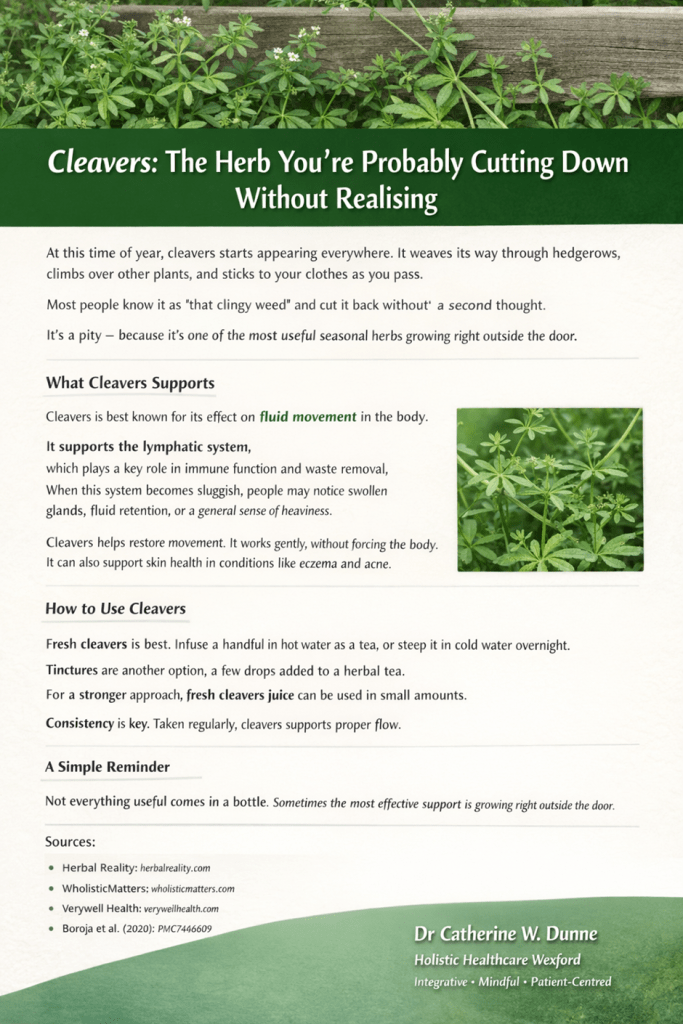
Cleavers: The Herb You’re Probably Cutting Down Without Realising

By Dr Catherine W. Dunne, MSc.D., RGN (GPN)
Holistic Healthcare Wexford | Co-founder, Aumvedas Academy

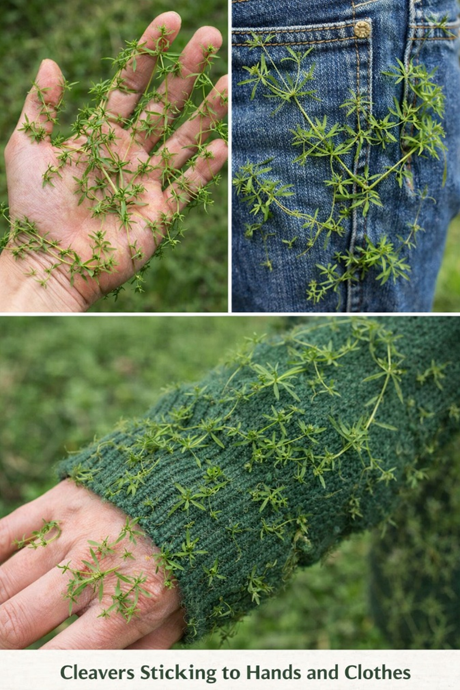
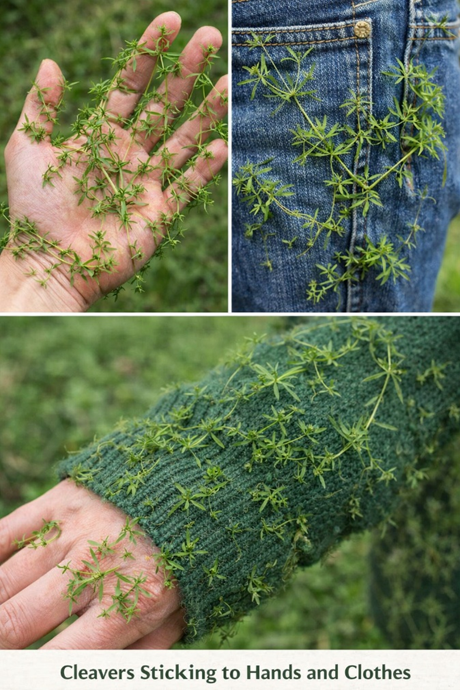
At this time of year, cleavers starts appearing everywhere. It weaves its way through hedgerows, climbs over other plants, and sticks to your clothes as you pass.

Most people know it as “that clingy weed” and cut it back without a second thought.

It’s a pity – because it’s one of the most useful seasonal herbs growing right outside the door.

Cleavers (Galium aparine) has a long history of traditional use, particularly in supporting the lymphatic and urinary systems. While modern research is still developing, there is enough evidence, combined with long-standing herbal practice, to show it has a valuable role when used correctly.
What Cleavers Supports

Cleavers is best known for its effect on fluid movement in the body.

It supports the lymphatic system, which plays a key role in immune function and waste removal. When this system becomes sluggish, people may notice swollen glands, fluid retention, or a general sense of heaviness.

Cleavers helps restore movement. It works gently, without forcing the body, making it suitable for ongoing use over a period of time.

There is also a clear link between lymphatic congestion and skin health. Conditions such as eczema, acne, and psoriasis can sometimes reflect what is happening internally. Supporting lymphatic flow may help improve these from the inside out.

In addition, cleavers has mild diuretic properties, helping the kidneys process and eliminate excess fluid. It is also recognised for its anti-inflammatory and antioxidant compounds, which contribute to its overall supportive role.
How to Use Cleavers

Fresh cleavers is always the best option when available.

A simple way to use it is as a tea. A handful of fresh herb can be infused in hot water and taken once or twice daily. It can also be prepared as a cold infusion, which preserves some of its more delicate constituents and is particularly suitable in warmer or more inflammatory conditions.

Cleavers can also be taken as a tincture. A few drops added to a warm herbal tea such as nettle or red clover is an easy and practical way to take it.

For those who prefer a stronger approach, fresh cleavers juice has traditionally been used in small amounts.

As with any herb, consistency matters more than intensity. Taken regularly over time, cleavers supports the body in restoring proper flow.

Cleavers Benefits:

Strong, consistent evidence:

  • Lymphatic support
  • Diuretic action
  • Skin link
  • Anti-inflammatory properties

Emerging / suggestive:

  • Immune modulation

A Simple Reminder:

Not everything useful comes in a bottle.

Sometimes the most effective support is already growing nearby – unnoticed and often removed before it’s ever given a chance.

Cleavers is one of those plants.

Sources:

Herbal Reality. Cleavers (Galium aparine) Monograph
https://www.herbalreality.com/herb/cleavers/

WholisticMatters. Cleavers Herbal Monograph
https://wholisticmatters.com/herb-detail/cleavers/

Verywell Health. Cleavers: Benefits and Uses
https://www.verywellhealth.com/cleavers-health-benefits-5084341

Boroja et al. (2020). Evaluation of antioxidant and immunomodulatory activity of Galium aparine
https://pmc.ncbi.nlm.nih.gov/articles/PMC7464609/

I hope you feel inspired. Look after your body, and it will keep you healthy.

Catherine

CWD 11 April 2026/Ireland

Holistic Healthcare Wexford
Integrative · Mindful · Patient-Centred

About the Author

Dr Catherine W. Dunne is a Registered General Nurse with over 37 years of clinical experience in primary care in Ireland. Alongside her work in General Practice Nursing, she is the founder of Holistic Healthcare Wexford and co-founder of Aumvedas Academy.

With a background that bridges conventional medicine and holistic practice, Catherine has a particular interest in the area where patients are often told “everything is normal,” yet still feel unwell. Her work focuses on helping people understand what their body is communicating, especially in relation to energy, stress, metabolic function, and recovery.

Through a combination of clinical knowledge and holistic support, she works with individuals to restore balance, improve resilience, and support long-term wellbeing.

Based in Wexford, Ireland.

Disclaimer

This article is for informational and educational purposes only and is not intended as medical advice. It does not replace consultation with a qualified healthcare professional. Patients should always seek appropriate medical guidance regarding their individual health needs and before making changes to treatment or care.
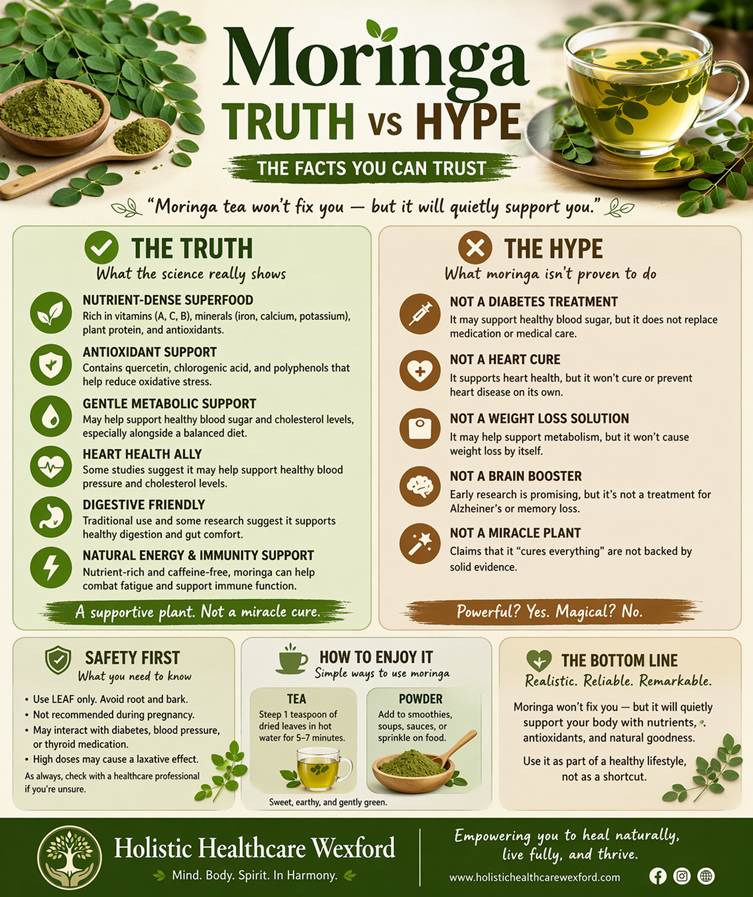
Moringa: Truth vs Hype

“Moringa tea won’t fix you – but it will quietly support you.”

Moringa has been called everything from a “miracle tree” to a “superfood powerhouse.”
And like most things that get that level of attention, the truth sits somewhere in the middle.

So let’s strip it back – no hype, no dismissal – just what actually matters.

By Dr Catherine W. Dunne, MSc.D., RGN (GPN)
Holistic Healthcare Wexford | Co-founder, Aumvedas Academy

Let us look at what generalised information is given to us, when we see their ads flashing past us on Social Media Posts:

Moringa oleifera is a plant with numerous health benefits that have withstood the test of time. The leaves have been utilized as food medicine for thousands of years. (There are, however, side-effects with the root and the bark (listed below), so avoid them.)

Moringa leaves and flowers were first discovered around 2,000 BC in northern India where traditional physicians quickly became aware of the therapeutic value. As a result of the leave’s high levels of valuable nutrients, moringa was diligently used by members of royal families and other aristocrats.

Moringa, the “Miracle Tree” contains over 92 Nutritional Values – all in perfect balance!
Vitamins:
A (Alpha and Beta-Carotene), A B-Complex, C, D, E, K, Folate, Biotin, and many more.

Minerals:
Calcium, Chloride, Chromium, Copper, Fluorine, Iron, Manganese, Magnesium, Molybdenum, Phosphorus, Potassium, Sodium, Selenium, Sulphur, Zinc.

All 18 Amino Acids and many other beneficial nutrients, like Chlorophyll, Carotenoids, Flavonoids, Omega (3,6,9) Oils, Plant Sterols, Polyphenols, and still more.

While this sounds impressive, the presence of nutrients does not automatically translate into a therapeutic effect in the body.

Multiple studies show consuming moringa can improve blood sugar response. This is likely, at least in part, due to its fibre and protein content. This nutritional profile helps lower and level out blood sugar spikes. And balanced blood sugar is crucial for hormonal health, a healthy weight, and energy levels.

Antibacterial properties:
This plant produces substances to protect itself from bacteria in its environment. We receive these same antibacterial properties when we eat or apply it topically. In fact, in a 2011 study, researchers discovered that moringa extract inhibits the growth of S. aureus, V. parahaemolyticus, E. faecalis, and A. caviae.

Speeds healing:
Traditionally, many use moringa as a poultice to speed wound healing. We now have research to support that: Applying moringa to wounds can enhance wound healing. Moringa encourages blood clotting at the site of a wound. This shortens the time it takes to repair damage and speeds wound healing time.

Facilitates sleep:
As a protein-rich food, moringa packs an assortment of amino acids, some of which (most notably tryptophan) are the backbone of sleep-inducing hormones, like melatonin, priming the body for improved and more restful sleep.

Lowers cholesterol:
Moringa may also lower cholesterol, thanks to high levels of fibre and plant sterols. In a rabbit study, it lowered cholesterol and reduced plaque in the arteries as effectively as medication, without the side-effects.

Reduces severity of asthma:
In one of the few human clinical trials on the plant, adults with asthma took 3 grams of moringa twice daily (added to food) for three weeks. Moringa not only reduced asthma symptoms, but also reduced the severity of asthma attacks.

Reduces inflammation:
As with all plant-based foods, a number of studies show moringa contains phytochemicals that act as anti-inflammatories. Because inflammation is at the root of many diseases, the plant may help protect the body from long-term issues like arthritis, Crohn’s disease, and even chronic pain. (https://pmc.ncbi.nlm.nih.gov/articles/PMC9916933/)

This PubMed study states: “While the entire tree has antitumor activity, the sex hormone-related property is attributable to its ROOT, folk medicine use has also proven.” (I hear the root has been used as an abortifacent in India).
“This plant has been studied in relation to diabetes and thyroid function.” (https://pmc.ncbi.nlm.nih.gov/articles/PMC12003216/)

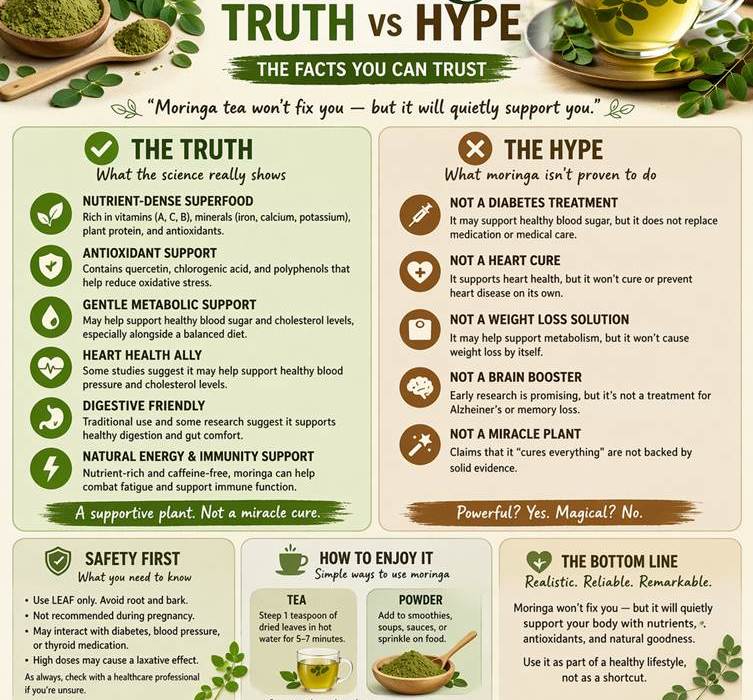
Moringa: Truth vs Hype

What Moringa Actually Is

Moringa (Moringa oleifera) is a leafy plant traditionally used as both food and medicine, particularly in parts of India and Africa.

The leaves are the part most commonly used and importantly, the safest.

They contain:

  • Plant protein
  • Minerals like calcium, iron, and magnesium
  • Vitamins (especially beta-carotene and vitamin C)
  • Antioxidants such as quercetin and chlorogenic acid

👉 In simple terms:
It’s a very nutrient-dense green.

Where the Hype Comes From

You’ll often see claims like:

  • lowers blood sugar
  • reduces cholesterol
  • boosts immunity
  • aids weight loss
  • supports brain health

Now, here’s the important part:

👉 Most of these claims come from:

  • small studies
  • animal research
  • or early-stage trials

That doesn’t make them false, but it does mean they are not strong enough to stand as treatments.

What Moringa Can Genuinely Do

When you remove the exaggeration, moringa sits in a very useful place:

1. Nutritional Support

It can help in:

  • fatigue
  • recovery
  • low nutrient intake

Think of it as:
👉 “filling in the gaps” rather than correcting disease

2. Antioxidant Support

Its plant compounds help:

  • reduce oxidative stress
  • support the body’s natural repair processes

Not dramatic — but quietly helpful over time.

3. Gentle Metabolic Support

There is some evidence it may:

  • support blood sugar balance
  • assist lipid (cholesterol) profiles

But:
👉 this is supportive, not therapeutic

What It Does NOT Do

Let’s be clear — because this is where people get misled.

Moringa does not:

  • treat diabetes
  • replace cholesterol medication
  • cause weight loss
  • “boost” immunity in any direct way

If something claims to do all of the above…

👉 it’s being oversold.

Who It May Suit

Moringa tea or powder can be useful for:

  • people feeling run down or depleted
  • those recovering from illness
  • general nutritional support
  • mild inflammatory states

It fits best as part of:
👉 a wider approach — not a standalone solution

Safety – What You Need to Know

  • Use leaf only (avoid root and bark)
  • Avoid in pregnancy as a precaution
  • Be mindful if taking:
    • diabetes medication
    • blood pressure medication
    • thyroid medication

As always:
👉 more is not better

How to Use It

Simple and effective:

  • Tea:
    1 teaspoon dried leaf
    Steep 5–7 minutes
  • Powder:
    Add to smoothies, soups, or food

👉 Consistency matters more than dose.

Final Thought

Moringa doesn’t need exaggeration.

It’s not a miracle.
It’s not a cure.

But it is:

👉 a steady, supportive plant that earns its place quietly

And in a world full of noise…

that’s often exactly what the body needs.

I hope you feel inspired. Look after your body, and it will keep you healthy.

Catherine

CWD 11 April 2026/Ireland

Holistic Healthcare Wexford
Integrative · Mindful · Patient-Centred

About the Author

Dr Catherine W. Dunne is a Registered General Nurse with over 37 years of clinical experience in primary care in Ireland. Alongside her work in General Practice Nursing, she is the founder of Holistic Healthcare Wexford and co-founder of Aumvedas Academy.

With a background that bridges conventional medicine and holistic practice, Catherine has a particular interest in the area where patients are often told “everything is normal,” yet still feel unwell. Her work focuses on helping people understand what their body is communicating, especially in relation to energy, stress, metabolic function, and recovery.

Through a combination of clinical knowledge and holistic support, she works with individuals to restore balance, improve resilience, and support long-term wellbeing.

Based in Wexford, Ireland.

Disclaimer

This article is for informational and educational purposes only and is not intended as medical advice. It does not replace consultation with a qualified healthcare professional. Patients should always seek appropriate medical guidance regarding their individual health needs and before making changes to treatment or care.