Why Some Wounds Just Won’t Heal: What Most People Are Missing

This article explores why some wounds become slow to heal, looking at common underlying factors such as hidden infection, inflammation, and the body’s internal healing environment, and how a more supportive, integrative approach may help restore the natural healing process.

By Dr Catherine W. Dunne, MSc.D., RGN (GPN)

If you’ve ever had a wound that seemed to linger far longer than it should, you’ll know how frustrating it can be.

It starts small.
A cut. A graze. A surgical site.
Then weeks pass… and it’s still there.

For some people, especially those with diabetes, circulatory issues, or ongoing inflammation, wounds can become slow, stubborn, and difficult to manage.

But here’s the part many people are never told:

👉 Not all wounds fail to heal because of the skin.

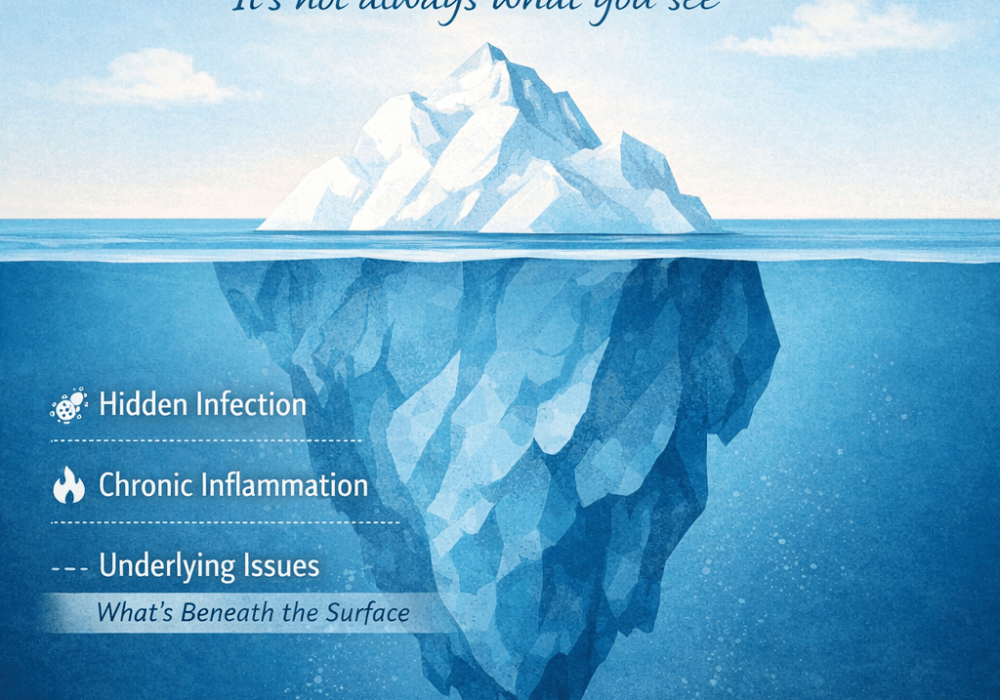
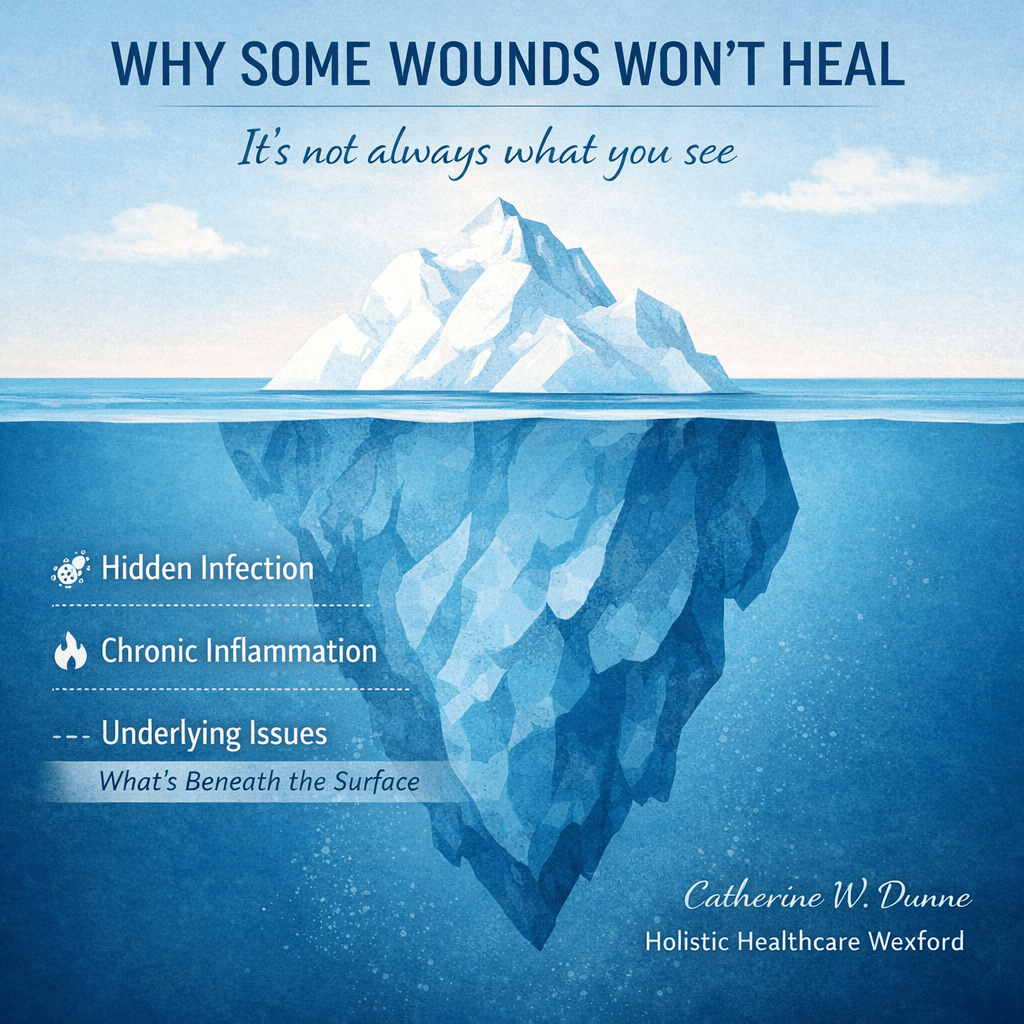
Very often, the issue lies beneath the surface.
The Hidden Problem: Why Healing Gets Stuck

In clinical practice, delayed wound healing is usually linked to three key factors:

1. Persistent Low-Level Infection

Even when a wound doesn’t look obviously infected, bacteria can still be present.

These microbes don’t always behave in the way we expect.
They don’t just sit on the surface, they organise themselves.

2. Biofilm Formation (The “Invisible Shield”)
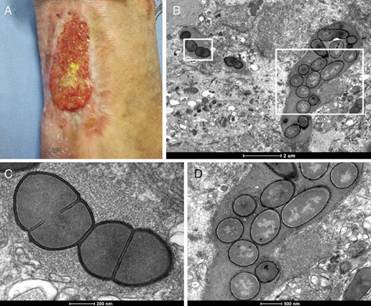
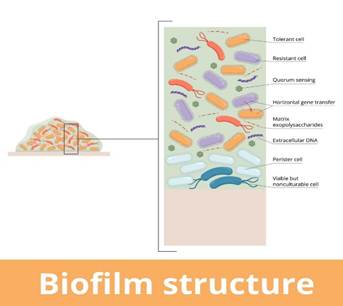
Bacteria can form what’s known as a biofilm, a protective layer that acts like a shield.

Inside this structure:

  • bacteria become harder to kill
  • standard treatments may struggle to reach them
  • the wound remains in a prolonged inflammatory state

This is one of the main reasons wounds become chronic.

3. Ongoing Inflammation

When the body senses something isn’t right, it stays in “repair mode.”

But if that phase never switches off:

  • healing slows
  • tissue regeneration is impaired
  • the wound can stall completely

Why Standard Treatments Don’t Always Work

Modern wound care is excellent in many ways, particularly with:

  • advanced dressings
  • infection control
  • moisture balance

But even with the best care, some wounds:

  • plateau
  • re-open
  • or simply refuse to progress

This is where we begin to look at adjunctive approaches, methods that support the body rather than replace standard care.

A Quietly Powerful Tool: Silver in Wound Care

Silver has been used in wound care for centuries.
In modern practice, it is commonly found in specialised dressings used in hospitals and community settings.

Its value lies in its ability to:

  • reduce harmful bacteria in the wound
  • interfere with how bacteria grow and spread
  • support a cleaner environment for healing

This can be particularly helpful in wounds that appear clean but are not progressing.

More recently, there has been growing interest in colloidal silver, which contains very small (nano-sized) particles suspended in solution.

Research and clinical observation suggest it may:

  • help reduce the number of bacteria present
  • disrupt protective layers that bacteria form to shield themselves (known as biofilms)
  • support a more balanced healing environment

Importantly, when used appropriately, it is considered an adjunct, meaning it works alongside standard wound care rather than replacing it.

A Holistic View of Wound Healing

From a holistic perspective, wound healing is never just about the skin.
It involves:

  • circulation
  • immune function
  • how the body produces and uses energy, regulates blood sugar, and controls inflammation
  • balanced inflammation response

And sometimes, small supportive interventions can help the body return to a natural healing state.

Final Thoughts

If a wound is slow to heal, it does not mean the body has failed.
It usually means something is getting in the way.

Understanding factors such as infection, biofilm, and inflammation can make a significant difference in how we approach care.
When appropriate, integrating supportive therapies alongside standard treatment may help support the healing process.

This article is intended to support understanding and awareness of wound healing and does not replace individual clinical assessment or care.
It usually means something is getting in the way of the natural healing process.

I hope you feel inspired. Look after your body, and it will keep you healthy.

Catherine

CWD 20 March 2026/Ireland

ABOUT THE AUTHOR

Dr Catherine W. Dunne, MSc.D., RGN (GPN), is an experienced General Practice Nurse based in Ireland, with over 37 years of clinical experience, including more than three decades in Irish primary care.

She has a strong clinical background in chronic disease management and wound care, with a particular interest in community-based treatment approaches. Her early nursing training in Germany included exposure to both conventional and complementary wound-care practices, shaping her integrative clinical perspective.

In addition to her nursing work, Dr Dunne is the founder of Holistic Healthcare Wexford and co-founder of Aumvedas Academy, where she provides education in integrative health approaches.

Her work focuses on bridging evidence-based medicine with practical, patient-centred care in modern clinical practice.
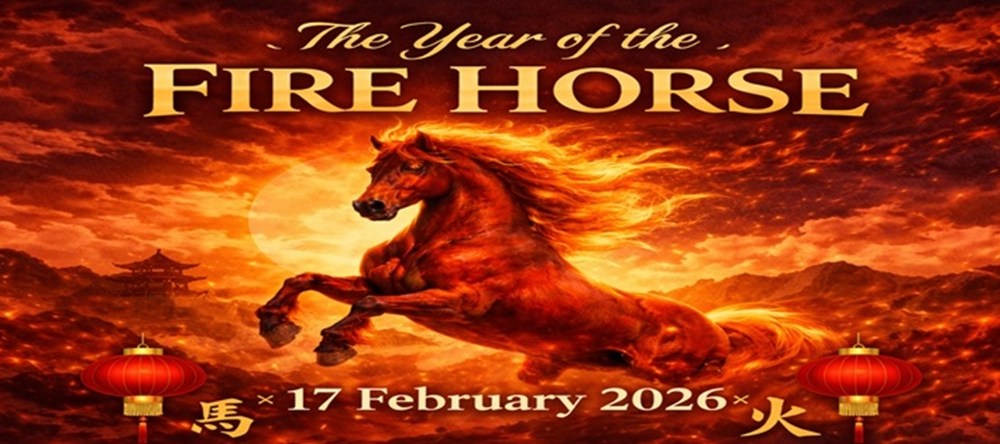

Why the Fire Horse Stirs Us: Kundalini, Memory, and the Animal That Knows the Way

By Dr. Catherine W. Dunne | Holistic HealthCare Wexford & Aumvedas Academy
Dr Catherine W Dunne MSc. D., RGN, Reiki Master (RGMT), M.H.I.T: Master Acupressure. Practitioner of Reflexology. Expert in Aromatherapy. Specialized in Deep Tissue/Myo-fascia Massages. Proficient in Infrared Treatments. Vibrational Sound and Colour Therapist. Tissue Salt Advisor. Pendulum Healing Dowser. Chakra Practitioner. Tao Cosmic Healing Practitioner. Practitioner of Plant and Herb Medicine and licensed Nurse.

Humans have always known something about horses that we’ve struggled to put into language.

Stand near a horse and something happens before thought can intervene. The breath drops lower into the body. The nervous system reorganises itself. The mental noise quietens. There is a subtle but unmistakable sense of being gathered back into oneself, as though the body remembers something the mind had forgotten.

This is not romance, projection, or sentimentality.
It is resonance.

A horse does not meet us at the level of words or concepts. It meets us at the level of spine, instinct, and truth. And it is here—far below the thinking mind—that the Year of the Fire Horse shifts from poetic symbolism into something far more physiological and real.

Across cultures and mythologies, the horse has been associated with life force, sexual vitality, courage, momentum, and the ability to move between worlds. Yet beneath all of this symbolism lies something simpler and much older. The horse moves from the spine. Its power is not forced or manufactured; it arises as a coherent wave that begins at the ground, travels upward through the body, and expresses itself as motion.

This is the language of Kundalini.

When a human rides a horse, stands beside one, or even watches a horse move freely, the body recognises that wave. The nervous system begins to entrain to it. Something long dormant stirs—not because we decide it should, but because the body remembers how energy is meant to move. This is not imagination. It is somatic memory, carried far deeper than culture or belief.

In the Year of the Fire Horse, this spinal intelligence does not remain subtle.

Fire Horse energy does not gently awaken what is asleep. It ignites what is already coiled. For many, this year may not resemble “spiritual awakening” in the neat, meditative sense people expect. Instead, it may arrive as sudden surges of energy, emotional heat rising without warning, pressure along the spine or pelvis, or a restlessness that demands movement. There may be a growing intolerance for repression, stagnation, or unspoken truths—both personally and collectively.

This is Kundalini attempting to move through bodies that have been trained, for generations, to remain still.

The Fire Horse does not ask whether we are ready. It asks where the channel is blocked.

What makes this year particularly potent is that the stirring is not confined to individuals. Humans are not designed to awaken in isolation. Despite our modern insistence on individuality, we are fundamentally a herd species—highly sensitive to one another’s nervous systems, emotions, and states of being. The Fire Horse agitates not only personal energy but the collective nervous system itself.

This is why emotions feel contagious, unrest spreads quickly, and truth-telling accelerates. When one nervous system breaks free of an old constraint, others feel it immediately. Just as horses move as a unified field—responding instantly to subtle shifts—humans are being pulled back into somatic coherence, whether consciously chosen or not.

And this movement does not stop with us.

Gaia, too, has a spine. Ley lines, mountain ranges, mid-ocean ridges, and volcanic belts are all expressions of vertical energy rising through matter. Historically, Fire Horse years have often coincided with seismic activity, volcanic movement, social uprisings, and rapid civilisational course corrections. This is not punishment or chaos for its own sake. It is energy seeking expression.

When rising energy meets a blocked channel, pressure builds. When it is allowed to move, transformation follows. The same rule applies to the human body as it does to the body of the Earth.

What the Fire Horse asks of us, then, is not discipline, suppression, or spiritual bypassing. It asks for embodiment. For movement. For honesty that begins in the body rather than the story we tell about it. It asks us to respect instinct, to ground before attempting to ascend, and to stop pathologising vitality simply because it feels intense.

This is not the year to force awakenings or chase experiences. It is the year to walk more, breathe deeper, allow heat to rise without panic, and ground excess energy back into the Earth. Kundalini is not dangerous when respected. It becomes destabilising only when denied.

The Fire Horse is not here to burn us.
It is here to remind us how to move.

It carries an ancient memory of spine-led power, heart-led courage, and fire that remains connected to the Earth rather than severed from it. If something stirs in you this year—restlessness, heat, urgency, or truth—do not rush to explain it away. Listen to the body. Ground the feet. Let the spine remember what it already knows.

The horse knows the way.
It always has.

I hope you feel inspired. Look after your body, and it will keep you healthy.

Catherine

CWD 01 February 2026/Ireland