Stinging Nettle in Spring

Simple. Powerful. Right on your doorstep.

By Dr Catherine W. Dunne, MSc.D., RGN (GPN), M.H.I.T.
Holistic Healthcare Wexford
There’s a short window in spring when stinging nettle is at its best.

The young shoots are tender, vibrant, and full of life.
They haven’t toughened yet, and interestingly, they’re far less “stingy” to handle when picked correctly.

This is when nettle shifts from being a nuisance in the garden…
to one of the most useful plants you can bring into your daily routine.

Why Spring Nettles Are Different

Young nettle leaves are rich in:

  • Natural enzymes
  • Vitamin C
  • Iron
  • Magnesium
  • Calcium
  • Chlorophyll
  • Plant compounds that help reduce oxidative stress

At this stage, the plant is in active growth.
Everything is moving, building, and regenerating.

And that’s exactly what it offers the body.

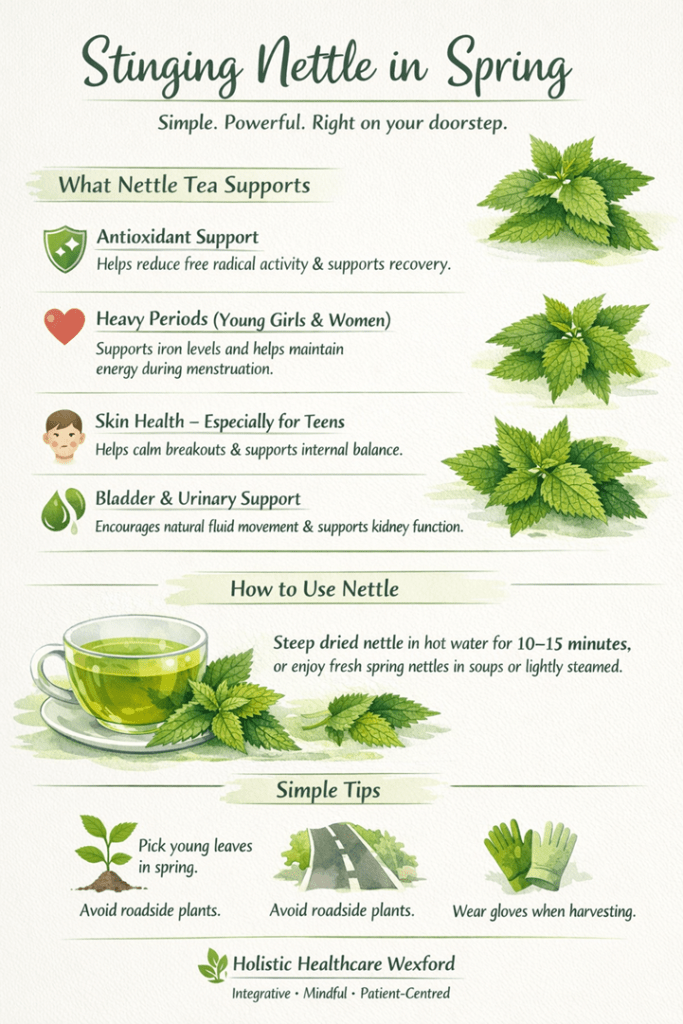
WHAT NETTLE TEA SUPPORTS

A simple cup of nettle tea, taken regularly, can do far more than most people expect.
It works quietly in the background, supporting the body where it needs it most.

Antioxidant support

Nettle helps reduce free radical activity in the body.

This matters more than people realise. Oxidative stress is linked to fatigue, inflammation, skin issues, and slower recovery.

A daily nettle tea is a quiet way of supporting the body at that level.

Support for heavy periods (young girls & women)

This is one of the old uses and still one of the most relevant.

Nettle:

  • Supports iron levels
  • Helps maintain energy
  • Provides minerals needed during blood loss

Nettle provides natural support for iron levels, helping maintain energy during heavier menstrual cycles.
It also supplies key minerals the body draws on during blood loss.

Taken as a tea, it offers gentle support without complication.

Skin support – especially teenagers

When skin is flaring, spots, congestion, breakouts, the body is often:

  • Under pressure
  • Slightly inflamed
  • Not clearing waste efficiently

The body often reflects internal imbalance rather than just surface issues.

Nettle supports the body by helping reduce inflammatory load, improving nutrient availability, and encouraging natural internal “clearing.”

It’s not a quick fix, but taken daily and over time, it brings a steadiness the skin responds well in a noticeable way, too.

Bladder and urinary support

Even as a simple tea, nettle supports normal kidney and urinary function.

It gently encourages fluid movement through the body without being harsh or depleting.
This makes it particularly useful when the system feels sluggish or under strain.

It’s not harsh.
It doesn’t deplete.

It supports the body in doing what it’s meant to do anyway.

How to Use It

Nettle doesn’t need complicated preparation.
In fact, its strength lies in its simplicity.

A teaspoon or two of dried nettle steeped in hot water for 10–15 minutes is enough to create a mineral-rich infusion.

Taken once or twice daily, it becomes a steady support rather than a quick intervention.

Fresh young nettle in spring can also be used in soups or lightly steamed, offering the same benefits in a more food-based form.

With nettle, consistency matters far more than quantity.

RECAP:

✔️ Fresh nettle (spring)

  • Pick young tops (gloves recommended)
  • Use in soups, broths, or lightly steamed
  • Can also be used fresh for tea

✔️ Tea

  • 1–2 teaspoons dried nettle per cup
  • Steep 10–15 minutes
  • Drink 1–3 cups daily

Consistency matters more than quantity.

A few practical notes

  • Avoid picking near roadsides or sprayed areas
  • If on diuretics or blood pressure medication, just be mindful
  • Pick young leaves in spring, when the plant is at its most vibrant
  • Avoid roadside or sprayed areas
  • Use gloves when harvesting fresh nettle
  • In most cases, nettle as a tea is safe and well tolerated

Final Thought

Nettle isn’t exotic.
It’s not expensive.
It doesn’t come in a glossy package.

And yet, every spring, it shows up offering exactly what the body often needs:

👉 nourishment
👉 support
👉 balance

Sometimes the simplest plants are the ones worth paying attention to.

I hope you feel inspired. Look after your body, and it will keep you healthy.

Catherine

CWD 03 April 2026/Ireland

Holistic Healthcare Wexford
Integrative · Mindful · Patient-Centred

About the Author

Dr Catherine W. Dunne is a Registered General Nurse with over 37 years of clinical experience in primary care in Ireland. Alongside her work in General Practice Nursing, she is the founder of Holistic Healthcare Wexford and co-founder of Aumvedas Academy.

With a background that bridges conventional medicine and holistic practice, Catherine has a particular interest in the area where patients are often told “everything is normal,” yet still feel unwell. Her work focuses on helping people understand what their body is communicating, especially in relation to energy, stress, metabolic function, and recovery.

Through a combination of clinical knowledge and holistic support, she works with individuals to restore balance, improve resilience, and support long-term wellbeing.

Based in Wexford, Ireland.

Disclaimer
The information provided in this article is for general educational purposes only and is not intended as medical advice, diagnosis, or treatment. While every effort is made to ensure accuracy, individual health needs can vary. Always consult your GP or a qualified healthcare professional before making changes to your health routine, especially if you have an existing condition, are taking medication, or are pregnant.
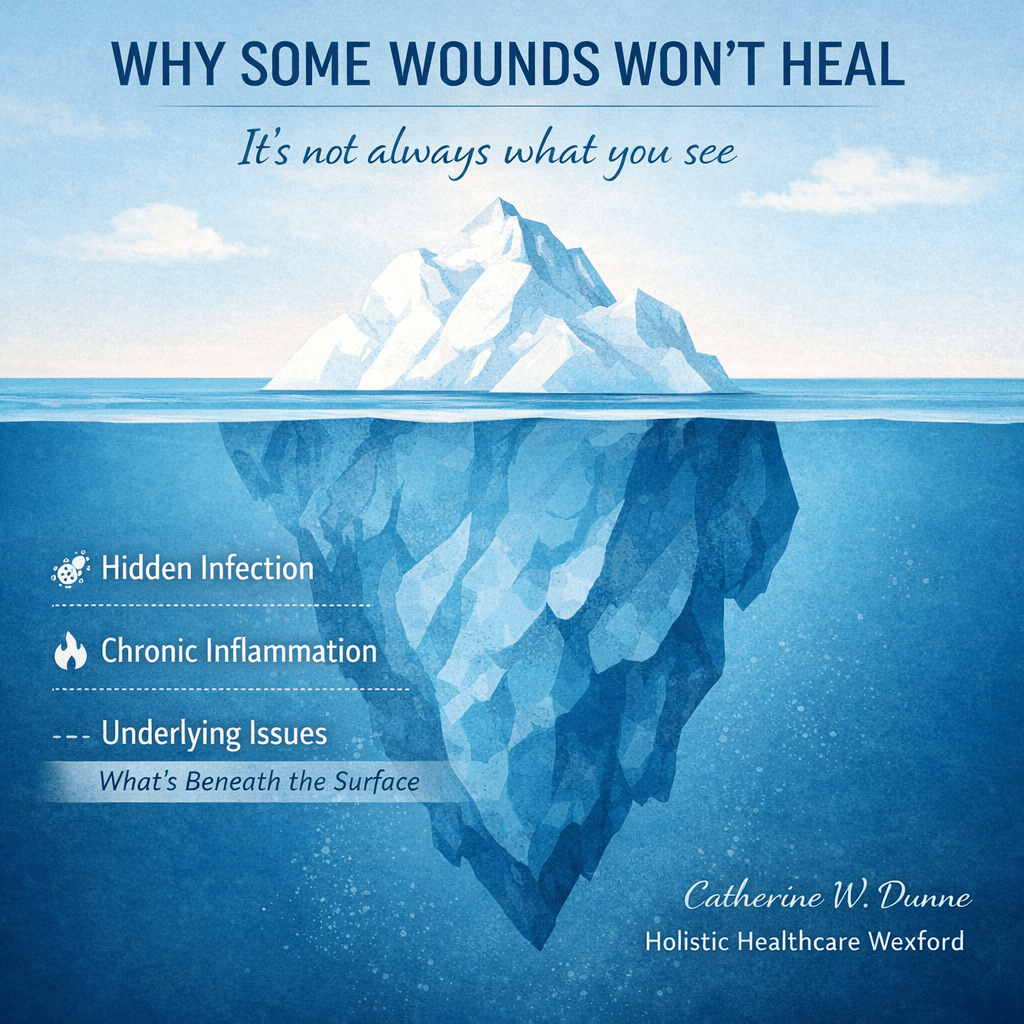
Why Some Wounds Just Won’t Heal: What Most People Are Missing

This article explores why some wounds become slow to heal, looking at common underlying factors such as hidden infection, inflammation, and the body’s internal healing environment, and how a more supportive, integrative approach may help restore the natural healing process.

By Dr Catherine W. Dunne, MSc.D., RGN (GPN)

If you’ve ever had a wound that seemed to linger far longer than it should, you’ll know how frustrating it can be.

It starts small.
A cut. A graze. A surgical site.
Then weeks pass… and it’s still there.

For some people, especially those with diabetes, circulatory issues, or ongoing inflammation, wounds can become slow, stubborn, and difficult to manage.

But here’s the part many people are never told:

👉 Not all wounds fail to heal because of the skin.

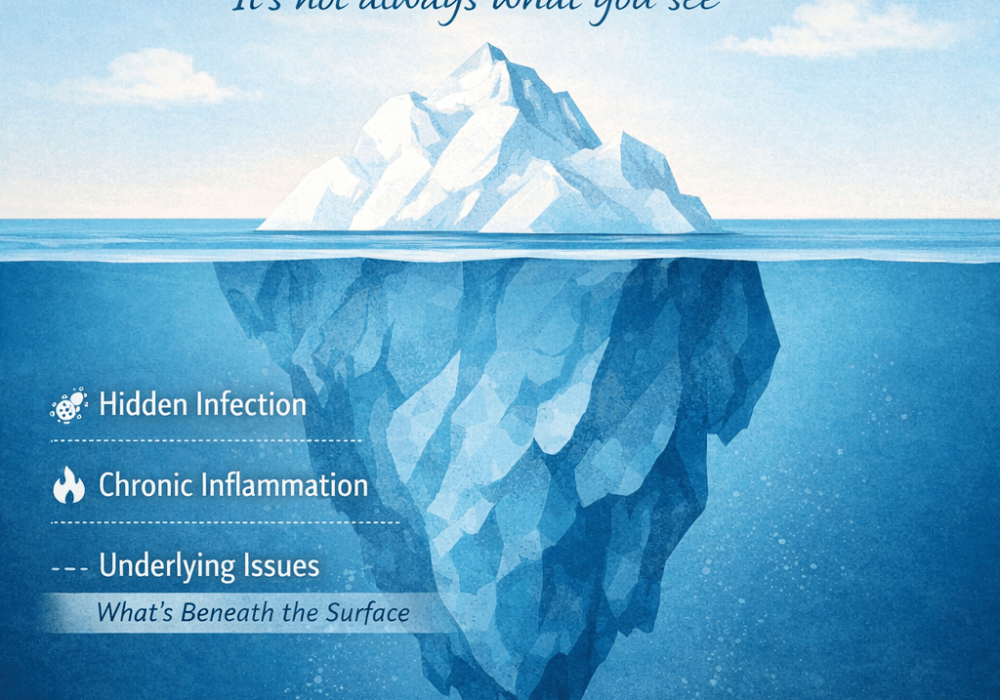
Very often, the issue lies beneath the surface.

The Hidden Problem: Why Healing Gets Stuck

In clinical practice, delayed wound healing is usually linked to three key factors:

1. Persistent Low-Level Infection

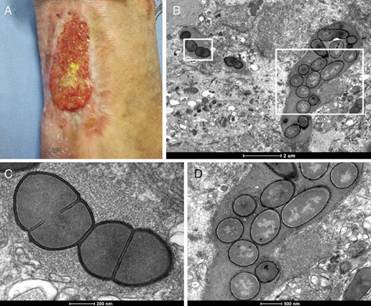
Even when a wound doesn’t look obviously infected, bacteria can still be present.

These microbes don’t always behave in the way we expect.
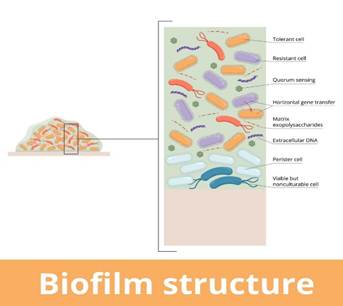
They don’t just sit on the surface, they organise themselves.

2. Biofilm Formation (The “Invisible Shield”)

Bacteria can form what’s known as a biofilm, a protective layer that acts like a shield.

Inside this structure:

  • bacteria become harder to kill
  • standard treatments may struggle to reach them
  • the wound remains in a prolonged inflammatory state

This is one of the main reasons wounds become chronic.

3. Ongoing Inflammation

When the body senses something isn’t right, it stays in “repair mode.”

But if that phase never switches off:

  • healing slows
  • tissue regeneration is impaired
  • the wound can stall completely

Why Standard Treatments Don’t Always Work

Modern wound care is excellent in many ways, particularly with:

  • advanced dressings
  • infection control
  • moisture balance

But even with the best care, some wounds:

  • plateau
  • re-open
  • or simply refuse to progress

This is where we begin to look at adjunctive approaches, methods that support the body rather than replace standard care.

A Quietly Powerful Tool: Silver in Wound Care

Silver has been used in wound care for centuries.
In modern practice, it is commonly found in specialised dressings used in hospitals and community settings.

Its value lies in its ability to:

  • reduce harmful bacteria in the wound
  • interfere with how bacteria grow and spread
  • support a cleaner environment for healing

This can be particularly helpful in wounds that appear clean but are not progressing.

More recently, there has been growing interest in colloidal silver, which contains very small (nano-sized) particles suspended in solution.

Research and clinical observation suggest it may:

  • help reduce the number of bacteria present
  • disrupt protective layers that bacteria form to shield themselves (known as biofilms)
  • support a more balanced healing environment

Importantly, when used appropriately, it is considered an adjunct, meaning it works alongside standard wound care rather than replacing it.

A Holistic View of Wound Healing

From a holistic perspective, wound healing is never just about the skin.
It involves:

  • circulation
  • immune function
  • how the body produces and uses energy, regulates blood sugar, and controls inflammation
  • balanced inflammation response

And sometimes, small supportive interventions can help the body return to a natural healing state.

Final Thoughts

If a wound is slow to heal, it does not mean the body has failed.
It usually means something is getting in the way.

Understanding factors such as infection, biofilm, and inflammation can make a significant difference in how we approach care.
When appropriate, integrating supportive therapies alongside standard treatment may help support the healing process.

This article is intended to support understanding and awareness of wound healing and does not replace individual clinical assessment or care.
It usually means something is getting in the way of the natural healing process.

I hope you feel inspired. Look after your body, and it will keep you healthy.

Catherine

CWD 20 March 2026/Ireland

ABOUT THE AUTHOR

Dr Catherine W. Dunne, MSc.D., RGN (GPN), is an experienced General Practice Nurse based in Ireland, with over 37 years of clinical experience, including more than three decades in Irish primary care.

She has a strong clinical background in chronic disease management and wound care, with a particular interest in community-based treatment approaches. Her early nursing training in Germany included exposure to both conventional and complementary wound-care practices, shaping her integrative clinical perspective.

In addition to her nursing work, Dr Dunne is the founder of Holistic Healthcare Wexford and co-founder of Aumvedas Academy, where she provides education in integrative health approaches.

Her work focuses on bridging evidence-based medicine with practical, patient-centred care in modern clinical practice.

Why Calcium Alone Is Not Enough

Vitamin D3, Magnesium and Vitamin K2: The Team That Helps Calcium Work in the Body

For many years we were told something simple about bone health:

By Dr Catherine W. Dunne MSc.D., RGN
Holistic HealthCare Wexford & Aumvedas Academy
Nurse, Medical Intuitive and Holistic Practitioner

Take calcium and a little vitamin D.

But modern research is showing that calcium metabolism is far more sophisticated than that. The body relies on a small team of nutrients working together — most importantly vitamin D3, magnesium and vitamin K2.

When these nutrients are balanced, calcium is more likely to support healthy bones rather than accumulating in places where it should not be.

Understanding how this system works can help us make better choices for long-term health.

What do vitamin D3, magnesium and vitamin K2 do together?

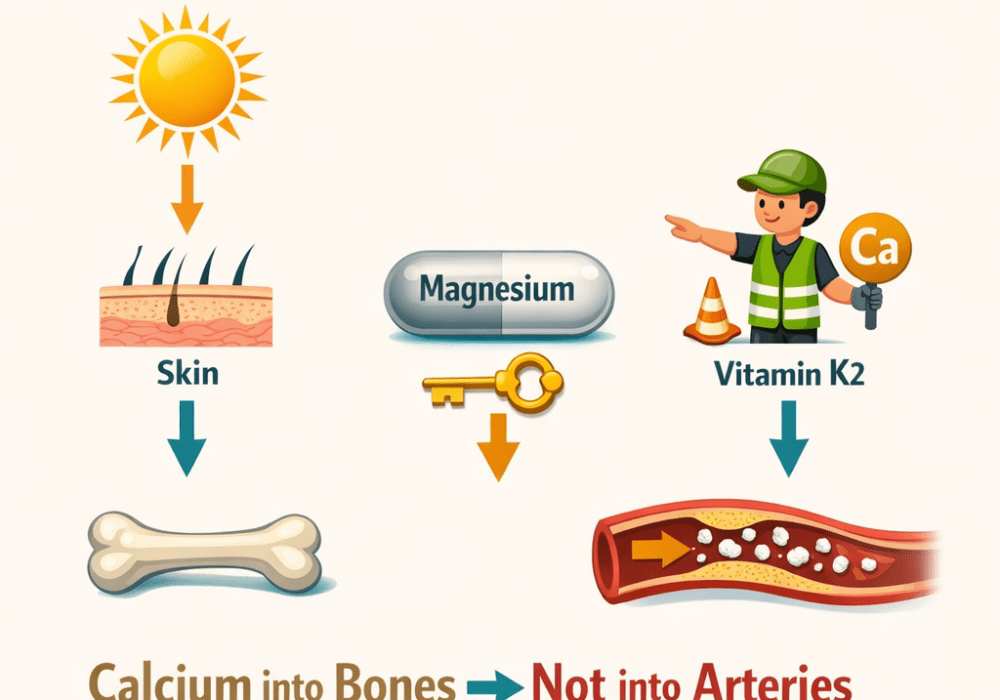
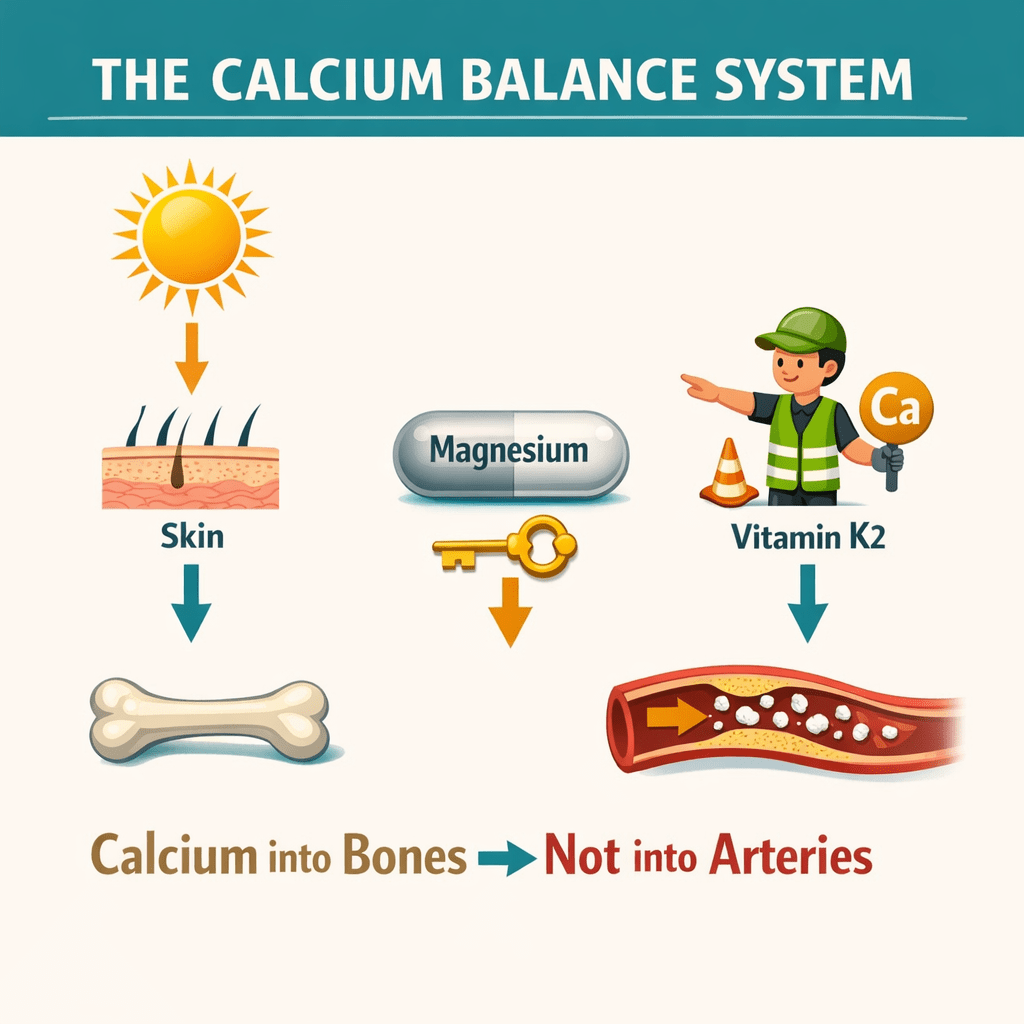
Vitamin D3 helps the body absorb calcium from food, magnesium activates vitamin D so it can function properly, and vitamin K2 directs calcium into bones while helping prevent deposits in arteries and soft tissues. Together, these nutrients support healthy calcium balance, bone strength and overall metabolic health.

Vitamin D3 – The Sunshine Signal

Vitamin D is often called a vitamin, but in reality it behaves more like a hormone.

Production begins in the skin when ultraviolet-B sunlight converts a cholesterol-related molecule called 7-dehydrocholesterol into vitamin D3.

Once activated by the liver and kidneys, vitamin D influences hundreds of genes involved in:

• calcium absorption
• immune regulation
• inflammation control
• muscle strength
• bone metabolism

One of its most important roles is helping the body absorb calcium from food.

Without sufficient vitamin D, the body may absorb only a small fraction of the calcium we eat.

Low vitamin D levels have also been associated in research studies with a range of conditions including:

• osteoporosis
• autoimmune diseases such as multiple sclerosis
• certain cancers including breast and bowel cancer.

This does not mean vitamin D alone prevents these diseases, but it highlights how important it is in maintaining normal physiological balance.

Magnesium – The Quiet Enabler

Here is a fact that many people do not realise.

Vitamin D cannot function properly without magnesium.

Magnesium is required for the enzymes that activate vitamin D in the body. Without adequate magnesium, vitamin D may remain largely inactive.

Magnesium also plays important roles in:

• parathyroid hormone regulation
• nerve and muscle function
• heart rhythm stability
• bone mineralisation.

Unfortunately magnesium deficiency has become common in modern diets due to soil depletion, processed foods and certain medications.

When magnesium levels are low, increasing calcium intake alone often fails to correct imbalances.

Vitamin K2 – The Calcium Guide

If vitamin D increases calcium absorption, another important question arises:

Where does that calcium go?

Vitamin K2 helps answer that question.

This nutrient activates specialised proteins that guide calcium into the bones while helping prevent calcium deposits in arteries and soft tissues.

Two important vitamin K2-dependent proteins include:

Osteocalcin, which binds calcium into the bone matrix
Matrix GLA protein, which helps prevent vascular calcification.

In simple terms, vitamin K2 acts like a traffic controller for calcium, helping ensure it strengthens bones rather than accumulating where it does not belong.

Why Calcium From Food Is Often Preferable

Calcium is clearly important for bone health, but more is not always better.

Many people can obtain adequate calcium through foods such as:

• dairy products
• leafy green vegetables
• almonds and sesame seeds
• small fish eaten with bones.

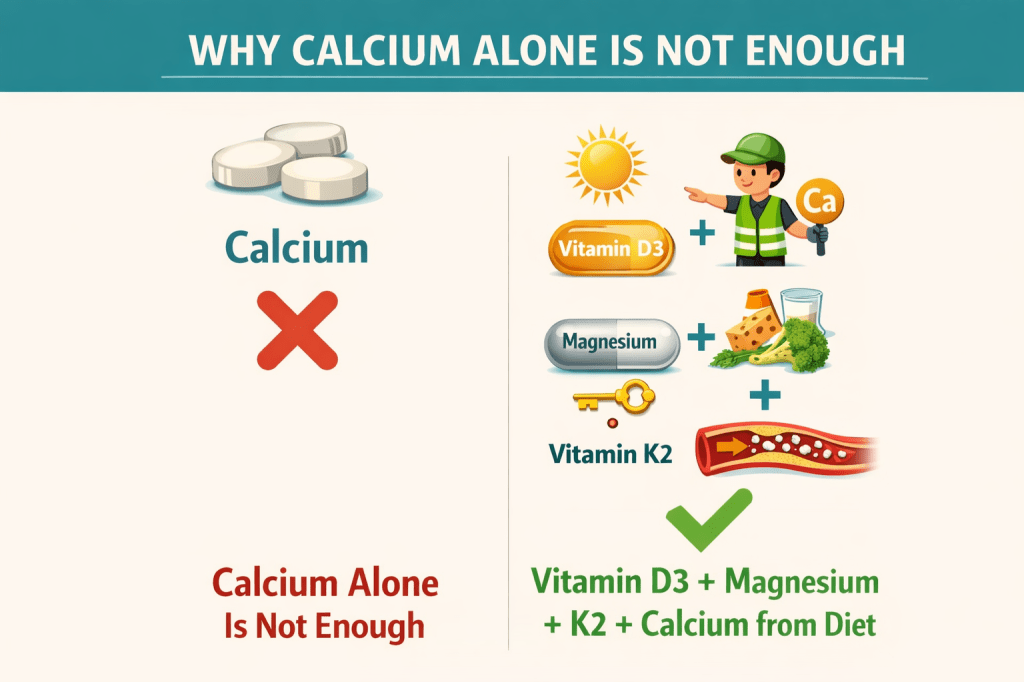
Supplements may be appropriate in certain situations, but high calcium intake without sufficient vitamin D, magnesium and K2 may not support healthy calcium balance.

For this reason, many clinicians now emphasise dietary calcium alongside nutrient balance rather than relying solely on supplements.

Vitamin D and the Immune System

Beyond bone health, vitamin D plays an important role in immune regulation.

Immune cells contain vitamin D receptors, and adequate levels appear to help maintain balanced immune responses.

Researchers have explored links between vitamin D status and conditions such as:

• multiple sclerosis
• autoimmune diseases
• breast cancer
• colorectal (bowel) cancer.

While vitamin D is not a treatment for these conditions, maintaining healthy levels may support the body’s natural defence systems.

Interestingly, the prevalence of multiple sclerosis increases in populations living further from the equator, where sunlight exposure — and therefore vitamin D production — is lower.

A Simple Way to Think About the System

Instead of focusing on a single nutrient, it helps to think of calcium regulation as a partnership.

Vitamin D3
helps the body absorb calcium.

Magnesium
activates vitamin D and supports metabolic processes.

Vitamin K2
directs calcium into bones and away from soft tissues.

Calcium
provides the structural building blocks for bones and teeth.

When these nutrients work together, the body is better able to maintain balance.

Diagram showing how Vitamin D3, magnesium and vitamin K2 work together to regulate calcium and support bone health.

Supporting Healthy Nutrient Levels

Some practical ways to support this system include:

• sensible sunlight exposure where possible
• eating a varied diet rich in vegetables, nuts and seeds
• including fermented foods or high-quality dairy where tolerated
• discussing testing or supplementation with a healthcare professional when appropriate.

Every individual is different, and personalised guidance is always best.

Emerging evidence suggests that boron may further support this system by improving how these nutrients are utilised within the body. Boron: The Missing Link in Vitamin D, Calcium & Hormone Balance

Final Thoughts

Health rarely depends on one nutrient or one supplement.

The body works through networks of nutrients and signals, each supporting the other.

Understanding how vitamin D3, magnesium and vitamin K2 interact gives us a clearer picture of how the body manages calcium, supports bone health and maintains overall wellbeing.

Sometimes the most effective approach is simply helping the body restore its natural balance.

I hope you feel inspired. Look after your body, and it will keep you healthy.

Catherine

CWD 14 March 2026/Ireland

Dr Catherine W. Dunne MSc.D., RGN, M.H.I.T. is a nurse, holistic practitioner, and educator based in Wexford, Ireland. With over 35 years of experience in healthcare and energy-based healing modalities, she integrates conventional medical knowledge with holistic approaches to support whole-person well-being.

Catherine is the founder of Holistic HealthCare Wexford and co-founder of Aumvedas Academy, where she teaches courses in holistic health, energy medicine, and integrative healing practices.

Her work focuses on empowering people to understand the body as an intelligent system capable of healing when supported with the right knowledge, nutrition, and energetic balance.

Learn more:
Holistic HealthCare Wexford
Aumvedas Academy 

Disclaimer

The information provided in this article is for educational purposes only and is not intended as medical advice. Always consult a qualified healthcare professional before starting any new supplement or health intervention.