Why Are We So Tired?
A Nurse’s Reflection on Exhaustion in Modern Life
The Quiet Epidemic Nobody Seems to Talk About Properly
By Dr Catherine W Dunne MSc.D | M.H.I.T. | Registered Nurse
Abstract
Modern fatigue is increasingly presenting as more than simple tiredness. Across healthcare settings, many individuals describe feeling persistently exhausted despite “normal” investigations, adequate sleep, or attempts at lifestyle change. Terms such as burnout, stress, and fatigue have become commonplace, yet the deeper physiological, emotional, and environmental contributors are often overlooked or fragmented within modern healthcare discussions.
This reflective article explores exhaustion through the lens of contemporary life, nursing experience, and integrative awareness. Factors such as chronic stress activation, nervous system overload, poor restorative sleep, nutritional depletion, emotional burden, overstimulation, social disconnection, and the loss of natural recovery rhythms are considered within the wider context of modern living.
Rather than presenting fatigue as a single diagnosis, this article examines how persistent exhaustion may represent a cumulative response of the body and mind attempting to adapt to prolonged physical, psychological, and environmental strain. It also reflects on the growing number of individuals who report feeling “wired but tired” — functioning outwardly while internally depleted.
Drawing upon observations from clinical nursing practice and holistic care settings, the article encourages a more compassionate, whole-person approach to understanding fatigue. It highlights the importance of listening to patient experiences, recognising the multifactorial nature of exhaustion, and restoring space for recovery, rest, human connection, and nervous system regulation within both healthcare and daily life.
Ultimately, the article asks a question many people are quietly carrying:
Why are we so tired — and what might the body be trying to tell us?
Introduction
People are tired in a way that sleep alone no longer seems to fix.
Not simply “a bit run down,” but deeply depleted — mentally overloaded, emotionally stretched, physically exhausted, yet somehow still expected to continue functioning normally.
As a nurse, I increasingly hear the same quiet phrases repeated in different ways:
“I’m exhausted all the time.”
“My blood tests are normal.”
“I just don’t feel like myself anymore.”
“I’m sleeping, but I still wake up tired.”
Many people describe living in a constant state of being “wired but exhausted” — unable to fully switch off, yet struggling to restore energy no matter how much they rest. Modern life has normalised chronic stress, overstimulation, poor recovery, emotional strain, irregular sleep, constant digital exposure, and the pressure to remain productive even when the body is clearly asking for pause.
Fatigue itself is not a diagnosis. It is often a signal.
Sometimes it reflects physical imbalance. Sometimes emotional overload. Sometimes nutritional depletion, stress physiology, poor sleep quality, burnout, hormonal shifts, chronic inflammation, or the cumulative weight of simply carrying too much for too long.
Perhaps one of the most important questions we should be asking is not simply:
“How do we push through exhaustion?”
…but rather:
“Why are so many people becoming exhausted in the first place?”
This article is not about fear or quick fixes. It is a reflection on modern exhaustion through the lens of nursing, human experience, and integrative awareness — and a reminder that recovery is not weakness, but an essential part of health itself.
The Modern Nervous System: Always “On”
Human beings were not designed to live in a constant state of alertness.
Yet for many people, this has quietly become normal.
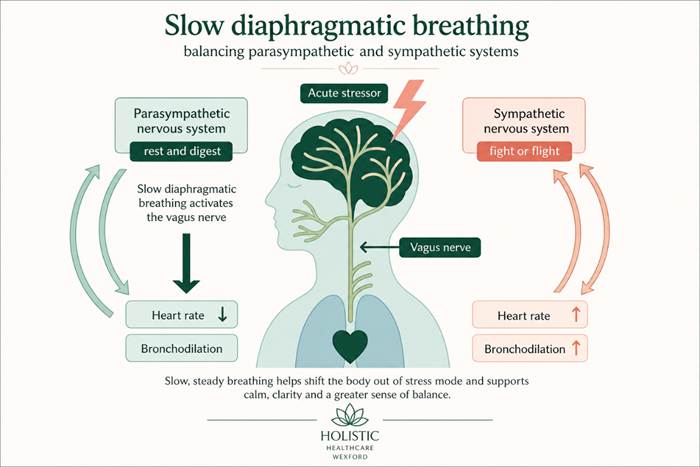
The modern nervous system is under relentless pressure. Notifications, noise, financial strain, emotional demands, poor sleep, overstimulation, shift work, caregiving responsibilities, uncertainty, and the expectation to remain constantly available all place the body into a prolonged state of low-grade stress activation. Over time, this continuous “background stress” can begin affecting both physical and emotional wellbeing.
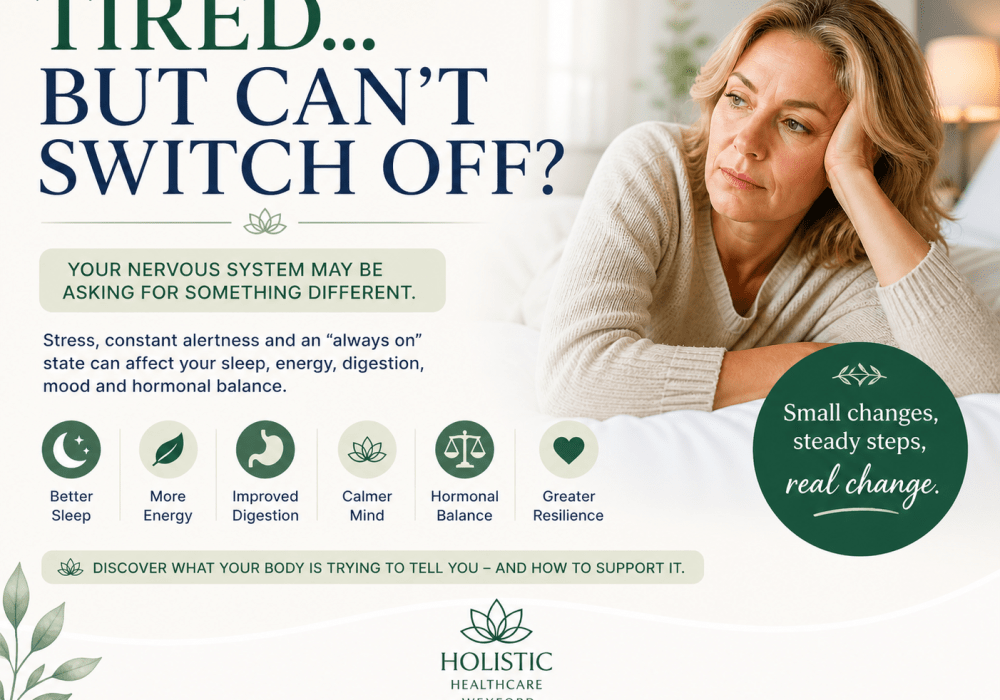
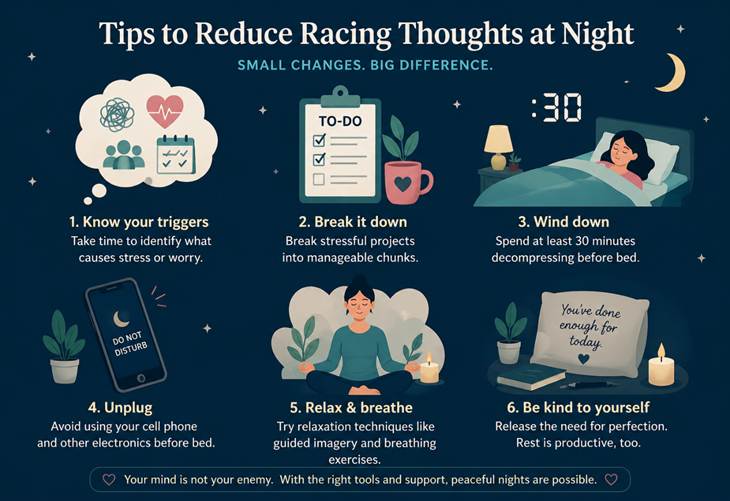
Many individuals describe feeling unable to fully relax, even during rest. They may sit down in the evening physically exhausted, yet mentally unable to switch off. Others wake during the night with racing thoughts, feel tense without obvious reason, or rely heavily on caffeine, sugar, or adrenaline simply to get through the day.
This state is often described as being:
“wired but tired.”
From a physiological perspective, prolonged stress activation affects far more than mood alone. Chronic activation of stress pathways may influence sleep quality, digestion, blood sugar regulation, immune function, inflammation, muscle tension, concentration, hormonal balance, and overall energy production. The body can continue functioning for long periods under stress — but often at the expense of proper restoration and recovery.
Importantly, exhaustion is not always visible.
Many people who are struggling still continue to work, care for families, attend appointments, smile socially, and meet responsibilities. Outward functioning does not always reflect internal wellbeing. Some individuals become so accustomed to operating under stress that exhaustion begins to feel “normal.”
In healthcare settings, this can sometimes create frustration for both patients and practitioners. Investigations may appear broadly reassuring, yet the individual sitting in front of the clinician still feels profoundly unwell, depleted, or disconnected from their usual self. This does not mean symptoms are imaginary. It may instead reflect the complex and multifactorial nature of fatigue itself.
The body has remarkable ways of adapting and compensating. However, adaptation is not the same as restoration.
At some point, the nervous system eventually asks to be listened to.
Rest Is No Longer Truly Rest
One of the quieter changes in modern life is that many people rarely experience genuine rest anymore.
Even during moments that appear restful externally, the mind often remains continuously engaged. Phones, television, social media, news cycles, emails, background noise, and constant streams of information keep the brain stimulated long after the body has physically stopped moving. Silence has become unfamiliar for many people.
There was once greater recognition of recovery as a necessary part of health. Rest was not always viewed as laziness or lack of productivity. Time outdoors, slower evenings, conversation, community, shared meals, and periods of stillness were naturally woven into daily life. Today, many people move from one demand directly into another without any meaningful pause between them.
The body, however, still requires recovery rhythms.
Sleep quantity alone does not necessarily equal restoration. A person may spend eight hours in bed and still wake feeling exhausted if the nervous system has remained in a heightened stress state throughout the night. Emotional strain, unresolved stress, poor sleep quality, hormonal changes, overstimulation, chronic worry, alcohol, excessive screen exposure, irregular schedules, and metabolic imbalance may all affect the body’s ability to properly restore itself during sleep.
Many individuals now describe feeling tired from the moment they wake. Others experience a temporary surge of energy late in the evening, only to struggle sleeping when finally given the opportunity to rest. This pattern of exhaustion combined with internal overstimulation has become increasingly common.
Modern culture often rewards endurance rather than recovery. People are praised for pushing through fatigue, multitasking constantly, remaining available at all hours, and continuing despite obvious exhaustion. Yet the body does not function indefinitely without consequence.
There is also an emotional dimension to exhaustion that is frequently overlooked. Many people are carrying invisible burdens — grief, caregiving responsibilities, financial strain, loneliness, uncertainty, emotional stress, or the simple weight of prolonged overwhelm. Emotional fatigue can manifest physically in profound ways, affecting sleep, appetite, immunity, energy levels, pain perception, and concentration.
Sometimes the body is not failing.
Sometimes it is responding exactly as a chronically overwhelmed human body would be expected to respond.
Rest, therefore, should not be viewed as a luxury. It is a biological requirement. Recovery is not weakness, but part of how the human system repairs, regulates, and continues functioning over time.
When “Normal” Does Not Feel Normal
One of the most difficult experiences for many individuals is being told that everything appears “normal” while continuing to feel profoundly unwell.
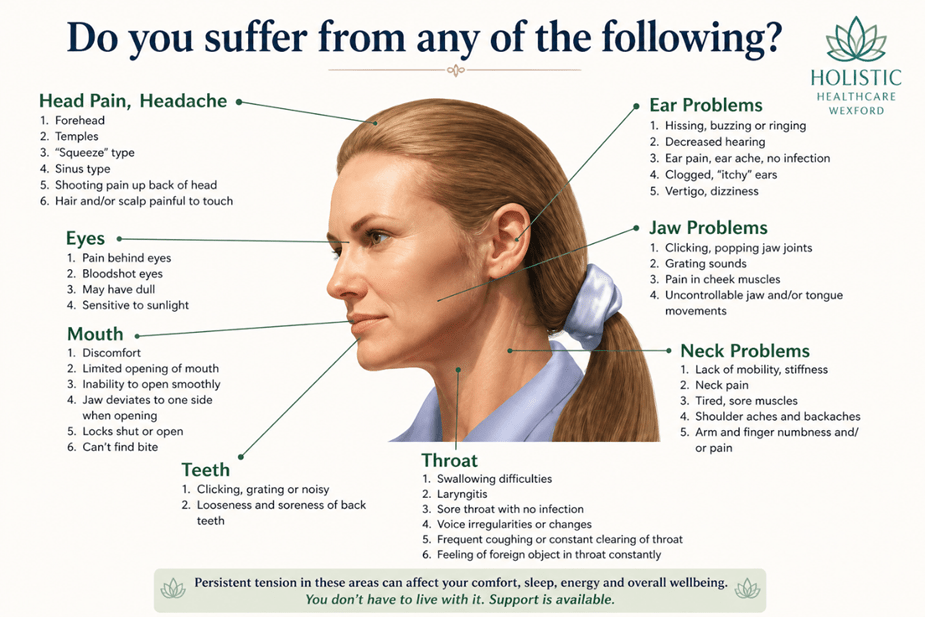
In clinical practice, this situation is increasingly common. Blood tests may fall within laboratory reference ranges, scans may show no major abnormality, and outwardly the individual may appear to be coping reasonably well. Yet underneath this, the person may still be experiencing persistent fatigue, brain fog, poor concentration, low motivation, disrupted sleep, muscle tension, emotional exhaustion, or a general sense that “something is not right.”
This can become deeply frustrating and isolating.
It is important to recognise that laboratory investigations are valuable tools, but they do not always fully capture the lived human experience of stress, depletion, overload, or early physiological imbalance. Health exists on a spectrum, and people do not suddenly move from “well” to “unwell” overnight. Often there is a long period in between where the body is compensating, adapting, and quietly struggling before more obvious dysfunction develops.
Fatigue itself is also rarely caused by one single factor alone.
Poor sleep quality, chronic stress activation, nutritional deficiencies, emotional strain, low sunlight exposure, irregular eating patterns, blood sugar instability, hormonal fluctuations, sedentary lifestyles, inflammatory processes, social isolation, and persistent overstimulation may all interact together over time. Modern exhaustion is often cumulative.
In some cases, people become so accustomed to functioning in survival mode that they no longer recognise what genuine wellbeing feels like. Constant tension, mental busyness, shallow breathing, poor concentration, and low-level exhaustion become accepted as “normal adult life.”
But functioning is not necessarily the same as thriving.
There is also growing recognition within healthcare that stress physiology itself has significant effects throughout the body. Prolonged nervous system activation may influence digestion, immune responses, cardiovascular health, sleep regulation, hormonal balance, pain sensitivity, and energy production. The mind and body are not separate systems operating independently of one another; they are deeply interconnected.
This does not mean every symptom has a simple explanation, nor should persistent fatigue ever be dismissed without appropriate medical assessment. Ongoing exhaustion deserves proper evaluation, particularly when accompanied by symptoms such as weight loss, pain, breathlessness, persistent low mood, fever, neurological symptoms, or significant functional decline.
However, alongside appropriate investigation, there may also be value in asking broader questions:
How is this person sleeping?
How stressed are they?
What are they carrying emotionally?
Are they resting properly?
How nourished is the nervous system itself?
Sometimes healing begins not with finding a dramatic diagnosis, but with recognising that the human body has been attempting to cope with prolonged overload for far too long.
The Loss of Natural Recovery Rhythms
Human beings once lived far more closely alongside the rhythms of nature, light, movement, community, and rest. While modern life has brought extraordinary advances in medicine, technology, and communication, it has also quietly altered many of the basic patterns that once supported physical and emotional wellbeing.
Today, many people spend the majority of their time indoors, under artificial lighting, sitting for prolonged periods, disconnected from natural daylight, fresh air, and restorative environments. Meals are often rushed, sleep schedules irregular, and silence increasingly rare. Even moments of pause are frequently filled with screens, scrolling, or mental stimulation.
The body, however, still responds to ancient biological rhythms.
Natural light exposure influences circadian regulation, sleep quality, hormonal balance, and mood. Gentle movement supports circulation, lymphatic flow, joint health, and nervous system regulation. Time spent outdoors has repeatedly been associated with reduced stress levels, improved mental wellbeing, and improved recovery from cognitive fatigue. Human connection, meaningful conversation, and social belonging also play important roles in emotional resilience and overall health.
Many older traditions understood this instinctively.
- Rest after illness was expected.
- Recovery periods were respected.
- People sat together more.
- Meals were slower.
- Children played outdoors.
- Communities gathered.
- Silence existed naturally within daily life.
Modern society often moves at a pace that leaves little room for these restorative experiences. Productivity has become heavily prioritised, while recovery is frequently postponed until the body forces it through exhaustion, illness, burnout, anxiety, or emotional collapse.
There is also increasing recognition that constant stimulation itself may contribute to fatigue. The human brain is continually processing information — notifications, advertising, headlines, noise, social comparison, emotional content, and endless digital input. Even during periods that appear physically inactive, the nervous system may remain highly engaged.
This continuous demand for attention can gradually erode the body’s capacity for restoration.
For some individuals, healing may not begin with doing more, but with reducing overload. Creating space for recovery does not necessarily require dramatic lifestyle changes. Sometimes the most meaningful interventions are also the simplest:
- better sleep habits,
- regular meals,
- time outdoors,
- gentle movement,
- quiet moments,
- human connection,
- laughter,
- breathing space,
- and permission to rest without guilt.
These are not insignificant things.
They are part of how the human system regulates, repairs, and remembers balance.
Listening to What Exhaustion May Be Saying
Fatigue is often treated as something to fight against, suppress, or simply “push through.” Modern culture frequently encourages people to override the body’s signals in order to remain productive, available, and functioning at all costs. Yet exhaustion itself may sometimes be one of the body’s clearest forms of communication.
The body has remarkable resilience and can compensate for long periods of strain. People often continue caring for others, attending work, meeting responsibilities, and maintaining daily routines long after their internal reserves have become depleted. Eventually, however, the body begins asking for attention in quieter ways:
- persistent tiredness
- poor concentration
- irritability
- sleep disturbance
- muscle tension
- frequent illness
- low motivation
- emotional overwhelm
- or a sense of feeling disconnected from oneself.
These experiences should not automatically be dismissed as weakness, laziness, or personal failure.
In many cases, exhaustion represents the cumulative effect of prolonged stress, insufficient recovery, emotional burden, nutritional imbalance, disrupted sleep, chronic overstimulation, or simply living too long in a constant state of survival mode. The body is not separate from life experience. What a person carries mentally and emotionally often manifests physically over time.
Healthcare itself is increasingly recognising the importance of whole-person approaches to wellbeing. While medical investigation remains essential when symptoms persist, there is also growing awareness that health cannot always be reduced solely to laboratory values or isolated symptoms. Human beings are complex, adaptive systems influenced by physiology, environment, emotion, lifestyle, relationships, and stress.
Sometimes what people need most initially is not another demand placed upon them, but permission to pause long enough to recognise how exhausted they have actually become.
This does not mean abandoning responsibility or avoiding appropriate medical care. Rather, it means acknowledging that restoration is a legitimate and necessary part of health. Rest, nutrition, movement, sleep, emotional support, boundaries, meaningful connection, and nervous system regulation are not luxuries; they are foundational aspects of human wellbeing.
Perhaps one of the most important shifts we can make is moving away from asking:
“How much more can I force myself to endure?”
…and beginning instead to ask:
“What is my body trying to tell me?”
Exhaustion may not always be the enemy.
Sometimes it is the body asking, as gently as it can, to finally be heard.
Conclusion
Perhaps one of the defining characteristics of modern life is that exhaustion has become so common that many people now consider it normal.
People continue functioning while depleted.
They work while exhausted.
Care for others while emotionally overwhelmed.
Push through stress while disconnected from recovery, rest, and restoration.
Yet the human body was never designed to exist in a constant state of pressure without consequence.
Fatigue is rarely caused by one single issue alone. More often, it reflects the combined effects of prolonged stress, poor recovery, emotional burden, nutritional imbalance, disrupted sleep, overstimulation, environmental pressures, and the gradual loss of the natural rhythms that once supported human wellbeing.
Importantly, exhaustion should not simply be ignored, normalised, or dismissed. Persistent fatigue deserves appropriate medical assessment and careful clinical evaluation, particularly where symptoms are ongoing, worsening, or accompanied by other physical or psychological concerns. At the same time, there is also value in recognising that many individuals today are living under levels of sustained stress and overload that the body is quietly struggling to adapt to.
Modern healthcare faces an important challenge: not only treating disease, but understanding the growing gap between outward functioning and genuine wellbeing.
- Listening matters
- Rest matters.
- Recovery matters.
- Human connection matters
Sometimes the most important step is not pushing harder, but creating enough stillness to recognise that the body has been asking for help for quite some time.
As both healthcare professionals and individuals, perhaps we need to begin viewing exhaustion not simply as an inconvenience to overcome, but as a signal worthy of attention, compassion, and deeper understanding.
Because perhaps the real question is not only:
“Why are we so tired?”
…but also:
“What kind of life have we created that so many people no longer remember what true rest feels like?”
I hope you feel inspired. Look after your body, and it will keep you healthy.
Catherine

CWD | 22.May. 2026 | Ireland
Holistic Healthcare Wexford
Integrative · Mindful · Patient-Centred
About the Author
Dr Catherine W. Dunne MSc.D. is a Registered General Nurse with over 37 years of clinical experience in primary care in Ireland. Alongside her work in General Practice Nursing, she is the founder of Holistic Healthcare Wexford and co-founder of Aumvedas Academy.
With a background that bridges conventional medicine and holistic practice, Catherine has a particular interest in the area where patients are often told “everything is normal,” yet still feel unwell. Her work focuses on helping people understand what their body is communicating, especially in relation to energy, stress, metabolic function, and recovery.
Through a combination of clinical knowledge and holistic support, she works with individuals to restore balance, improve resilience, and support long-term wellbeing.
Based in Wexford, Ireland.
Disclaimer
This article is for informational and educational purposes only and is not intended as medical advice. It does not replace consultation with a qualified healthcare professional. Patients should always seek appropriate medical guidance regarding their individual health needs and before making changes to treatment or care.






 Holistic Healthcare Wexford