Low Mood? Here’s Why St John’s Wort Isn’t as Simple as Many People Think
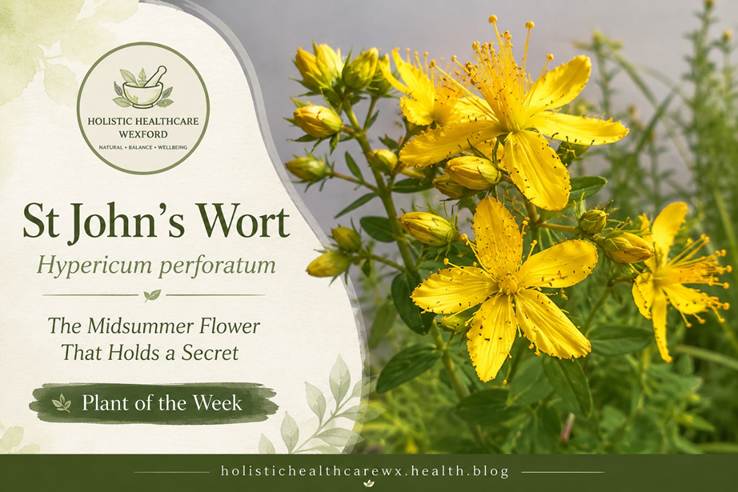
The Midsummer Flower That Holds a Secret
There is something magical about St John’s Wort.
Every year, as midsummer arrives and the days reach their longest, bright golden flowers begin to appear in gardens, hedgerows and field margins. For centuries, people have watched for its arrival, gathering it around St John’s Day and weaving it into folklore, healing traditions and seasonal celebrations.
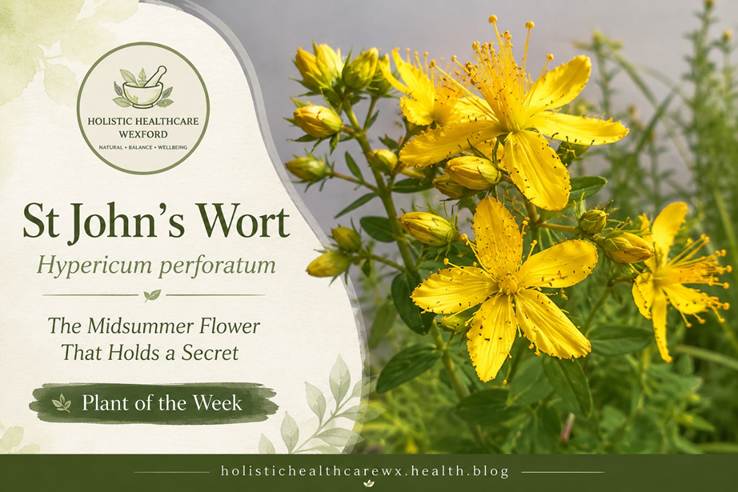
Today, many people recognise the name St John’s Wort, yet surprisingly few would recognise the plant itself.
For me, the story began with a packet of seeds.
After nurturing the plants and watching them grow, there is a certain satisfaction in finally seeing the first golden flowers open. Suddenly, a plant that had existed only in books and herb guides was standing there in the garden, alive and thriving.
By Dr Catherine W Dunne MSc.D | M.H.I.T. | Registered Nurse
Meeting St John’s Wort
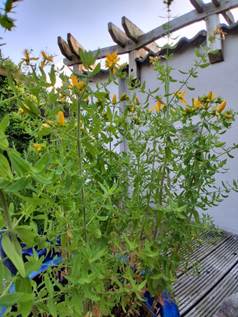
St John’s Wort (Hypericum perforatum) is a perennial herb native to Europe and now found throughout many parts of the world.
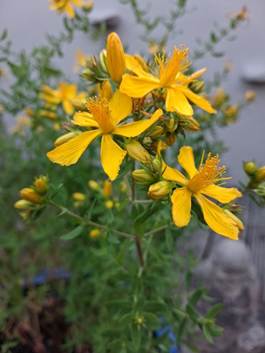
At first glance, the flowers appear simple enough: five bright yellow petals surrounding a cluster of golden stamens. Yet a closer look reveals tiny black dots scattered along the petal edges.
These dark markings are one of the plant’s distinguishing features and help with identification.
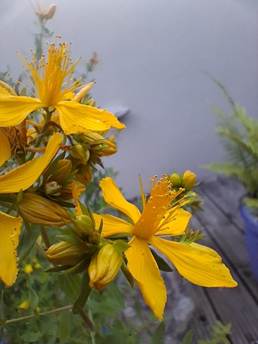
The plant itself grows upright, often reaching 60–100 cm in height. Slender stems branch freely, producing clusters of flowers throughout summer.
Why Is It Called Perforatum?
The species name perforatum means “perforated.”
Of course, the leaves are not actually full of holes.
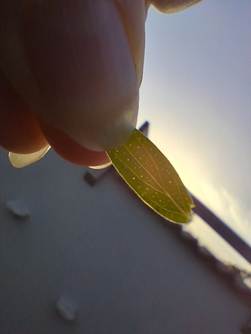
Hold a leaf up to the sunlight, however, and hundreds of tiny translucent dots suddenly become visible. They look as though someone has carefully pierced the leaf with a fine needle.
These oil glands are one of the classic identifying characteristics of St John’s Wort.
The first time I saw them, I understood exactly why the plant had earned its botanical name.
Nature often rewards those willing to look a little closer.
A Plant of Midsummer
Few herbs are more closely associated with midsummer than St John’s Wort.
Traditionally, the plant was gathered around St John’s Day on the 24th of June, close to the summer solstice. Across Europe it became associated with protection, light, vitality and wellbeing.
The timing is fitting.
Just as the sun reaches its greatest strength, the plant bursts into bloom with flowers that seem to capture that same golden energy.
Whether viewed through folklore, symbolism or simple appreciation of nature, it is difficult not to see why generations before us held this plant in such regard.
The Red Secret Hidden Within
For all its bright yellow beauty, St John’s Wort holds a remarkable secret.
Crush one of the flower buds gently between your fingers and a deep crimson-red pigment appears.
It is completely unexpected the first time you witness it.
The yellow flower suddenly produces a colour that resembles red wine or ruby oil.
For centuries this transformation fascinated herbalists and helped inspire the preparation of the famous deep-red St John’s Wort oils that are still made today.

The sight of that red staining is often the moment when people truly fall in love with the plant.
Traditional Uses
Historically, St John’s Wort has been used in many ways.
Traditional herbalists prepared oils from the flowers for external applications and created tinctures and infusions from the aerial parts of the plant.
Like many herbs with a long history of use, it carries a rich body of traditional knowledge that spans centuries.
Modern interest in St John’s Wort has brought scientific attention to the plant, but for many gardeners and herbal enthusiasts its appeal goes beyond research papers and textbooks.
Sometimes a plant earns its place simply because it is beautiful, fascinating and deeply woven into our cultural history.
Final Thoughts
Some plants impress through fragrance.
Others through flavour.
St John’s Wort captivates through curiosity.
From its golden flowers and perforated leaves to the surprising crimson pigment hidden within its buds, it continually invites us to look more closely.
This summer, if you happen to see a patch of bright yellow flowers dancing in the sunshine, take a moment to stop.
Look at the petals.
Hold a leaf to the light.
And perhaps discover for yourself why this remarkable herb has fascinated people for generations.
I hope you feel inspired. Look after your body, and it will keep you healthy.
Catherine

CWD | 24 June 2026 | Ireland
Holistic Healthcare Wexford
Integrative · Mindful · Patient-Centred
About the Author
Dr Catherine W. Dunne MSc.D. is a Registered General Nurse with over 37 years of clinical experience in primary care in Ireland. Alongside her work in General Practice Nursing, she is the founder of Holistic Healthcare Wexford and co-founder of Aumvedas Academy.
With a background that bridges conventional medicine and holistic practice, Catherine has a particular interest in the area where patients are often told “everything is normal,” yet still feel unwell. Her work focuses on helping people understand what their body is communicating, especially in relation to energy, stress, metabolic function, and recovery.
Through a combination of clinical knowledge and holistic support, she works with individuals to restore balance, improve resilience, and support long-term wellbeing.
Based in Wexford, Ireland.
Disclaimer
This article is for informational and educational purposes only and is not intended as medical advice. It does not replace consultation with a qualified healthcare professional. Patients should always seek appropriate medical guidance regarding their individual health needs and before making changes to treatment or care.


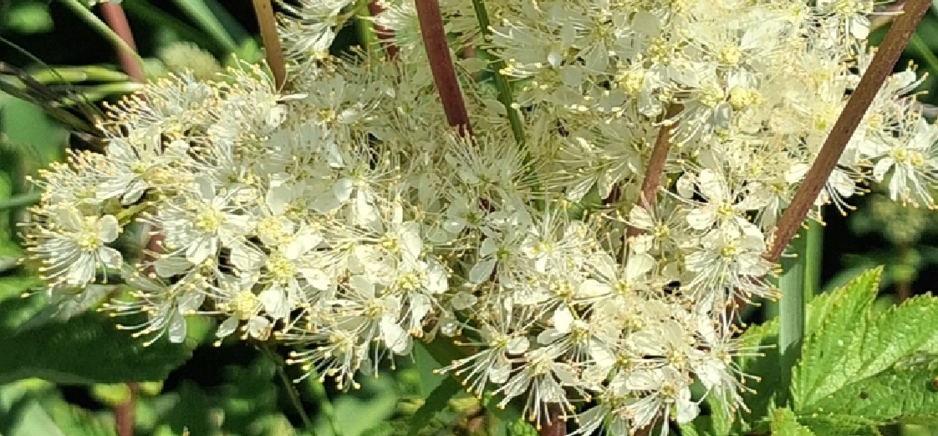


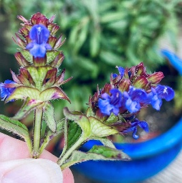
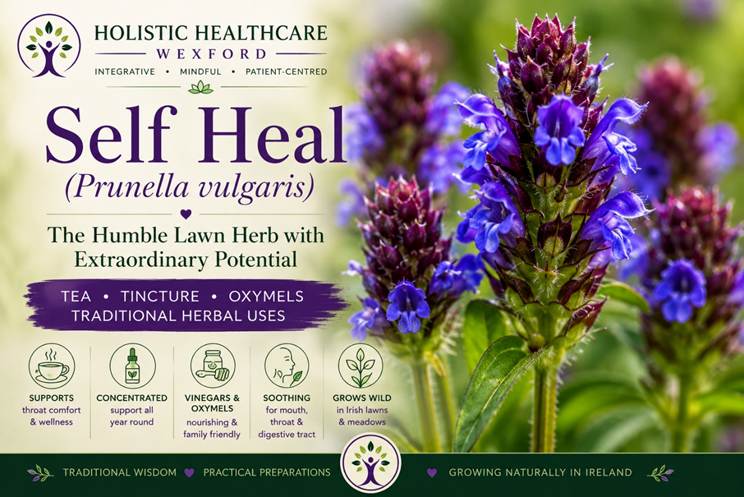
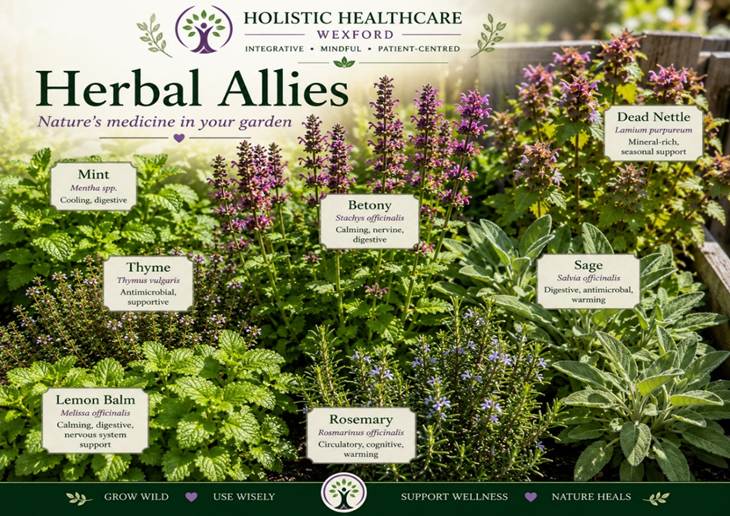


 combines beautifully with apple cider vinegar and honey.
 Holistic Healthcare Wexford