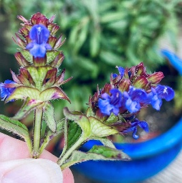
Walk through almost any wildflower meadow or unmown lawn in Ireland during summer and you may find a small purple flower quietly growing beneath your feet. Known as Self Heal, Heal-All, or Carpenter’s Herb, Prunella vulgaris has earned a reputation over centuries as one of nature’s most versatile healing plants.
Despite its modest appearance, Self Heal has been valued in traditional European, Chinese, and Native American herbal medicine for generations.
By Dr Catherine W Dunne MSc.D | M.H.I.T. | Registered Nurse
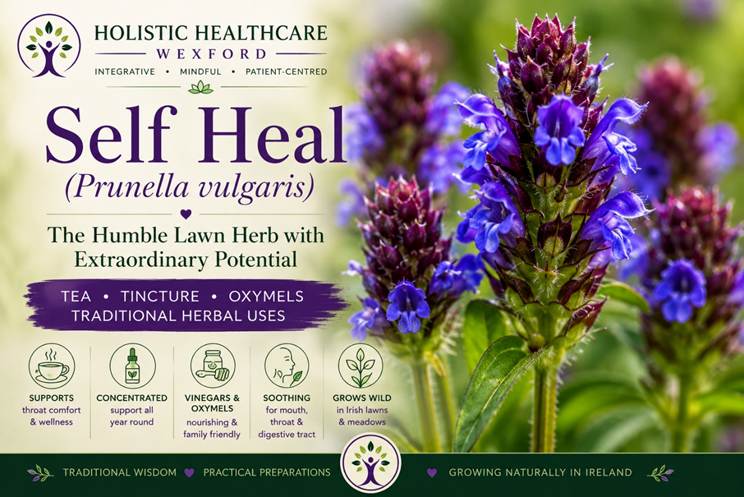
A Plant with a Long History
The common name “Self Heal” reflects the herb’s traditional reputation for supporting the body’s natural restorative processes. Historically, it was used both internally and externally for wounds, sore throats, digestive complaints, and periods of convalescence following illness.
Traditional herbalists often regarded Self Heal as a herb that helped restore balance when the body was under stress or recovering from physical challenges.
Modern Interest in Prunella
Modern research has identified a range of naturally occurring compounds within Prunella, including:
- Rosmarinic acid
- Flavonoids
- Tannins
- Triterpenes
- Polysaccharides
These compounds are being studied for their antioxidant, soothing, and immune-supportive properties.
While research continues, traditional use remains one of the strongest guides to understanding this remarkable plant.
How to Recognise Self Heal
Self Heal belongs to the mint family (Lamiaceae), a large family of plants that includes familiar herbs such as Mint, Thyme, Sage, Lemon Balm, Rosemary, Betony, Ground Ivy and Dead Nettle. While many mint-family plants are aromatic, others such as Self Heal and Dead Nettle have little noticeable scent but still display the family’s characteristic square stems and opposite leaves.
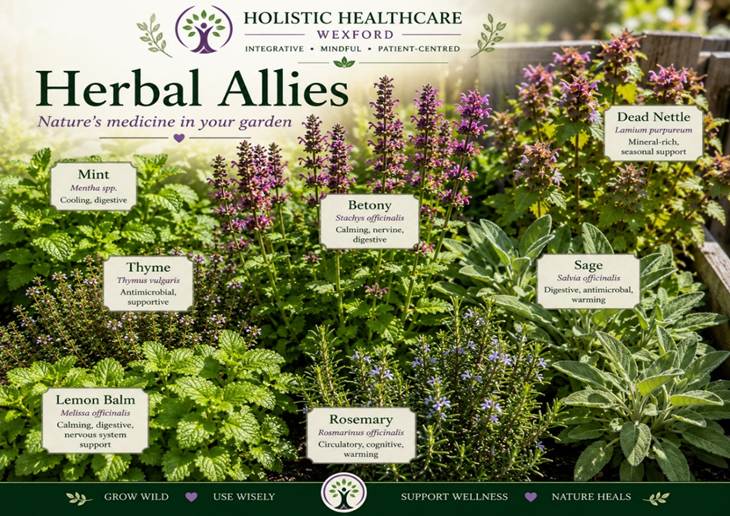
Like many members of the mint family, Self Heal displays several distinctive characteristics:
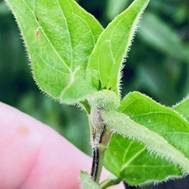
- A square stem rather than a round stem
- Opposite pairs of leaves growing directly across from each other
- Fine hairs on the stems and leaves
- Purple or reddish tinges on stems and flower bracts
- Dense flower heads formed from stacked bracts
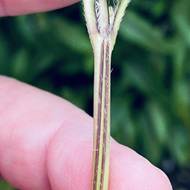
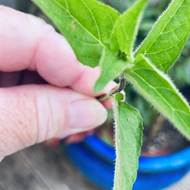

The flowers are typically blue-violet to purple and emerge from a compact, cone-like flowering head. As the flowers open, they appear in rings around the flower spike, creating the distinctive appearance that makes Self Heal easy to recognise once in bloom.
The leaves are oval to lance-shaped with gently toothed margins and are usually slightly hairy. Young plants can look quite different from mature flowering specimens, often appearing as low-growing clusters of leaves before sending up flowering stems.
Self Heal commonly grows in lawns, meadows, field margins, pathways, and other grassy areas throughout Ireland. It often thrives where mowing is infrequent, creating beautiful patches of purple flowers during summer.
Once you learn to recognise the square stems, opposite leaves, and distinctive flower heads, you may be surprised to discover how often Self Heal has been growing unnoticed beneath your feet.
Self Heal as a Tea
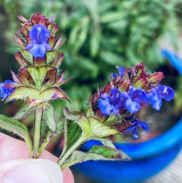
One of the simplest ways to use Self Heal is as an herbal tea.
Traditionally enjoyed for:
- Sore throats and hoarseness
- Mouth and gum comfort
- Digestive upset
- Seasonal wellness
- General convalescence and recovery
The dried flowering tops and leaves make a mild, pleasant tea that combines well with:
- Plantain
- Betony
- Lemon Balm
- Meadowsweet
- Thyme

For many herbalists, Self Heal tea is a valuable addition to the winter medicine cupboard.
Self Heal as a Tincture
Fresh or dried flowering tops can be extracted in alcohol to create a tincture.
Traditional uses include:
- Supporting normal immune function
- Swollen glands and throat discomfort
- Seasonal challenges
- General constitutional support
A tincture offers a concentrated preparation and provides a convenient way to use the herb throughout the year.
Self Heal in Vinegars and Oxymels
Self Heal 
An oxymel containing Self Heal, Thyme, Plantain, and seasonal herbs has traditionally been used to support:
- Winter wellness
- Throat comfort
- Respiratory health
- Family immune support
The addition of honey makes this preparation especially suitable for children and those who dislike herbal teas.
External Uses
Traditionally, Self Heal was used externally as:
- A wash for minor skin irritations
- A compress for cuts and abrasions
- A soothing rinse for the mouth and throat
These uses contributed greatly to the herb’s reputation as a “heal-all” plant.
Harvesting Self Heal
The best time to harvest Self Heal is when the flower heads are fully developed and actively flowering.
Harvest on a dry day after the morning dew has evaporated.
The flowering tops can be:
- Dried for tea
- Tinctured fresh
- Added to vinegars
- Used in oxymels
- Infused into oils
Self Heal for Hoarseness, Reflux and Recovery
One of the most interesting modern uses of Self Heal may be in supporting irritated tissues of the mouth, throat, and upper digestive tract.
Many people experience symptoms such as:
- Persistent throat clearing
- Hoarseness
- A burning sensation behind the breastbone
- A feeling of throat irritation despite normal investigations
- Lingering throat sensitivity following viral illnesses
Traditionally, herbalists often turned to soothing and restorative herbs when tissues appeared irritated or inflamed.
Self Heal combines particularly well with:
- Plantain (Plantago spp.)
- Betony (Stachys officinalis)
- Thyme (Thymus vulgaris)
Together these herbs create a gentle tea traditionally used to support throat comfort and general respiratory wellbeing.
While Self Heal is not a replacement for medical assessment or prescribed treatment, many people find herbal teas containing these plants offer a soothing and supportive addition to their overall care plan.
Traditionally, Self Heal has also been valued as a restorative herb during periods of convalescence, particularly when the throat, mouth, or upper digestive tract remain sensitive following illness.
Why Self Heal Has Earned a Place in My Herbal Garden
Over recent years, Self Heal has become one of the herbs I reach for most often. Although frequently overlooked as a common lawn flower, I have found it combines beautifully with Plantain, Betony and Thyme in teas intended to support throat comfort, hoarseness and seasonal wellness.
Each summer I harvest and dry the flowering tops for use throughout the winter months. It is one of the simplest, most accessible, and most versatile herbs growing naturally in the Irish landscape.
Sometimes the most valuable remedies are not found in distant rainforests or exotic mountain ranges. Sometimes they are growing quietly beneath our feet.
A Final Thought
In an age where many people search for exotic herbs from distant countries, Self Heal reminds us that some of the most valuable plants may already be growing beneath our feet.
Small, resilient, and quietly powerful, Prunella vulgaris continues to live up to its ancient reputation as one of nature’s most trusted herbal allies.
I hope you feel inspired. Look after your body, and it will keep you healthy.
Catherine

CWD | 21 June 2026 | Ireland
Holistic Healthcare Wexford
Integrative · Mindful · Patient-Centred
About the Author
Dr Catherine W. Dunne MSc.D. is a Registered General Nurse with over 37 years of clinical experience in primary care in Ireland. Alongside her work in General Practice Nursing, she is the founder of Holistic Healthcare Wexford and co-founder of Aumvedas Academy.
With a background that bridges conventional medicine and holistic practice, Catherine has a particular interest in the area where patients are often told “everything is normal,” yet still feel unwell. Her work focuses on helping people understand what their body is communicating, especially in relation to energy, stress, metabolic function, and recovery.
Through a combination of clinical knowledge and holistic support, she works with individuals to restore balance, improve resilience, and support long-term wellbeing.
Based in Wexford, Ireland.
Disclaimer
This article is for informational and educational purposes only and is not intended as medical advice. It does not replace consultation with a qualified healthcare professional. Patients should always seek appropriate medical guidance regarding their individual health needs and before making changes to treatment or care.
 Holistic Healthcare Wexford