By Dr Catherine W. Dunne, MSc.D., RGN (GPN), M.H.I.T. Holistic Healthcare Wexford
YOU ARE NOT IMAGINING IT
Many people are told the same thing: “Your blood tests are normal.” And yet… you don’t feel normal.
Your energy is low. Your sleep isn’t refreshing. Your mood feels flat, anxious, or unpredictable. Your body just doesn’t feel right.
This is more common than you might think. And importantly: It does not mean nothing is wrong.
NORMAL” DOES NOT MEAN OPTIMAL
Standard blood tests are designed to detect disease. They are not designed to assess how well your body is functioning day to day.
A result can sit comfortably within range, yet still be:
low for your individual needs
poorly utilised by the body
insufficient during times of stress or recovery
This is where many people fall through the gap.
IT’S NOT JUST WHAT YOU TAKE, IT’S WHAT YOUR BODY CAN USE
You might be:
eating well
taking supplements
doing all the right things
And still feel depleted.
Why?
Because the body relies on multiple steps:
digestion
absorption
transport
cellular uptake
If any part of that chain is under strain, you can feel the effects long before anything shows up on a lab report.
THE MISSING PIECE IS OFTERN THE NERVOUS SYSTEM
One of the most overlooked factors is nervous system load. Modern life keeps the body in a constant state of low-grade stress, ongoing alertness, and overstimulation. Over time, this begins to affect energy production, sleep quality, digestion, and hormone balance.
Many people describe it simply as: “I can’t switch off.” That alone can keep the body from restoring properly.
THIS IS WHERE WHOLISTIC CARE COMES IN.
In practice at Holistic Healthcare Wexford, this pattern shows up more and more frequently. People often arrive feeling dismissed, frustrated, and unsure where to turn next. This work is not about replacing medical care. It is about supporting the body’s function, identifying where things are under strain, and helping the system return to balance.
This may include nervous system support, targeted nutritional guidance, and gentle, body-led therapies.
YOU ARE NOT “FINE”. YOU ARE EARLY.
Feeling “off” is often an early signal, not a dead end.
Your body is communicating. It just hasn’t reached the point of disease. And that is exactly where the greatest opportunity for change exists.
WHAT YOU CAN DO NEXT
If this resonates with you, start simple:
Pause and acknowledge how you actually feel
Look at your sleep, stress, and daily load
Do not dismiss your symptoms just because tests are “normal”
If you feel you need support:
A holistic consultation can help you make sense of what your body is showing you and what to do next.
FINAL THOUGHT
You know your body. If something feels off, it is worth listening. Not everything shows up on paper. But that does not make it any less real.
I hope you feel inspired. Look after your body, and it will keep you healthy.
Catherine
CWD 01 April 2026/Ireland
About the Author
Dr Catherine W. Dunne is a Registered General Nurse with over 37 years of clinical experience in primary care in Ireland. Alongside her work in General Practice Nursing, she is the founder of Holistic Healthcare Wexford and co-founder of Aumvedas Academy.
With a background that bridges conventional medicine and holistic practice, Catherine has a particular interest in the area where patients are often told “everything is normal,” yet still feel unwell. Her work focuses on helping people understand what their body is communicating, especially in relation to energy, stress, metabolic function, and recovery.
Through a combination of clinical knowledge and holistic support, she works with individuals to restore balance, improve resilience, and support long-term wellbeing.
Based in Wexford, Ireland.
Disclaimer
The information provided in this article is for educational purposes only and is not intended as medical advice. Always consult a qualified healthcare professional before starting any new supplement or health intervention.
You can take Vitamin D, Magnesium, and Calcium—and still not get the results you expect. Sometimes, the missing piece is not what you take, but what helps your body use it.
By Dr Catherine W. Dunne, MSc.D., RGN (GPN) Holistic Healthcare Wexford
Boron is one of those nutrients.
It may only be required in trace amounts, but its impact on bone health, hormones, inflammation, and Vitamin D function makes it a valuable addition to a well-structured health plan.
Bone Health: More Than Just Calcium
When it comes to bones, most people think of Calcium. But Calcium alone is only part of the picture.
Boron helps the body to improve Calcium retention, enhance Magnesium utilisation, and support Vitamin D activation. This creates a more efficient system for maintaining bone density and strength.
Emerging research also suggests Boron may help reduce joint discomfort and stiffness, particularly in osteoarthritis, by supporting a balanced inflammatory response.
In clinical practice, this is often seen in patients whose bone markers or symptoms do not improve despite adequate Calcium and Vitamin D intake.
A Natural Anti-Inflammatory Support
Chronic, low-grade inflammation is at the root of many modern health concerns.
Boron has been shown to reduce inflammatory markers such as CRP, modulate immune responses, and support tissue recovery.
This makes it a useful addition in cases of joint pain, post-viral fatigue, and general inflammatory states.
In clinical settings, this may be relevant in patients presenting with persistent low-grade inflammatory symptoms.
Hormonal Balance: A Quiet Regulator
One of Boron’s most interesting roles is its influence on hormones.
It has been shown to influence free testosterone levels, support healthy oestrogen metabolism, and reduce sex hormone binding globulin (SHBG).
This means more hormones are available in their active form, which may benefit perimenopause, menopause, and low energy states.
Boron and Vitamin D: A Powerful Partnership
Boron plays a supportive role in how the body uses Vitamin D.
It helps extend the half-life of Vitamin D, improve Magnesium efficiency, and support proper Calcium direction alongside Vitamin K2.
Together, Vitamin D, Magnesium, Vitamin K2, and Boron create a more balanced and effective system.
Boron may also play a supportive role in thyroid function through its interaction with mineral balance and hormone regulation.
This is how these nutrients work together in the body:
Cognitive and Nervous System Support
Low Boron intake has been associated with reduced concentration, slower cognitive processing, and brain fog.
Adequate levels may support mental clarity and neurological function.
Dietary Sources of Boron
Boron is found naturally in avocados, raisins, prunes, nuts (especially almonds), and leafy green vegetables.
However, modern diets often provide lower than optimal intake.
Supplementation
Typical intake ranges from 3 mg daily for general support, with 6 mg often used in short-term therapeutic protocols.
There is rarely a need to exceed this range.
Safety Considerations
Avoid high doses in pregnancy and use caution in kidney disease. As with all nutrients, balance is key.
Clinical Perspective
Boron is often the missing link in protocols where bone support, Vitamin D response, hormonal balance, or inflammation management are not progressing as expected.
Final Thoughts
Boron helps the body use what is already there more efficiently. In many cases, health does not improve because something is missing but because what is already there is not being used properly.
Boron does not replace your core nutrients, it helps them work properly.
I hope you feel inspired. Look after your body, and it will keep you healthy.
Catherine
CWD 27 March 2026/Ireland
About the Author
Dr Catherine W. Dunne MSc.D., RGN, M.H.I.T. is a nurse, holistic practitioner, and educator based in Wexford, Ireland. With over 35 years of experience in healthcare and energy-based healing modalities, she integrates conventional medical knowledge with holistic approaches to support whole-person well-being.
Catherine is the founder of Holistic HealthCare Wexford and co-founder of Aumvedas Academy, where she teaches courses in holistic health, energy medicine, and integrative healing practices.
Her work focuses on empowering people to understand the body as an intelligent system capable of healing when supported with the right knowledge, nutrition, and energetic balance.
Learn more: Holistic HealthCare Wexford Aumvedas Academy
Disclaimer
The information provided in this article is for educational purposes only and is not intended as medical advice. Always consult a qualified healthcare professional before starting any new supplement or health intervention.
This article explores why some wounds become slow to heal, looking at common underlying factors such as hidden infection, inflammation, and the body’s internal healing environment, and how a more supportive, integrative approach may help restore the natural healing process.
By Dr Catherine W. Dunne, MSc.D., RGN (GPN)
If you’ve ever had a wound that seemed to linger far longer than it should, you’ll know how frustrating it can be.
It starts small. A cut. A graze. A surgical site. Then weeks pass… and it’s still there.
For some people, especially those with diabetes, circulatory issues, or ongoing inflammation, wounds can become slow, stubborn, and difficult to manage.
But here’s the part many people are never told:
👉 Not all wounds fail to heal because of the skin.
Very often, the issue lies beneath the surface.
The Hidden Problem: Why Healing Gets Stuck
In clinical practice, delayed wound healing is usually linked to three key factors:
1. Persistent Low-Level Infection
Even when a wound doesn’t look obviously infected, bacteria can still be present.
These microbes don’t always behave in the way we expect. They don’t just sit on the surface, they organise themselves.
2. Biofilm Formation (The “Invisible Shield”)
Bacteria can form what’s known as a biofilm, a protective layer that acts like a shield.
Inside this structure:
bacteria become harder to kill
standard treatments may struggle to reach them
the wound remains in a prolonged inflammatory state
This is one of the main reasons wounds become chronic.
3. Ongoing Inflammation
When the body senses something isn’t right, it stays in “repair mode.”
But if that phase never switches off:
healing slows
tissue regeneration is impaired
the wound can stall completely
Why Standard Treatments Don’t Always Work
Modern wound care is excellent in many ways, particularly with:
advanced dressings
infection control
moisture balance
But even with the best care, some wounds:
plateau
re-open
or simply refuse to progress
This is where we begin to look at adjunctive approaches, methods that support the body rather than replace standard care.
A Quietly Powerful Tool: Silver in Wound Care
Silver has been used in wound care for centuries. In modern practice, it is commonly found in specialised dressings used in hospitals and community settings.
Its value lies in its ability to:
reduce harmful bacteria in the wound
interfere with how bacteria grow and spread
support a cleaner environment for healing
This can be particularly helpful in wounds that appear clean but are not progressing.
More recently, there has been growing interest in colloidal silver, which contains very small (nano-sized) particles suspended in solution.
Research and clinical observation suggest it may:
help reduce the number of bacteria present
disrupt protective layers that bacteria form to shield themselves (known as biofilms)
support a more balanced healing environment
Importantly, when used appropriately, it is considered an adjunct, meaning it works alongside standard wound care rather than replacing it.
A Holistic View of Wound Healing
From a holistic perspective, wound healing is never just about the skin. It involves:
circulation
immune function
how the body produces and uses energy, regulates blood sugar, and controls inflammation
balanced inflammation response
And sometimes, small supportive interventions can help the body return to a natural healing state.
Final Thoughts
If a wound is slow to heal, it does not mean the body has failed. It usually means something is getting in the way.
Understanding factors such as infection, biofilm, and inflammation can make a significant difference in how we approach care. When appropriate, integrating supportive therapies alongside standard treatment may help support the healing process.
This article is intended to support understanding and awareness of wound healing and does not replace individual clinical assessment or care. It usually means something is getting in the way of the natural healing process.
I hope you feel inspired. Look after your body, and it will keep you healthy.
Catherine
CWD 20 March 2026/Ireland
ABOUT THE AUTHOR
Dr Catherine W. Dunne, MSc.D., RGN (GPN), is an experienced General Practice Nurse based in Ireland, with over 37 years of clinical experience, including more than three decades in Irish primary care.
She has a strong clinical background in chronic disease management and wound care, with a particular interest in community-based treatment approaches. Her early nursing training in Germany included exposure to both conventional and complementary wound-care practices, shaping her integrative clinical perspective.
In addition to her nursing work, Dr Dunne is the founder of Holistic Healthcare Wexford and co-founder of Aumvedas Academy, where she provides education in integrative health approaches.
Her work focuses on bridging evidence-based medicine with practical, patient-centred care in modern clinical practice.
Before assuming something complex is wrong, it is always wise to make sure the body has the nutrients it quietly depends on every day.
Dr Catherine W. Dunne MSc.D., RGN Holistic HealthCare Wexford & Aumvedas Academy Nurse, Medical Intuitive and Holistic Practitioner
They do not arrive with much fanfare. They are not advertised everywhere. And yet, when they begin to run low, the body starts sending little signals that something is not quite right.
Zinc is one of those nutrients.
It plays a role in hundreds of processes throughout the body — immunity, digestion, hormone balance, brain chemistry, sleep regulation, wound healing, and how well we cope with stress.
In practice, I often see people struggling with a collection of symptoms rather than a single complaint. Poor sleep, frequent infections, low resilience to stress, digestive discomfort, brain fog, or stubborn fatigue.
Sometimes the missing piece is not complicated at all. Sometimes it is simply that the body has run a little short of the minerals it depends on every day. And zinc is one of the most important of those.
Here are five early signs your body may be asking for more zinc:
Why zinc matters so much
Zinc is involved in more than 300 enzyme reactions in the body and influences thousands of cellular processes.
It supports:
immune defence
wound healing
skin repair
hormone production
pancreatic function
neurotransmitter balance
cognitive performance
antioxidant protection
tissue growth and repair
It also plays an important role in the brain, thymus gland, digestive system, and stress response.
In other words, zinc is deeply woven into how the body maintains balance.
Early signs zinc may be running low
Zinc deficiency rarely announces itself dramatically in the beginning. Instead, it tends to show up as small persistent changes that people often dismiss.
Some early clues may include:
reduced taste or smell
poor appetite
bloating or digestive discomfort
slow wound healing
frequent colds or infections
white spots on fingernails
thinning hair
low mood
poor sleep
reduced stress tolerance
None of these symptoms alone proves a deficiency, of course. But when several appear together, it is often worth taking a closer look at nutritional foundations.
Zinc, stress and the cortisol connection
Modern life places the body under considerable stress — emotional stress, work stress, sleep disruption, inflammation, infections, and environmental factors.
One of the body’s main stress hormones is cortisol.
In short bursts, cortisol is helpful. It allows us to respond quickly and manage challenges. But when stress becomes chronic, cortisol can begin to disrupt several systems in the body.
One of the things chronic stress does is increase zinc loss.
At the same time, zinc is needed to support the immune system, regulate inflammation, and stabilise the nervous system. So when stress increases, the body may actually require more zinc, while at the same time losing more of it.
Over time this can become a loop:
stress increases cortisol ↓ cortisol contributes to zinc depletion ↓ low zinc reduces resilience ↓ fatigue and inflammation rise ↓ stress becomes harder to manage
Breaking that cycle sometimes begins with restoring the body’s basic nutritional building blocks.
Zinc and the immune system
Zinc is essential for the healthy function of the thymus gland, which sits behind the breastbone.
The thymus plays a central role in the development of T-cells, the immune cells that help recognise and fight infections.
When zinc levels fall, the thymus becomes less active and immune resilience can decline. This may partly explain why people with low zinc status sometimes notice that they seem to “catch everything” going around.
As we age, thymus activity naturally declines, which makes maintaining good zinc levels even more relevant.
Zinc and the brain
The brain contains surprisingly high concentrations of zinc.
It participates in the regulation of several neurotransmitters including:
dopamine
serotonin
GABA
glutamate
These chemical messengers influence mood, motivation, attention, memory, and sleep.
When zinc levels are suboptimal, people may notice changes such as:
brain fog
reduced concentration
lower mood
mental fatigue
disrupted sleep patterns
This is one reason zinc has attracted increasing attention in research around mood, cognitive function, and attention regulation.
A quiet conversation around attention and ADHD
Something I hear more often now in practice is adults wondering whether long-standing struggles with focus, motivation or mental organisation may be related to ADHD.
Many adults are seeking assessments for the first time in their lives.
While ADHD is a complex neurodevelopmental condition with many contributing factors, nutrition does influence brain chemistry in meaningful ways.
Zinc, for example, plays a role in dopamine metabolism, a neurotransmitter that is strongly linked with attention, reward signalling, and motivation.
Several studies have found that some children — and adults — with attention difficulties show lower zinc levels than average.
This does not mean zinc deficiency causes ADHD. Human biology is never that simple.
But it does remind us that before labelling the brain as “broken”, it is wise to make sure the body has the nutritional tools it needs to function well.
Sometimes the brain is not faulty. Sometimes it is simply under-supported.
What if you do not eat shellfish or red meat?
Oysters and shellfish are among the richest sources of zinc in the human diet. Red meat is another significant contributor.
If these foods are not eaten, zinc intake can become marginal over time, especially if the diet is high in grains and legumes.
Plant foods contain phytates, which reduce zinc absorption.
Vegetarians and vegans can absolutely maintain good zinc status, but it requires a little more intention.
Helpful plant sources include:
pumpkin seeds
sesame seeds or tahini
cashews
chickpeas
lentils
hemp seeds
Traditional preparation methods such as soaking, sprouting and fermenting help improve mineral absorption from plant foods.
Does fish oil provide zinc?
No.
Omega-3 fish oils contain fatty acids such as EPA and DHA, but they do not provide meaningful amounts of zinc. Minerals remain in the tissue of the food, not in the extracted oil.
Whole foods provide minerals. Oils provide fats.
Both have their place, but they are not interchangeable.
Should zinc be taken with copper?
Zinc and copper work together in the body and need to remain balanced.
Taking higher doses of zinc for long periods can gradually reduce copper absorption. Copper is important for iron metabolism, connective tissue health and nervous system function.
For this reason, many practitioners recommend ensuring copper intake remains adequate when zinc is supplemented for several months.
Nature often balances these minerals together in foods such as shellfish, nuts and organ meats.
Choosing a zinc supplement
If supplementation is needed, some of the better absorbed forms include:
zinc picolinate
zinc bisglycinate
zinc citrate
These tend to be easier for the body to absorb than zinc oxide.
For many adults, 15–25 mg daily is a common supportive range, though individual needs can vary.
Higher doses are sometimes used short term but should be approached thoughtfully.
How long should zinc be taken?
For general support, zinc can often be taken daily for a few months, then reviewed.
A practical approach used by many people is:
2 to 3 months of supplementation
followed by a short break or reassessment
This is especially wise if symptoms improve, diet changes, or the person is also using a multi-mineral formula.
As always, the goal is not to live by the supplement drawer like it is a tiny pharmacy in the kitchen. The real aim is to restore balance and support the body well enough that it needs less propping up over time.
A final thought
Zinc may not be the most glamorous nutrient, but it is one of the most important.
It influences immunity, digestion, brain chemistry, sleep, stress resilience, hormone function and tissue repair. When it is low, the body often sends out early whispers long before it starts shouting.
For those who cannot eat shellfish, oysters or red meat, zinc is worth paying attention to. For those under chronic stress, struggling with poor sleep, frequent infections or slow recovery, it may be one of the missing pieces.
As with so much in health, the body works as an integrated system. Zinc does not act alone, but without it, many systems begin to falter.
Sometimes the smallest minerals carry the biggest workload.
Disclaimer: The information provided in this article is for educational and informational purposes only and is not intended as medical advice. It should not be used to diagnose, treat, cure, or prevent any medical condition. Always consult with a qualified healthcare professional before starting any new supplement, nutritional programme, or health intervention, particularly if you have an existing medical condition, are pregnant, breastfeeding, or taking prescription medications.
Individual nutritional needs can vary, and what is appropriate for one person may not be suitable for another.
This article is intended to support informed health awareness and should not replace personalised medical guidance.
I hope you feel inspired. Look after your body, and it will keep you healthy.
Catherine
CWD 16 March 2026/Ireland
About the Author
Dr. Catherine W. Dunne MSc.D., RGN is a nurse, holistic practitioner, and educator based in Wexford, Ireland. With over 30 years of experience in healthcare and energy-based healing modalities, she integrates conventional medical knowledge with holistic approaches to support whole-person well-being.
Catherine is the founder of Holistic HealthCare Wexford and co-founder of Aumvedas Academy, where she teaches courses in holistic health, energy medicine, and integrative healing practices.
Her work focuses on empowering people to understand the body as an intelligent system capable of healing when supported with the right knowledge, nutrition, and energetic balance.
For many years we were told something simple about bone health:
By Dr Catherine W. Dunne MSc.D., RGN Holistic HealthCare Wexford & Aumvedas Academy Nurse, Medical Intuitive and Holistic Practitioner
Take calcium and a little vitamin D.
But modern research is showing that calcium metabolism is far more sophisticated than that. The body relies on a small team of nutrients working together — most importantly vitamin D3, magnesium and vitamin K2.
When these nutrients are balanced, calcium is more likely to support healthy bones rather than accumulating in places where it should not be.
Understanding how this system works can help us make better choices for long-term health.
What do vitamin D3, magnesium and vitamin K2 do together?
Vitamin D3 helps the body absorb calcium from food, magnesium activates vitamin D so it can function properly, and vitamin K2 directs calcium into bones while helping prevent deposits in arteries and soft tissues. Together, these nutrients support healthy calcium balance, bone strength and overall metabolic health.
Vitamin D3 – The Sunshine Signal
Vitamin D is often called a vitamin, but in reality it behaves more like a hormone.
Production begins in the skin when ultraviolet-B sunlight converts a cholesterol-related molecule called 7-dehydrocholesterol into vitamin D3.
Once activated by the liver and kidneys, vitamin D influences hundreds of genes involved in:
• calcium absorption • immune regulation • inflammation control • muscle strength • bone metabolism
One of its most important roles is helping the body absorb calcium from food.
Without sufficient vitamin D, the body may absorb only a small fraction of the calcium we eat.
Low vitamin D levels have also been associated in research studies with a range of conditions including:
• osteoporosis • autoimmune diseases such as multiple sclerosis • certain cancers including breast and bowel cancer.
This does not mean vitamin D alone prevents these diseases, but it highlights how important it is in maintaining normal physiological balance.
Magnesium – The Quiet Enabler
Here is a fact that many people do not realise.
Vitamin D cannot function properly without magnesium.
Magnesium is required for the enzymes that activate vitamin D in the body. Without adequate magnesium, vitamin D may remain largely inactive.
Magnesium also plays important roles in:
• parathyroid hormone regulation • nerve and muscle function • heart rhythm stability • bone mineralisation.
Unfortunately magnesium deficiency has become common in modern diets due to soil depletion, processed foods and certain medications.
When magnesium levels are low, increasing calcium intake alone often fails to correct imbalances.
Vitamin K2 – The Calcium Guide
If vitamin D increases calcium absorption, another important question arises:
Where does that calcium go?
Vitamin K2 helps answer that question.
This nutrient activates specialised proteins that guide calcium into the bones while helping prevent calcium deposits in arteries and soft tissues.
Two important vitamin K2-dependent proteins include:
• Osteocalcin, which binds calcium into the bone matrix • Matrix GLA protein, which helps prevent vascular calcification.
In simple terms, vitamin K2 acts like a traffic controller for calcium, helping ensure it strengthens bones rather than accumulating where it does not belong.
Why Calcium From Food Is Often Preferable
Calcium is clearly important for bone health, but more is not always better.
Many people can obtain adequate calcium through foods such as:
• dairy products • leafy green vegetables • almonds and sesame seeds • small fish eaten with bones.
Supplements may be appropriate in certain situations, but high calcium intake without sufficient vitamin D, magnesium and K2 may not support healthy calcium balance.
For this reason, many clinicians now emphasise dietary calcium alongside nutrient balance rather than relying solely on supplements.
Vitamin D and the Immune System
Beyond bone health, vitamin D plays an important role in immune regulation.
Immune cells contain vitamin D receptors, and adequate levels appear to help maintain balanced immune responses.
Researchers have explored links between vitamin D status and conditions such as:
• multiple sclerosis • autoimmune diseases • breast cancer • colorectal (bowel) cancer.
While vitamin D is not a treatment for these conditions, maintaining healthy levels may support the body’s natural defence systems.
Interestingly, the prevalence of multiple sclerosis increases in populations living further from the equator, where sunlight exposure — and therefore vitamin D production — is lower.
A Simple Way to Think About the System
Instead of focusing on a single nutrient, it helps to think of calcium regulation as a partnership.
Vitamin D3 helps the body absorb calcium.
Magnesium activates vitamin D and supports metabolic processes.
Vitamin K2 directs calcium into bones and away from soft tissues.
Calcium provides the structural building blocks for bones and teeth.
When these nutrients work together, the body is better able to maintain balance.
Diagram showing how Vitamin D3, magnesium and vitamin K2 work together to regulate calcium and support bone health.
Supporting Healthy Nutrient Levels
Some practical ways to support this system include:
• sensible sunlight exposure where possible • eating a varied diet rich in vegetables, nuts and seeds • including fermented foods or high-quality dairy where tolerated • discussing testing or supplementation with a healthcare professional when appropriate.
Every individual is different, and personalised guidance is always best.
Health rarely depends on one nutrient or one supplement.
The body works through networks of nutrients and signals, each supporting the other.
Understanding how vitamin D3, magnesium and vitamin K2 interact gives us a clearer picture of how the body manages calcium, supports bone health and maintains overall wellbeing.
Sometimes the most effective approach is simply helping the body restore its natural balance.
I hope you feel inspired. Look after your body, and it will keep you healthy.
Catherine
CWD 14 March 2026/Ireland
Dr Catherine W. Dunne MSc.D., RGN, M.H.I.T. is a nurse, holistic practitioner, and educator based in Wexford, Ireland. With over 35 years of experience in healthcare and energy-based healing modalities, she integrates conventional medical knowledge with holistic approaches to support whole-person well-being.
Catherine is the founder of Holistic HealthCare Wexford and co-founder of Aumvedas Academy, where she teaches courses in holistic health, energy medicine, and integrative healing practices.
Her work focuses on empowering people to understand the body as an intelligent system capable of healing when supported with the right knowledge, nutrition, and energetic balance.
Learn more: Holistic HealthCare Wexford Aumvedas Academy
Disclaimer
The information provided in this article is for educational purposes only and is not intended as medical advice. Always consult a qualified healthcare professional before starting any new supplement or health intervention.
By Dr. Catherine W. Dunne | Holistic HealthCare Wexford & Aumvedas Academy
ABOUT CATHERINE: Dr Catherine W Dunne MSc. D., RGN, Reiki Master (RGMT), M.H.I.T: Master Acupressure, Practitioner of Reflexology, Aromatherapy, Deep Tissue/Myo-fascia Massages, Infrared Treatments, Vibrational Sound and Colour Therapist, Tissue Salt Advisor, Pendulum Healing Dowser, Chakra Practitioner , Tao Cosmic Healing Practitioner, Practitioner of Plant and Herb Medicine and Nurse.
Introduction
In recent weeks, a striking energetic pattern has emerged in my clinical and intuitive practice: multiple women presenting with complete chakra lockdown. This is not the common sluggishness or emotional congestion many people carry, but a full-system freeze affecting the Earth Star, all seven primary chakras, and the Soul Star. The pattern is precise, repeatable, and—crucially—collective.
As both a medical practitioner and an intuitive healer, I am documenting this emerging phenomenon to bring clarity to an escalating issue in the feminine field. What I observed in three separate women, each on the same day and with no connection to one another, indicates a larger energetic wave moving through the collective.
What is Full-System Chakra Lockdown?
A full-system freeze presents as:
Earth Star: inactive, unresponsive, no grounding dynamic
Root to Crown: unmoving, silent, withdrawn
Soul Star: disconnected, unlit, sealed
Aura: flattened or collapsed inwards
Nervous System: in dorsal-parasympathetic freeze (shutdown response)
This is not depression or simple burnout. It is a whole-system protective mechanism; the energetic equivalent of the body curling into a ball to survive.
Why the Solar Plexus Collapses First
Among all chakras, the Solar Plexus governs the greatest range of physiological and energetic functions. It influences:
the gut–brain axis
digestion and assimilation
liver, pancreas, adrenal regulation
boundaries
will and personal power
identity, autonomy, direction
In states of overwhelm, fear, pressure, and emotional overload, the Solar Plexus is the first centre to implode. When it collapses, it pulls the entire Chakra column with it, much like a star folding inward during gravitational overload.
Reopening the Solar Plexus becomes the pivotal step. Without it, the system cannot re-engage, reconnect, or climb out of freeze.
Why Women are Affected First
This wave strongly targets the feminine energetic architecture. Women process emotional and collective tension through:
hormonal cycles
relational fields
intuitive sensitivity
ancestral memories
social and maternal expectations
the psychic responsibility of caretaking others
Men respond to overload differently, often through mental dissociation or emotional numbing. Women absorb; men deflect. In collective compression, women reach freeze first.
Collective Triggers Behind the Feminine Shutdown
The cause of this pattern is not individual but environmental and collective. Key contributing factors include:
global instability and heightened fear
solar storms and geomagnetic stress
emotional overload in the collective psyche
information saturation and psychic noise
economic tension and survival concerns
collapse of social structures and support systems
ancestral trauma resurfacing for resolution
The feminine field has become the buffer for humanity’s emotional backlog, leading to widespread energetic collapse.
Case Report: Three Women, One Pattern
In the same month of November 2025, three unrelated women presented with identical energetic architecture:
full freeze from Earth Star to Soul Star
imploded Solar Plexus
diminished will and emotional exhaustion
a sense of being overwhelmed, directionless, or depleted
Despite different life stories, each carried the same imprint of collective pressure. In all three cases, the Solar Plexus was the centre demanding immediate intervention.
Intervention: Why the Solar Plexus Was Reopened First
Reactivating the Solar Plexus initiated:
return of breath and energetic flow
reconnection of the vertical line (Earth Star ↔ Soul Star)
release of tension in the gut and diaphragm
restoration of personal agency and inner stability
Opening any other Chakra first would have been ineffective or destabilising. The Solar Plexus is the command centre in full-system freeze.
Implications for Healers
Based on this emerging pattern, healers should be aware:
More women will present with full-system lockdown.
The Solar Plexus must often be addressed first.
Grounding techniques may fail until the Solar Plexus reopens.
Crown or heart work may overwhelm a frozen system.
Emotional containment and safety must be established before energetic reopening.
Healers may find themselves acting as stabilising nodes for the collective feminine field.
Implications for Humanity
This pattern reflects deeper shifts in consciousness. The feminine is reaching its threshold for emotional labour, generational trauma, and societal expectations. The Solar Plexus collapse signals the end of the era in which women silently carry the weight of the world.
A new phase is emerging—one that demands boundaries, balance, and restoration.
Conclusion
The phenomenon of Solar Plexus collapse in women is not isolated. It is a collective response to overwhelming emotional, psychic, and societal pressures. Documenting these cases helps illuminate a larger process unfolding within the human field—one that calls healers to recognise the signs and support the feminine through this transition.
Further study, documentation, and dialogue will be essential as this wave continues to unfold.
I hope you feel inspired. Look after your body, and it will keep you healthy.
By Dr. Catherine W. Dunne | Holistic HealthCare Wexford & Aumvedas Academy
ABOUT CATHERINE: Dr Catherine W Dunne MSc. D., RGN, Reiki Master (RGMT), M.H.I.T: Master Acupressure, Practitioner of Reflexology, Aromatherapy, Deep Tissue/Myo-fascia Massages, Infrared Treatments, Vibrational Sound and Colour Therapist, Tissue Salt Advisor, Pendulum Healing Dowser, Chakra Practitioner , Tao Cosmic Healing Practitioner, Practitioner of Plant and Herb Medicine and Nurse.
The Seeing Hands: A Journey from Coma to Consciousness
Most people think a coma is like being asleep: dark, silent, empty and yet aware of your surrounding and what was going on around you. But for me, it was the complete opposite. It was the moment everything opened. Not my eyes, but my awareness. At just 7 years old, after a serious post-operative complication, I slipped into a coma that would reshape the rest of my life.
When I woke up, I was not the same little girl.
I had been “somewhere else” – a place without form, without walls, and yet full of presence. I remember it as a soft hum of connection. Of being held in something vaster than the body. And when I returned, it was like someone had turned on an extra sense. Except… it didn’t come through sight. It came through touch.
Please don’t misunderstand me, I never lost the sight in my eyes.
Learning to See – Without My Eyes
In the early days of recovery, something strange began happening. When I touched things or even hovered my hands over people – I felt information. Not just warmth or sensation, but layers. Emotions. Density. Flow. Blockages. Like rivers, jagged stones, or bright currents, moving beneath the skin.
My hands began to see.
Of course, try telling an adult that when you’re 7 and they’ll likely smile, pat your head, and offer you a biscuit.
By nine, I saw energy itself—colours spiralling through the body like living light, the true faces of the chakras (but I didn’t know then that they were called chakras).
We hear often how children and in rare cases some adults, see auras around people. Children believe everyone can, until told differently. I was no different.
But I knew this was real. And, as it turned out, so did someone else.
The Doctor Who Didn’t Laugh
My step-father was an Internist – a logical man, medically trained. But he was also a Reiki Master. Which meant he straddled two worlds: the clinical, and the subtle. When I was 15, his patients with back trouble started showing up at the house. He sent them in with a wink.
“Go on Cathy, take a look at them.”
I would hover my palms and know instantly where the problem was.
Not a guess. Not a hunch. A knowing.
He trusted it. And so did I.
That same year, he attuned me to Reiki Level 1. Not because I wanted to learn how to heal. But because he recognised that I already was a healer and just needed the keys to the temple I’d already been walking through in the dark.
Seeing Chakras… Differently
Here’s where it gets weird (or wonderful, depending on who’s reading).
At age 9, I began seeing (eyes & hands) chakras—and not the way they’re drawn in books. Not perfect spinning wheels with rainbow colours and petal counts. What I saw was alive. More like watery, pulsing orbs of frequency. Shape-shifting, responsive, and personal. They all have “funnels” adhered to them. The larger ones are to our back and front, one large one pointing towards our head and one towards our feet. In between, there are loads of smaller funnels and they have something, like “strings” connected to them. More about this later.
Some were dim, others bright. Some spun fast, some barely moved.
Later on, I’d find the books, the diagrams, the Sanskrit labels… but none of them matched what I had learned through my hands. The body does not lie. The energy system does not lie. And intuition does not wait for a textbook.
The Turning Point or The Path Wasn’t Learned — It Was Always There
That coma did not interrupt my life. It began it.
It taught me that consciousness isn’t confined to the brain. That healing isn’t only a profession; it’s a memory. I didn’t choose this path. It unfolded through me long before I understood it.
The coma also taught me that consciousness is not confined to eyes or words and that it moves through every cell.
Today, when I work as a medical intuitive, I still “see” with my hands. My hands became translators of that knowing. They felt, listened, and eventually saw. Healing ceased to be observation and became communication, a dialogue between the seen and unseen, between matter and memory.
I still trust the quiet information that rises through the palms. And I help others reconnect to their own layers of knowing too, because we all have it. We all are it.
Some of us just get thrown into the deep end a bit earlier.
If You’ve Ever Felt More Than You Could Explain… You’re Not Imagining It
Intuition doesn’t whisper in logic – it speaks in sensation. In resonance. In the things we feel before we understand.
The body is not just a vessel. It’s a tuning fork.
And when we learn how to listen with more than our eyes — healing becomes not just possible, but inevitable.
The Science of Sensory Substitution
Modern neuroscience calls this neuroplasticity—the brain’s ability to re-map itself.
Fingertips contain more sensory neurons than any other part of the body.
In those who lose sight, the visual cortex can awaken to touch and sound.
Proprioception and vibration sensitivity sharpen with attention.
In essence, the hands truly can “see.” They translate texture, heat, and electromagnetic change into imagery the mind recognises.
The Subtle Layer — Energy Perception
Beyond the physical nerves lies another spectrum of perception. Every cell emits frequency; every emotion alters the field around it.
When awareness is trained, the hands register these resonances—the difference between calm and chaos, truth and distortion. What science measures as microcurrent, healers feel as life-force.
New Skills – Old Technique
In 2014 I was hospitalised for 3 days. Back in 2013/14 there had been much talk about the Third Eye … how you can switch it off and turn it back on, like a light switch.
I’m in hospital. The lady in the bed next to me, with curtains drawn around her, was pulling my energy. I was too weak to resist her. I then remembered “the flipping of the switch” and so I did.
A mistake I had to learn with to this day.
However, when a seeing person looses their eye-sight, they are taught to “see” and “read” with their hands.
I was discharged from hospital the day before Good Friday. By Easter Sunday I realised, I could not see a person’s chakras. What had happened? “The Light Switch”! Since then I am working on re-opening my Third Eye. But, and here’s the kicker:
I have, since aged 8 (taught to me by my Great-grandmother) always used my pendulum. My Trusted Friend (some people hear me make reference to my pendulum this way).
Translating Touch with the Pendulum
Intuition doesn’t whisper in logic, it speaks in sensation. In resonance. In the things we feel before we understand.
The body is not just a vessel. It’s a tuning fork.
Over time I introduced a bridge: the pendulum. Its swing turns micro-responses of muscle and energy into visible motion. The pendulum doesn’t decide; it amplifies—translating what the body already knows and allowing intuition and logic to converse in harmony.
And when we learn how to listen with more than our eyes — healing becomes not just possible, but inevitable.
Practice for Readers — Awaken the Hand-Senses
Rub your palms together until warmth arises.
Hold them a few centimeters apart; sense the subtle magnetism.
Move them slowly toward a plant, crystal, or another person’s hand.
Observe texture, density, warmth, or coolness.
Journal each session for seven days. Note how your language of feeling evolves.
You are retraining the body’s oldest instrument: feeling as knowing.
Bridging Science and Spirit
Science explains the wiring; spirituality explains the meaning. Together they reveal a complete anatomy of awareness.
In holistic medicine, data and divinity are not rivals; they’re dialects of the same truth: the body is conscious, and consciousness is the physician within.
Closing Reflection
The body never loses its ability to see. When one doorway closes, awareness finds another.
To feel is to witness creation in motion. One pulse, one breath, one infinite conversation through the hands of humankind.
I hope you feel inspired. Look after your body, and it will keep you healthy.
By Dr Catherine W Dunne MSc. D., RGN, Reiki Master (RGMT), M.H.I.T: Master Acupressure, Practitioner of Reflexology, Aromatherapy, Deep Tissue/Myo-fascia Massages, Infrared Treatments, Vibrational Sound and Colour Therapist, Tissue Salt Advisor, Pendulum Healing Dowser, Chakra Practitioner , Tao Cosmic Healing Practitioner, Practitioner of Plant and Herb Medicine and Nurse.
Hawthorn (Crataegus) is a small, thorny tree that has been used in herbal medicine for centuries. Its leaves, flowers, and bright red berry-like fruits—known as “haws”—have traditionally been used to support heart health, digestion, and overall well-being.
Today, modern research is beginning to confirm what herbalists have long known: hawthorn contains powerful plant compounds that may help protect the heart, regulate blood sugar, and even fight harmful bacteria. In this beginner-friendly guide, we’ll explore the benefits of hawthorn, how to use it safely, and what dosage is recommended.
What Is Hawthorn?
Hawthorn is a plant that belongs to the Rosaceae (rose) family. While there are hundreds of species, the most commonly used medicinal variety is Crataegus monogyna. This tree is native to Europe but is also found in North America and North Africa.
Hawthorn is often recognized by its small red fruits, which resemble berries but actually contain a seed or “stone,” making them more like miniature apples. The plant has been used in Traditional Chinese Medicine (TCM), European herbalism, and Native American healing traditions for centuries.
Health Benefits of Hawthorn
1. Heart Health and Blood Pressure Support
Hawthorn is widely known for its cardiovascular benefits. Scientific studies suggest it may help:
✔ Improve circulation by dilating blood vessels and increasing blood flow ✔ Lower cholesterol and reduce harmful fats in the blood ✔ Support healthy blood pressure levels ✔ Protect the heart with its strong antioxidant and anti-inflammatory properties
A 2020 scientific review found that hawthorn may help prevent atherosclerosis, a condition where arteries narrow due to plaque buildup. However, if you have a heart condition or take medication for blood pressure, consult your doctor before using hawthorn.
2. Blood Sugar and Diabetes Management
If you struggle with high blood sugar or diabetes, hawthorn may be beneficial. A 2022 review found that hawthorn:
✔ Helps regulate blood sugar and insulin levels ✔ Lowers triglycerides (a type of fat in the blood linked to diabetes complications) ✔ Reduces inflammation and oxidative stress in the body ✔ Improves the function of pancreatic cells, which help regulate blood sugar ✔ May help reduce factors that can lead to obesity
While promising, most of these studies were done on animals. More human research is needed before hawthorn can be recommended as a treatment for diabetes.
3. Antioxidant and Anticancer Properties
Hawthorn berries are rich in polyphenols, a type of antioxidant that fights cell damage. A 2021 study found that hawthorn extracts:
✔ Killed brain tumour cells in lab tests ✔ Inhibited the growth and spread of harmful cells
This suggests hawthorn may have anticancer potential, but much more research is needed before it can be considered a cancer treatment.
4. Digestive Health and Gut Support
Traditionally, hawthorn has been used to aid digestion. Studies suggest it may:
✔ Speed up digestion by increasing gut motility ✔ Reduce bloating and indigestion ✔ Act as a natural prebiotic, supporting good gut bacteria
Animal studies show that hawthorn extracts help food move through the digestive tract faster, but human studies are still needed.
5. Antimicrobial and Immune-Boosting Benefits
Hawthorn may help fight infections due to its natural antibacterial properties. A 2020 study indicated that the berries of Crataegus azarolus, which is a hawthorn species that grows in the Mediterranean, may be effective against seven different microorganisms and gram positive bacteria. Antimicrobial substances may kill or prevent the growth of potentially harmful microorganisms:
✔ Were effective against seven types of harmful bacteria ✔ Contained complex carbohydrates and antioxidants that may support the immune system
This suggests hawthorn could be useful in natural cold and flu remedies.
How to Use Hawthorn: Forms & Dosage Recommendations
1. Fresh or Dried Berries
How to Use: ✔ Eat fresh berries in small amounts ✔ Make hawthorn tea (steep dried berries in hot water for 10–15 minutes) ✔ Use dried berries in herbal blends
Dosage: ✅ Tea: 1–2 teaspoons of dried berries per cup, up to 3 times daily
2. Hawthorn Tincture (Liquid Extract)
How to Use: ✔ Add drops to water or juice ✔ Usually comes in alcohol or glycerine-based extracts
Dosage: ✅ Tincture: 1–2 ml (20–40 drops) up to 3 times daily
3. Capsules or Tablets
Many people prefer standardized hawthorn supplements, which contain a concentrated dose of the active compounds.
Always check the label of your supplement, as potency can vary.
4. Hawthorn Powder
This can be mixed into smoothies, yogurt, or herbal blends.
Dosage: ✅ Powder: 1–3 grams daily (around ½ to 1 teaspoon)
Safety, Side Effects, and Who Should Avoid Hawthorn
Hawthorn is generally safe, but some people may experience mild side effects, including:
❌ Nausea ❌ Dizziness ❌ Digestive upset
Who Should Avoid Hawthorn?
🚫 Pregnant or breastfeeding individuals (lack of safety data) 🚫 People taking heart or blood pressure medication (may cause interactions) 🚫 Anyone on blood thinners (hawthorn may have mild blood-thinning effects)
However, it mentions one study that indicated hawthorn worsened heart failure in study participants. This may have been because hawthorn interacted with the drugs they were taking.
This is why it is important that people who wish to try hawthorn talk with their doctor first, especially if they are taking medication.
The NCCIH also states that hawthorn may cause side effects, including:
nausea
dizziness
digestive symptoms
If you have a medical condition or take medication, consult your doctor before using hawthorn.
Frequently Asked Questions About Hawthorn
1. Can I take hawthorn every day?
Yes, hawthorn can be taken daily, but it’s best to start with a low dose and increase gradually under medical guidance.
2. How long does it take to see results?
For heart health benefits, 4–8 weeks of consistent use may be needed.
3. Are hawthorn berries safe to eat?
Yes! Hawthorn berries are not poisonous. But avoid eating the seeds, as they containamygdalin, which can convert into cyanide in large amounts.
4. What does hawthorn taste like?
Hawthorn berries have a mildly sweet and tart flavour, similar to crab apples.
Final Thoughts: Is Hawthorn Right for You?
Hawthorn is a powerful herbal remedy that has been used for centuries to support heart health, digestion, and immune function. While modern science is uncovering its potential benefits, more research is needed, especially in areas like diabetes and cancer prevention.
If you’re interested in trying hawthorn, start with a tea, tincture, or capsule, and always consult your doctor if you have underlying health conditions.
By incorporating hawthorn into your routine safely and mindfully, you can enjoy its many potential health benefits in a natural and effective way.
I make small batches of Hawthorn Tincture. Small batches at a time, depending on demand. I am lucky to have two types of Hawthorn growing as our natural hedge. The Black-Thorn is the Sloe; related to the Plum family. Making a Sloe Gin with adding plums is most Delicious.
From May onwards in start collecting their blossoms. I dry them and store them until I need them. Usually come Winter, I start making the tinctures. From September I forage the red Hawthorn Berries.
I prefer to dehydrate the berries before using them with the dried flowers from May.
Most Hawthorn Tinctures you purchase from Health Shops or Amazon are 25% alcohol. I use 40%. You get a longer shelf life and usage.
Directions of use for my Holistic Healthcare Wexford (H.H.C.) Hawthorn Tincture:
1 ml or 10 drops, using the dropper, in lukewarm water once daily.
Notes on intake / dosage instructions, type and duration of use:
Always take this medicine exactly as described in this leaflet or exactly as directed by your doctor, pharmacist or nurse. Check with your doctor or pharmacist or nurse if you are unsure.
Dosage:
Adults: Adults take 1 ml or 10 drops H.H.C. Hawthorn Herbal drops once daily.
Usage in case of impaired renal function:
There is no sufficient data for specific dosage recommendations for impaired kidney function.
Usage in children and adolescents
It is not intended to be used in children and adolescents under the age of 18.
Method of administration:
To be taken orally with water.
Duration of use:
In the case of symptoms of unclear cause, self-medication should be stopped after two weeks.
Storage Instructions and Shelf Life:
Keep medicines out of the reach of children.
Do not store above 25 °C.
Shelf life after opening:
6 months.
I hope you feel inspired. Look after your body, and it will keep you healthy.
By Dr Catherine W Dunne MSc. D., RGN, Reiki Master (RGMT), M.H.I.T: Master Acupressure, Practitioner of Reflexology, Aromatherapy, Deep Tissue/Myo-fascia Massages, Infrared Treatments, Vibrational Sound and Colour Therapist, Tissue Salt Advisor, Pendulum Healing Dowser, Chakra Practitioner , Tao Cosmic Healing Practitioner, Practitioner of Plant and Herb Medicine and Nurse.
In today’s article, I wish to help merge some of the “alternative” healing concepts. Many know yoga, prana, chakras, meridians, reiki …. But for many, especially those who learnt these modalities online and during the lockdown phase, cannot connect the dots.
I have a hunger for knowledge on chakras since my early teens. While some could see auras, I could see chakras. This changed in 2014, when I was hospitalised … and the lady in bed next to me, was gravely ill, I decided to “temporarily” close my abilities. When I was home, I’d just flick that switch. Right? Wrong! But that is a whole other story I may one day blog about.
So, over the years I learnt various other modalities, in the hope, one day I will reverse that “flicked switch”; from Reiki (I kinda grew up with – family), to Faith Healing, to Acupressure and Meridians, to Cosmic Healing, to Pendulum Healing, so many more modalities and still learning. But no matter what I study, I always try to find that connection with the Chakras – my passion. With studying and maturity, one starts to “connect the dots” (well hopefully that is the case for us all).
In the world of Chakra, which I know most of you are familiar with now, imagine we place the 7 main chakras of the human into three conscious categories: Upper, Middle and Lower or the Three Tan Tiens.
ROOT ORGANS: Reproductive Systems (male and female) SACRAL ORGANS: Bladder, Large Intestine, Bottom part of Kidneys SP ORGANS: Kidneys upper, Adrenal Glands, Small and Large Intestine, Spleen, Pancreas, Liver, Gallbladder and Stomach HEART ORGANS: Heart, Lungs and Thymus Gland THROAT ORGANS: Thyroid, Vocal Cords, Trachea and Oesophagus, Mouth, Ears and Lower Sinuses 3rd Eye ORGANS: Eyes, upper Sinuses. CROWN ORGANS: Our physical Brains, Left, Right, Central, Frontal Lobes
Our organs communicate with each other and with our Energy Centers or Chakras and higher. The arrows represent Meridians. Two Meridians I have not shown here, are the Governing and Conception or Functional Meridians.
WHAT ARE MERIDIANS? Meridians are invisible pathways that connect various organs and systems within the body. According to TCM, there are 12 primary meridians, each associated with a specific organ and its corresponding functions.
TAN TIEN CONSCIOUSNESS There is a long-standing Taoist practice of cultivating and training consciousness in the Three Tan Tiens, especially the Lower Tan Tien. The consciousness of each Tan Tien is named after its unique focus: The Upper Tan Tien corresponds to the upper or observing mind. The Middle Tan Tien corresponds to the conscious mind of the heart. The Lower Tan Tien corresponds to the feeling and awareness mind. The concept of having multiple brains in the body may seem incredible or farfetched to some. However, my own experience while participating in scientific research as well as information revealed through recent scientific studies combine to make this aspect of Cosmic Healing plausible, accessible, and practical (Grandmaster Mantak Chia).
TAN TIEN ENERGY Energy in the body can be generated, stored, and transformed by the brain, the sexual organs, and other body organs. However, each of these energy processors is limited in function in some way. The brain, for example, can access and generate energy, but storing energy in the brain is not easy. In the Taoist system, we learn to train the brain to increase its ability and capacity to store energy. The brain energy, when increased to a certain level, can enable more synapses to grow in the central nervous system and can help turn protein into brain and nerve cells. The organs of the body have a greater capacity than the brain for storing and transforming energy, but their ability to generate energy is limited. The sexual organs, on the other hand, can generate a significant amount of sexual energy (life force). However, the sexual organs cannot store the energy efficiently. When they generate too much energy, considerable amounts have to be discarded. It is like preparing food for one hundred people when only one person is eating. And this “creative” food is the best energy a human has. As reservoirs of energy in the body, the Tan Tiens bring balance to the body’s energy cycle. There are three: the Upper Tan Tien, the Middle Tan Tien, and the Lower Tan Tien. Each Tan Tien is a place where we can store, transform, and collect energy. The Three Tan Tiens feed energy to the meridians, the rivers of energy that flow through the body. The Middle Tan Tien, also known as the Heart Center Tan Tien, is located between the two nipples. It is associated with the fire element. Yet within fire there is always water. The original spirit (Shen) is stored here. The Lower Tan Tien is in the lower abdomen, at the navel. It is like an empty universe or ocean, and we want to feel a universe of energy here. Within this universe or ocean, there is fire under water, like a volcano under the ocean. The aim of Taoist basic training is to integrate the brain, the sexual organs, the other organs of the body, and the Three Tan Tiens into one system. If the brain generates too much energy, it can store the energy in the organs. If the sexual organs generate excess sexual energy, it can be stored in the organs and the Three Tan Tiens. Without this integration, we waste energy at an alarming rate. Energy is like money. If you make a million dollars a year and spend a million dollars a year, you have nothing left to use in the future. This is the way we live and use energy in our society. We are spending more energy than we are saving, and we are living on borrowed energy, paying very high interest. Our credit will run out very soon. Some healing practices deal only with the spirit and ignore the body and sexual energy. These practices can generate a lot of energy, but if the practitioner is not connected to the organs, that energy cannot be stored anywhere and is lost. Some people practice meditation by sitting quietly, emptying the mind, and relaxing the whole body. However, very little energy is actually generated in this type of practice. Some who get deep into this type of practice find it hard to come back to society, because they have no energy and their mind power does not work well. These people have to depend on others to support them.
THREE MINDS INTO ONE: YI POWER 1. Smile into your heart. Make it feel soft. Make it feel love, joy, happiness, and compassion. Feel the heart energy spiral, 2. Spiral the energy in the upper mind. Lower your upper mind down to the Lower Tan Tien in your navel area. 3. Turn the consciousness in your heart, activated by your love and softness, down to the Lower Tan Tien. 4. With the feeling and awareness mind, spiral together the energy of the three minds, blending them together as one in the Lower Tan Tien.
As you can see, everything is connected. Everything modality has a commonality. All four corners of this planet Earth, learnt the same things at the same time, but interpreted it differently.
Once Humanity understands we are all One and the same, with tons of abilities within us waiting to be tapped in to, then, and only then will this world become a better place. I am ready for divine, positive changes to come in. Are you?
We are the World. Give in your heart and you will see that someone cares ‘Cause you know that they can feed them all Then I read the paper and it said that you’ve been denied And it shows the second we will call
We are the world We are the children We are the ones who make a brighter day So let’s start giving There’s a chance we’re taking We’re taking our own lives It’s true we’ll make a brighter day Just you and me
Now there’s a time when we must love them all And it seems that life, it don’t make love at all But if you’d been there, and I’ll love you more and more It seems in life, I didn’t do that … Michael Jackson
I hope you feel inspired. Look after your body, and it will keep you healthy.
By Dr Catherine W Dunne MSc. D., RGN, Reiki Master (RGMT), M.H.I.T: Master Acupressure, Practitioner of Reflexology, Aromatherapy, Deep Tissue/Myo-fascia Massages, Infrared Treatments, Vibrational Sound and Colour Therapist, Tissue Salt Advisor, Pendulum Healing Dowser, Chakra Practitioner , Tao Cosmic Healing Practitioner, Practitioner of Plant and Herb Medicine and Nurse.
Vitamin D – the right intake
Taking vitamin D is an excellent preventive but also therapeutic measure. Regardless of whether it is an increased susceptibility to infections, autoimmune diseases, degenerative complaints or problems such as diabetes, high blood pressure, depression and dementia, a vitamin D deficiency is usually the cause of the action. We explain how you can determine a vitamin D deficiency in the home test, how much vitamin D you need and how you can properly combine vitamin D with calcium, magnesium and vitamin K.
Vitamin D – How to take it correctly?
Vitamin D is particularly known for its bone-strengthening effect. It promotes calcium absorption from the intestine, is involved in calcium incorporation into the bones, inhibits bone loss and also strengthens the immune system.
At the same time, there is hardly a disease that does not develop Vitamin D deficiency would be involved. For example, the vitamin is considered a substance with an anti-inflammatory effect, which alone is reason enough for its positive influence in most chronic complaints – because they all go hand in hand with chronically inflammatory processes.
It is therefore important to pay attention to a healthy vitamin D level. How do you do that? Does the vitamin have to be taken as a dietary supplement? And if so, what is the right income? How to calculate the personally required dose and how to combine the vitamin with calcium, magnesium and Vitamin K?
A deficiency is common
Vitamin D is not a real vitamin. Because real vitamins must be ingested with food. With vitamin D, on the other hand, the body can also supply itself solely through the sun’s rays, since the vitamin is formed in the skin under the influence of UVB radiation.
However, in Central Europe this only works in summer (from around April to September) – and only if you are lightly dressed and do not constantly apply sunscreens with a high sun protection factor. The latter can reduce vitamin D formation in the skin. In Northern Europe you will need to supplement all year round,
The rest of the year, the sun is too low to send enough UVB radiation to Earth. In Central Europe you can only get along well with the help of the sun Vitamin D if you are really in the open air in the warm season to fill up your memories so comprehensively that you can get over the winter well.
However, many people do not succeed in what the modern lifestyle with an hourly stay in closed rooms is not entirely innocent. Therefore, large sections of the population suffer from vitamin D deficiency and should take the vitamin especially in winter.
Vitamin D is a fat-soluble vitamin
The bone vitamin belongs together with vitamin A, Vitamin E. and Vitamin K to the fat-soluble vitamins. That means two things:
There is always something for the absorption of vitamin D from the intestine fat required (see below under “Correct intake: Always with a little fat”).
The vitamin can be stored in the body (in adipose tissue and in the liver), which is almost never the case with water-soluble vitamins (B, C).
The advantage is that you don’t have to take vitamin D – once the stores are filled – every day. The organism can draw from a filled store for weeks or even months.
The disadvantage is that fat-soluble vitamins can also be overdosed, which you have to pay attention to when taking them. Because while excess water-soluble vitamins are usually simply discharged through the urine, this is not the case with fat-soluble vitamins. Cases of vitamin A overdoses are therefore known from time to time, for example from regions where fish liver is often eaten. This contains a lot of Vitamin A.
What dose leads to overdose?
As far as vitamin D is concerned, there is usually only the risk of an overdose if very high doses in the form of nutritional supplements are taken over a longer period of time.
50 µg or 2,000 IU per day are the recommended maximum dose in Europe and North America. However, clinical studies show that long-term intake of 10,000 IU daily does not pose any risks. An overdose could occur at 50,000 IU per day and at serum values of more than 150 ng / ml. Wa can then form hypercalcemia (too much calcium in the blood) – such an evaluation by Indian researchers from May 2011 in Oman Medical Journal.
Ideally, the blood values of vitamin D should be below 100 ng / ml, since primitive people rarely reach higher values, even though they are not dressed in the sun every day. The toxic range clearly begins at 300 ng / ml.
Overdose: from 50,000 IU per day for several months
Various case reports have also become known from 2011, in which an overdose of vitamin D led to complaints.
In a 70-year-old woman who took 50,000 IU daily, the typical symptoms of hypercalcemia occurred after 3 months of taking it: tiredness, walking difficulties and confusion. After stopping vitamin D, however, it recovered completely over the course of five months. It should be noted here that she also consumed over 3 g of calcium daily.
Another case describes a man in whom accidentally taking 2,000,000 IU of vitamin D a day after 2 months led to confusion, exhaustion, excessive thirst and frequent urination.
And in a third case, after taking 50,000 IU of vitamin D daily for six months, a man also observed the typical symptoms of hypercalcemia:
Excessive thirst and frequent urination
Stomach discomfort, Nausea, vomiting and constipation
Bone pain, muscle weakness
Confusion, lethargy and exhaustion
Overdose from food or sun?
Since vitamin D hardly occurs in food, you can hardly eat an overdose (unless you eat a lot of fish liver).
It is also hardly possible to get an overdose from the sun’s rays. Apparently, the body has protective measures that stop vitamin D formation via the skin as soon as a sufficiently high serum value is reached.
On a sunny summer day, the body rarely absorbs more than 10,000 IU of vitamin D in –, and only if you spent the whole day almost undressed (bath pants / bikini) in the sun.
Only in extreme sunlight (for years in hot regions all day on the beach) could there be unfavorable consequences of an overdose of vitamin D, but only here if there is a vitamin K2 deficiency and possibly too well-intentioned calcium supply at the same time.
So it is rather the over-dosed intake of the vitamin in the form of a dietary supplement that could lead to problems.
Make vitamin D preparation from mushrooms and sun yourself
We have described here how you can produce a natural source of vitamins from mushrooms: Pure vegetable vitamin source: mushrooms
Of course, this method cannot be used specifically to achieve a certain value in the blood or to remedy a deficiency, since one does not know the actual vitamin D content of the fungi, but one can prepare them accordingly Edible mushrooms Install regularly in the diet, so that in the long term you only have to take low-dose supplements or at some point no more.
The right intake
Below we describe all the factors you need to know for a correct intake of vitamin D. First, it is about which four vital substances the vitamin needs to work properly, then how you measure your vitamin D level and finally we present two methods with which you can find out or calculate the dose that suits you can.
1. Take vitamin K2
When taking vitamin D, it is always recommended to pay attention to a healthy vitamin K2 supply at the same time. Vitamin K2 is the vitamin that fulfills two major tasks in the body:
Vitamin K is involved in regulating blood clotting so that no one has to bleed to the smallest wound.
Vitamin K conducts excess calcium in the blood into the bones, thus ensuring that the calcium is not deposited on the blood vessel walls or in the form of kidney stones.
Since vitamin D promotes the absorption of calcium, the amount of calcium absorbed also increases when the vitamin is taken. If vitamin K2 is now missing, the problems mentioned above can arise, i.e. a misdistribution of calcium in the body.
A 2015 study showed in kidney patients that the combined administration of vitamin D and vitamin K reduced the progression of arteriosclerosis (compared to the group that only received sun vitamin).
It is not entirely clear how much vitamin K2 you should take. The recommended doses for vitamin D supplementation vary considerably among experts. Information can be found there, such as B.
Taking 100 µg vitamin K2 per 5,000 IU vitamin D
Ingestion of 100 µg vitamin K2 per 10,000 IU
Ingestion of 100 µg vitamin K2 per 1,000 IU
There is also a recommendation depending on body weight: 2 – 3 µg vitamin K2 per kilogram of body weight.
We recommend taking vitamin K2 the following
Ingestion of 100 µg vitamin K2 at up to 2,500 IU vitamin D per day
Ingestion of 200 µg vitamin K2 in vitamin D doses above 2,500 IU per day
However, also note the vitamin K2 content of your food. If you adapt your diet accordingly and now take in enough vitamin K2 from your diet, you may only have to take vitamin K2 in the first weeks of your vitamin D intake until the stores are replenished and your diet then provides the required vitamin.
Vitamin K2 is available in various forms, we recommend taking Menachinon-7, which is also abbreviated as MK-7. It is vegan and is considered the best resorbable and usable vitamin K2 form.
If you are on a blood thinner or taking other medications that are not so well compatible with vitamin K, the correct intake of vitamin K must be discussed with the doctor as a precaution.
2nd Vitamin A increases the effect
In the presence of vitamin A, vitamin D works better, and the vitamin D level rises higher if vitamin A is taken at the same time – at least one study from August 2020. Read information about this in our article Vitamin D needs vitamin A.. The correct intake of vitamin D therefore also includes vitamin A (about 1 mg per day).
Vitamin A can be ingested via beta-carotene, which is contained in many types of vegetables, because the organism can produce vitamin A from beta-carotene. To do this, however, you should eat vegetables rich in beta-carotene every day, because to produce 1 mg of vitamin A, the organism needs at least 6 times the amount of beta-carotene, i.e. 6 mg. The following vegetables are among the best sources of beta carotene (quantities always per 100 g):
Carrots raw 9.8 mg beta-carotene (1.6 mg vitamin A)
Spinach raw 4.7 mg beta-carotene (0.8 mg vitamin A)
Kale raw 5.1 mg beta-carotene (0.8 mg vitamin A)
Corn salad raw 3.9 mg beta-carotene (0.65 mg vitamin A)
red peppers raw 2.1 mg beta-carotene (0.35 mg vitamin A)
When cooking, the content does not change noticeably because beta-carotene is not sensitive to heat; bioavailability could even increase due to cooking – see details here: Loss of nutrients when cooking where we explain what you need to look out for when preparing in order to benefit as much as possible from the beta-carotene it contains.
In the study mentioned, the vitamin A level of the participants was originally even normal. Nevertheless, taking vitamin A (together with taking vitamin D) resulted in a higher vitamin D level and also an improved effect of the vitamin.
In particular in the case of acute diseases and at the same time there is a D deficiency or even if the value should not increase satisfactorily despite all efforts, the additional intake of vitamin A or Beta Carotin can be a good help.
3rd Magnesium activates vitamin D.
Since magnesium is required in the body to activate vitamin D and is also consumed in this process, the correct intake of vitamin D also requires an optimized magnesium supply.
The daily requirement for magnesium is about 400 mg for an adult. If you take up this amount of magnesium daily through your diet, you should be well looked after with a vitamin D supplementation of up to 5,000 IU.
However, if you take more vitamin D, you should also take magnesium with this higher dose, between 200 – 300 mg – depending on the magnesium content of the diet. Read details here: Low magnesium levels make Vitamin D ineffective.
Magnesium is the fourth most abundant mineral in the human body after calcium, potassium, and sodium. Foods high in magnesium include almonds, bananas, beans, broccoli, brown rice, cashews, egg yolk, fish oil, flaxseed, green vegetables, milk, mushrooms, other nuts, oatmeal, pumpkin seeds, sesame seeds, soybeans, sunflower seeds, sweet corn, tofu, and whole grains.
4th Vitamin D and calcium are only advisable in certain situations
Vitamin D is considered to be THE bone vitamin par excellence, and it is often believed that the correct intake includes calcium in any case. But this only seems to make sense in certain cases:
if e.g. B. the risk of osteoporosis should be reduced in the menopause
if osteoporosis is already present and the risk of bone fracture is to be reduced
when a low-calcium diet is practiced that delivers significantly less than the 1,000 mg calcium recommended daily
However, if you consume sufficient calcium, you should not take any additional calcium when taking vitamin D (especially at very high doses). This could increase the risk of hypercalcemia.
Correct intake: Measure vitamin D levels in advance!
Proper intake of vitamin D can only take place if you know your actual value and can then calculate the dose that suits you individually or get it said by your doctor.
So get your vitamin D level established first. Otherwise, you may take too little and therefore have no effect. Or you take much more than necessary, which in turn would put unnecessary strain on your body.
Your family doctor (GP), or alternative practitioner can take care of the measurement. You can also do a vitamin D home test yourself at home. For safety’s sake, you should also discuss the result with a doctor or Integrated Medical Practitioner/CAM Practitioner.
Your qualified Integrated Medical Practitioner/CAM Practitioner can also perform a simple test. But do ask your GP/Family Doctor if he/she can request the laboratory test.
However, the blood drawn itself can have influences on the blood that falsify the result. It is therefore safer to have the test done by the doctor or alternative practitioner.
Correct intake: what dose?
The goal should be a blood value of at least 30 ng / ml, better about 40 to 50 ng / ml vitamin D3 (25 (OH) vitamin D3). The dose that suits you is now calculated from your current value and your desired value –, taking into account the body weight.
In the event of a massive deficiency, the procedure described in the article linked above could not lead to a healthy vitamin D level quickly enough. Therefore we provide you with the method according to Dr. med. Raimund von Helden, author of the recommended booklet Healthy in seven days – Success with vitamin D therapy.
Dr. von Helden divides the intake of vitamin D into two therapeutic parts: into the initial therapy and the permanent or Maintenance therapy.
After a deficiency, the initial therapy serves to fill up the vitamin D stores, which should happen as quickly as possible so that the mostly existing deficiency symptoms can be remedied as quickly as possible. It is a single dose. The dose of continuous therapy is then switched over.
The continuous therapy provides the amount of vitamin D that is required to compensate for the daily losses and to maintain a healthy vitamin D level in the long term.
Calculation of the dose for the initial therapy
In order to raise the vitamin D level by 1 ng / ml, 10,000 IU are required with a body weight of 70 kilograms. If the body weight is different, recalculate the value proportionally. 7,000 IU per kilogram of body weight should not be exceeded.
For example, if you weigh 70 kg, have an instantaneous value of 15 ng / ml and want to reach a value of 35 ng / ml, then choose a single dose of 200,000 IU as the initial therapy. Weigh only 60 kg, then take about 170,000 IU.
The starting dose is very high. We recommend that you discuss this type of intake with the doctor or alternative practitioner in advance.
Calculation of the dose for continuous therapy
With an assumed body weight of 70 kilograms in turn, 3,333 IU of vitamin D per day or 23,000 IU required per week. Here, too, the dose is calculated proportionally with a different body weight. For the average person in Ireland we can say 5000IU vitamin D per day
If you are in the sun a lot in summer, you can pause with vitamin D during this time. But probably no alarmingly high value would develop if you continued to take it despite sunbathing.
Correct intake: Always with a little fat
If you have vitamin D preparations that are available as powder in capsules if taken with black coffee, water or juice, this leads to absorption of the vitamin, but to a rather low absorption. As a fat-soluble vitamin, vitamin D should always be taken with a little fat. Like a glass of milk or Cholesterol lowering milk drinks or joghurt.
Too much fat is not a good idea either. So if you take the vitamin preparation with a thick lard bread or fatty cheese, you cannot take the ideal dose of it either. Because excessive amounts of fat seem to inhibit absorption.
A 2013 study found that taking vitamin D with 11 grams of fat resulted in absorption 16 percent higher than taking with 35 grams of fat and 20 percent higher absorption than taking with 0 grams of fat.
It doesn’t matter whether you get fat out polyunsaturated fatty acids (Hemp oil, Linseed oil, Sunflower oil), one made from monounsaturated fatty acids (olive oil, Avocados, Almonds) or one made of saturated (coconut oil).
Correct intake: Topical via the skin
If you cannot tolerate vitamin D preparations or whose vitamin D level simply does not want to rise despite the correct intake of vitamin D preparations, the vitamin can also be applied to the skin, since it can also be absorbed through the skin.
To do this, choose a liquid preparation without unfavourable additives, e.g. Vitamin D3 drops, which only come from vitamin D3 and MCT fats (medium-chain fats from e.g. Coconut oil) exist. Apply to the forearm, where the skin is particularly receptive
Important note
Disclaimer: This article was based on (at the time of publication) current studies written and checked by doctors, but may not be used for self-diagnosis or self-treatment, replaced so not to visit your doctor. So, discuss each one Measure (whether from this or another of our articles) always first with your doctor.
Vitamin D – the right intake
Taking vitamin D is an excellent preventive but also therapeutic measure. Regardless of whether it is an increased susceptibility to infections, autoimmune diseases, degenerative complaints or problems such as diabetes, high blood pressure, depression and dementia, a vitamin D deficiency is usually the cause of the action. We explain how you can determine a vitamin D deficiency in the home test, how much vitamin D you need and how you can properly combine vitamin D with calcium, magnesium and vitamin K.
Vitamin D – How to take it correctly?
Vitamin D is particularly known for its bone-strengthening effect. It promotes calcium absorption from the intestine, is involved in calcium incorporation into the bones, inhibits bone loss and also strengthens the immune system.
At the same time, there is hardly a disease that does not develop Vitamin D deficiency would be involved. For example, the vitamin is considered a substance with an anti-inflammatory effect, which alone is reason enough for its positive influence in most chronic complaints – because they all go hand in hand with chronically inflammatory processes.
It is therefore important to pay attention to a healthy vitamin D level. How do you do that? Does the vitamin have to be taken as a dietary supplement? And if so, what is the right income? How to calculate the personally required dose and how to combine the vitamin with calcium, magnesium and Vitamin K?
(If you are for the Vitamin D blood values If you are interested in what value indicates a deficiency and which is just correct, read the link above (under Vitamin D).)
A deficiency is common
Vitamin D is not a real vitamin. Because real vitamins must be ingested with food. With vitamin D, on the other hand, the body can also supply itself solely through the sun’s rays, since the vitamin is formed in the skin under the influence of UVB radiation.
However, in Central Europe this only works in summer (from around April to September) – and only if you are lightly dressed and do not constantly apply sunscreens with a high sun protection factor. The latter can reduce vitamin D formation in the skin.
The rest of the year, the sun is too low to send enough UVB radiation to Earth. In Central Europe you can only get along well with the help of the sun Vitamin D if you are really in the open air in the warm season to fill up your memories so comprehensively that you can get over the winter well.
However, many people do not succeed in what the modern lifestyle with an hourly stay in closed rooms is not entirely innocent. Therefore, large sections of the population suffer from vitamin D deficiency and should take the vitamin especially in winter.
Vitamin D is a fat-soluble vitamin
The bone vitamin belongs together with vitamin A, Vitamin E. and Vitamin K to the fat-soluble vitamins. That means two things:
There is always something for the absorption of vitamin D from the intestine fat required (see below under “Correct intake: Always with a little fat”).
The vitamin can be stored in the body (in adipose tissue and in the liver), which is almost never the case with water-soluble vitamins (B, C).
The advantage is that you don’t have to take vitamin D – once the stores are filled – every day. The organism can draw from a filled store for weeks or even months.
The disadvantage is that fat-soluble vitamins can also be overdosed, which you have to pay attention to when taking them. Because while excess water-soluble vitamins are usually simply discharged through the urine, this is not the case with fat-soluble vitamins. Cases of vitamin A overdoses are therefore known from time to time, for example from regions where fish liver is often eaten. This contains a lot Vitamin A.
What dose leads to overdose?
As far as vitamin D is concerned, there is usually only the risk of an overdose if very high doses in the form of nutritional supplements are taken over a longer period of time.
50 µg or 2,000 IU per day are the recommended maximum dose in Europe and North America. However, clinical studies show that long-term intake of 10,000 IU daily does not pose any risks. An overdose could occur at 50,000 IU per day and at serum values of more than 150 ng / ml. Wa can then form hypercalcemia (too much calcium in the blood) – such an evaluation by Indian researchers from May 2011 in Oman Medical Journal.
Ideally, the blood values of vitamin D should be below 100 ng / ml, since primitive people rarely reach higher values, even though they are not dressed in the sun every day. The toxic range clearly begins at 300 ng / ml.
Overdose: from 50,000 IU per day for several months
Various case reports have also become known from 2011, in which an overdose of vitamin D led to complaints.
In a 70-year-old woman who took 50,000 IU daily, the typical symptoms of hypercalcemia occurred after 3 months of taking it: tiredness, walking difficulties and confusion. After stopping vitamin D, however, it recovered completely over the course of five months. It should be noted here that she also consumed over 3 g of calcium daily.
Another case describes a man in whom accidentally taking 2,000,000 IU of vitamin D a day after 2 months led to confusion, exhaustion, excessive thirst and frequent urination.
And in a third case, after taking 50,000 IU of vitamin D daily for six months, a man also observed the typical symptoms of hypercalcemia:
Excessive thirst and frequent urination
Stomach discomfort, Nausea, vomiting and constipation
Bone pain, muscle weakness
Confusion, lethargy and exhaustion
Overdose from food or sun?
Since vitamin D hardly occurs in food, you can hardly eat an overdose (unless you eat a lot of fish liver).
It is also hardly possible to get an overdose from the sun’s rays. Apparently, the body has protective measures that stop vitamin D formation via the skin as soon as a sufficiently high serum value is reached.
On a sunny summer day, the body rarely absorbs more than 10,000 IU of vitamin D in –, and only if you spent the whole day almost undressed (bath pants / bikini) in the sun.
Only in extreme sunlight (for years in hot regions all day on the beach) could there be unfavorable consequences of an overdose of vitamin D, but only here if there is a vitamin K2 deficiency and possibly too well-intentioned calcium supply at the same time.
So it is rather the over-dosed intake of the vitamin in the form of a dietary supplement that could lead to problems.
Make vitamin D preparation from mushrooms and sun yourself
We have described here how you can produce a natural source of vitamins from mushrooms: Pure vegetable vitamin source: mushrooms
Of course, this method cannot be used specifically to achieve a certain value in the blood or to remedy a deficiency, since one does not know the actual vitamin D content of the fungi, but one can prepare them accordingly Edible mushrooms Install regularly in the diet, so that in the long term you only have to take low-dose supplements or at some point no more.
The right intake
Below we describe all the factors you need to know for a correct intake of vitamin D. First, it is about which four vital substances the vitamin needs to work properly, then how you measure your vitamin D level and finally we present two methods with which you can find out or calculate the dose that suits you can.
1. Take vitamin K2
When taking vitamin D, it is always recommended to pay attention to a healthy vitamin K2 supply at the same time. Vitamin K2 is the vitamin that fulfills two major tasks in the body:
Vitamin K is involved in regulating blood clotting so that no one has to bleed to the smallest wound.
Vitamin K conducts excess calcium in the blood into the bones, thus ensuring that the calcium is not deposited on the blood vessel walls or in the form of kidney stones.
Since vitamin D promotes the absorption of calcium, the amount of calcium absorbed also increases when the vitamin is taken. If vitamin K2 is now missing, the problems mentioned above can arise, i.e. a misdistribution of calcium in the body.
A 2015 study showed in kidney patients that the combined administration of vitamin D and vitamin K reduced the progression of arteriosclerosis (compared to the group that only received sun vitamin).
It is not entirely clear how much vitamin K2 you should take. The recommended doses for vitamin D supplementation vary considerably among experts. Information can be found there, such as B.
Taking 100 µg vitamin K2 per 5,000 IU vitamin D
Ingestion of 100 µg vitamin K2 per 10,000 IU
Ingestion of 100 µg vitamin K2 per 1,000 IU
There is also a recommendation depending on body weight: 2 – 3 µg vitamin K2 per kilogram of body weight.
We recommend taking vitamin K2 the following
Ingestion of 100 µg vitamin K2 at up to 2,500 IU vitamin D per day
Ingestion of 200 µg vitamin K2 in vitamin D doses above 2,500 IU per day
However, also note the vitamin K2 content of your food. If you adapt your diet accordingly and now take in enough vitamin K2 from your diet, you may only have to take vitamin K2 in the first weeks of your vitamin D intake until the stores are replenished and your diet then provides the required vitamin.
Vitamin K2 is available in various forms, we recommend taking Menachinon-7, which is also abbreviated as MK-7. It is vegan and is considered the best resorbable and usable vitamin K2 form.
If you are on a blood thinner or taking other medications that are not so well compatible with vitamin K, the correct intake of vitamin K must be discussed with the doctor as a precaution.
2nd Vitamin A increases the effect
In the presence of vitamin A, vitamin D works better, and the vitamin D level rises higher if vitamin A is taken at the same time – at least one study from August 2020. Read information about this in our article Vitamin D needs vitamin A.. The correct intake of vitamin D therefore also includes vitamin A (about 1 mg per day).
Vitamin A can be ingested via beta-carotene, which is contained in many types of vegetables, because the organism can produce vitamin A from beta-carotene. To do this, however, you should eat vegetables rich in beta-carotene every day, because to produce 1 mg of vitamin A, the organism needs at least 6 times the amount of beta-carotene, i.e. 6 mg. The following vegetables are among the best sources of beta carotene (quantities always per 100 g):
Carrots raw 9.8 mg beta-carotene (1.6 mg vitamin A)
Spinach raw 4.7 mg beta-carotene (0.8 mg vitamin A)
Kale raw 5.1 mg beta-carotene (0.8 mg vitamin A)
Corn salad raw 3.9 mg beta-carotene (0.65 mg vitamin A)
red peppers raw 2.1 mg beta-carotene (0.35 mg vitamin A)
When cooking, the content does not change noticeably because beta-carotene is not sensitive to heat; bioavailability could even increase due to cooking – see details here: Loss of nutrients when cooking where we explain what you need to look out for when preparing in order to benefit as much as possible from the beta-carotene it contains.
In the study mentioned, the vitamin A level of the participants was originally even normal. Nevertheless, taking vitamin A (together with taking vitamin D) resulted in a higher vitamin D level and also an improved effect of the vitamin.
In particular in the case of acute diseases and at the same time there is a D deficiency or even if the value should not increase satisfactorily despite all efforts, the additional intake of vitamin A or Beta Carotin can be a good help.
3rd Magnesium activates vitamin D.
Since magnesium is required in the body to activate vitamin D and is also consumed in this process, the correct intake of vitamin D also requires an optimized magnesium supply.
The daily requirement for magnesium is about 400 mg for an adult. If you take up this amount of magnesium daily through your diet, you should be well looked after with a vitamin D supplementation of up to 5,000 IU.
However, if you take more vitamin D, you should also take magnesium with this higher dose, between 200 – 300 mg – depending on the magnesium content of the diet. Read details here: Low magnesium levels make Vitamin D ineffective.
Magnesium is the fourth most abundant mineral in the human body after calcium, potassium, and sodium. Foods high in magnesium include almonds, bananas, beans, broccoli, brown rice, cashews, egg yolk, fish oil, flaxseed, green vegetables, milk, mushrooms, other nuts, oatmeal, pumpkin seeds, sesame seeds, soybeans, sunflower seeds, sweet corn, tofu, and whole grains.
4th Vitamin D and calcium are only advisable in certain situations
Vitamin D is considered to be THE bone vitamin par excellence, and it is often believed that the correct intake includes calcium in any case. But this only seems to make sense in certain cases:
if e.g. B. the risk of osteoporosis should be reduced in the menopause
if osteoporosis is already present and the risk of bone fracture is to be reduced
when a low-calcium diet is practiced that delivers significantly less than the 1,000 mg calcium recommended daily
However, if you consume sufficient calcium, you should not take any additional calcium when taking vitamin D (especially at very high doses). This could increase the risk of hypercalcemia.
Correct intake: Measure vitamin D levels in advance!
Proper intake of vitamin D can only take place if you know your actual value and can then calculate the dose that suits you individually or get it said by your doctor.
So get your vitamin D level established first. Otherwise, you may take too little and therefore have no effect. Or you take much more than necessary, which in turn would put unnecessary strain on your body.
Your family doctor (GP), or alternative practitioner can take care of the measurement. You can also do a vitamin D home test yourself at home. For safety’s sake, you should also discuss the result with a doctor or Integrated Medical Practitioner/CAM Practitioner.
Your qualified Integrated Medical Practitioner/CAM Practitioner can also perform a simple test. But do ask your GP/Family Doctor if he/she can request the laboratory test.
However, the blood drawn itself can have influences on the blood that falsify the result. It is therefore safer to have the test done by the doctor or alternative practitioner.
Correct intake: what dose?
The goal should be a blood value of at least 30 ng / ml, better about 40 to 50 ng / ml vitamin D3 (25 (OH) vitamin D3). The dose that suits you is now calculated from your current value and your desired value –, taking into account the body weight.
In the event of a massive deficiency, the procedure described in the article linked above could not lead to a healthy vitamin D level quickly enough. Therefore we provide you with the method according to Dr. med. Raimund von Helden, author of the recommended booklet Healthy in seven days – Success with vitamin D therapy.
Dr. von Helden divides the intake of vitamin D into two therapeutic parts: into the initial therapy and the permanent or Maintenance therapy.
After a deficiency, the initial therapy serves to fill up the vitamin D stores, which should happen as quickly as possible so that the mostly existing deficiency symptoms can be remedied as quickly as possible. It is a single dose. The dose of continuous therapy is then switched over.
The continuous therapy provides the amount of vitamin D that is required to compensate for the daily losses and to maintain a healthy vitamin D level in the long term.
Calculation of the dose for the initial therapy
In order to raise the vitamin D level by 1 ng / ml, 10,000 IU are required with a body weight of 70 kilograms. If the body weight is different, recalculate the value proportionally. 7,000 IU per kilogram of body weight should not be exceeded.
For example, if you weigh 70 kg, have an instantaneous value of 15 ng / ml and want to reach a value of 35 ng / ml, then choose a single dose of 200,000 IU as the initial therapy. Weigh only 60 kg, then take about 170,000 IU.
The starting dose is very high. We recommend that you discuss this type of intake with the doctor or alternative practitioner in advance.
Calculation of the dose for continuous therapy
With an assumed body weight of 70 kilograms in turn, 3,333 IU of vitamin D per day or 23,000 IU required per week. Here, too, the dose is calculated proportionally with a different body weight. For the average person in Ireland we can say 5000IU vitamin D per day
If you are in the sun a lot in summer, you can pause with vitamin D during this time. But probably no alarmingly high value would develop if you continued to take it despite sunbathing.
Correct intake: Always with a little fat
If you have vitamin D preparations that are available as powder in capsules if taken with black coffee, water or juice, this leads to absorption of the vitamin, but to a rather low absorption. As a fat-soluble vitamin, vitamin D should always be taken with a little fat. Like a glass of milk or Cholesterol lowering milk drinks or joghurt.
Too much fat is not a good idea either. So if you take the vitamin preparation with a thick lard bread or fatty cheese, you cannot take the ideal dose of it either. Because excessive amounts of fat seem to inhibit absorption.
A 2013 study found that taking vitamin D with 11 grams of fat resulted in absorption 16 percent higher than taking with 35 grams of fat and 20 percent higher absorption than taking with 0 grams of fat.
It doesn’t matter whether you get fat out polyunsaturated fatty acids (Hemp oil, Linseed oil, Sunflower oil), one made from monounsaturated fatty acids (olive oil, Avocados, Almonds) or one made of saturated (coconut oil).
Correct intake: Topical via the skin
If you cannot tolerate vitamin D preparations or whose vitamin D level simply does not want to rise despite the correct intake of vitamin D preparations, the vitamin can also be applied to the skin, since it can also be absorbed through the skin.
To do this, choose a liquid preparation without unfavourable additives, e.g. Vitamin D3 drops, which only come from vitamin D3 and MCT fats (medium-chain fats from e.g. Coconut oil) exist. Apply to the forearm, where the skin is particularly receptive
Important note
Disclaimer: This article was based on (at the time of publication) current studies written and checked by doctors, but may not be used for self-diagnosis or self-treatment, replaced so not to visit your doctor. So, discuss each one Measure (whether from this or another of our articles) always first with your doctor.
I hope you feel inspired. Look after your body, and it will keep you healthy.

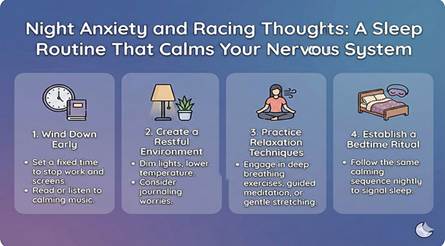

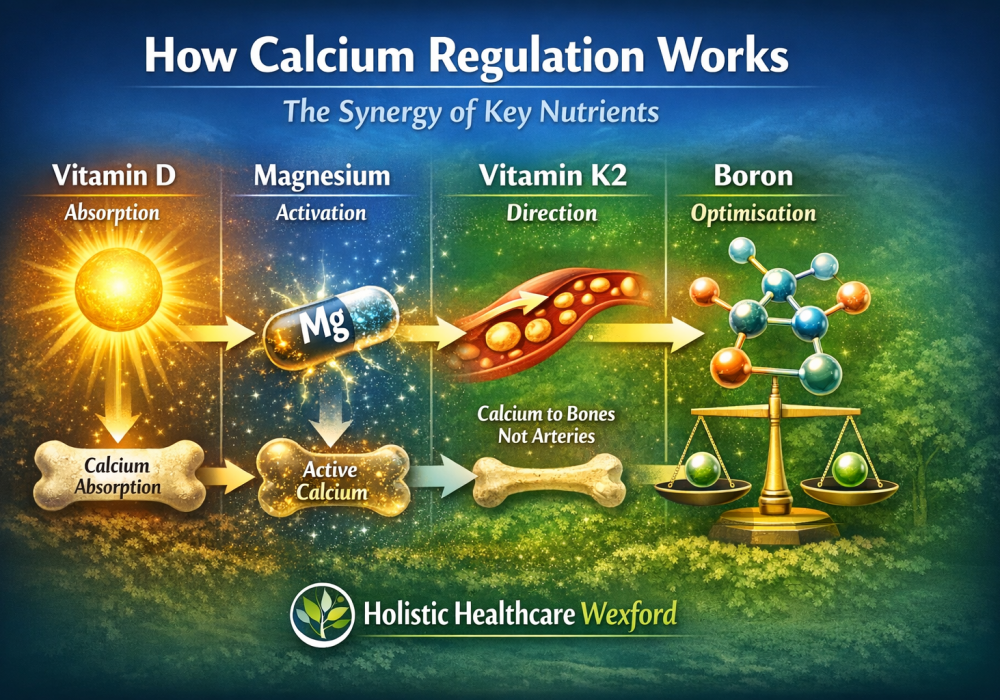
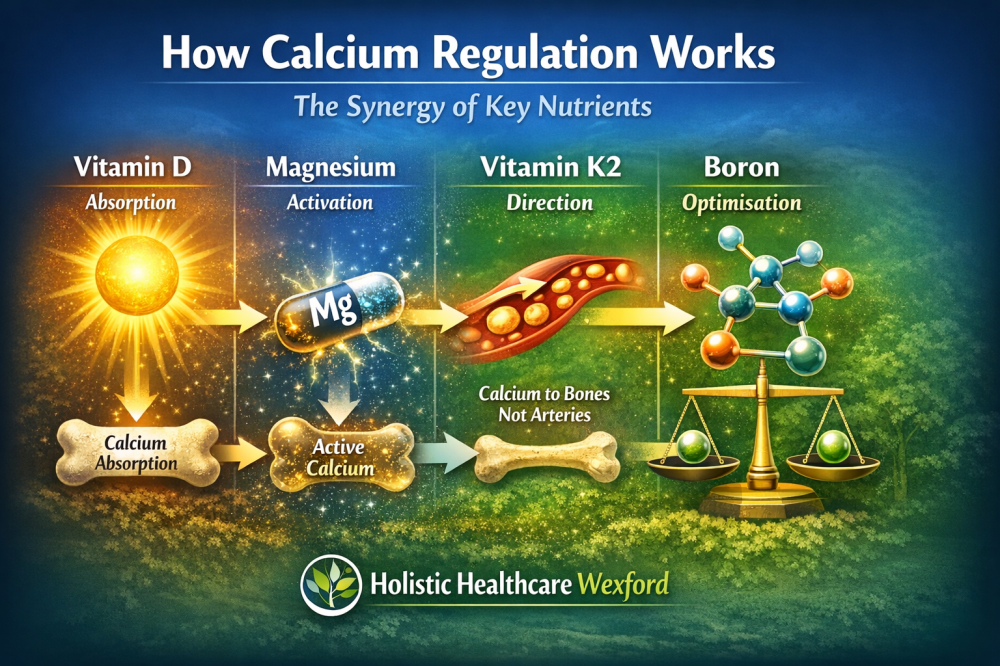
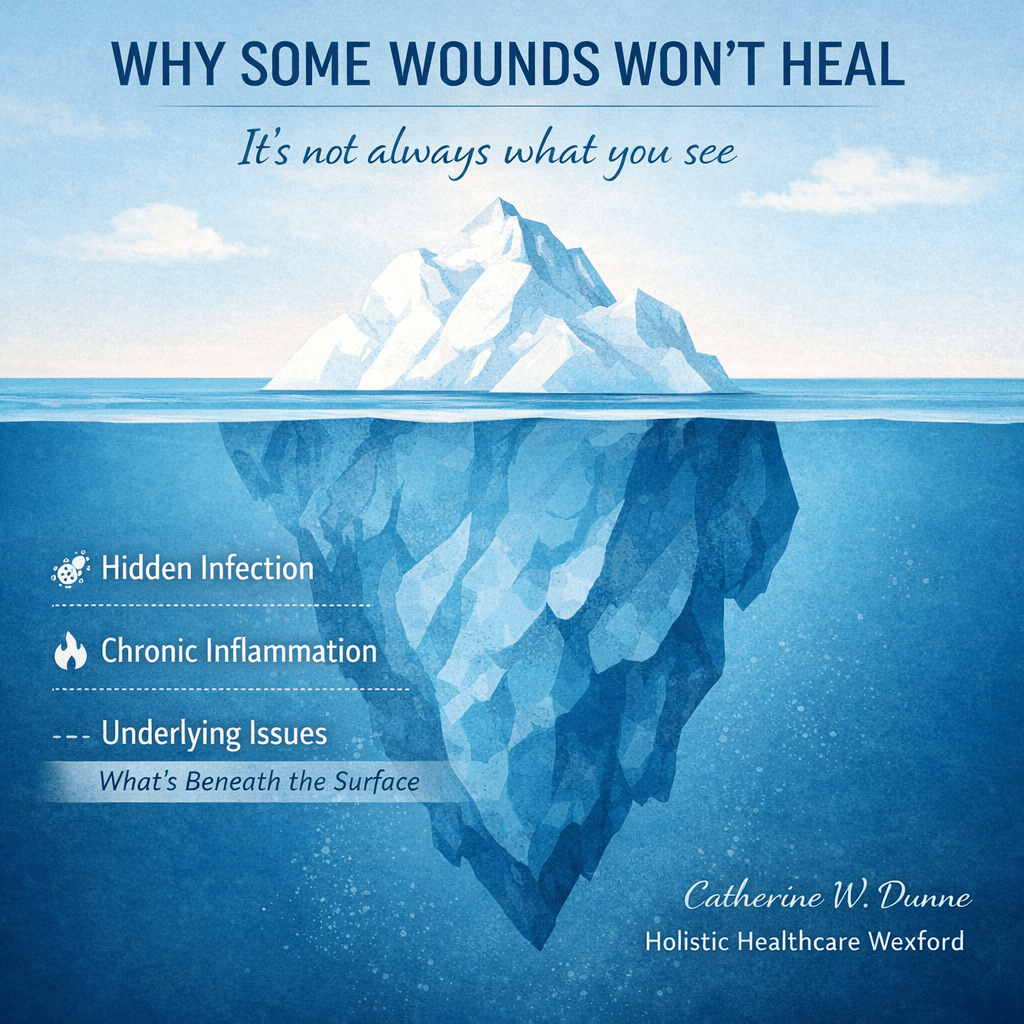
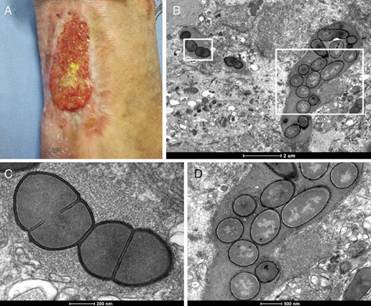
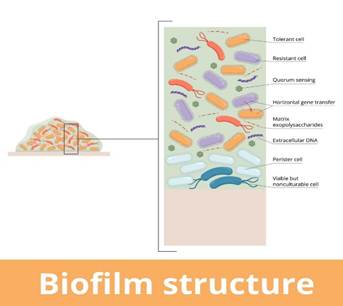

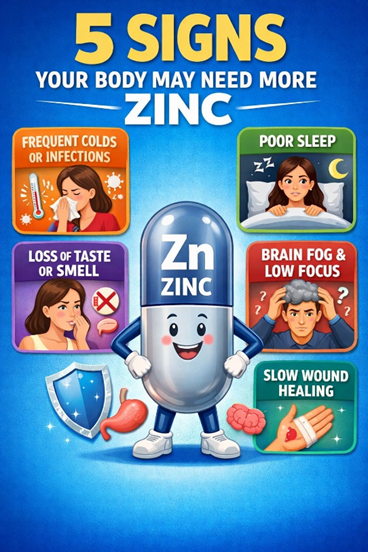
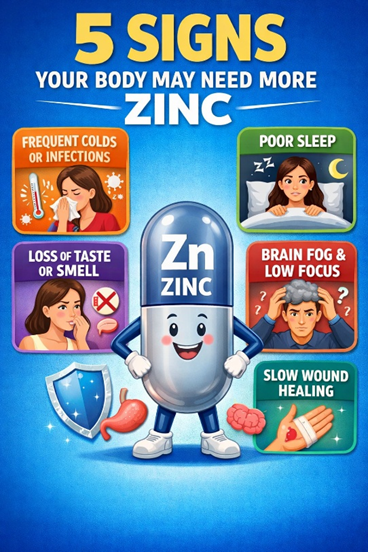
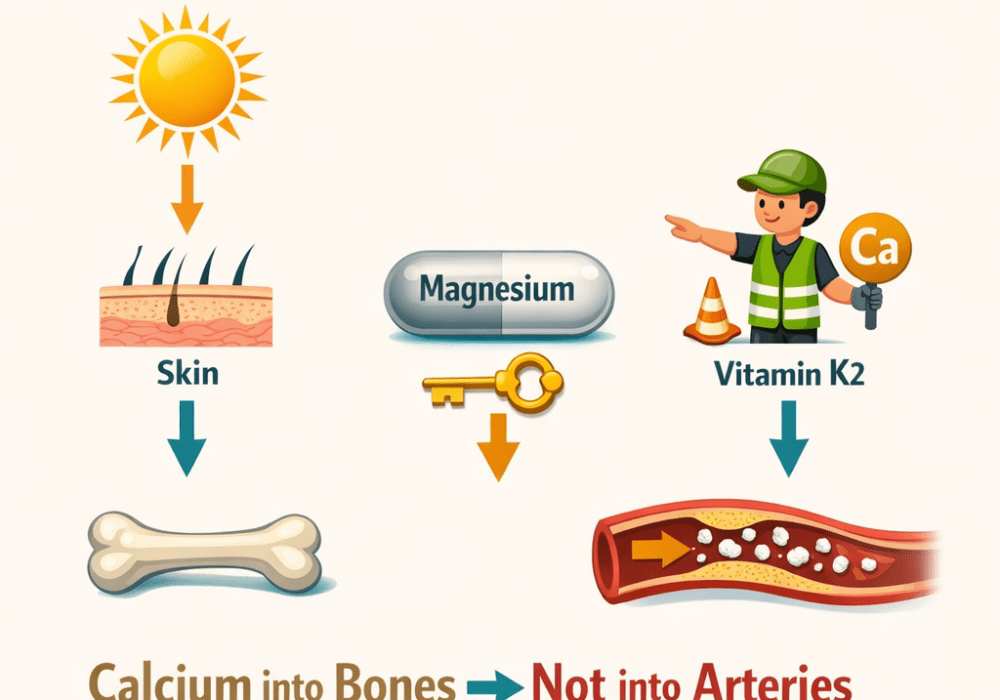
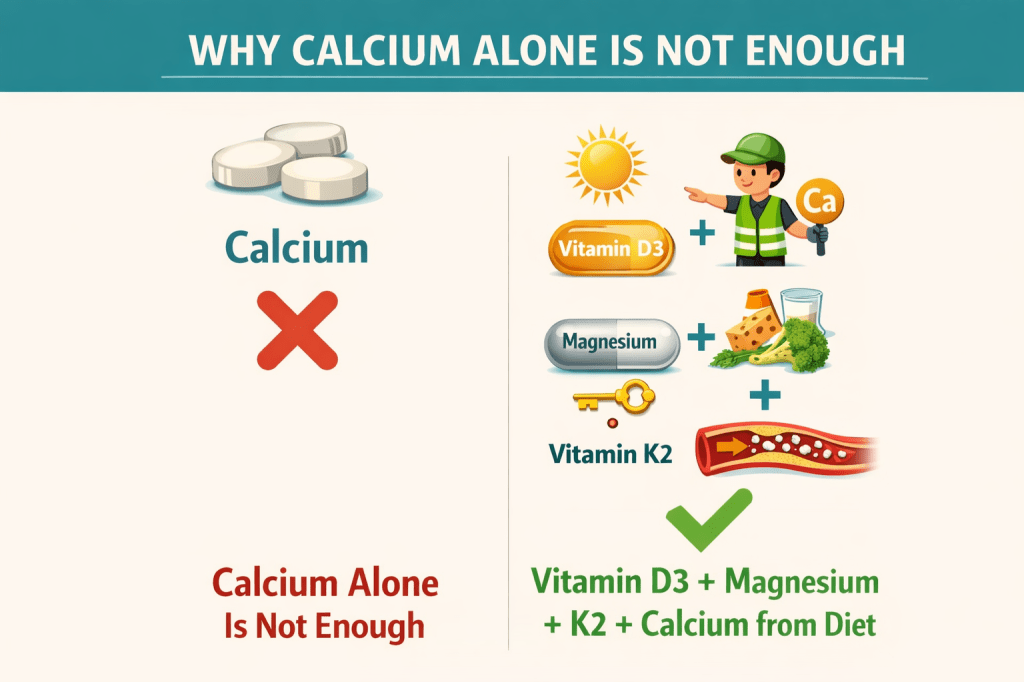
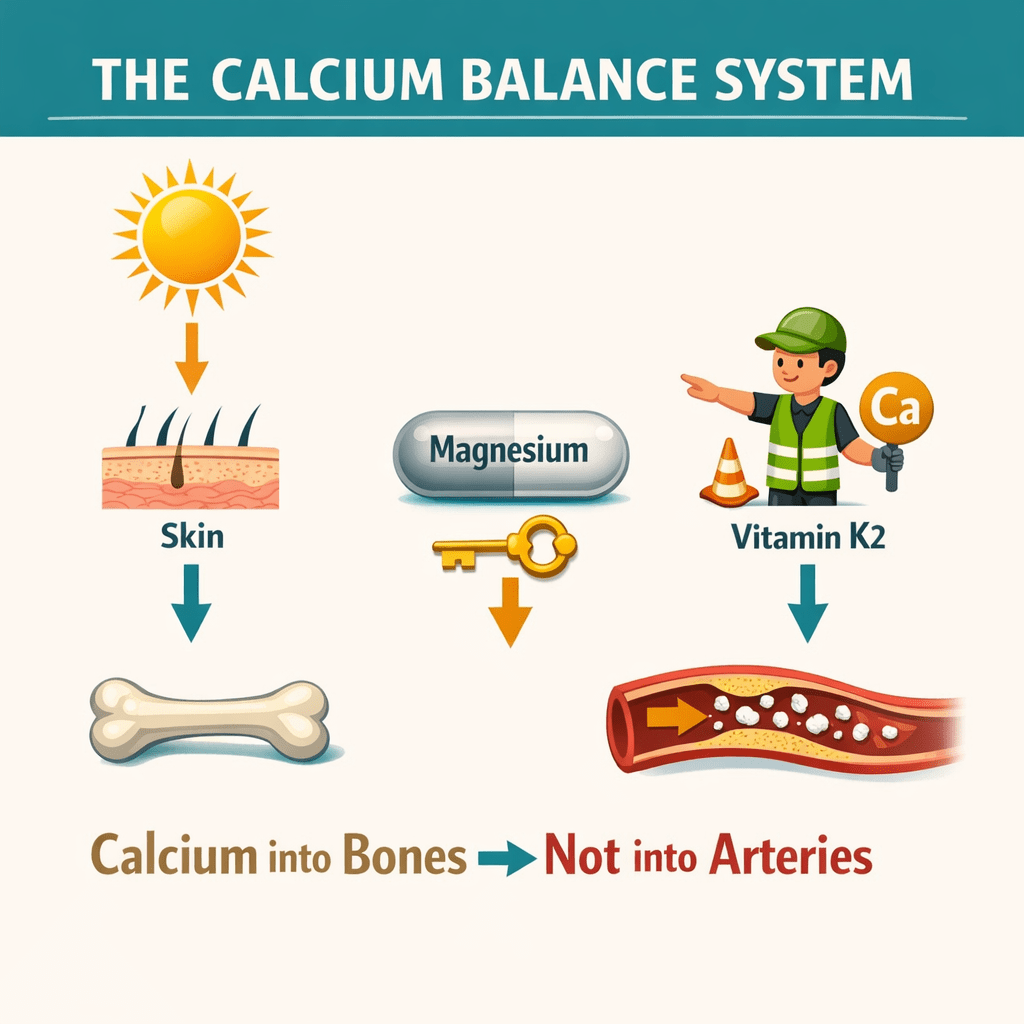










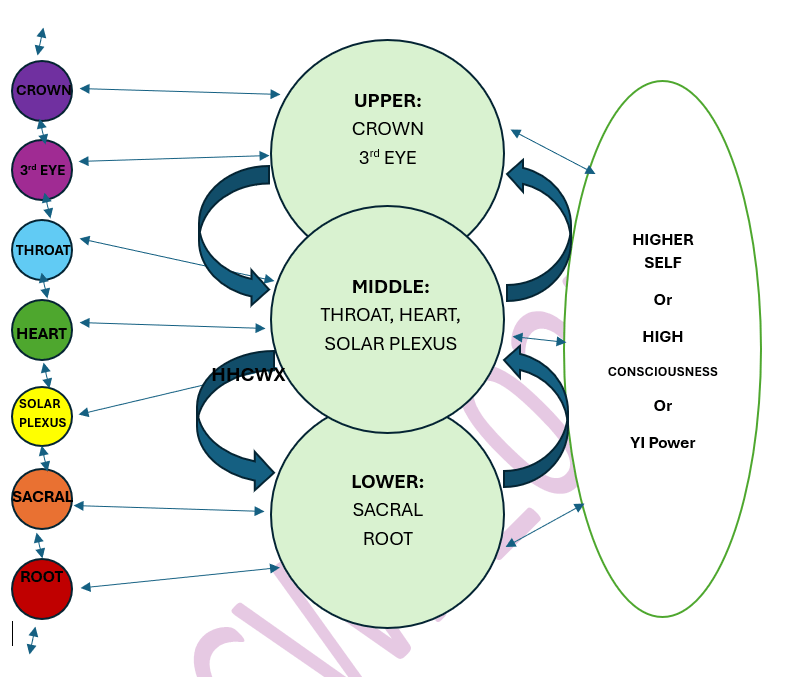

 Holistic Healthcare Wexford