Asthma – Complementary Self Help

Asthma

Roughly 34 million Americans now have asthma, about 7 million to 8 million of which are children. Asthma is behind 12.8 million missed school days and 10.1 million missed work days in the U.S every single year. In addition, asthma costs the U.S. about $14.7 billion a year in medical costs, prescription drugs and lost productivity — leading many people to search for home remedies for asthma.

Here’s something that might surprise you: Although asthma medications can help control symptoms in the case of an emergency attack, they can actually sometimes make asthma symptoms even worse long term. Most asthma medications also have a host of side effects due to how they affect the endocrine system and the immune system. Research shows some asthma drugs might contribute to problems including mood changes, acne, yeast growth and weight gain — plus over time they might hinder normal immune functions that make allergic and asthmatic reactions more frequent.

What are some effective, holistic ways of treating asthma that can help prevent attacks instead? Home remedies for asthma that don’t require taking prescription medications or even using inhalers include limiting irritant exposure, reducing food allergies, improving gut health, supplementing with vitamin D or getting more naturally from the sun, and maintaining a healthy weight.

What Is Asthma?

Asthma is a condition characterized by difficulty breathing and narrowing of the airways leading to the lungs (including the nose, nasal passageways, mouth and larynx). In people who have asthma or allergies, the blocked or inflamed airways that cause asthma symptoms can usually be cleared with help from certain lifestyle changes and treatments.

Asthma is a type of chronic obstructive pulmonary disease (COPD) and is also related to allergies, whether seasonal/environmental or food-related. A characteristic of asthma is that symptoms tend to occur suddenly in response to stimuli that irritate the immune system and air passageways, which is described as having an asthma “attack.”

Following are home remedies for asthma that can help treat this often inhibiting condition.

Home Remedies for Asthma

1. Best Foods for Treating Asthma

Eating a healthy diet supplies asthma sufferers with antioxidants and nutrients to combat environmental toxins, control inflammatory responses and reduce dietary triggers. Eating a wide variety of foods can ensure that you or your child gets all the nutrients needed to support strong immunity. There have been numerous studies that show consuming the right foods can be the one of the best home remedies for asthma.

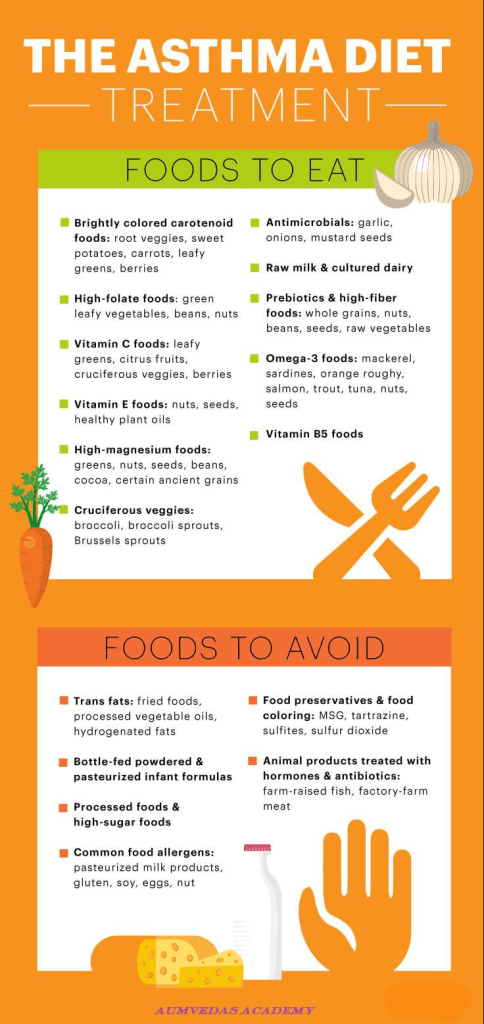
Some of the most beneficial foods to include in your asthma diet plan are:

• Brightly coloured carotenoid foods: This compound gives fruit and vegetables their orange or red colour and can help reduce asthma attacks. Carotenoids are the basis of vitamin A, which is involved in the maintenance of healthy mucous membranes that line the air passageways. Severity of asthma correlates with low vitamin A, so increase your intake of things like root veggies, sweet potatoes, carrots, leafy greens and berries. A study of 68,000 women showed that those who ate more tomatoes, carrots and leafy greens had much lower rates of asthma and that people prone to asthma tended to have low levels of circulating carotenoids in their blood.

• Foods with folate (vitamin B9): Folate reduces allergic reactions and inflammation. It might be capable of lowering wheezing by regulating inflammatory processes as well. High-folate foods include green leafy vegetables, beans and nuts.

• Vitamin E and vitamin C foods: Vitamin C is a powerful antioxidant and helps detoxify the body, which is why some research suggests that consuming more vitamin C reduces wheezing and inflammation. Vitamin C is found is leafy greens, citrus fruits, cruciferous veggies and berries. Vitamin E is another powerful antioxidant found in nuts, seeds and healthy plant oils.

• Foods with magnesium: Low levels of magnesium are associated with increased risk of developing asthma, and increasing magnesium has been shown to reduce severity of asthma attacks and symptoms like muscle-spasm anxiety. It’s been found that magnesium can induce bronchial smooth muscle relaxation and allow air to get into and out of the lungs more easily. Sources include greens, nuts, seeds, beans, cocoa and certain ancient grains.

• Broccoli, broccoli sprouts, Brussels sprouts and other cruciferous vegetables: These contain many antioxidants and a key compound called sulforaphane. Researchers from UCLA state, “A major advantage of sulforaphane is that it appears to increase a broad array of antioxidant enzymes, which may help the compound’s effectiveness in blocking the harmful effects of air pollution. We found a two-to-three-fold increase in antioxidant enzymes in the nasal airway cells of study participants who had eaten a preparation of broccoli sprouts. This strategy may offer protection against inflammatory processes and could lead to potential treatments for a variety of respiratory conditions.”

• Garlic, onions and mustard seeds: All are considered natural antimicrobials. They may help to fight bacterial infections and improve overall immune health. They also contain the antioxidant called quercetin, which inhibits inflammation.

• Raw milk and cultured dairy: Raw dairy seems to protect children from developing asthma and hay fever symptoms. The healthy probiotics in raw milk strengthen the immune system, and research shows that probiotic foods improve digestion and help stop allergic reactions that occur as proteins and other allergens pass through the digestive lining.. Mothers can prevent their children from developing asthma if they ingest probiotics while pregnant or breast-feeding.

• Prebiotics and high-fibre foods: These plant fibres help us eliminate toxins and feed healthy probiotic bacteria. Whole grains, nuts, beans, seeds and raw vegetables are loaded with prebiotic materials and are great sources of fibre.

• Omega-3 is foods: These are mostly found in oily fish, such as mackerel, sardines, orange roughy, salmon, trout and tuna. Nuts and seeds can also provide a good dose. Omega-3s help lower the incidence of asthma significantly because they reduce airway inflammation and immune system reactivity. Foods with vitamin B5 (or pantothenic acid): It’s needed in larger quantities by asthmatics because they seem unable to utilize this vitamin correctly. It’s also been found that theophylline, a drug used to treat asthma, causes vitamin B5 deficiency. Pantothenic acid is also involved in adrenal function, and stress plays a large role in asthma.

2. Avoid Foods that Can Make Asthma Worse

There are many ways in which processed and refined foods contribute to asthma. Lack of fibre reduces probiotic bacteria, depletes stomach acid and hinders proper digestion. The lack of nutrients in these foods stresses the entire body and makes it less able to neutralize toxins. The lack of fresh fruit and vegetables in the Western diet contributes to high levels of inflammation, deficiencies and overall poor nutrition.

Foods to reduce or eliminate from your diet include conventional dairy, added sugar, trans fats or refined oils, gluten, and processed carbohydrates. Here’s why avoiding these foods should be utilized along with other home remedies for asthma:

• Children who eat foods fried in refined/processed vegetable oils and consume hydrogenated fats are much more likely to have asthma. These trans fats contribute to the presence of dangerous free radicals in the body.

• Children who are bottle-fed with powdered and pasteurized infant formulas are significantly more at risk of developing asthma and allergies than those who are breast-fed.

• The high sugar content in many processed foods contributes to the overgrowth of yeast or candida albicans. Yeast can be a trigger itself, but worse, it steals valuable nutrients from the digestive tract.

• Hidden food allergies are often triggers for asthma attacks. The most common food allergies are to pasteurized milk products, gluten, soy, eggs and nuts. Wheat gluten and soy are present in a wide variety of foods. They hide on labels as hydrolysed vegetable protein, lecithin, starch and vegetable oil.

• Food preservatives and food colouring can trigger asthma attacks. Avoid MSG, tartrazine (yellow food dye), sulphites and sulphur dioxide, to name just a few.

• Avoid animal products treated with hormones and antibiotics as well as pasteurized foods and drinks. Farm-raised fish is laden with these chemicals and has high mercury levels that correlate with increased incidence of asthma.

3. Supplements for Asthma (Especially Vitamin D)

Another rising star in home remedies for asthma is vitamin D, which seems to slow declining lung function and supports immune health. It also stops lung “remodelling,” the narrowing of breathing passages over time. Calcitriol, the form of vitamin D we make in the body, is a natural anti-inflammatory, yet many people are chronically ;ow vitamin D due to spending less time outside and eating low-nutrient diets. The daily recommended dose is about 600 international units for adults, which can be obtained through a combination of sun exposure and a healthy diet.

Recently, a study published in the Cochran Database of Systematic Reviews, which tested 435 children and 658 adults with mild to moderate asthma, found that those taking vitamin D supplements experienced fewer severe asthma attacks, required less use of oral steroids for treatment and also reduced their risk of needing to be hospitalized for acute asthma attacks.

Other supplements that can help lower attacks and symptoms include:

• Vitamins C: Increases immunity and acts like an antioxidant, reducing free radical damage and inflammation.

• B vitamins: Help support cognitive functions and immune health. Vitamin B3 and vitamin B12 have been found to be low in asthma patients but are nutrients that lower antihistamine levels and reduce wheezing.

• Zinc: Supports adrenal health and aids the body in coping with stress, which has been tied to worsened asthma symptoms.

• Magnesium: Can help reduce asthma symptom severity, including pain, anxiety and emotional stress.

4. Essential Oils for Treating Asthma Symptoms

Many people with asthma frequently cough, wheeze and have trouble breathing, all of which essential oils — particularly essential oils for allergies — can help manage. As mucus (phlegm or sputum) or other substances accumulate in the airways, these symptoms kick in as reflexive actions that try to facilitate unobstructed breathing.

Try making a homemade vapor rub (see Essential Oils for Allergies) with eucalyptus oil and peppermint oil to open up airways. Frankincense oil can be used to lower inflammation and swollen lymph nodes, and lavender can be used to help mitigate symptoms, such as anxiety and mood changes.

5. Other Home Remedies for Asthma

Avoid Irritants Inside Your Home

There might not be much you can do about pollution outdoors, but minimizing pollutants in your home can greatly lessen susceptibility to outdoor asthma attacks. Believe it or not, the Environmental Protection Agency tells us our indoor environments are two to five times more toxic than our outdoor environments! Here are tips to help you remove many sources of irritants that are likely found in your home:

Try to keep a window open even during the winter to bring fresh air in. If you can afford it, use a heat recovery ventilator (air-to-air heat exchanger) to bring outside air in.

• Avoid second hand smoke from wood-burning stoves and cigarettes.

• Switch to natural cleaning products or use baking soda, lavender oil and vinegar to make your own. There are many simple recipes available online that can keep added chemicals out of your home and save you a bundle of money.

• Avoid antibacterial soaps and disinfectants.

• Avoid aerosols and petroleum-based ingredients in your health and beauty products. Instead use natural products made from essential oils.

• Use a dehumidifier in damp areas, and fix water leaks to reduce mold.

• Buy a water filter to remove chlorine from your tap water.

• Install flooring or carpets that you can vacuum beneath to reduce dust mites.

• Wash bedding weekly, and keep upholstery and carpets regularly vacuumed.

• Use sheets and pillow cases that are non-allergenic and don’t contain down or feathers.

• Keep furry friends out of the bedroom to limit the amount of pet hair you’re exposed to. Clean and brush pets regularly to remove some of their fur that can wind up around your home.

• Cockroaches are another asthma trigger, so speak with a professional exterminator if you suspect you might have some in your home.

Chiropractic Care for Asthma

Asthma has also been linked to a condition known as forward head posture (FHP). FHP occurs when your head shifts out in front of your body, and as a result the nerves in the lower part of your neck and upper part of your back from vertebrae T1-T4 become compressed and compromise lung function. To correct FHP, I recommend you seek the assistance of a corrective care chiropractic physician who can help improve your posture through chiropractic adjustments and spinal rehabilitation exercises. By retraining the spine and moving it back into its ideal alignment, pressure is taken off the nerves reaching out to the lungs.

Manage Stress

The Western lifestyle includes high degrees of emotional stress, and studies show that stress management techniques help reduce asthma severity. It’s well-known that stress increases the severity and frequency of asthmatic attacks because it hinders immune function and raises inflammation. In fact, studies show that roughly 67 percent or more of asthmatics have diminished adrenal capacity, increased anxiety and other mood disorders related to stress. Mood disorders are considered “adaptive diseases” — that is, they result from a person’s inability to deal with stress.

Try natural stress relievers, including massage, deep abdominal breathing, progressive muscle relaxation, guided imagery and art therapies. These can all help reduce stress and give asthmatics the tools to modulate their stress responses. This lowers susceptibility to future attacks and lessens reliance on asthma drugs.

The British Guideline on the Management of Asthma recommends Buteyko and pranayama yoga (forms of deep breathing) for asthma management. A review of seven studies found that these breathing exercises reduce the severity and length of asthma attacks.

Exercise and Movement

A growing body of literature indicates that lifestyle changes in recent decades, specifically decreased physical activity and dietary changes, are key contributing factors causing an increase in asthma prevalence and severity. Obesity is linked to higher risk for asthma and other breathing problems, including sleep apnoea. Although vigorous exercise can sometimes cause symptoms in people who already have asthma, staying active is generally very beneficial for improving immune function, preventing obesity, dealing with stress and lowering inflammation.

Asthma Symptoms

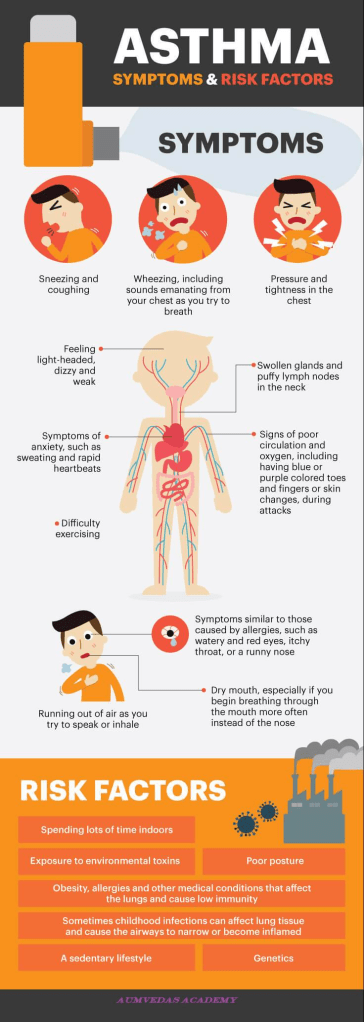
Common symptoms and signs of asthma include:

• Sneezing and coughing

• Wheezing, including sounds emanating from your chest as you try to breath

• Running out of air as you try to speak or inhale

• Difficulty exercising

• Pressure and tightness in the chest

• During attacks it’s possible to show signs of poor circulation and oxygen, including having blue- or purple-coloured toes and fingers or skin changes

• Feeling lightheaded, dizzy and weak

• Symptoms of anxiety, such as sweating and rapid heartbeats

• Symptoms similar to those caused by allergies, such as watery and red eyes, itchy throat, or a runny nose — some people can look inside their throats or noses and see redness and swelling

• Swollen glands and puffy lymph nodes in the neck — sometimes people with asthma even feel like they’re choking

• Dry mouth, especially if you begin breathing through the mouth more often instead of the nose

What Causes Asthma?

There are many different theories about what causes asthma, but toxins and irritants (both from the environment and spending lots of time outdoors) are now recognized as primary root causes. Other factors that contribute to asthma development include poor nutrition, pollution, antibiotic abuse, possibly vaccines, autoimmune disorders, other medical disorders that affect the lungs, genetic susceptibility and high amounts of stress.

For some adults, asthma symptoms are caused by exposure to chemicals and pollution during work (dust, debris, etc.), known as “occupational asthma.” This accounts for about 15 percent of all asthma cases.

The Western lifestyle correlates with increased numbers of asthma sufferers, which is not surprising considering the poor diet quality and high-stress environment. Asthma is rare in remote areas of Asia and Africa but much more common in industrialized, Western nations where people commonly eat inflammatory, low-nutrient diets.

Risk factors for developing asthma include:

• Spending lots of time indoors: This can reduce someone’s ability to effectively build the immune system and also increases exposure to certain allergens or irritants that can accumulate indoors (like dust mites, mould spurs, pet hair and other microbes).

• A sedentary lifestyle

• Obesity, allergies and other medical conditions that affect the lungs and cause low immunity

• Sometimes childhood infections can affect lung tissue and cause the airways to narrow or become inflamed.

• Genetics: Studies show that asthma tends to run in families, although it usually isn’t completely genetically acquired.

• Poor posture: Compression of the lungs caused from poor posture might also contribute to symptoms.

• Exposure to environmental toxins: This can include fumes, pollution and chemicals released from construction sites.

Conventional Treatments for Asthma

Doctors use medications like anti-inflammatory drugs, steroids, “anti-IgE” drugs and inhalers (bronchodilators) to help control asthma attacks and prevent emergencies or complications. Most of these drugs can help open up the airways very quickly but have serious drawbacks as well. Some research even suggests that inhalant albuterol medications can alter genes in children and make future asthma attacks up to 30 percent more likely.

Dr. John Mills, chief of infectious diseases at San Francisco General, said, “Conventional drugs used for treating asthma, particularly steroids, can impair immune function and lead to more serious health problems. Doctors tell you that steroids (cortisone, prednisone) only cause side effects after many years. But new research shows that permanent damage is immediate and devastating. Studies show that steroids cause permanent, debilitating effects after a single dosage. Steroids are probably the most sleazy of modern day medications.” Here’s the good news: You can help treat asthma naturally by lowering environmental and dietary toxin intake, eating more nutrient-rich foods, addressing the nervous system’s role in lung functioning, and learning to better manage stress. All these home remedies for asthma come with little to no serious adverse side effects as well.

Precautions When Treating Asthma

If during an attack asthma medications aren’t able to help someone experience improvements immediately, then it’s important to visit the ER or call an ambulance right away. Although it’s rare, asthma attacks can sometimes become fatal, so being cautious is always best. Signs of a severe asthma attack that requires immediate intervention include a pale face, sweating, blue lips, very rapid heartbeat and inability to exhale.

If asthma symptoms ever start recurring multiple times per day, make sure to see your doctor. Also mention to your doctor if symptoms ever become frequent or severe enough to interrupt sleep, work, school or other normal day-to-day activities. Keep an eye out for side effects of medications or other signs of allergies, which might make asthma symptoms worse, including a very dry mouth, stuffy nose, dizziness, pains and a swollen tongue.

Final Thoughts on Home Remedies for Asthma

• Asthma is a condition that affects breathing, which is caused by narrowed airways (bronchospasm), a swollen or inflamed respiratory system, and abnormal immune system reactions.

• Common symptoms of asthma include coughing, wheezing, chest tightness, shortness of breath, and pain or pressure in the chest.

• Risk factors and underlying contributors of asthma include an inflammatory/poor diet, low immune function, food or seasonal allergies, and exposure to household or environmental irritants.

Eliminating food allergies, spending more time outdoors, and avoiding exposure to pollution or irritants found inside the home are all home remedies for asthma symptoms.

Found this and wanted to share this very informative article.

Hope you have found this article to be informative.

Thank you for taking the time reading this.

Warm Wishes,

Catherine W Dunne 05/03/2023 Ireland

Coconut Oil – What are its benefits?


77 Benefits of Coconut Oil

Coconut Oil

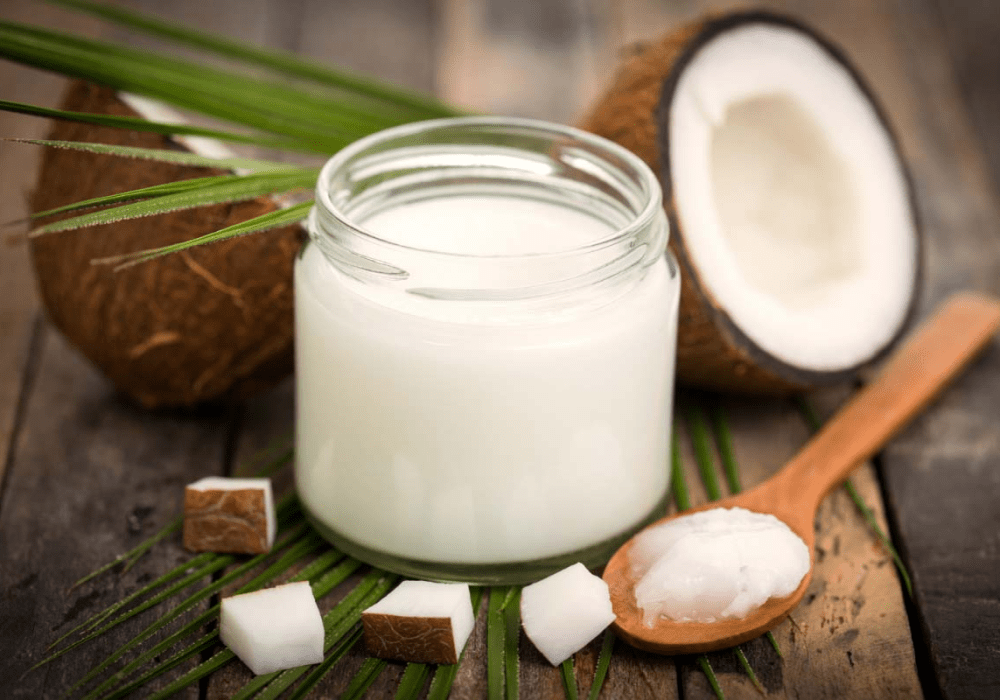
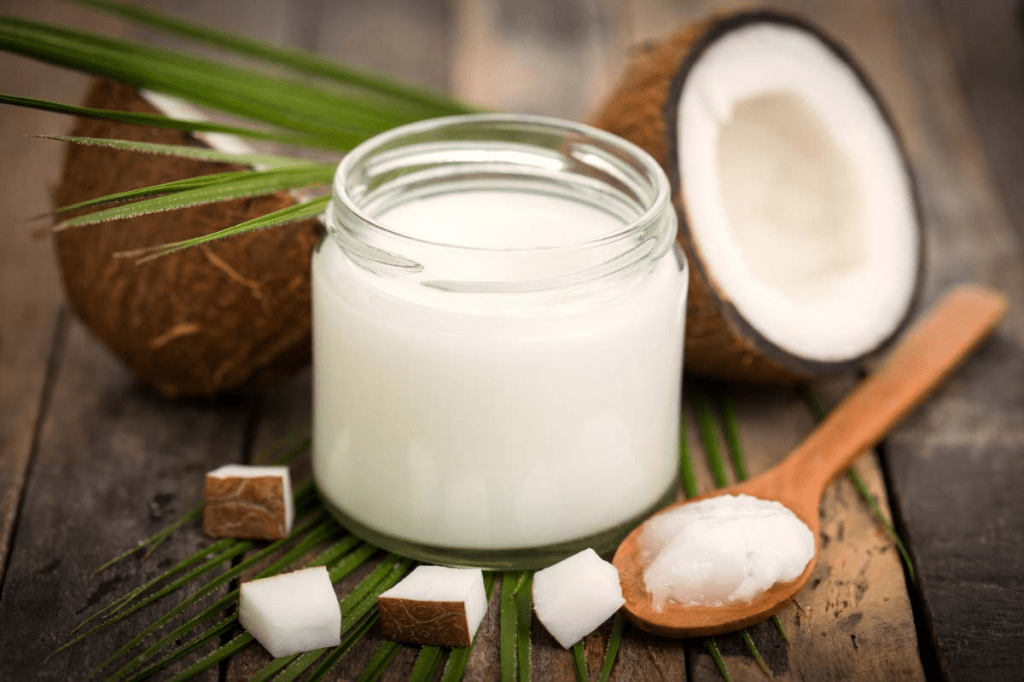
Coconut oil might just be the most versatile health food on the planet. Not only is it my favourite cooking oil, but coconut oil uses are numerous and can extend to being a form of natural medicine, be used for natural beauty treatments and so much more.

The coconut tree is considered the “tree of life” in much of Southeast Asia, India, the Philippines, and other tropical locations. And today, there are over 1,500 studies proving the health benefits of coconut oil.

Some of the top coconut oil benefits include:

· Balances Hormones

· Kills Candida

· Improves Digestion

· Moisturizes Skin

· Reduces Cellulite

· Decreases Wrinkles and Age Spots

· Balances Blood Sugar and Improve Energy

· Improves Alzheimer’s

· Increases HDL and Lower LDL Cholesterol

· Burns Fat

If you’re ready to take your health to the next level, try these 77 coconut oil uses and cures!

77 Creative Coconut Oil Uses

These coconut oil uses are broken into 4 categories: Food Uses, Body and Skin Care, Household, and Natural Medicine.


Coconut Oil Food Uses

1. Cooking at High Heat (Sautéing and Frying) – Coconut oil is great for cooking at a high heat because of its high smoke point. Many other oils like olive oil can oxidize when heated but because coconut oil is made up of healthy saturated fats it remains stable under high temperatures.

2. “Buttering Your Toast” – For breakfast in the morning, try spreading coconut oil on your sprouted grain bread, instead of conventional butter. The slight coconut flavour, more pronounced in the unrefined coconut oils, lends a lovely aroma and taste to your toast.

3. Natural Energy Booster – The medium chain triglycerides in coconut oil, when partnered with chia seeds, will give you an energy boost when you need a mid-afternoon pickup, or after a strenuous workout. Chia seeds are known to boost performance, and endurance while the coconut oil aids in digestion and metabolizing of the chia seeds. Mix 1 tablespoon coconut oil with ½ tablespoon of chia seeds, and enjoy from the spoon, or spread on sprouted grain bread.

4. Creamer for Your Coffee – Adding a spoonful of coconut oil to your coffee can give you an extra boost of energy and replace dairy creamer. If you put your hot coffee in a blender, with the coconut oil and your favourite natural sweetener, and blend, you will be amazed at the rich creamy flavour, without adding any dairy. In the Far East, many athletes blend their morning coffee with coconut oil and grass-fed ghee to increase performance and energy.

5. Chocolate Coconut Fondue – Enjoy dipping fresh fruit into dark chocolate? Well, by using coconut oil, dark chocolate has never been healthier, or easier. Slowly melt 1 tablespoon of coconut oil and 2 cups of chopped dark chocolate (preferably 70% cacao) together over low heat in a double boiler, stirring occasionally. If mixture is too tight, add a touch more coconut oil and stir until warm and melted. Transfer to a fondue pot, and dip with even more health-promoting foods like fresh strawberries, bananas, and sliced apples.

6. Boost Nutrients in Smoothies – Add 1 to 2 tablespoons of coconut oil to any fruit smoothie for a boost of cholesterol fighting compounds. Side benefit? It improves the texture and mouth feel of smoothies, while adding healthy fats to your diet.

7. Healthy Popcorn topping – Remember when you were a kid and visited your favourite theatre for a matinee? Remember the glorious smell that permeated the air? Chances are that it was popped in coconut oil. Pop organic corn kernels in coconut oil and then drizzle with just a touch more melted coconut oil and some sea salt.

8. Replacement for Non-stick Cooking Spray – In a non-stick skillet, sometimes eggs still stick. With coconut oil, that is no longer a problem. Add just a teaspoon or two of coconut oil to the pan, and melt. Add the eggs and cook as desired. Clean-up will be a breeze.

9. Create Healthy Homemade Mayonnaise – Use as oil in homemade mayonnaise recipe mixed with egg yolks. In a blender, combine 4 egg yolks, 1 tablespoon apple cider vinegar, and ½ teaspoon dried mustard. Blend until combined. With blender still running, slowly add 1 cup coconut oil (melted), and ½ cup olive oil to create an emulsion. If you add the oils too fast, the mayo will break. If this happens, all is not lost; add ½ tablespoon of tahini, and blend until smooth.

10. Topping For Baked Potatoes – Put coconut oil on baked sweet potatoes in place of conventional butter and then sprinkle on cinnamon. Also, use it for baked sweet potato French fries with some rosemary and sea salt.

11. Replace Unhealthy Fats When Baking – Yes, you can bake with coconut oil. Use the same amount as butter or vegetable oil that is called for in the recipe. For biscuits, pie crusts, and other preparations where the fat is to be cold, freeze the coconut oil prior to using. Use coconut oil to grease baking sheets and cake pans, and your baked goods will simply slide right out.

12. Make Homemade Healthy Granola- Homemade crunchy granola made using heart-healthy nuts is a great treat for breakfast, or as the star in a fresh fruit parfait in the evenings. Combine 3 cups of old-fashioned oats, 1 cup chopped almonds, 2 teaspoons cinnamon, ½ teaspoon salt, 1/3 cup honey or maple syrup, and 1/3 cup coconut palm sugar together in a large bowl. Melt 1/3 cup coconut oil and drizzle over, and then mix to combine. Bake on a cookie sheet at 350 degrees for 5-7 minutes, and then rotate in the oven, and continue baking for another 5-7 minutes. Turn off oven, and allow to sit for 30 minutes. Remove from oven, and break into clusters.

13. Sports Drink Replacement – Coconut oil gives the body quick energy in the form of its quick acting MCFA fats. Instead of relying on sugary processed drinks, try adding coconut oil and chia seeds to water with fresh fruit.

14. Natural Throat Lozenge – Use coconut oil in place of store-bought lozenges that are usually made using artificial flavours and colours. Try swallowing ½-1 teaspoon of coconut oil up to 3 times daily to ease the pain of a sore throat or cough, and combine liquorice root tea with coconut oil for a natural throat soother. Try adding liquorice root (fennel root), honey, and lemon too for an extra immunity boost again viruses and colds.

15. Prolong the Freshness of Eggs – You can use coconut oil to seal the pores in an egg shell and prolong the life of the eggs in your refrigerator. Try swiping a small amount of oil over the shells of the eggs and leaving it to penetrate, which will help prevent exposure to oxygen. This method should extend the life of your eggs for 1-2 weeks.


Coconut Oil Beauty & Skin Uses

16. Natural Skin Moisturizer – Using Coconut oil for skin health works well as a moisturizer for your face. It absorbs quickly, and is non-greasy. At room temperature, coconut is a solid, but it quickly melts when it comes into contact with hands. Before bed, wash your face, and pat dry. Warm a dollop the size of a pea in your hands and rub in a circular motion into your face. Let sit for 5 minutes, and then wipe off what is still on the surface.

17. Wrinkle Reducer – For areas of concern around eyes, dab just a touch around the eyes to help fight pre-maturing aging. Leave the oil on overnight to soak in, and wake up looking refreshed. Combine with frankincense oil for additional anti-aging benefits.

18. Natural Makeup Remover – Just a small dab of coconut oil will quickly liquefy eye makeup, making it easy to wipe off. Rub coconut oil gently onto the upper lids and lower lids in a circular motion. Wipe off with a warm cloth. The benefit over commercial eye makeup removers, is that coconut oil will not sting or irritate eyes, and as a bonus, will help to hydrate around the eyes.

19. Lock in Moisture After Showers – After your shower, apply coconut oil liberally all over your body. Coconut oil will hydrate dry skin, and helps to soothe skin after shaving. As a bonus, coconut oil has a natural SPF and is great to protect your skin from sun damage. If you are applying to the bottom of your feet, do so outside of the tub, so as not to slip.

20. Healing Bath with Epsom Salt – Regardless of the season, our skin takes a beating. Add ¼ cup Epsom salts and ¼ cup coconut oil to a warm bath, and relax. Add a drop or two of your favourite essential oils to add aromatherapy benefits. The Epsom salts will help to draw out toxins while the coconut oil will help to soothe dry skin.

21. Homemade Toothpaste – Mix equal parts of coconut oil with baking soda then add a few drops of peppermint essential oil for homemade toothpaste. Try my recipe for homemade probiotic toothpaste with coconut oil, Bentonite Clay, probiotics and peppermint essential oil.

22. Lip Balm – Dry chapped lips can happen during any season. Commercial lip balms are packed with unhealthy (and potentially toxic) ingredients, which is particularly concerning since we put them on our lips. The healing properties of coconut oil helps to nourish the lips, provides a touch of sun protection, and most importantly, is safe to consume. Combine 2 tablespoons of coconut oil with 2 tablespoons of beeswax, and 1 tablespoon of shea butter in a non-stick saucepan. Warm slowly until melted. Use a small funnel to refill used lip balm containers. Allow to set up for 6 hours.

23. Naturally Tinted Lip Gloss or Lipstick – You can naturally tint the lip balm recipe above with beetroot powder, cocoa powder, turmeric, and cinnamon. You only need a small amount of spices and a little bit goes a long way.

24. Personal Lubricant – Coconut oil is an effective and safe personal lubricant. Unlike commercial preparations, its anti-fungal, antibacterial, and antimicrobial properties help keep the vaginal flora healthy. (One note: avoid using coconut oil or any oil with any latex contraceptives, as it can corrode the latex.)

25. Natural Mouthwash – Mix equal parts of coconut oil and baking soda, and then add a few drops of peppermint essential oils. Use daily to help whiten teeth, improve gum health, and freshen your breath. According to researchers at the Athlone Institute of Technology, the antibiotic properties of coconut oil destroy the bacteria that causes tooth decay.

26. Coconut Oil Pulling – To improve the health of your teeth and gums, oil pulling with coconut oil, is the way to go. In Áyurvedic medicine practice, oil pulling is used to detoxify the mouth, killing bad breath, fighting bacteria, cures tooth decay, and helps to boost the immune system. Swish 1 tablespoon of coconut oil immediately after rising in the morning. Spend 10-20 minutes swishing; do not swallow the oil. Spit the oil into the trashcan (not into the sink!) and rinse with sea salt water.

27. Natural Deodorant – Coconut oil’s natural antibacterial properties help to keep body odour at bay. It is an excellent deodorant on its own, or when combined into a paste with baking soda and essential oils.

28. As a Gentle Face Wash – Coconut oil can be used in natural face wash recipe to cleanse and moisturise. Mix with lavender oil, tea tree oil and raw honey for best results.

29. Wound Salve – Coconut oil has been used for thousands of years to speed healing of rashes, burns, and open wounds. You can use it just like you would Neosporin. To make a homemade Neosporin mix coconut oil, frankincense, lavender and melaleuca oil. The antibacterial and antifungal properties of coconut oil help to keep the area free of infection, and the lauric acid in coconut oil helps to speed healing.

30. Cellulite Solution – To fight stubborn and unsightly cellulite, mix 1 tablespoon of coconut oil with 10 drops of grapefruit essential oil and massage in a firm circular motion into affected areas. Follow with dry brushing to help stimulate circulation and encourage cellular detox and my cellulite slim down juice recipe for best results.

31. Soothing Shaving Cream – If razor burn, ingrown hairs, or other skin irritation is a problem after shaving, start using pure coconut oil as your shaving “cream”. Warm a dab in the palm of your hands and rub on your face, under arms, on the legs, or the bikini area and then shave. Rinse well, and pat dry.

32. Sunscreen / Sunburn Remedy – Coconut oil is an all-natural sunscreen and sunburn remedy, all in one. In fact, it is SPF 4, just enough to protect against sun damage, and the best of the non-volatile herbal oils. Reapply as necessary, throughout the day. If you get too much sun, gently rub coconut oil into affected areas and it will promote healing, and soothe the pain.

33. Massage Oil – Coconut oil is a soothing and conditioning massage oil. Add a couple of drops of lavender oil and peppermint oil to help heal sore muscles, and stimulate mindful relaxation.

34. Insect repellent – Mix a tablespoon of coconut oil with a couple of drops of peppermint, rosemary, and tea tree oil to repel flies, mosquitos, gnats, and bees. This is a safe alternative to DEET and can be applied safely on all areas of the body.

35. Anti-Fungal Cream – Due to its antibiotic capabilities, coconut oil can be used topically to treat athletes foot and skin fungus. Apply some to the affected area and either leave it on or wipe off with a paper towel after it has time to set in.

36. Cold Sore Treatment – If you experience cold sores in or around your mouth, trying dabbing them with coconut oil several times per day to reduce healing time and pain. Coconut oil contains lauric acid which if effective at entering the virus that lives within cold sores and shutting off their ability to reproduce. This means you experience relief faster and are less likely to have scars or discoloration left in the area of the sore too.

37. Nail Cuticle Oil – Apply coconut oil to your finger beds to reduce the risk of developing fungal infections and to make it easier to push back cuticles so your nails can naturally grow more quickly. If you go to manicure salons to get your nails done, you may be at risk for coming into contact with serious viruses and bacteria that often live on salon equipment, so coconut oil offers another layer or defence.

38. Soothing Foot Rub for Cracked Heels – Find relief for your dry, cracked heals naturally by rubbing them with coconut oil and allowing the oil to penetrate your skin. Try using 2 tablespoons of oil for both heels, and feel free to add other essential oils- like lavender oil- which can help to further reduce dryness and bacteria, plus give your feet a nice, relaxing scent.

39. In-grown Hair Treatment and Preventer – Rub areas where you frequently shave or are prone to bumps and infection with coconut oil. The oil helps to soften skin so hair can easily grow through the follicle properly without becoming ingrown, plus it kills bacteria at the same time.

40. Sulphate-Free Shampoo – Coconut can cleanse hair if used with apple cider vinegar, and because it doesn’t have any harsh chemicals in it. This method leaves your colour intact for longer, prevents dullness and orange or yellow discoloration, and makes your hair soft and shiny.

41. Natural Hair Conditioner – Using Coconut oil for hair conditioning has been used for thousands of years to strengthen and style hair. As a moisturizer, coconut oil can help strengthen hair while helping hair to retain moisture. Depending on the length and texture of your hair, you may need anywhere from 1 teaspoon to 2 tablespoons of coconut oil as a conditioner. Warm in the palms of your hands, and starting at the ends, work the oil into the hair.

42. Prevent and Treat Dandruff – This can help to encourage new hair growth, and will discourage dandruff. Rinse well (and then rinse again), and then style as usual. Your hair should be healthy, shiny, and full of body. If the coconut oil weighs your hair down, use less the next time, and rinse well.

43. Hair Detangler for Children – Use a small amount of coconut oil on your children’s’ hair when it’s extra nutty and needs a natural, smooth solution for getting it brushed easily. Rub oil between your palms and then onto wet hair before combining through.

44. Homemade Exfoliator – Combine oil with organic coconut sugar or ground coffee beans to create a homemade facial or body scrub that will help remove dry skin. Do this twice weekly for smooth skin that is less likely to develop ingrown hairs, acne, blackheads, or other unwanted dullness.

45. Cheek Bone Highlighter – Try using coconut in place of makeup to add shine to your cheek bones and eye lids. This gives you a natural youthful glow and requires no makeup, make up removal, or extra expensive products to purchase.

46. Makeup Brush Cleaner – Make up brushes are notorious for carrying loads of built-up harmful bacteria. Rub coconut oil on your make up brushes and leave them for 1-2 hours in order to disinfect them. Then wash thoroughly, although there is no need to worry about any oil remaining on your brush since it won’t harm your makeup for skin.

47. Hairbrush Cleaner – Use coconut oil in the same way as on your makeup brushes to remove unwanted hair and bacteria from your hair brushes. The oil even works well on delicate bore bristle brushes and helps the hair to easily slide on. Any oil that remains on your brush will only condition the brush bristles and your hair more afterwards.

48. Baby Ointment and Diaper Rash Guard – When your baby experiences painful diaper rash, rub some coconut oil around the affected area to sooth swelling, redness, itch, and burn. Try using 1 tablespoon to start and allow it to seep into the skin.

49. Hair Texturizer and Gel Replacement- Many commercial brands of hair gel and mouse contain alcohol which dries out your hair, not to mention many other toxic chemicals and fragrances. Try using a bit of coconut oil rubbed into the ends of your hair to hold its style and condition it at the same time. The oil prevents fly aways and adds extra shine too.

50. Natural Vapour Rub and Cold Remedy – Combine coconut oil with eucalyptus oil and rub the mixture on your chest or the chest of your children to open up your airways and facilitate breathing. Together these two work to increase circulation and clear congestion to help you get a good night sleep when you’re sick.

51. Stretch Mark Reducer – Try rubbing coconut oil all over the stomach during and after pregnancy to reduce unsightly stretch marks that occur when skin’s elasticity is compromised. The oil helps to fade dark marks, discoloration, and redness plus it hydrates the skin and allows it heal more quickly.

Coconut Oil Household Uses

52. Carrier Oil for Homemade Candles – Instead of buying expensive candles that contain artificial scents and chemicals, burn clean oil in your home using coconut oil and essential oils in an oil diffuser. These can be purchased online or at major home stores and give you endless ways to fill your home with healthy, inviting scents.

53. Help Unzip a Caught Zipper or Stuck Bike Chain – Apply coconut oil to chains or zippers that are jammed. The oil acts as a natural lubricant, allowing you to effectively break up a tough situation. Restore an old bike or a favourite pair of jeans by finally getting the chain or zipper to give!

54. Remove Gum From Hair or Furniture – If you’ve ever had gum stuck in your hair or on your coach, you know how frustrating this can be. Apply coconut oil to help the gum let up and easily get removed, without leaving any colours or stains.

55. Dust Preventer – Trying using a small amount of coconut oil on surfaces like wood, plastic, or cement that tend to gather dust. Rub a small amount of oil over the area and then allow it to dry, no need to wash it off or worry about it staining and attracting any bacteria.

56. Shoe Shiner – Instead of buying a leather repair kit or bringing used shoes to a repair shop, try subbing some coconut oil on your leather boots or patent heels to give them shine, disguise blemishes, and make them look fresh and new again.

57. Laundry Detergent – Combine coconut oil with lye, water, and essential oils of your choice to create a non-toxic soapy liquid that is perfect for cleaning clothes. The formula will not irritate your skin or have a negative effect on fabric, like many store-bought detergents can. This is a great solution for sensitive skin and those prone to allergies.

58. Furniture Polish – Use coconut oil on wood, granite counter tops, and metal surfaces to give your furniture and updates and clean, shiny look. At the same time this will help reduce dusk, cover up scratches, and clean your furniture and home surfaces too.

59. Rust Reducer – Rub some oil on your silver wear, outdoor metal furniture, car parts, or anything else that is metal and prone to rusting. Coconut oil helps to combat rust when you spread a thin layer of pure oil over the metal and let it sit for 1-2 hours. You can either wipe the oil off or wash it afterwards and should notice a difference right away.

60. Homemade Hand Soap – Use coconut oil to make homemade hand soap, and enjoy the flexibility to add any fragrance you want using essential oil. Try combining coconut oil with the substance Lye, or lard, which you can purchase online. The lye gives the soap natural texture and holds it together.

Coconut Oil Medicinal Uses

61. Fight Inflammation – Coconut oil supports both a healthy liver, and kidneys. According to researchers, virgin coconut oil, prepared without chemical or high-heat treatment exhibits an inhibitory effect on chronic inflammation. As inflammation is one of the leading causes of many chronic diseases, this study supports regular consumption of virgin coconut oil to help fight inflammation.

62. Boost Immunity – Coconut oil’s unique nutrition profile that is rich with lauric acid, capric acid and caprylic acid provides for strong antiviral, antifungal, antimicrobial, and antibacterial properties that have an immune boosting effect. By fighting these elements present in the body, the immune system is better equipped to respond properly when attacked.

63. Prevent Bone Loss and Osteoporosis Risk – Free radicals and oxidative stress are linked to the development of osteoporosis, a metabolic disorder. According to a recent study, virgin coconut oil is effective in maintaining bone structure, and preventing bone loss in oestrogen-deficient rats. The report specified virgin coconut oil due to its high polyphenols and exerts antioxidant properties and you should take 3 tbsp daily for best results.

64. Alzheimer’s Treatment and Brain Health Protector – There are several reports that coconut oil may be an effective natural treatment for Alzheimer’s disease. A current double blind study recommends taking 1 tbsp 3x daily.

65. Sleep Aid – Coconut oil is a perfect carrier oil when making soothing and relaxing home remedies using essential oils, like lavender or roman chamomile oil, that can help reduce anxiety and aid in getting a good night sleep.

66. Acne Fighter – Acne is a serious issue for adults in addition to teens and is commonly caused by bacteria overgrowth or an imbalance in oil on the skin. Coconut oil acts as a natural antibiotic, killing harmful bacteria that leads to serious breakouts. Try mixing the oil with tea tree oil and raw honey for added benefits and effectiveness.

67. Cancer Protection and Defence – Coconut oil and medium-chain triglycerides have been shown to provide a “potent antitumor effect and maintenance of a normal immune system” supporting the belief that coconut oil can help protect from certain types of cancers.

68. Candida Killer – Coconut oil contains caprylic acid which has anti-microbial properties that can kill yeast and candida. In a recent study, researchers found that coconut oil was active against species of Candida at 100% concentration, greater than the drug fluconazole. Add 1 tablespoon of coconut oil to your diet, and apply pure coconut oil directly to affected areas twice per day, until symptoms resolve. Follow my candida treatment protocol to help beat Candida.

69. Fat Burning Supplement – The MCT’s found in coconut oil have been proven to support weight loss and help your body burn fat for energy. Sounds odd right? Adding fat to your diet to burn fat? But the truth is not all fats are created equal. Add a tablespoon a day to reap the benefits of these fatty acids that may help to reduce abdominal fat. According to a study published in the American Journal of Clinical Nutrition, consumption of MCT oil leads to a greater rate of weight and fat mass loss than olive oil.

70. Hormone Balancer – The healthy fats in coconut oil support the thyroid and adrenal glands which can lower cortisol to naturally balance hormones. Coconut oils helps to suppress inflammation, while supporting healthy metabolism, two things that are essential for balanced hormones. The lauric acid, and other compounds support the thyroid and adrenal glands. This helps to lower cortisol, and naturally balance the hormones.

71. Digestive Support – Coconut oil is easy to digest and contains compounds that destroy bad bacteria, promote growth of probiotics and helps heal leaky gut. Coconut oil promotes the growth of healthy probiotics in the digestive tract. The antibacterial, antifungal, and antimicrobial properties help to control parasites, and fungi, while aiding in the efficient absorption of essential nutrients.

72. Blood Sugar Stabilizer and Diabetes Preventer – Coconut oil can help balance blood sugar levels and has been medically proven to improve diabetes. Coconut oil can help balance blood sugar levels by encouraging efficient secretion of insulin from the pancreas. In a 2009 study, researchers found that medium-chain fatty acids “may therefore be beneficial for preventing obesity and insulin resistance.”

73. Eczema and Psoriasis Cure Treatment – Coconut oil can be used as cream to naturally heal dry and flaking skin for those with Eczema and Psoriasis. Mix coconut oil, shea butter and geranium oil for the best benefits.

74. Balance Cholesterol Levels – The healthy fats in coconut oil have been proven to increase HDL cholesterol and lower LDL cholesterol supporting heart health. According to a study reviewed by Harvard Medical School, coconut oil consumption increases HDL cholesterol, and improves the cholesterol ratio.

75. Constipation Relief – Many people swear by coconut to cure chronic constipation and relieve bloating. Try taking one tablespoon of coconut oil in the morning or before bed in order stay regular. The oil penetrates the digestive track and keeps things running smoothly by killing off harmful bacteria and allowing your gut flora to re-balance.

76. Fight Heart Disease– After decades of coconut oil being vilified due to its saturated fat content, new research is now proving that medium-chain fatty acids and coconut oil are beneficial to heart health and help lower high blood pressure.

77. Help Sick Pets – Just like their human caretakers, dogs and cats can benefit from the addition of coconut oil to their diet. Pets with digestive upset can benefit from a teaspoon or two of coconut oil mixed into their food. Skin allergies, irritations, and wounds can be soothed, and healing accelerated with a topical application. Unlike other salves, since it is edible coconut oil, there is no health risk if they lick it off their coats.

As you can see, coconut oil uses are numerous and so are the health benefits.

Coconut Oil Nutrition Profile

Coconut oil, like other plant-based oils, does not contain cholesterol. The vast majority (more than 85%) of the fats in coconut oil are medium-chain triglycerides. These medium chain fatty acids (MCFA’s) found in coconuts has tremendous health benefits; they are easy to for the body to burn as fuel for energy and have anti-microbial properties, in addition to other important traits.

Coconut oil contains three unique fatty acids that are responsible for its various health benefits:

· Lauric acid

· Capric acid

· Caprylic acid

These are some of the rarest substances found in nature and the reason why this oil is so beneficial.

Lauric acid has a particular structure that allows the body to absorb it easily. Once absorbed, it morphs into monolaurin, found in human breast milk, and coconut milk and oil. Monolaurin is known for its antiviral, anti-micorbial, and antibacterial properties.

In addition, coconut oil contains linoleic acid, oleic acid, phenolic acid, myristic acid, Vitamin E, Vitamin K, and iron.

Organic Extra Virgin Coconut Oil vs. Refined Coconut Oil

To reap the many benefits of coconut oil, it is essential to choose organic unrefined coconut oil, preferably produced from a “wet-milling” process. Organic, unrefined coconut oil is extracted from fresh coconut meat; not from dried coconut.

The oil is then separated from the water, through centrifuge, fermentation, boiling or refrigeration. Fermentation is the preferred method to ensure that the coconut oil retains its inherent health benefits.

Unlike olive oil, coconut oil is thermally stable, and the antioxidants are not lost through the heating process. Multiple scientific studies conducted in Sri Lanka, Malaysia, and other countries where coconuts are native have shown that the wet-milling fermentation method followed by “hot extracted virgin coconut oil” produces the highest level of antioxidants and lowers bad cholesterol, while raising good cholesterol.

While the heat process may seem counter-intuitive based on what we know about heating and the destruction of nutrients, coconut oil reacts differently to heat than other foods. For example, the case with harmful GMO oils is usually the opposite; they have been heated to the point of oxidizing and becoming toxic.

According to a study published in Food Science and Biotechnology, virgin coconut oil that is produced with heat, results in the highest number of antioxidants. Researchers believe that this may be due to the release of polyphenols from the bound structure.

Refined coconut oil has a higher smoke point and is void of the coconut flavor. These coconut oils are mass-produced, typically through a chemical distillation process that starts with desiccated coconut that is not fresh. The coconuts are further bleached and deodorized to make them “more palatable” to the American consumer.

Some of these refined coconut oils are even hydrogenated, which turns this healthy natural oil, into a synthetic trans-fat. For this reason, avoid refined coconut oils as much as you possibly can.

Where to Buy Coconut Oil

There are many brands of coconut oil on the market today, but the one I personally use and recommend to all my patients is tropical traditions coconut oil.

Disclaimer:

* These statements have not been evaluated by the Food and Drug Administration. This product is not intended to diagnose, treat, cure or prevent any disease. If you are pregnant, nursing, taking medication, or have a medical condition, consult your physician before using this product.

LINKS:

* https://healthytraditions.com/…/gold-label-virgin…

Thank you for reading.

Catherine W Dunne 05/03/2023 Ireland

The Chi Dome – does it really work?

For those of you familiar with TCM and Dao Cosmic Healing, will know what the Chi Dome is.

For those of you reading this who have never heard of this, let me explain:

We create a Chi Field to protect ourselves from disturbances and psychic attacks. Using Sacred Fire, we cast a circle around ourselves, creating an energetic field of Chi. We create a dome of Chi above this circle, invoking the guardian animals – Blue Tortoise from the north, Red Pheasant from the south, Green Dragon from the east, White Tiger from the west, Yellow Phoenix from above and Black Tortoise from below – to protect it.

Finally, we activate the Eight Elemental Forces of nature and the universe: fire, water (ocean), thunder (lightening), lake (rain), earth, mountain, wind, and heaven.

We gather these forces close to us and store them in the Chi Dome. In this way, we have available to us whatever power we need when we need it.

                In Taoist practice, we create an external environment that parallels our internal environment. By connecting the Three Fires, we are able to have awareness of the Sacred Fire internally. Now I ask you to be aware that this fire also exists in the universe. With practice, we can learn to touch and use this paralleling Sacred Fire.

  1. Be aware of yourself. Feel that your arm and fingers are big, long, and hollow. Reach to the universe, to the Sacred Fire. Let the Sacred Fire fill and pack your arm.
  2. Use Yi power and the sword fingers to project this Sacred Fire outward from your fingertips and draw the circle of Sacred Fire on the ground, around your house and property, your office building and the room you are currently working in.
  3. Create a Chi Dome by visualising a wall rising from the ring of Sacred Fire. The wall forms a perfect Sphere above and below ground, so that the above ground section forms the Dome. Set up the Guardian Animals, Blue Tortoise in the North, Red Pheasant in the South, Green Dragon in the East, White Tiger in the West, Yellow Phoenix above and Black Tortoise below.
  4. Call forth all Eight Elemental Forces: wind, mountain, fire, and thunder on the East, and earth, lake, water and heaven on the West.

Personally, I prefer using my two, specific only for Chi Dome building, pendulum…….the more often you practice this, the stronger the Dome becomes. Today I ask the pendulum, if the Dome needs to be refreshed. When I place the Dome, I see the flaming rings, looping into each other, forming a mesh. This is now, but it took a year, to get this far. Good luck with this.

I hear you ask: “ … and? … odes this really work? …”

Short answer: YES

Can I prove this?

Well scientifically probably not. But perhaps from witness accounts?

I have two stories.

Story one:

Back in the late 1990s we were about two years living in our new house. We were living in a cul-de-sac with 12 houses, all semi-detached. We had one dog, a Jack Russell Rough Haired Terrier/ Shih Tzu mix. Very cute, very alert and a great big ego, I might add.
I was about 3-4 months into studying Cosmic Healing and had come across the Protective Field/Chi Dome building. I thought, can’t do any harm if I tried this. I started using one pendulum and later moved onto two, one in each hand. It took about 10 days to keep it in place and after this, on a weekly basis, I would just check a) was it still there and b) did it need strengthening.
Anyways, this one late summer’s night, Benny, our Jack-Shit ( 😉 ) started sounding alarm. This was around 2am. I get up, walk across the landing into one of the front bedrooms and look out the window. I see this young man, rummaging in out house-half neighbour’s car … I shout to my husband to get up … this stranger looks up but doesn’t see me. He walks across the front garden. In our driveway my car and hubby’s van with all his carpenter tools are parked. He looks at the house … reaches into his pockets, and jams our letter box with all the cheques and letter and cash he had picked up along his break-ins. My husband and dog  went chasing after him, but this young chap jumped walls as if those were low fences. Great athlete, with wrong calling 😉 .

I went to the letter box and emptied it. Business cheques and invoices from  a neighbour behind us in next street … a couple of 100 Euros in cash, letters with addresses from around the estate. We called the police, who said, they would send some one up to us, some time during the day. It wasn’t urgent. Meanwhile, before they had come we went to those addresses and showed them our findings, explained all, gave them our telephone number (mobiles wasn’t used really at the time), told them we’d call them when the Garda arrived. Looking back in our CCTV video, it had appeared this chap had been checking all the cars on our road before we noticed. He kept “skipping” us. Never walked down our driveway. Even the Garda asked why?

Was it because of the Chi Dome? Who knows.

Story two:
2010 we moved to the “Sunny South East” of Ireland. We had bought this bungalow with a nice size garden, and near the coast. Funny, there are also only 12 houses on this road.
It is a farming area with a popular beach near-by.
As you might have guessed, the Chi Dome was put in place soon after we had moved in. I think it was 2014, there was a Dublin gang doing their rounds of burglaries. Steeling farmer’s riffle guns, people’s possessions and flogging them in Dublin. We had heard they had “moved” into the closer neighbourhood, so I really re-enforced the Chi Dome. I was now only “Allowing in the Friends and keeping out the foe”.
I came home from work, and driving up our road, I wondered why this tractor was parked on the middle of the road, engine running, just outside one of the neighbours. I got out purely to ask the farmer, if he could move his huge tractor. It was then, I learnt that that house had been broken into. Smashed their way in through the bay window … went into the girls’ bed rooms, went through their underwear drawers, and neatly placed them all out on their beds … taken some old jewellery – heir loom and helped themselves to ice cream, the kitchen was a mess. Wow! The Garda had already been and gone.
Once home, I made sure, this Chi Dome would not allow in any thieves!
Less than 2 weeks later, pulling into our driveway, gravel driveway, I noticed like gravel missing in one spot, like as if you’ve done a wheely. So I parked up the car, walked back to entrance, when the elderly neighbour called me over. He said, that he witness the most bizarre thing today: His son, who lives with him, came home from his night shift, was still in the sitting-room, having light breakfast and a cuppa, minding his own business really, and he himself was in the kitchen tidying up. Something outside caught his attention. There was this car reversing into our drive way, but while still reversing, it just couldn’t get passed our pillars. Wheels turning, stones flying, he calls his son. Together, with pen and paper and phone in the hand, they confront those two men in the car. They get out … driver wearing a suit, passenger on crutches with fresh bandaging on it … they learnt he had injured himself … foot accidentally went through a glass top table … they get the car reg, ring the Garda, seemingly there was a big chase on through the County before being caught.

Our neighbours kept saying, if the car had not been “stuck” in our driveway, they would have never been found out. But what they couldn’t understand, was HOW that car was STUCK, with wheels turning, like being stuck in sand and digging a deeper hole… ???
Strange, I just said and thinking, this is the second time the Dome worked it’s magic.

Since then, I have extended the Dome first to all houses on our road and now a total of a 3km radius, which includes the village.

Give it a go, and see if this works for you too.

Enjoy the rest of this Sunday.

Warm wishes,

Catherine

CWD 19 Feb 2023 Ireland

Thymus and the significance of T-cells and Covid-19

By Rev. Dr. Catherine W Dunne MSc.D, RGN, WMA, ACHH, RGMT, RMP, RHP, Healing Minister, Reiki 20th Degree GMT, Lemurian Seed Reiki GMT, Chakra Master Practitioner, Master Pendulum Practitioner. Co-Founder of Aumvedas Academy and Teacher. Owner of Holistic Health Care Wexford. Author of Reiki Grandmaster Series Attunements numbers 19&20.

Thymus and the significance of T-cells and Covid-19

It is fascinating to learn that scientists are now regarding the emerging discovery of T-Cells as equally important to antibodies in the fight against Covid-19.

SCIENCE

Your thymus is a small gland in the lymphatic system that makes, and trains special white blood cells called T-cells. The T-cells help your immune system fight disease and infection. Your thymus gland produces most of your T-cells before birth. The rest are made in childhood, and you’ll have all the T-cells you need for life by the time you hit puberty.

What is the thymus?

The thymus is a small gland that’s part of your lymphatic system. Your lymphatic system is made up of a network of tissues, vessels, and organs such as your tonsils, spleen, and appendix. Your lymphatic system is a part of your immune system. It helps defend against infection and disease.

What does the thymus do?

The primary function of the thymus gland is to train special white blood cells called T-lymphocytes or T-cells. White blood cells (lymphocytes) travel from your bone marrow to your thymus. The lymphocytes mature and become specialized T-cells in your thymus.

After the T-cells have matured, they enter your bloodstream. They travel to your lymph nodes (groups of cells) and other organs in your lymphatic system, where they help your immune system fight disease and infection.

Your thymus gland is also part of your endocrine system. Your endocrine system makes and releases hormones that control the functions of your body. Your thymus produces and releases several hormones including:

  • Thymopoietin: fuels the production of T-cells and tells the pituitary gland to release hormones.
  • Thymosin and thymulin: help make specialized types of T-cells.
  • Thymic humoral factor: keeps your immune system working properly.

During what age is the thymus gland most active?

The thymus gland is most active during childhood. Your thymus actually starts making T-cells before you’re born. It keeps producing T-cells and you have all the T-cells you need by the time you reach puberty. After puberty, your thymus gland slowly starts to decrease in size and is replaced by fat.

ANATOMY

Where is the thymus located?

The location of your thymus gland is in your upper chest behind your breastbone (sternum). It sits between your lungs in a part of your chest called the mediastinum. Your thymus is just in front of and above your heart.

What does the thymus gland look like?

The thymus gland is pinkish grey. It is made up of two irregularly shaped parts (lobes). The lobes have lots of small bumps called lobules on the surface.

How big is the thymus gland?

The thymus gland is quite big in babies and children. It reaches its biggest weight of about 1 ounce during puberty. After puberty, it begins to shrink, and in older adults, it’s rather small.

CONDITIONS AND DISORDERS

There are disorders that can affect the thymus gland, but this is not the place to be listing them.

Many conditions and disorders can affect your thymus gland. The issues range from genetic disorders present at birth to diseases most commonly seen in adults.

Does this sacred gland hold the secret to overcoming Covid-19?

T-cells: the missing link in coronavirus immunity?

Scientists who have spent months focused on the role of antibodies in fighting Covid-19 are beginning to suspect that a lesser known part of the immune system is equally crucial: T-cells. Evidence is emerging that T-cells, which can “remember” past infections and kill pathogens if they reappear, have a big influence on how long patients remain resistant to reinfection by Covid-19. The cells, whose size and complexity dwarf tiny antibodies, also appear to affect how well vaccines work and even the level of immunity in the community required to suppress new waves of disease. “Antibodies do look slightly precarious and transient in the blood, while there is a lot of evidence that T-cells are long lasting,” said Mala Maini, professor of viral immunology at University College London. People who recovered from Sars, the disease most closely related to Covid-19, in 2003 still show cellular immunity to that coronavirus 17 years later. T-cells, which circulate in the blood, might protect people who have been infected and recovered from the new coronavirus but have no detectable antibodies shortly thereafter.

Immunity to any infection arises from a complicated interplay of different cells and proteins such as antibodies, which are produced in various human tissues. Some are designed to recognise invading germs. Others have the job of destroying them. T-cells come in several different types, including killer T-cells, helper T-cells and memory T-cells. Then there are B-cells — another essential category of white blood cell. Among other roles B-cells are the immune system’s antibody factories. Al Edwards, associate professor at Reading University’s School of Pharmacy, offers an analogy. “T-cells are tasting the virus whereas the antibodies are feeling the virus,” he said. “T-cells can promote antibody responses and antibody responses can promote a T-cell response. These two systems work together.”  “Even if you’re left with no detectable circulating antibodies, that doesn’t necessarily mean you have no protective immunity, because you are likely to have memory immune cells (B and T cells) that can rapidly kick into action to start up a new immune response if you re-encounter the virus,” added Prof Maini of UCL. “So you might well get a milder infection.”

Holistic Healthcare – TCM

T-Cells are produced in a small gland called the thymus, which sits just above the breastbone, on top of the heart. From the Western medical perspective, the thymus gland is linked to our lymphatic and immune systems, helping us to fight infection. It is especially active during childhood and then starts to deteriorate after adolescence. The thymus gland is also an important centre in the body’s meridian system, mapped out in ancient Chinese medicine, and the chakra energy centres in the subtle body.

The location of the thymus is also significant. It is positioned within the heart meridian, as well as the lesser-known higher heart chakra, representing the transpersonal aspect of the heart, unconditional divine love and compassion. It is therefore unsurprising that the thymus can hold a lifetime’s worth of unprocessed emotions such as anxiety, sadness, and grief, stuck in layers of the physical and energetic body and affecting our vibrational frequency.

Our ancestors knew the innate intelligence and wisdom of the sacred thymus! The ancient Chinese, Indian yogic, Egyptian, and Mayan traditions all recognised that to open our thymus is to open and infuse our lives with forgiveness, love, and compassion. For this reason, many of them performed special healing techniques and ceremonies to activate the thymus.

Thymus self-care is particularly important and potent at a time when the fear response is on high alert, and we encourage you to cleanse this energetic centre to optimise its function and stimulate the production of T-Cells.

The thymus is very sensitive to both positive and negative sounds, and sound therapy can help to restore balance to your chakra.

There are also a few simple practices that you can try at home to stimulate the flow of energy, move through blockages, and bring about harmony and equilibrium:

  1. If you have a singing bowl at home you can try lying down, placing the bowl directly on to your body and simply allowing the acoustic vibrations to move through your sternum.
  2. Practice Qigong  
  3. Try tapping on your energy meridians, particularly those directly under your collar bones (tip: these spots will probably feel sore if you press into them).
  4. Thymus patting/tapping: Using your fingertips or side of your fist, tap up and down and counter-clockwise, about 2-3 inches along your sternum, between and above your breasts. The thymus is located behind the third rib, but any vibrations along the length of the upper sternum will stimulate it. Do this for 15-20 seconds and continue to take regular slow breaths. Do 1-3 times a day or up to 4 during times of acute illness. It can be all you need to ward off a cold or illness as the thymus is stimulated to release all those infections fighting white blood cells.

Thymus and Heart Chakra

The Heart Chakra has been referred as the seat of the soul. The Heart Chakra represents unconditional Divine Love. Unconditional love is free of ego; therefore a healthy higher heart facilitates spiritual growth and deep inner transformation.

Opening our thymus chakra enhances our willingness to forgive and to show compassion. Unlocking it corresponds to flinging open a window for your soul to work through in the material world. Often, people who get in touch with their ascended heart will desire to hand its gifts on to others because, as receptacles of divine love, they also feel it flowing from them like water from a spring.

In our everyday lives we can connect to our heart, through sound through music, it reminds us of past love, events, memories, and moments that have captured our soul.

So, for a thriving thymus chakra, listen to music, sing like nobody is hearing, dance like nobody is watching or play a musical instrument.

In my Energy Healing treatments I hold space for healing, I use the divine  universal energy to restore depleted energy in my clients and restore vitality to each Chakra. It’s possible to dissolve blockages and become aligned once again with your true self.

Thank you for showing an interest.

Catherine

CWD Ireland 26/01/2023

Development of the Chakras

Development of the Chakras

More ideas from my unfinished book, which I started in 2016, that I would like to share with you. CWD 30/10/2022

How to Work with Chakras
It is finest to work with only one level of one body of chakras at one time. The most effective method is to begin at the physical level of the physical body; firstly, it is needed to go forward to the emotional of the physical, the mental, etc. staying, until one has finished all seven levels of the physical body. Having concluded work on the physical body, it is advised to move on to the emotional, mental and so on, through all the bodies.

It is best to work on only one body at one time, because one may become too baffled, spacey or bewildered, performing too many bodies at once.

Cleansing and Opening Chakras
1. With one’s hand, it is best to find the location of the chakra or chakras in the body. Directions needs to be followed, looking at the areas portrayed in picture. Commonly, the energy of the chakras will feel different from that of the adjoining areas.

2. The chakra spot needs to be massaged gently. This helps open it and release early blocks. If there is much pain, it is best advised not to massage, instead, it is needed to hold the hand over the chakra and send energy into it. The extra energy helps liberate the block. Further assistance in release can be accomplished by imagining the energy going from one’s hands into the chakra; energy follows imagination. After a few moments, the chakra must be released. It is however advised not to press hard on the xiphoid process, as it can be injured easily.

3. Either one needs to lie down or sit comfortably. It is needed to let oneself go wholly and allow thoughts or feelings come to oneself. When energy is ejected from the chakra, information comes to one’s consciousness; it may be a strong message, a memory of an accident, or an attitude. One must let his/her mind ramble. The time essential for these messages to come through, alters from a few moments to as much as 15 or 30 minutes. One can do what feels comfortable to them, but never can they stop the method too soon. If nothing comes and one feels comfortable with letting it go, it is absolutely perfect; but if one is restless, uncomfortable or irritable, one perhaps should quit. It is advised to remember that the blocks may have existed for a long time and one might or might not desire to re-block or hold things back. When the purification is completed, one will mostly experience a liberation of energy and feel rejuvenated and stimulated.

Energy Flows
In the beginning, it is best to try to jet the energy come directly to one’s chakras, forbearing from spinning the chakras in both directions. The energy must be allowed to simply come out in a direct fashion, until the area feels free and clear. If one wishes, in later work, one can spin one’s chakras so that the energy going over the top of the chakra goes to the left side (clockwise from the outside). As long as the energy gushes or twirls away from the body, one will be in a superior emotional or spiritual level. But if the energy twirls back into the body, it can cause negative or gloomy feelings. Sometimes, one might desire to twirl energy over the top of he chakra to the right side of the body (counterclockwise from the outside), putting one in touch with the mental or high mental vibrations for as long as the energy diversifies away from the body (twirling back into the body it will again cause gloomy attitudes and negative sensings).

It is advised to experiment with the flow of one’s own chakras. In the start, it will be a little complicated to be conscious of direction, but with patience, one will develop greater understanding and more command over one’s life.

Posture
People generally sit or stand in a fashion that blocks substantial extra chakra flow. One can, for example, have problem dealing with one’s “I Amness” and feeling superior about oneself, in which case one may round one’s shoulders or bend one’s body to shut off those feelings. Another probability is that one can curve in one’s chest as a way of blockading the several chakras on the breastbone and compromise one’s will to live (level five of the physical body). Then, one needs to observe one’s posture. If he/she senses that by the way one carries oneself, one is blockading the chakras, it is advised to work on those particular chakras to find out what thoughts or feelings they contain, one could gain much perceptiveness into one’s attitude towards one’s own self.

Awareness
Awareness of position and change, achings, hurts, or tensions can all be tiny signals that something is going awry with the energy pattern in some place in the body. It is always the chakras of those areas that will be influenced. Individuals can shut them off subconsciously through fear, turning away from things, or holding back. By doing so, one can pull the energy into the body, causing heaviness, gloominess, or obstructed muscles.

When one feels beaming and jubilant, the energy flows out, radiating from the bodies and opening one’s chakras. During a specifically joyous, happy, up-time, energy in blocked areas inclines to liberate; thus several days later, one finds oneself miserable, dispirited and in need of dealing with the released energy. But if one goes with it, works with it and allows it to continue the purification, it should not be long until one is feeling quite elated again.

Recommendations
It is recommended to develop the fifth eye before working with the third eye, as anything the third eye can do to the fifth eye, can perform better. The threat in working powerfully with the third eye first is that it is so allied with ego, it may nurture spiritual conceit. The fifth eye aids developing the bigger picture beyond the individual picture. It is also advocated to develop the “will to live” heart chakra, firstly, in order to heighten heart potency. Developing the compassionate heart chakra first might lead to turning exceedingly compassionate and exhausted; it is not beneficial to give too much from a heart chakra, until the power is built from inside and one learns to channelise energy through it.

Front Chakras versus Back Chakras
The primary concern is with the spinal chakras, opening in the front rather than in the back. Unless the front areas are purified and vitalised, energy from the spine will be blocked; as the front chakras open, the nadis or connections from the front chakras to the spinal openings mechanically open up. In addition, working on the spinal openings may bring an extravagant interest in phenomena, injurious to a person’s development, exciting possibly, but not of principal importance in growth.

Opening up Body Energy
Firstly, one must stand in the centre of the room. It is advised to get the feeling of letting one’s energy go out from the entire body to fill the whole room, even the corners. This is a method of releasing energy from and balancing the chakras. Performing this, toughens up the aura. One can hold back other people’s energies and possibly then become conscious from the outer edge of one’s aura about how others feel or think, as opposed to having the energy come in and influence the body. In addition, as the aura is reinforced, one’s outgoing energies are toughened and customised by the general energy in one’s own aura and will not affect others as profoundly.

Sending and Receiving Energy
Chakras are energy broadcasting and receiving stations. One transmits energies, turning it into messages or feelings for other people. But, one is incessantly receiving from others, sometimes imperceptibly or subconsciously, and at other times in a very alert state. More often than not, the energy of others is an encroachment on one’s own energy designs and may leave one contemplating on possessing moods, thoughts, feelings to work out, which are not essentially one’s own; or the interfering energies may just slow one down. One might also think that he/she has an ailment, ache or tension.

Exercise
Exercise is pretty important in helping to level the energy passing through the body. Several problems work themselves out just by physical exercises. Yoga is an especially good form of exercise to maintain better chakra condition. Free-form dance is also extremely helpful; as one dances, one accentuates various movements of the body, liberating blocked energy. Rest is also essential, allowing the system to balance energies and make its own modifications; often if an individual just leaves the body alone for a while, allow it take rest, it does much to mend itself and free choked up areas.

Thank you for showing an interest and please do leave comments. I see them as little nuggets and thought provoking.
CWD 30/10/2022 Ireland