By Dr Catherine W. Dunne, MSc.D., RGN (GPN), M.H.I.T. Holistic Healthcare Wexford
There’s a short window in spring when stinging nettle is at its best.
The young shoots are tender, vibrant, and full of life. They haven’t toughened yet, and interestingly, they’re far less “stingy” to handle when picked correctly.
This is when nettle shifts from being a nuisance in the garden… to one of the most useful plants you can bring into your daily routine.
Why Spring Nettles Are Different
Young nettle leaves are rich in:
Natural enzymes
Vitamin C
Iron
Magnesium
Calcium
Chlorophyll
Plant compounds that help reduce oxidative stress
At this stage, the plant is in active growth. Everything is moving, building, and regenerating.
And that’s exactly what it offers the body.
WHAT NETTLE TEA SUPPORTS
A simple cup of nettle tea, taken regularly, can do far more than most people expect. It works quietly in the background, supporting the body where it needs it most.
Antioxidant support
Nettle helps reduce free radical activity in the body.
This matters more than people realise. Oxidative stress is linked to fatigue, inflammation, skin issues, and slower recovery.
A daily nettle tea is a quiet way of supporting the body at that level.
Support for heavy periods (young girls & women)
This is one of the old uses and still one of the most relevant.
Nettle:
Supports iron levels
Helps maintain energy
Provides minerals needed during blood loss
Nettle provides natural support for iron levels, helping maintain energy during heavier menstrual cycles. It also supplies key minerals the body draws on during blood loss.
Taken as a tea, it offers gentle support without complication.
Skin support – especially teenagers
When skin is flaring, spots, congestion, breakouts, the body is often:
Under pressure
Slightly inflamed
Not clearing waste efficiently
The body often reflects internal imbalance rather than just surface issues.
Nettle supports the body by helping reduce inflammatory load, improving nutrient availability, and encouraging natural internal “clearing.”
It’s not a quick fix, but taken daily and over time, it brings a steadiness the skin responds well in a noticeable way, too.
Bladder and urinary support
Even as a simple tea, nettle supports normal kidney and urinary function.
It gently encourages fluid movement through the body without being harsh or depleting. This makes it particularly useful when the system feels sluggish or under strain.
It’s not harsh. It doesn’t deplete.
It supports the body in doing what it’s meant to do anyway.
How to Use It
Nettle doesn’t need complicated preparation. In fact, its strength lies in its simplicity.
A teaspoon or two of dried nettle steeped in hot water for 10–15 minutes is enough to create a mineral-rich infusion.
Taken once or twice daily, it becomes a steady support rather than a quick intervention.
Fresh young nettle in spring can also be used in soups or lightly steamed, offering the same benefits in a more food-based form.
With nettle, consistency matters far more than quantity.
RECAP:
✔️ Fresh nettle (spring)
Pick young tops (gloves recommended)
Use in soups, broths, or lightly steamed
Can also be used fresh for tea
✔️ Tea
1–2 teaspoons dried nettle per cup
Steep 10–15 minutes
Drink 1–3 cups daily
Consistency matters more than quantity.
A few practical notes
Avoid picking near roadsides or sprayed areas
If on diuretics or blood pressure medication, just be mindful
Pick young leaves in spring, when the plant is at its most vibrant
Avoid roadside or sprayed areas
Use gloves when harvesting fresh nettle
In most cases, nettle as a tea is safe and well tolerated
Final Thought
Nettle isn’t exotic. It’s not expensive. It doesn’t come in a glossy package.
And yet, every spring, it shows up offering exactly what the body often needs:
👉 nourishment 👉 support 👉 balance
Sometimes the simplest plants are the ones worth paying attention to.
I hope you feel inspired. Look after your body, and it will keep you healthy.
Dr Catherine W. Dunne is a Registered General Nurse with over 37 years of clinical experience in primary care in Ireland. Alongside her work in General Practice Nursing, she is the founder of Holistic Healthcare Wexford and co-founder of Aumvedas Academy.
With a background that bridges conventional medicine and holistic practice, Catherine has a particular interest in the area where patients are often told “everything is normal,” yet still feel unwell. Her work focuses on helping people understand what their body is communicating, especially in relation to energy, stress, metabolic function, and recovery.
Through a combination of clinical knowledge and holistic support, she works with individuals to restore balance, improve resilience, and support long-term wellbeing.
Based in Wexford, Ireland.
Disclaimer The information provided in this article is for general educational purposes only and is not intended as medical advice, diagnosis, or treatment. While every effort is made to ensure accuracy, individual health needs can vary. Always consult your GP or a qualified healthcare professional before making changes to your health routine, especially if you have an existing condition, are taking medication, or are pregnant.
By Dr Catherine W. Dunne, MSc.D., RGN (GPN), M.H.I.T. Holistic Healthcare Wexford | Co-founder, Aumvedas Academy
In everyday clinical practice, there is a quiet shift happening.
Patients are no longer relying solely on conventional medical care. Alongside prescribed treatments, many are turning to mindfulness, herbal medicine, traditional systems such as Ayurveda, and other complementary approaches to support their health.
What is striking is not that this is happening but that it is often happening without discussion.
Patients frequently do not disclose these choices. Not because they are careless, but because they anticipate dismissal. Over time, this has created a subtle but important gap in care, one where clinical oversight is absent, not by design, but by disconnect.
Patients Are Already There
This shift is not theoretical.
It is visible in daily practice:
Patients using breathing techniques to manage anxiety
People adopting dietary patterns based on traditional systems
A growing reliance on self-guided health approaches
Whether acknowledged or not, this is now part of modern healthcare behaviour.
The question is no longer if patients are engaging with these approaches, but whether healthcare is willing to recognise it.
Mindfulness: A Practical Clinical Tool
Mindfulness has moved beyond the realm of “wellness” and into something far more practical.
At its core, it supports regulation of the nervous system.
In clinical terms, this translates to:
Reduced sympathetic overdrive
Improved vagal tone
Better emotional regulation
Support in chronic stress, pain, and fatigue
For many patients, it is not an abstract concept. It is a tool that helps them cope, function, and stabilise.
And as one colleague recently put it: ‘sometimes it is the very thing that keeps a person steady in the middle of overwhelming pressure.’
Ayurveda and Observational Medicine
Long before laboratory diagnostics, systems such as Ayurveda developed structured ways of understanding human health.
These systems observed:
Individual constitution and variability
Digestive strength and metabolic patterns
The impact of routine, environment, and rhythm
While the language differs from modern medicine, the underlying principle is familiar:
People respond differently.
In clinical practice, we see this every day; variability in response to medication, recovery time, tolerance, and resilience.
Ancient systems simply approached this from a different starting point.
Where Metaphysics Meets Physiology
There is also a layer of health that is harder to measure, but impossible to ignore.
Thought patterns influence stress responses. Beliefs shape behaviours. Emotional states affect physiology.
We see this reflected in:
Chronic stress conditions
Sleep disturbance
Immune function
Recovery outcomes
We may not yet quantify every aspect of this, but its impact is visible in patient presentation and progression.
Ignoring it does not make it irrelevant.
The Irish Context: A Growing Divide
In Ireland, there remains a cautious, at times resistant, stance toward complementary approaches within formal healthcare structures.
Meanwhile, patients are moving in a different direction.
Patients are seeking:
Holistic support
Preventative approaches
Greater involvement in their own care
In contrast, other healthcare systems, such as in parts of Europe, have begun integrating complementary medicine into training and practice.
This creates an uncomfortable reality:
Patients are moving forward. Healthcare policy, in many cases, is standing still.
The Role of the Practitioner
This is not about replacing conventional medicine.
It is about acknowledging what is already happening and responding responsibly.
The role of the practitioner is to:
Create a space where patients feel safe to disclose
Understand potential interactions and risks
Offer grounded, evidence-informed guidance
Support without dismissing
Because when communication is absent, risk increases.
And when patients feel heard, care improves.
Closing Reflection
Patients are not waiting for permission to explore these approaches, they are already doing so.
The real question is whether healthcare chooses to ignore this shift, or to engage with it in a way that is safe, informed, and grounded in practice.
I hope you feel inspired. Look after your body, and it will keep you healthy.
Catherine
CWD 03 April 2026/Ireland
About the Author
Dr Catherine W. Dunne, MSc.D., RGN (GPN), M.H.I.T., is a Registered General Nurse with over 37 years of clinical experience in primary care in Ireland. Alongside her work in General Practice Nursing, she is the founder of Holistic Healthcare Wexford and co-founder of Aumvedas Academy.
With a background that bridges conventional medicine and holistic practice, Catherine has a particular interest in the area where patients are often told “everything is normal,” yet still feel unwell. Her work focuses on chronic disease management, metabolic health, and integrative approaches to patient care, combining clinical knowledge with evidence-informed complementary therapies.
She works with individuals to better understand what their body is communicating, particularly in relation to stress, energy, recovery, and overall resilience, supporting long-term wellbeing through a grounded, patient-centred approach.
Based in Wexford, Ireland.
Disclaimer
This article is for informational and educational purposes only and is not intended as medical advice. It does not replace consultation with a qualified healthcare professional. Patients should always seek appropriate medical guidance regarding their individual health needs and before making changes to treatment or care.
By Dr Catherine W. Dunne, MSc.D., RGN (GPN), M.H.I.T. Holistic Healthcare Wexford
YOU ARE NOT IMAGINING IT
Many people are told the same thing: “Your blood tests are normal.” And yet… you don’t feel normal.
Your energy is low. Your sleep isn’t refreshing. Your mood feels flat, anxious, or unpredictable. Your body just doesn’t feel right.
This is more common than you might think. And importantly: It does not mean nothing is wrong.
NORMAL” DOES NOT MEAN OPTIMAL
Standard blood tests are designed to detect disease. They are not designed to assess how well your body is functioning day to day.
A result can sit comfortably within range, yet still be:
low for your individual needs
poorly utilised by the body
insufficient during times of stress or recovery
This is where many people fall through the gap.
IT’S NOT JUST WHAT YOU TAKE, IT’S WHAT YOUR BODY CAN USE
You might be:
eating well
taking supplements
doing all the right things
And still feel depleted.
Why?
Because the body relies on multiple steps:
digestion
absorption
transport
cellular uptake
If any part of that chain is under strain, you can feel the effects long before anything shows up on a lab report.
THE MISSING PIECE IS OFTERN THE NERVOUS SYSTEM
One of the most overlooked factors is nervous system load. Modern life keeps the body in a constant state of low-grade stress, ongoing alertness, and overstimulation. Over time, this begins to affect energy production, sleep quality, digestion, and hormone balance.
Many people describe it simply as: “I can’t switch off.” That alone can keep the body from restoring properly.
THIS IS WHERE WHOLISTIC CARE COMES IN.
In practice at Holistic Healthcare Wexford, this pattern shows up more and more frequently. People often arrive feeling dismissed, frustrated, and unsure where to turn next. This work is not about replacing medical care. It is about supporting the body’s function, identifying where things are under strain, and helping the system return to balance.
This may include nervous system support, targeted nutritional guidance, and gentle, body-led therapies.
YOU ARE NOT “FINE”. YOU ARE EARLY.
Feeling “off” is often an early signal, not a dead end.
Your body is communicating. It just hasn’t reached the point of disease. And that is exactly where the greatest opportunity for change exists.
WHAT YOU CAN DO NEXT
If this resonates with you, start simple:
Pause and acknowledge how you actually feel
Look at your sleep, stress, and daily load
Do not dismiss your symptoms just because tests are “normal”
If you feel you need support:
A holistic consultation can help you make sense of what your body is showing you and what to do next.
FINAL THOUGHT
You know your body. If something feels off, it is worth listening. Not everything shows up on paper. But that does not make it any less real.
I hope you feel inspired. Look after your body, and it will keep you healthy.
Catherine
CWD 01 April 2026/Ireland
About the Author
Dr Catherine W. Dunne is a Registered General Nurse with over 37 years of clinical experience in primary care in Ireland. Alongside her work in General Practice Nursing, she is the founder of Holistic Healthcare Wexford and co-founder of Aumvedas Academy.
With a background that bridges conventional medicine and holistic practice, Catherine has a particular interest in the area where patients are often told “everything is normal,” yet still feel unwell. Her work focuses on helping people understand what their body is communicating, especially in relation to energy, stress, metabolic function, and recovery.
Through a combination of clinical knowledge and holistic support, she works with individuals to restore balance, improve resilience, and support long-term wellbeing.
Based in Wexford, Ireland.
Disclaimer
The information provided in this article is for educational purposes only and is not intended as medical advice. Always consult a qualified healthcare professional before starting any new supplement or health intervention.
You can take Vitamin D, Magnesium, and Calcium—and still not get the results you expect. Sometimes, the missing piece is not what you take, but what helps your body use it.
By Dr Catherine W. Dunne, MSc.D., RGN (GPN) Holistic Healthcare Wexford
Boron is one of those nutrients.
It may only be required in trace amounts, but its impact on bone health, hormones, inflammation, and Vitamin D function makes it a valuable addition to a well-structured health plan.
Bone Health: More Than Just Calcium
When it comes to bones, most people think of Calcium. But Calcium alone is only part of the picture.
Boron helps the body to improve Calcium retention, enhance Magnesium utilisation, and support Vitamin D activation. This creates a more efficient system for maintaining bone density and strength.
Emerging research also suggests Boron may help reduce joint discomfort and stiffness, particularly in osteoarthritis, by supporting a balanced inflammatory response.
In clinical practice, this is often seen in patients whose bone markers or symptoms do not improve despite adequate Calcium and Vitamin D intake.
A Natural Anti-Inflammatory Support
Chronic, low-grade inflammation is at the root of many modern health concerns.
Boron has been shown to reduce inflammatory markers such as CRP, modulate immune responses, and support tissue recovery.
This makes it a useful addition in cases of joint pain, post-viral fatigue, and general inflammatory states.
In clinical settings, this may be relevant in patients presenting with persistent low-grade inflammatory symptoms.
Hormonal Balance: A Quiet Regulator
One of Boron’s most interesting roles is its influence on hormones.
It has been shown to influence free testosterone levels, support healthy oestrogen metabolism, and reduce sex hormone binding globulin (SHBG).
This means more hormones are available in their active form, which may benefit perimenopause, menopause, and low energy states.
Boron and Vitamin D: A Powerful Partnership
Boron plays a supportive role in how the body uses Vitamin D.
It helps extend the half-life of Vitamin D, improve Magnesium efficiency, and support proper Calcium direction alongside Vitamin K2.
Together, Vitamin D, Magnesium, Vitamin K2, and Boron create a more balanced and effective system.
Boron may also play a supportive role in thyroid function through its interaction with mineral balance and hormone regulation.
This is how these nutrients work together in the body:
Cognitive and Nervous System Support
Low Boron intake has been associated with reduced concentration, slower cognitive processing, and brain fog.
Adequate levels may support mental clarity and neurological function.
Dietary Sources of Boron
Boron is found naturally in avocados, raisins, prunes, nuts (especially almonds), and leafy green vegetables.
However, modern diets often provide lower than optimal intake.
Supplementation
Typical intake ranges from 3 mg daily for general support, with 6 mg often used in short-term therapeutic protocols.
There is rarely a need to exceed this range.
Safety Considerations
Avoid high doses in pregnancy and use caution in kidney disease. As with all nutrients, balance is key.
Clinical Perspective
Boron is often the missing link in protocols where bone support, Vitamin D response, hormonal balance, or inflammation management are not progressing as expected.
Final Thoughts
Boron helps the body use what is already there more efficiently. In many cases, health does not improve because something is missing but because what is already there is not being used properly.
Boron does not replace your core nutrients, it helps them work properly.
I hope you feel inspired. Look after your body, and it will keep you healthy.
Catherine
CWD 27 March 2026/Ireland
About the Author
Dr Catherine W. Dunne MSc.D., RGN, M.H.I.T. is a nurse, holistic practitioner, and educator based in Wexford, Ireland. With over 35 years of experience in healthcare and energy-based healing modalities, she integrates conventional medical knowledge with holistic approaches to support whole-person well-being.
Catherine is the founder of Holistic HealthCare Wexford and co-founder of Aumvedas Academy, where she teaches courses in holistic health, energy medicine, and integrative healing practices.
Her work focuses on empowering people to understand the body as an intelligent system capable of healing when supported with the right knowledge, nutrition, and energetic balance.
Learn more: Holistic HealthCare Wexford Aumvedas Academy
Disclaimer
The information provided in this article is for educational purposes only and is not intended as medical advice. Always consult a qualified healthcare professional before starting any new supplement or health intervention.
Before assuming something complex is wrong, it is always wise to make sure the body has the nutrients it quietly depends on every day.
Dr Catherine W. Dunne MSc.D., RGN Holistic HealthCare Wexford & Aumvedas Academy Nurse, Medical Intuitive and Holistic Practitioner
They do not arrive with much fanfare. They are not advertised everywhere. And yet, when they begin to run low, the body starts sending little signals that something is not quite right.
Zinc is one of those nutrients.
It plays a role in hundreds of processes throughout the body — immunity, digestion, hormone balance, brain chemistry, sleep regulation, wound healing, and how well we cope with stress.
In practice, I often see people struggling with a collection of symptoms rather than a single complaint. Poor sleep, frequent infections, low resilience to stress, digestive discomfort, brain fog, or stubborn fatigue.
Sometimes the missing piece is not complicated at all. Sometimes it is simply that the body has run a little short of the minerals it depends on every day. And zinc is one of the most important of those.
Here are five early signs your body may be asking for more zinc:
Why zinc matters so much
Zinc is involved in more than 300 enzyme reactions in the body and influences thousands of cellular processes.
It supports:
immune defence
wound healing
skin repair
hormone production
pancreatic function
neurotransmitter balance
cognitive performance
antioxidant protection
tissue growth and repair
It also plays an important role in the brain, thymus gland, digestive system, and stress response.
In other words, zinc is deeply woven into how the body maintains balance.
Early signs zinc may be running low
Zinc deficiency rarely announces itself dramatically in the beginning. Instead, it tends to show up as small persistent changes that people often dismiss.
Some early clues may include:
reduced taste or smell
poor appetite
bloating or digestive discomfort
slow wound healing
frequent colds or infections
white spots on fingernails
thinning hair
low mood
poor sleep
reduced stress tolerance
None of these symptoms alone proves a deficiency, of course. But when several appear together, it is often worth taking a closer look at nutritional foundations.
Zinc, stress and the cortisol connection
Modern life places the body under considerable stress — emotional stress, work stress, sleep disruption, inflammation, infections, and environmental factors.
One of the body’s main stress hormones is cortisol.
In short bursts, cortisol is helpful. It allows us to respond quickly and manage challenges. But when stress becomes chronic, cortisol can begin to disrupt several systems in the body.
One of the things chronic stress does is increase zinc loss.
At the same time, zinc is needed to support the immune system, regulate inflammation, and stabilise the nervous system. So when stress increases, the body may actually require more zinc, while at the same time losing more of it.
Over time this can become a loop:
stress increases cortisol ↓ cortisol contributes to zinc depletion ↓ low zinc reduces resilience ↓ fatigue and inflammation rise ↓ stress becomes harder to manage
Breaking that cycle sometimes begins with restoring the body’s basic nutritional building blocks.
Zinc and the immune system
Zinc is essential for the healthy function of the thymus gland, which sits behind the breastbone.
The thymus plays a central role in the development of T-cells, the immune cells that help recognise and fight infections.
When zinc levels fall, the thymus becomes less active and immune resilience can decline. This may partly explain why people with low zinc status sometimes notice that they seem to “catch everything” going around.
As we age, thymus activity naturally declines, which makes maintaining good zinc levels even more relevant.
Zinc and the brain
The brain contains surprisingly high concentrations of zinc.
It participates in the regulation of several neurotransmitters including:
dopamine
serotonin
GABA
glutamate
These chemical messengers influence mood, motivation, attention, memory, and sleep.
When zinc levels are suboptimal, people may notice changes such as:
brain fog
reduced concentration
lower mood
mental fatigue
disrupted sleep patterns
This is one reason zinc has attracted increasing attention in research around mood, cognitive function, and attention regulation.
A quiet conversation around attention and ADHD
Something I hear more often now in practice is adults wondering whether long-standing struggles with focus, motivation or mental organisation may be related to ADHD.
Many adults are seeking assessments for the first time in their lives.
While ADHD is a complex neurodevelopmental condition with many contributing factors, nutrition does influence brain chemistry in meaningful ways.
Zinc, for example, plays a role in dopamine metabolism, a neurotransmitter that is strongly linked with attention, reward signalling, and motivation.
Several studies have found that some children — and adults — with attention difficulties show lower zinc levels than average.
This does not mean zinc deficiency causes ADHD. Human biology is never that simple.
But it does remind us that before labelling the brain as “broken”, it is wise to make sure the body has the nutritional tools it needs to function well.
Sometimes the brain is not faulty. Sometimes it is simply under-supported.
What if you do not eat shellfish or red meat?
Oysters and shellfish are among the richest sources of zinc in the human diet. Red meat is another significant contributor.
If these foods are not eaten, zinc intake can become marginal over time, especially if the diet is high in grains and legumes.
Plant foods contain phytates, which reduce zinc absorption.
Vegetarians and vegans can absolutely maintain good zinc status, but it requires a little more intention.
Helpful plant sources include:
pumpkin seeds
sesame seeds or tahini
cashews
chickpeas
lentils
hemp seeds
Traditional preparation methods such as soaking, sprouting and fermenting help improve mineral absorption from plant foods.
Does fish oil provide zinc?
No.
Omega-3 fish oils contain fatty acids such as EPA and DHA, but they do not provide meaningful amounts of zinc. Minerals remain in the tissue of the food, not in the extracted oil.
Whole foods provide minerals. Oils provide fats.
Both have their place, but they are not interchangeable.
Should zinc be taken with copper?
Zinc and copper work together in the body and need to remain balanced.
Taking higher doses of zinc for long periods can gradually reduce copper absorption. Copper is important for iron metabolism, connective tissue health and nervous system function.
For this reason, many practitioners recommend ensuring copper intake remains adequate when zinc is supplemented for several months.
Nature often balances these minerals together in foods such as shellfish, nuts and organ meats.
Choosing a zinc supplement
If supplementation is needed, some of the better absorbed forms include:
zinc picolinate
zinc bisglycinate
zinc citrate
These tend to be easier for the body to absorb than zinc oxide.
For many adults, 15–25 mg daily is a common supportive range, though individual needs can vary.
Higher doses are sometimes used short term but should be approached thoughtfully.
How long should zinc be taken?
For general support, zinc can often be taken daily for a few months, then reviewed.
A practical approach used by many people is:
2 to 3 months of supplementation
followed by a short break or reassessment
This is especially wise if symptoms improve, diet changes, or the person is also using a multi-mineral formula.
As always, the goal is not to live by the supplement drawer like it is a tiny pharmacy in the kitchen. The real aim is to restore balance and support the body well enough that it needs less propping up over time.
A final thought
Zinc may not be the most glamorous nutrient, but it is one of the most important.
It influences immunity, digestion, brain chemistry, sleep, stress resilience, hormone function and tissue repair. When it is low, the body often sends out early whispers long before it starts shouting.
For those who cannot eat shellfish, oysters or red meat, zinc is worth paying attention to. For those under chronic stress, struggling with poor sleep, frequent infections or slow recovery, it may be one of the missing pieces.
As with so much in health, the body works as an integrated system. Zinc does not act alone, but without it, many systems begin to falter.
Sometimes the smallest minerals carry the biggest workload.
Disclaimer: The information provided in this article is for educational and informational purposes only and is not intended as medical advice. It should not be used to diagnose, treat, cure, or prevent any medical condition. Always consult with a qualified healthcare professional before starting any new supplement, nutritional programme, or health intervention, particularly if you have an existing medical condition, are pregnant, breastfeeding, or taking prescription medications.
Individual nutritional needs can vary, and what is appropriate for one person may not be suitable for another.
This article is intended to support informed health awareness and should not replace personalised medical guidance.
I hope you feel inspired. Look after your body, and it will keep you healthy.
Catherine
CWD 16 March 2026/Ireland
About the Author
Dr. Catherine W. Dunne MSc.D., RGN is a nurse, holistic practitioner, and educator based in Wexford, Ireland. With over 30 years of experience in healthcare and energy-based healing modalities, she integrates conventional medical knowledge with holistic approaches to support whole-person well-being.
Catherine is the founder of Holistic HealthCare Wexford and co-founder of Aumvedas Academy, where she teaches courses in holistic health, energy medicine, and integrative healing practices.
Her work focuses on empowering people to understand the body as an intelligent system capable of healing when supported with the right knowledge, nutrition, and energetic balance.
For many years we were told something simple about bone health:
By Dr Catherine W. Dunne MSc.D., RGN Holistic HealthCare Wexford & Aumvedas Academy Nurse, Medical Intuitive and Holistic Practitioner
Take calcium and a little vitamin D.
But modern research is showing that calcium metabolism is far more sophisticated than that. The body relies on a small team of nutrients working together — most importantly vitamin D3, magnesium and vitamin K2.
When these nutrients are balanced, calcium is more likely to support healthy bones rather than accumulating in places where it should not be.
Understanding how this system works can help us make better choices for long-term health.
What do vitamin D3, magnesium and vitamin K2 do together?
Vitamin D3 helps the body absorb calcium from food, magnesium activates vitamin D so it can function properly, and vitamin K2 directs calcium into bones while helping prevent deposits in arteries and soft tissues. Together, these nutrients support healthy calcium balance, bone strength and overall metabolic health.
Vitamin D3 – The Sunshine Signal
Vitamin D is often called a vitamin, but in reality it behaves more like a hormone.
Production begins in the skin when ultraviolet-B sunlight converts a cholesterol-related molecule called 7-dehydrocholesterol into vitamin D3.
Once activated by the liver and kidneys, vitamin D influences hundreds of genes involved in:
• calcium absorption • immune regulation • inflammation control • muscle strength • bone metabolism
One of its most important roles is helping the body absorb calcium from food.
Without sufficient vitamin D, the body may absorb only a small fraction of the calcium we eat.
Low vitamin D levels have also been associated in research studies with a range of conditions including:
• osteoporosis • autoimmune diseases such as multiple sclerosis • certain cancers including breast and bowel cancer.
This does not mean vitamin D alone prevents these diseases, but it highlights how important it is in maintaining normal physiological balance.
Magnesium – The Quiet Enabler
Here is a fact that many people do not realise.
Vitamin D cannot function properly without magnesium.
Magnesium is required for the enzymes that activate vitamin D in the body. Without adequate magnesium, vitamin D may remain largely inactive.
Magnesium also plays important roles in:
• parathyroid hormone regulation • nerve and muscle function • heart rhythm stability • bone mineralisation.
Unfortunately magnesium deficiency has become common in modern diets due to soil depletion, processed foods and certain medications.
When magnesium levels are low, increasing calcium intake alone often fails to correct imbalances.
Vitamin K2 – The Calcium Guide
If vitamin D increases calcium absorption, another important question arises:
Where does that calcium go?
Vitamin K2 helps answer that question.
This nutrient activates specialised proteins that guide calcium into the bones while helping prevent calcium deposits in arteries and soft tissues.
Two important vitamin K2-dependent proteins include:
• Osteocalcin, which binds calcium into the bone matrix • Matrix GLA protein, which helps prevent vascular calcification.
In simple terms, vitamin K2 acts like a traffic controller for calcium, helping ensure it strengthens bones rather than accumulating where it does not belong.
Why Calcium From Food Is Often Preferable
Calcium is clearly important for bone health, but more is not always better.
Many people can obtain adequate calcium through foods such as:
• dairy products • leafy green vegetables • almonds and sesame seeds • small fish eaten with bones.
Supplements may be appropriate in certain situations, but high calcium intake without sufficient vitamin D, magnesium and K2 may not support healthy calcium balance.
For this reason, many clinicians now emphasise dietary calcium alongside nutrient balance rather than relying solely on supplements.
Vitamin D and the Immune System
Beyond bone health, vitamin D plays an important role in immune regulation.
Immune cells contain vitamin D receptors, and adequate levels appear to help maintain balanced immune responses.
Researchers have explored links between vitamin D status and conditions such as:
• multiple sclerosis • autoimmune diseases • breast cancer • colorectal (bowel) cancer.
While vitamin D is not a treatment for these conditions, maintaining healthy levels may support the body’s natural defence systems.
Interestingly, the prevalence of multiple sclerosis increases in populations living further from the equator, where sunlight exposure — and therefore vitamin D production — is lower.
A Simple Way to Think About the System
Instead of focusing on a single nutrient, it helps to think of calcium regulation as a partnership.
Vitamin D3 helps the body absorb calcium.
Magnesium activates vitamin D and supports metabolic processes.
Vitamin K2 directs calcium into bones and away from soft tissues.
Calcium provides the structural building blocks for bones and teeth.
When these nutrients work together, the body is better able to maintain balance.
Diagram showing how Vitamin D3, magnesium and vitamin K2 work together to regulate calcium and support bone health.
Supporting Healthy Nutrient Levels
Some practical ways to support this system include:
• sensible sunlight exposure where possible • eating a varied diet rich in vegetables, nuts and seeds • including fermented foods or high-quality dairy where tolerated • discussing testing or supplementation with a healthcare professional when appropriate.
Every individual is different, and personalised guidance is always best.
Health rarely depends on one nutrient or one supplement.
The body works through networks of nutrients and signals, each supporting the other.
Understanding how vitamin D3, magnesium and vitamin K2 interact gives us a clearer picture of how the body manages calcium, supports bone health and maintains overall wellbeing.
Sometimes the most effective approach is simply helping the body restore its natural balance.
I hope you feel inspired. Look after your body, and it will keep you healthy.
Catherine
CWD 14 March 2026/Ireland
Dr Catherine W. Dunne MSc.D., RGN, M.H.I.T. is a nurse, holistic practitioner, and educator based in Wexford, Ireland. With over 35 years of experience in healthcare and energy-based healing modalities, she integrates conventional medical knowledge with holistic approaches to support whole-person well-being.
Catherine is the founder of Holistic HealthCare Wexford and co-founder of Aumvedas Academy, where she teaches courses in holistic health, energy medicine, and integrative healing practices.
Her work focuses on empowering people to understand the body as an intelligent system capable of healing when supported with the right knowledge, nutrition, and energetic balance.
Learn more: Holistic HealthCare Wexford Aumvedas Academy
Disclaimer
The information provided in this article is for educational purposes only and is not intended as medical advice. Always consult a qualified healthcare professional before starting any new supplement or health intervention.
By Dr. Catherine W. Dunne | Holistic HealthCare Wexford & Aumvedas Academy Dr Catherine W Dunne MSc. D., RGN, Reiki Master (RGMT), M.H.I.T: Master Acupressure. Practitioner of Reflexology. Expert in Aromatherapy. Specialized in Deep Tissue/Myo-fascia Massages. Proficient in Infrared Treatments. Vibrational Sound and Colour Therapist. Tissue Salt Advisor. Pendulum Healing Dowser. Chakra Practitioner. Tao Cosmic Healing Practitioner. Practitioner of Plant and Herb Medicine and licensed Nurse.
Fanta Zero, Coca-Cola Zero, 7-Up Free, Sprite Zero, Lucozade Zero, Pepsi Max and their likes. Here is a little research I have done for you.
I am looking at the health impact of Zero Diet Sodas and what damage they cause to our body.
“Zero” sodas are marketed as the healthier option because they contain no sugar, no calories, no guilt. But does zero sugar really mean zero impact on health?
The short answer is no.
Let’s look at what’s actually inside these drinks and how they affect the body — particularly the kidneys, bones, metabolism, and gut.
What Are “Zero” Sodas? “Zero” or diet sodas remove sugar and calories, replacing them with artificial sweeteners and acids to preserve sweetness and flavour. They typically contain:
Carbonated water
Artificial sweeteners (most commonly aspartame, often combined with acesulfame-K)
Acids (citric acid or phosphoric acid)
Flavourings
They are called “Zero” because they contain no calories, not because they are biologically neutral.
Aspartame: The Ingredient Most People Don’t Question Most Zero sodas contain aspartame. Aspartame breaks down in the body into:
Phenylalanine
Aspartic acid
Small amounts of methanol
In occasional use, aspartame is generally tolerated by healthy adults. Concerns arise with regular, long-term daily consumption.
Effects on the Kidneys Large population studies consistently show that frequent diet soda consumption is associated with:
Faster decline in kidney function (eGFR)
Increased risk of chronic kidney disease
Higher rates of hypertension and metabolic stress
These effects are not caused by carbonation, but are likely related to:
Changes in gut microbiota
Increased oxidative stress
Insulin and blood-pressure dysregulation
Chronic low-grade inflammation
Plain sparkling water does not show these associations.
Effects on Bone Health Many Zero sodas — particularly colas — still contain phosphoric acid. High phosphorus intake without adequate calcium can:
Disrupt calcium balance
Increase calcium loss through urine
Reduce bone mineral density over time
Long-term diet soda consumption has been linked to lower bone density, especially in post-menopausal women.
Again, these effects are not seen with plain fizzy water.
Effects on Metabolism and Appetite Despite being calorie-free, artificial sweeteners can:
Trigger insulin release in some individuals
Disrupt hunger and satiety signalling
Increase cravings for sweet foods later
Alter dopamine reward pathways
In practice, many people who consume diet sodas regularly do not lose weight, and some gain weight over time.
The body does not like being tricked.
Effects on Gut Health Artificial sweeteners can alter gut bacteria, leading to:
Reduced glucose tolerance
Increased inflammatory signalling
Impaired mineral absorption
Gut health plays a direct role in kidney health, bone health, and metabolic balance.
What “Zero” Sodas Are — and Are Not
✔ Better than sugar-sweetened sodas ✖ Not kidney-protective ✖ Not bone-supportive ✖ Not metabolically neutral
They remove sugar, not physiological consequences.
Who Should Be Especially Careful? This is something no General Practitioner (GP)/Family Doctor or Hospital Consultant tells you. Regular consumption of Zero sodas is best avoided in people with:
Kidney disease or reduced kidney function
Hypertension
Osteopenia or osteoporosis
Diabetes or insulin resistance
Migraine disorders
Gut sensitivity or IBS
Healthier Alternatives If you enjoy fizz:
Sparkling mineral water
Sparkling water with lemon or lime
Herbal iced teas
Kombucha (in moderation)
If you want sweetness:
Small amounts of real juice diluted with sparkling water – this is what I like doing.
The Bottom Line Zero sodas are not toxic, but they are not health drinks.
An occasional one is unlikely to cause harm. A daily habit over years is where issues quietly accumulate.
Zero calories does not mean zero impact.
I hope you feel inspired. Look after your body, and it will keep you healthy.
By Dr Catherine W Dunne MSc. D., RGN, Reiki Master (RGMT), M.H.I.T: Master Acupressure, Practitioner of Reflexology, Aromatherapy, Deep Tissue/Myo-fascia Massages, Infrared Treatments, Vibrational Sound and Colour Therapist, Tissue Salt Advisor, Pendulum Healing Dowser, Chakra Practitioner , Tao Cosmic Healing Practitioner, Practitioner of Plant and Herb Medicine and Nurse.
In today’s article, I wish to help merge some of the “alternative” healing concepts. Many know yoga, prana, chakras, meridians, reiki …. But for many, especially those who learnt these modalities online and during the lockdown phase, cannot connect the dots.
I have a hunger for knowledge on chakras since my early teens. While some could see auras, I could see chakras. This changed in 2014, when I was hospitalised … and the lady in bed next to me, was gravely ill, I decided to “temporarily” close my abilities. When I was home, I’d just flick that switch. Right? Wrong! But that is a whole other story I may one day blog about.
So, over the years I learnt various other modalities, in the hope, one day I will reverse that “flicked switch”; from Reiki (I kinda grew up with – family), to Faith Healing, to Acupressure and Meridians, to Cosmic Healing, to Pendulum Healing, so many more modalities and still learning. But no matter what I study, I always try to find that connection with the Chakras – my passion. With studying and maturity, one starts to “connect the dots” (well hopefully that is the case for us all).
In the world of Chakra, which I know most of you are familiar with now, imagine we place the 7 main chakras of the human into three conscious categories: Upper, Middle and Lower or the Three Tan Tiens.
ROOT ORGANS: Reproductive Systems (male and female) SACRAL ORGANS: Bladder, Large Intestine, Bottom part of Kidneys SP ORGANS: Kidneys upper, Adrenal Glands, Small and Large Intestine, Spleen, Pancreas, Liver, Gallbladder and Stomach HEART ORGANS: Heart, Lungs and Thymus Gland THROAT ORGANS: Thyroid, Vocal Cords, Trachea and Oesophagus, Mouth, Ears and Lower Sinuses 3rd Eye ORGANS: Eyes, upper Sinuses. CROWN ORGANS: Our physical Brains, Left, Right, Central, Frontal Lobes
Our organs communicate with each other and with our Energy Centers or Chakras and higher. The arrows represent Meridians. Two Meridians I have not shown here, are the Governing and Conception or Functional Meridians.
WHAT ARE MERIDIANS? Meridians are invisible pathways that connect various organs and systems within the body. According to TCM, there are 12 primary meridians, each associated with a specific organ and its corresponding functions.
TAN TIEN CONSCIOUSNESS There is a long-standing Taoist practice of cultivating and training consciousness in the Three Tan Tiens, especially the Lower Tan Tien. The consciousness of each Tan Tien is named after its unique focus: The Upper Tan Tien corresponds to the upper or observing mind. The Middle Tan Tien corresponds to the conscious mind of the heart. The Lower Tan Tien corresponds to the feeling and awareness mind. The concept of having multiple brains in the body may seem incredible or farfetched to some. However, my own experience while participating in scientific research as well as information revealed through recent scientific studies combine to make this aspect of Cosmic Healing plausible, accessible, and practical (Grandmaster Mantak Chia).
TAN TIEN ENERGY Energy in the body can be generated, stored, and transformed by the brain, the sexual organs, and other body organs. However, each of these energy processors is limited in function in some way. The brain, for example, can access and generate energy, but storing energy in the brain is not easy. In the Taoist system, we learn to train the brain to increase its ability and capacity to store energy. The brain energy, when increased to a certain level, can enable more synapses to grow in the central nervous system and can help turn protein into brain and nerve cells. The organs of the body have a greater capacity than the brain for storing and transforming energy, but their ability to generate energy is limited. The sexual organs, on the other hand, can generate a significant amount of sexual energy (life force). However, the sexual organs cannot store the energy efficiently. When they generate too much energy, considerable amounts have to be discarded. It is like preparing food for one hundred people when only one person is eating. And this “creative” food is the best energy a human has. As reservoirs of energy in the body, the Tan Tiens bring balance to the body’s energy cycle. There are three: the Upper Tan Tien, the Middle Tan Tien, and the Lower Tan Tien. Each Tan Tien is a place where we can store, transform, and collect energy. The Three Tan Tiens feed energy to the meridians, the rivers of energy that flow through the body. The Middle Tan Tien, also known as the Heart Center Tan Tien, is located between the two nipples. It is associated with the fire element. Yet within fire there is always water. The original spirit (Shen) is stored here. The Lower Tan Tien is in the lower abdomen, at the navel. It is like an empty universe or ocean, and we want to feel a universe of energy here. Within this universe or ocean, there is fire under water, like a volcano under the ocean. The aim of Taoist basic training is to integrate the brain, the sexual organs, the other organs of the body, and the Three Tan Tiens into one system. If the brain generates too much energy, it can store the energy in the organs. If the sexual organs generate excess sexual energy, it can be stored in the organs and the Three Tan Tiens. Without this integration, we waste energy at an alarming rate. Energy is like money. If you make a million dollars a year and spend a million dollars a year, you have nothing left to use in the future. This is the way we live and use energy in our society. We are spending more energy than we are saving, and we are living on borrowed energy, paying very high interest. Our credit will run out very soon. Some healing practices deal only with the spirit and ignore the body and sexual energy. These practices can generate a lot of energy, but if the practitioner is not connected to the organs, that energy cannot be stored anywhere and is lost. Some people practice meditation by sitting quietly, emptying the mind, and relaxing the whole body. However, very little energy is actually generated in this type of practice. Some who get deep into this type of practice find it hard to come back to society, because they have no energy and their mind power does not work well. These people have to depend on others to support them.
THREE MINDS INTO ONE: YI POWER 1. Smile into your heart. Make it feel soft. Make it feel love, joy, happiness, and compassion. Feel the heart energy spiral, 2. Spiral the energy in the upper mind. Lower your upper mind down to the Lower Tan Tien in your navel area. 3. Turn the consciousness in your heart, activated by your love and softness, down to the Lower Tan Tien. 4. With the feeling and awareness mind, spiral together the energy of the three minds, blending them together as one in the Lower Tan Tien.
As you can see, everything is connected. Everything modality has a commonality. All four corners of this planet Earth, learnt the same things at the same time, but interpreted it differently.
Once Humanity understands we are all One and the same, with tons of abilities within us waiting to be tapped in to, then, and only then will this world become a better place. I am ready for divine, positive changes to come in. Are you?
We are the World. Give in your heart and you will see that someone cares ‘Cause you know that they can feed them all Then I read the paper and it said that you’ve been denied And it shows the second we will call
We are the world We are the children We are the ones who make a brighter day So let’s start giving There’s a chance we’re taking We’re taking our own lives It’s true we’ll make a brighter day Just you and me
Now there’s a time when we must love them all And it seems that life, it don’t make love at all But if you’d been there, and I’ll love you more and more It seems in life, I didn’t do that … Michael Jackson
I hope you feel inspired. Look after your body, and it will keep you healthy.
By Dr Catherine W Dunne MSc. D., RGN, Reiki Master (RGMT), M.H.I.T: Master Acupressure, Practitioner of Reflexology, Aromatherapy, Deep Tissue/Myo-fascia Massages, Infrared Treatments, Vibrational Sound and Colour Therapist, Tissue Salt Advisor, Pendulum Healing Dowser, Chakra Practitioner , Tao Cosmic Healing Practitioner, Practitioner of Plant and Herb Medicine and Nurse.
We all have heard of the saying: “You are what you eat!” But what about what we wear?
An organ is defined loosely as any part of an animal (human included) or plant that is adapted for a particular function for example respiration, digestion or excretion. Skin is the largest organ in a human body. It comprises two distinct layers, the epidermis and the dermis. The skin of a 180 cm (5 ft 11 in) adult male weighing around 70kg (154 lb) covers an area of 1.5–2 sq m (16.1–21.5 sq ft) and weighs about 3.8 kg (8 lb 5 oz). By comparison, this hypothetical man’s liver – his largest internal organ – would weigh only about 1.5 kg (3 lb 4.8 oz).
Skin’s function: Protects against pathogens; provides insulation; synthesizes vitamin D; regulates temperature; provides sensation. Here are some fun and surprising facts about skin to help you better appreciate this large organ in your body:
Your skin makes up about 15% of your total body weight.
The average adult has nearly 21 square feet (2 sq m) of skin that contains over 11 miles (17.7km or 17702,8m) of blood vessels.
A single square inch (ca. 6,4516 sq cm) of skin has about 300 sweat glands.
The thickest skin is found on your feet and the thinnest area of skin is your eyelids.
Your skin renews itself every 28 days and sheds about 9 pounds (9lbs = approx. 454mg or 0,454kg) of dead skin cells every year.
Some of the dust in your home may actually be dead skin.
Your skin has some nerves that are connected to your muscles to help you react more quickly to extreme temperatures or pain.
Changes in your skin can often be a warning sign of a medical condition or changes in your body’s health.
There are at least five types of receptors in the skin that respond to pain and touch.
Sleep is vital for healthy, vibrant, and youthful skin.
Now, that’s the scientific part of biology covered.
The Vibrational Frequencies of the Human Body.
Did you know that our body is a form of energy, which is made up of vibration and frequency. And sometimes, one “resonates” with another human.
Bruce Tainio, famous researcher and developer of Tainio Technology found that a healthy body resonates at a frequency of 62-72 MHz, (MHz takes 1 ‘hz’ and multiplies it by a million) and when your frequency drops to 58 MHz, that is when disease starts.
In 1992, Bruce Tainio built the first frequency monitor in the world – Calibrated Frequency Monitor (CFM).
Below are some frequencies listed, that may be of interest:
Human Body
Genius Brain Frequency at: 80-97 MHz
Brain Frequency Range at: 72-95 MHz
Normal Brain Frequency at: 72 MHz
Human Body at: 62-100 MHz
Human Body: from Neck up at: 72-78 MHz
Human Body: from Neck down at: 60-68 MHz
Thyroid and Parathyroid glands at: 62-68 MHz
Thymus Gland at: 65-68 MHz
Heart at: 67-70 MHz
Lungs at: 58-65 MHz
Liver at: 55-60 MHz
Pancreas at: 60-80 MHz
Disease
Colds and Flu start at: 50-55 MHz
Disease starts at: 55 MHz
Candida overgrowth starts at: 55 MHz
Receptive to Epstein Barr at: 52 MHz
Receptive to Cancer at: 42 MHz
Death begins at: 25 MHz
Food
(Fresh foods and herbs ca be higher if grown organically and eaten freshly picked
Fresh Foods / Herbs at: 20-27 Hz
Dried Foods /Herbs at: 15-22 Hz
Processed / Canned Food at: 0 Hz
Frequency is defined as a measurable rate of electrical energy that is constant between any two points. When there is frequency, there is electromagnetic potential. We are being influenced by the magnetic action (or attraction) of the frequencies that surround our lives each day and frequencies influence our state of well-being. Everything has an electrical frequency measured in hertz.
Studies show that negative thoughts lower our frequency on average 12 Hz. Positive thoughts raises our Hz on average 10 Hz. Prayer and meditation raises our frequency on average 15 Hz.
Royal Raymond Rife, M.D., developed a “frequency generator” in the early 1920s. With this he found that with certain frequencies he could destroy a cancer cell or a virus. He found that certain frequencies could prevent the development of disease, and others would destroy disease. Substances with higher frequency will destroy diseases of a lower frequency. The study of frequencies raises an important question, concerning the frequencies of substances we eat, breathe and absorb. Many pollutants lower healthy frequency. Processed/canned food has a frequency of zero. Fresh produce has up to 15 Hz, dried herbs from 12 to 22 Hz and fresh herbs from 20 to 27 Hz.
What Rife proved is that every health disorder has a frequency, which in turn responds (resonates) to a specific (optimal) frequency for its dissolving/healing in the body.
Does Colour have frequencies?
First of all, Colour is determined first by frequency and then by how those frequencies are combined when they reach the eye. Colour is the frequency of visible light, and it ranges from 430 trillion Hertz (which is red) to 750 trillion Hertz (which is violet). Waves can also go beyond and below those frequencies, but they’re not visible to the human eye.
Does Fabric have frequencies?
Fabrics have frequencies and they affect the way we feel. But there’s science behind this too: natural fibres have higher frequencies than synthetic ones and therefore are better for us. Natural Fibers like linen, organic cotton, and silk offer high vibrational frequencies that enhance energy, clarity, and health. In contrast, synthetic Fibers like polyester and nylon have low frequencies that can disrupt your natural energy flow. In 2003 a Jewish doctor, Heidi Yellen, did a study on the frequencies of fabrics, in which she showed that a healthy human body has a signature frequency of 100, and wearing a material that measures less than 100 units of energy would compromise our wellbeing. Each fabric gives of a frequency that can be measured in mHz (megaHertZ). Organic cotton has a tested value of 110 mHz, polyester around 10 mHz. A diseased person generally measures 15 mHz. Wool and Linen both have a signature of 5000 mHz! That amazing naturally created feature of the fabrics will also give energy to your body as you wear it. It is important however to not wear linen and wool together, however, as the frequencies in both of the linen and wool fibres run in opposite current directions. If you wear them together, the two frequencies will cancel each other out and bring you to a 0 (Zero).
Here’s a chart with some common clothing fabrics and their corresponding frequencies:
Fabric | Frequency (Hz)
Flax-Linen | 5000 Hz
Animal Wool | 500 Hz
Cotton | 80-100 Hz
Silk | 100-230 Hz
Flax-Hemp | 230 Hz
Rayon | 40-50 Hz
Polyester | 30-40 Hz
Nylon | 25-35 Hz
The concept of clothing fabric frequency is based on the idea that different materials have unique vibrational energies that can affect our physical and emotional wellbeing. Here’s a more detailed explanation:
Frequency ranges: The frequencies listed in the chart are generally categorized into three ranges:
Low frequency (30-60 Hz): Synthetic fabrics are believed to have a low frequency, which can lead to feelings of fatigue, lethargy, and stagnation.
Medium frequency (70-500 Hz): Natural fabrics can promote balance, stability, and comfort.
High frequency (550-5000+ Hz): Fabrics are believed to have a high frequency, which can enhance energy, vitality, and spiritual connection.
Impact on human energy: Wearing clothing made from low-frequency fabrics can allegedly drain our energy, while high-frequency fabrics can boost our vitality and promote a sense of well-being.
Scientific basis: While there is some anecdotal evidence to support the concept of clothing fabric frequency, there is limited scientific research to confirm its validity. Some studies suggest that the human body responds to the electromagnetic properties of fabrics, which may influence our energy levels and emotional state.
Keep in mind that the scientific evidence supporting clothing fabric frequency is limited, and more research is needed to fully understand its effects on human health and wellbeing. Please note that these frequencies are approximate and based on various sources, including Dr. Heidi Yellen’s study. The actual frequencies may vary depending on the specific fabric type, weave, fabric colour and synthetic or organic manufactured colour and manufacturing process.
Summary: Impact on Health
Synthetic garments are often less breathable and can retain heat and moisture, which can lead to skin irritations and other skin problems. What’s more, the low frequency of synthetic fibers can contribute to feelings of fatigue, stress and even general malaise. Some wellness experts recommend avoiding synthetic clothing whenever possible, especially when worn directly against the skin.
Making Conscious Choices for Well-Being
It’s clear that the clothes we wear are not just choices of style or comfort, but can also have a significant impact on our health and well-being due to their vibrational frequencies. Natural fibers such as cotton, linen, hemp and wool offer vibrational frequencies that are harmonious with our bodies, promoting a state of well-being, vitality and comfort. Conversely, synthetic garments, with their low frequencies, can have disruptive effects on our energy and health.
Making conscious choices when it comes to clothing, with a preference for natural fibers, can be a simple yet powerful way of supporting our health and well-being on a daily basis. By understanding the vibrational frequencies of different materials, we can choose clothes that not only fit well, but also resonate positively with our inner energy.
Conclusion:
At the start I mentioned that our Skin is our largest organ and its function is to: Protects against pathogens; provides insulation; synthesizes vitamin D; regulates temperature; provides sensation. Now that we have a greater understanding of our SKIN, the human’s healthy vibrational frequency, we need to exercise greater awareness on what we allow to be next to our skin and for how long.
Stay well in 2025.
I hope you feel inspired. Look after your body, and it will keep you healthy.
By Dr Catherine W Dunne MSc. D., RGN, Reiki Master (RGMT), M.H.I.T: Master Acupressure, Practitioner of Reflexology, Aromatherapy, Deep Tissue/Myo-fascia Massages, Infrared Treatments, Vibrational Sound and Colour Therapist, Tissue Salt Advisor, Pendulum Healing Dowser, Chakra Practitioner , Tao Cosmic Healing Practitioner, Practitioner of Plant and Herb Medicine and Nurse.
Vitamin D – the right intake
Taking vitamin D is an excellent preventive but also therapeutic measure. Regardless of whether it is an increased susceptibility to infections, autoimmune diseases, degenerative complaints or problems such as diabetes, high blood pressure, depression and dementia, a vitamin D deficiency is usually the cause of the action. We explain how you can determine a vitamin D deficiency in the home test, how much vitamin D you need and how you can properly combine vitamin D with calcium, magnesium and vitamin K.
Vitamin D – How to take it correctly?
Vitamin D is particularly known for its bone-strengthening effect. It promotes calcium absorption from the intestine, is involved in calcium incorporation into the bones, inhibits bone loss and also strengthens the immune system.
At the same time, there is hardly a disease that does not develop Vitamin D deficiency would be involved. For example, the vitamin is considered a substance with an anti-inflammatory effect, which alone is reason enough for its positive influence in most chronic complaints – because they all go hand in hand with chronically inflammatory processes.
It is therefore important to pay attention to a healthy vitamin D level. How do you do that? Does the vitamin have to be taken as a dietary supplement? And if so, what is the right income? How to calculate the personally required dose and how to combine the vitamin with calcium, magnesium and Vitamin K?
A deficiency is common
Vitamin D is not a real vitamin. Because real vitamins must be ingested with food. With vitamin D, on the other hand, the body can also supply itself solely through the sun’s rays, since the vitamin is formed in the skin under the influence of UVB radiation.
However, in Central Europe this only works in summer (from around April to September) – and only if you are lightly dressed and do not constantly apply sunscreens with a high sun protection factor. The latter can reduce vitamin D formation in the skin. In Northern Europe you will need to supplement all year round,
The rest of the year, the sun is too low to send enough UVB radiation to Earth. In Central Europe you can only get along well with the help of the sun Vitamin D if you are really in the open air in the warm season to fill up your memories so comprehensively that you can get over the winter well.
However, many people do not succeed in what the modern lifestyle with an hourly stay in closed rooms is not entirely innocent. Therefore, large sections of the population suffer from vitamin D deficiency and should take the vitamin especially in winter.
Vitamin D is a fat-soluble vitamin
The bone vitamin belongs together with vitamin A, Vitamin E. and Vitamin K to the fat-soluble vitamins. That means two things:
There is always something for the absorption of vitamin D from the intestine fat required (see below under “Correct intake: Always with a little fat”).
The vitamin can be stored in the body (in adipose tissue and in the liver), which is almost never the case with water-soluble vitamins (B, C).
The advantage is that you don’t have to take vitamin D – once the stores are filled – every day. The organism can draw from a filled store for weeks or even months.
The disadvantage is that fat-soluble vitamins can also be overdosed, which you have to pay attention to when taking them. Because while excess water-soluble vitamins are usually simply discharged through the urine, this is not the case with fat-soluble vitamins. Cases of vitamin A overdoses are therefore known from time to time, for example from regions where fish liver is often eaten. This contains a lot of Vitamin A.
What dose leads to overdose?
As far as vitamin D is concerned, there is usually only the risk of an overdose if very high doses in the form of nutritional supplements are taken over a longer period of time.
50 µg or 2,000 IU per day are the recommended maximum dose in Europe and North America. However, clinical studies show that long-term intake of 10,000 IU daily does not pose any risks. An overdose could occur at 50,000 IU per day and at serum values of more than 150 ng / ml. Wa can then form hypercalcemia (too much calcium in the blood) – such an evaluation by Indian researchers from May 2011 in Oman Medical Journal.
Ideally, the blood values of vitamin D should be below 100 ng / ml, since primitive people rarely reach higher values, even though they are not dressed in the sun every day. The toxic range clearly begins at 300 ng / ml.
Overdose: from 50,000 IU per day for several months
Various case reports have also become known from 2011, in which an overdose of vitamin D led to complaints.
In a 70-year-old woman who took 50,000 IU daily, the typical symptoms of hypercalcemia occurred after 3 months of taking it: tiredness, walking difficulties and confusion. After stopping vitamin D, however, it recovered completely over the course of five months. It should be noted here that she also consumed over 3 g of calcium daily.
Another case describes a man in whom accidentally taking 2,000,000 IU of vitamin D a day after 2 months led to confusion, exhaustion, excessive thirst and frequent urination.
And in a third case, after taking 50,000 IU of vitamin D daily for six months, a man also observed the typical symptoms of hypercalcemia:
Excessive thirst and frequent urination
Stomach discomfort, Nausea, vomiting and constipation
Bone pain, muscle weakness
Confusion, lethargy and exhaustion
Overdose from food or sun?
Since vitamin D hardly occurs in food, you can hardly eat an overdose (unless you eat a lot of fish liver).
It is also hardly possible to get an overdose from the sun’s rays. Apparently, the body has protective measures that stop vitamin D formation via the skin as soon as a sufficiently high serum value is reached.
On a sunny summer day, the body rarely absorbs more than 10,000 IU of vitamin D in –, and only if you spent the whole day almost undressed (bath pants / bikini) in the sun.
Only in extreme sunlight (for years in hot regions all day on the beach) could there be unfavorable consequences of an overdose of vitamin D, but only here if there is a vitamin K2 deficiency and possibly too well-intentioned calcium supply at the same time.
So it is rather the over-dosed intake of the vitamin in the form of a dietary supplement that could lead to problems.
Make vitamin D preparation from mushrooms and sun yourself
We have described here how you can produce a natural source of vitamins from mushrooms: Pure vegetable vitamin source: mushrooms
Of course, this method cannot be used specifically to achieve a certain value in the blood or to remedy a deficiency, since one does not know the actual vitamin D content of the fungi, but one can prepare them accordingly Edible mushrooms Install regularly in the diet, so that in the long term you only have to take low-dose supplements or at some point no more.
The right intake
Below we describe all the factors you need to know for a correct intake of vitamin D. First, it is about which four vital substances the vitamin needs to work properly, then how you measure your vitamin D level and finally we present two methods with which you can find out or calculate the dose that suits you can.
1. Take vitamin K2
When taking vitamin D, it is always recommended to pay attention to a healthy vitamin K2 supply at the same time. Vitamin K2 is the vitamin that fulfills two major tasks in the body:
Vitamin K is involved in regulating blood clotting so that no one has to bleed to the smallest wound.
Vitamin K conducts excess calcium in the blood into the bones, thus ensuring that the calcium is not deposited on the blood vessel walls or in the form of kidney stones.
Since vitamin D promotes the absorption of calcium, the amount of calcium absorbed also increases when the vitamin is taken. If vitamin K2 is now missing, the problems mentioned above can arise, i.e. a misdistribution of calcium in the body.
A 2015 study showed in kidney patients that the combined administration of vitamin D and vitamin K reduced the progression of arteriosclerosis (compared to the group that only received sun vitamin).
It is not entirely clear how much vitamin K2 you should take. The recommended doses for vitamin D supplementation vary considerably among experts. Information can be found there, such as B.
Taking 100 µg vitamin K2 per 5,000 IU vitamin D
Ingestion of 100 µg vitamin K2 per 10,000 IU
Ingestion of 100 µg vitamin K2 per 1,000 IU
There is also a recommendation depending on body weight: 2 – 3 µg vitamin K2 per kilogram of body weight.
We recommend taking vitamin K2 the following
Ingestion of 100 µg vitamin K2 at up to 2,500 IU vitamin D per day
Ingestion of 200 µg vitamin K2 in vitamin D doses above 2,500 IU per day
However, also note the vitamin K2 content of your food. If you adapt your diet accordingly and now take in enough vitamin K2 from your diet, you may only have to take vitamin K2 in the first weeks of your vitamin D intake until the stores are replenished and your diet then provides the required vitamin.
Vitamin K2 is available in various forms, we recommend taking Menachinon-7, which is also abbreviated as MK-7. It is vegan and is considered the best resorbable and usable vitamin K2 form.
If you are on a blood thinner or taking other medications that are not so well compatible with vitamin K, the correct intake of vitamin K must be discussed with the doctor as a precaution.
2nd Vitamin A increases the effect
In the presence of vitamin A, vitamin D works better, and the vitamin D level rises higher if vitamin A is taken at the same time – at least one study from August 2020. Read information about this in our article Vitamin D needs vitamin A.. The correct intake of vitamin D therefore also includes vitamin A (about 1 mg per day).
Vitamin A can be ingested via beta-carotene, which is contained in many types of vegetables, because the organism can produce vitamin A from beta-carotene. To do this, however, you should eat vegetables rich in beta-carotene every day, because to produce 1 mg of vitamin A, the organism needs at least 6 times the amount of beta-carotene, i.e. 6 mg. The following vegetables are among the best sources of beta carotene (quantities always per 100 g):
Carrots raw 9.8 mg beta-carotene (1.6 mg vitamin A)
Spinach raw 4.7 mg beta-carotene (0.8 mg vitamin A)
Kale raw 5.1 mg beta-carotene (0.8 mg vitamin A)
Corn salad raw 3.9 mg beta-carotene (0.65 mg vitamin A)
red peppers raw 2.1 mg beta-carotene (0.35 mg vitamin A)
When cooking, the content does not change noticeably because beta-carotene is not sensitive to heat; bioavailability could even increase due to cooking – see details here: Loss of nutrients when cooking where we explain what you need to look out for when preparing in order to benefit as much as possible from the beta-carotene it contains.
In the study mentioned, the vitamin A level of the participants was originally even normal. Nevertheless, taking vitamin A (together with taking vitamin D) resulted in a higher vitamin D level and also an improved effect of the vitamin.
In particular in the case of acute diseases and at the same time there is a D deficiency or even if the value should not increase satisfactorily despite all efforts, the additional intake of vitamin A or Beta Carotin can be a good help.
3rd Magnesium activates vitamin D.
Since magnesium is required in the body to activate vitamin D and is also consumed in this process, the correct intake of vitamin D also requires an optimized magnesium supply.
The daily requirement for magnesium is about 400 mg for an adult. If you take up this amount of magnesium daily through your diet, you should be well looked after with a vitamin D supplementation of up to 5,000 IU.
However, if you take more vitamin D, you should also take magnesium with this higher dose, between 200 – 300 mg – depending on the magnesium content of the diet. Read details here: Low magnesium levels make Vitamin D ineffective.
Magnesium is the fourth most abundant mineral in the human body after calcium, potassium, and sodium. Foods high in magnesium include almonds, bananas, beans, broccoli, brown rice, cashews, egg yolk, fish oil, flaxseed, green vegetables, milk, mushrooms, other nuts, oatmeal, pumpkin seeds, sesame seeds, soybeans, sunflower seeds, sweet corn, tofu, and whole grains.
4th Vitamin D and calcium are only advisable in certain situations
Vitamin D is considered to be THE bone vitamin par excellence, and it is often believed that the correct intake includes calcium in any case. But this only seems to make sense in certain cases:
if e.g. B. the risk of osteoporosis should be reduced in the menopause
if osteoporosis is already present and the risk of bone fracture is to be reduced
when a low-calcium diet is practiced that delivers significantly less than the 1,000 mg calcium recommended daily
However, if you consume sufficient calcium, you should not take any additional calcium when taking vitamin D (especially at very high doses). This could increase the risk of hypercalcemia.
Correct intake: Measure vitamin D levels in advance!
Proper intake of vitamin D can only take place if you know your actual value and can then calculate the dose that suits you individually or get it said by your doctor.
So get your vitamin D level established first. Otherwise, you may take too little and therefore have no effect. Or you take much more than necessary, which in turn would put unnecessary strain on your body.
Your family doctor (GP), or alternative practitioner can take care of the measurement. You can also do a vitamin D home test yourself at home. For safety’s sake, you should also discuss the result with a doctor or Integrated Medical Practitioner/CAM Practitioner.
Your qualified Integrated Medical Practitioner/CAM Practitioner can also perform a simple test. But do ask your GP/Family Doctor if he/she can request the laboratory test.
However, the blood drawn itself can have influences on the blood that falsify the result. It is therefore safer to have the test done by the doctor or alternative practitioner.
Correct intake: what dose?
The goal should be a blood value of at least 30 ng / ml, better about 40 to 50 ng / ml vitamin D3 (25 (OH) vitamin D3). The dose that suits you is now calculated from your current value and your desired value –, taking into account the body weight.
In the event of a massive deficiency, the procedure described in the article linked above could not lead to a healthy vitamin D level quickly enough. Therefore we provide you with the method according to Dr. med. Raimund von Helden, author of the recommended booklet Healthy in seven days – Success with vitamin D therapy.
Dr. von Helden divides the intake of vitamin D into two therapeutic parts: into the initial therapy and the permanent or Maintenance therapy.
After a deficiency, the initial therapy serves to fill up the vitamin D stores, which should happen as quickly as possible so that the mostly existing deficiency symptoms can be remedied as quickly as possible. It is a single dose. The dose of continuous therapy is then switched over.
The continuous therapy provides the amount of vitamin D that is required to compensate for the daily losses and to maintain a healthy vitamin D level in the long term.
Calculation of the dose for the initial therapy
In order to raise the vitamin D level by 1 ng / ml, 10,000 IU are required with a body weight of 70 kilograms. If the body weight is different, recalculate the value proportionally. 7,000 IU per kilogram of body weight should not be exceeded.
For example, if you weigh 70 kg, have an instantaneous value of 15 ng / ml and want to reach a value of 35 ng / ml, then choose a single dose of 200,000 IU as the initial therapy. Weigh only 60 kg, then take about 170,000 IU.
The starting dose is very high. We recommend that you discuss this type of intake with the doctor or alternative practitioner in advance.
Calculation of the dose for continuous therapy
With an assumed body weight of 70 kilograms in turn, 3,333 IU of vitamin D per day or 23,000 IU required per week. Here, too, the dose is calculated proportionally with a different body weight. For the average person in Ireland we can say 5000IU vitamin D per day
If you are in the sun a lot in summer, you can pause with vitamin D during this time. But probably no alarmingly high value would develop if you continued to take it despite sunbathing.
Correct intake: Always with a little fat
If you have vitamin D preparations that are available as powder in capsules if taken with black coffee, water or juice, this leads to absorption of the vitamin, but to a rather low absorption. As a fat-soluble vitamin, vitamin D should always be taken with a little fat. Like a glass of milk or Cholesterol lowering milk drinks or joghurt.
Too much fat is not a good idea either. So if you take the vitamin preparation with a thick lard bread or fatty cheese, you cannot take the ideal dose of it either. Because excessive amounts of fat seem to inhibit absorption.
A 2013 study found that taking vitamin D with 11 grams of fat resulted in absorption 16 percent higher than taking with 35 grams of fat and 20 percent higher absorption than taking with 0 grams of fat.
It doesn’t matter whether you get fat out polyunsaturated fatty acids (Hemp oil, Linseed oil, Sunflower oil), one made from monounsaturated fatty acids (olive oil, Avocados, Almonds) or one made of saturated (coconut oil).
Correct intake: Topical via the skin
If you cannot tolerate vitamin D preparations or whose vitamin D level simply does not want to rise despite the correct intake of vitamin D preparations, the vitamin can also be applied to the skin, since it can also be absorbed through the skin.
To do this, choose a liquid preparation without unfavourable additives, e.g. Vitamin D3 drops, which only come from vitamin D3 and MCT fats (medium-chain fats from e.g. Coconut oil) exist. Apply to the forearm, where the skin is particularly receptive
Important note
Disclaimer: This article was based on (at the time of publication) current studies written and checked by doctors, but may not be used for self-diagnosis or self-treatment, replaced so not to visit your doctor. So, discuss each one Measure (whether from this or another of our articles) always first with your doctor.
Vitamin D – the right intake
Taking vitamin D is an excellent preventive but also therapeutic measure. Regardless of whether it is an increased susceptibility to infections, autoimmune diseases, degenerative complaints or problems such as diabetes, high blood pressure, depression and dementia, a vitamin D deficiency is usually the cause of the action. We explain how you can determine a vitamin D deficiency in the home test, how much vitamin D you need and how you can properly combine vitamin D with calcium, magnesium and vitamin K.
Vitamin D – How to take it correctly?
Vitamin D is particularly known for its bone-strengthening effect. It promotes calcium absorption from the intestine, is involved in calcium incorporation into the bones, inhibits bone loss and also strengthens the immune system.
At the same time, there is hardly a disease that does not develop Vitamin D deficiency would be involved. For example, the vitamin is considered a substance with an anti-inflammatory effect, which alone is reason enough for its positive influence in most chronic complaints – because they all go hand in hand with chronically inflammatory processes.
It is therefore important to pay attention to a healthy vitamin D level. How do you do that? Does the vitamin have to be taken as a dietary supplement? And if so, what is the right income? How to calculate the personally required dose and how to combine the vitamin with calcium, magnesium and Vitamin K?
(If you are for the Vitamin D blood values If you are interested in what value indicates a deficiency and which is just correct, read the link above (under Vitamin D).)
A deficiency is common
Vitamin D is not a real vitamin. Because real vitamins must be ingested with food. With vitamin D, on the other hand, the body can also supply itself solely through the sun’s rays, since the vitamin is formed in the skin under the influence of UVB radiation.
However, in Central Europe this only works in summer (from around April to September) – and only if you are lightly dressed and do not constantly apply sunscreens with a high sun protection factor. The latter can reduce vitamin D formation in the skin.
The rest of the year, the sun is too low to send enough UVB radiation to Earth. In Central Europe you can only get along well with the help of the sun Vitamin D if you are really in the open air in the warm season to fill up your memories so comprehensively that you can get over the winter well.
However, many people do not succeed in what the modern lifestyle with an hourly stay in closed rooms is not entirely innocent. Therefore, large sections of the population suffer from vitamin D deficiency and should take the vitamin especially in winter.
Vitamin D is a fat-soluble vitamin
The bone vitamin belongs together with vitamin A, Vitamin E. and Vitamin K to the fat-soluble vitamins. That means two things:
There is always something for the absorption of vitamin D from the intestine fat required (see below under “Correct intake: Always with a little fat”).
The vitamin can be stored in the body (in adipose tissue and in the liver), which is almost never the case with water-soluble vitamins (B, C).
The advantage is that you don’t have to take vitamin D – once the stores are filled – every day. The organism can draw from a filled store for weeks or even months.
The disadvantage is that fat-soluble vitamins can also be overdosed, which you have to pay attention to when taking them. Because while excess water-soluble vitamins are usually simply discharged through the urine, this is not the case with fat-soluble vitamins. Cases of vitamin A overdoses are therefore known from time to time, for example from regions where fish liver is often eaten. This contains a lot Vitamin A.
What dose leads to overdose?
As far as vitamin D is concerned, there is usually only the risk of an overdose if very high doses in the form of nutritional supplements are taken over a longer period of time.
50 µg or 2,000 IU per day are the recommended maximum dose in Europe and North America. However, clinical studies show that long-term intake of 10,000 IU daily does not pose any risks. An overdose could occur at 50,000 IU per day and at serum values of more than 150 ng / ml. Wa can then form hypercalcemia (too much calcium in the blood) – such an evaluation by Indian researchers from May 2011 in Oman Medical Journal.
Ideally, the blood values of vitamin D should be below 100 ng / ml, since primitive people rarely reach higher values, even though they are not dressed in the sun every day. The toxic range clearly begins at 300 ng / ml.
Overdose: from 50,000 IU per day for several months
Various case reports have also become known from 2011, in which an overdose of vitamin D led to complaints.
In a 70-year-old woman who took 50,000 IU daily, the typical symptoms of hypercalcemia occurred after 3 months of taking it: tiredness, walking difficulties and confusion. After stopping vitamin D, however, it recovered completely over the course of five months. It should be noted here that she also consumed over 3 g of calcium daily.
Another case describes a man in whom accidentally taking 2,000,000 IU of vitamin D a day after 2 months led to confusion, exhaustion, excessive thirst and frequent urination.
And in a third case, after taking 50,000 IU of vitamin D daily for six months, a man also observed the typical symptoms of hypercalcemia:
Excessive thirst and frequent urination
Stomach discomfort, Nausea, vomiting and constipation
Bone pain, muscle weakness
Confusion, lethargy and exhaustion
Overdose from food or sun?
Since vitamin D hardly occurs in food, you can hardly eat an overdose (unless you eat a lot of fish liver).
It is also hardly possible to get an overdose from the sun’s rays. Apparently, the body has protective measures that stop vitamin D formation via the skin as soon as a sufficiently high serum value is reached.
On a sunny summer day, the body rarely absorbs more than 10,000 IU of vitamin D in –, and only if you spent the whole day almost undressed (bath pants / bikini) in the sun.
Only in extreme sunlight (for years in hot regions all day on the beach) could there be unfavorable consequences of an overdose of vitamin D, but only here if there is a vitamin K2 deficiency and possibly too well-intentioned calcium supply at the same time.
So it is rather the over-dosed intake of the vitamin in the form of a dietary supplement that could lead to problems.
Make vitamin D preparation from mushrooms and sun yourself
We have described here how you can produce a natural source of vitamins from mushrooms: Pure vegetable vitamin source: mushrooms
Of course, this method cannot be used specifically to achieve a certain value in the blood or to remedy a deficiency, since one does not know the actual vitamin D content of the fungi, but one can prepare them accordingly Edible mushrooms Install regularly in the diet, so that in the long term you only have to take low-dose supplements or at some point no more.
The right intake
Below we describe all the factors you need to know for a correct intake of vitamin D. First, it is about which four vital substances the vitamin needs to work properly, then how you measure your vitamin D level and finally we present two methods with which you can find out or calculate the dose that suits you can.
1. Take vitamin K2
When taking vitamin D, it is always recommended to pay attention to a healthy vitamin K2 supply at the same time. Vitamin K2 is the vitamin that fulfills two major tasks in the body:
Vitamin K is involved in regulating blood clotting so that no one has to bleed to the smallest wound.
Vitamin K conducts excess calcium in the blood into the bones, thus ensuring that the calcium is not deposited on the blood vessel walls or in the form of kidney stones.
Since vitamin D promotes the absorption of calcium, the amount of calcium absorbed also increases when the vitamin is taken. If vitamin K2 is now missing, the problems mentioned above can arise, i.e. a misdistribution of calcium in the body.
A 2015 study showed in kidney patients that the combined administration of vitamin D and vitamin K reduced the progression of arteriosclerosis (compared to the group that only received sun vitamin).
It is not entirely clear how much vitamin K2 you should take. The recommended doses for vitamin D supplementation vary considerably among experts. Information can be found there, such as B.
Taking 100 µg vitamin K2 per 5,000 IU vitamin D
Ingestion of 100 µg vitamin K2 per 10,000 IU
Ingestion of 100 µg vitamin K2 per 1,000 IU
There is also a recommendation depending on body weight: 2 – 3 µg vitamin K2 per kilogram of body weight.
We recommend taking vitamin K2 the following
Ingestion of 100 µg vitamin K2 at up to 2,500 IU vitamin D per day
Ingestion of 200 µg vitamin K2 in vitamin D doses above 2,500 IU per day
However, also note the vitamin K2 content of your food. If you adapt your diet accordingly and now take in enough vitamin K2 from your diet, you may only have to take vitamin K2 in the first weeks of your vitamin D intake until the stores are replenished and your diet then provides the required vitamin.
Vitamin K2 is available in various forms, we recommend taking Menachinon-7, which is also abbreviated as MK-7. It is vegan and is considered the best resorbable and usable vitamin K2 form.
If you are on a blood thinner or taking other medications that are not so well compatible with vitamin K, the correct intake of vitamin K must be discussed with the doctor as a precaution.
2nd Vitamin A increases the effect
In the presence of vitamin A, vitamin D works better, and the vitamin D level rises higher if vitamin A is taken at the same time – at least one study from August 2020. Read information about this in our article Vitamin D needs vitamin A.. The correct intake of vitamin D therefore also includes vitamin A (about 1 mg per day).
Vitamin A can be ingested via beta-carotene, which is contained in many types of vegetables, because the organism can produce vitamin A from beta-carotene. To do this, however, you should eat vegetables rich in beta-carotene every day, because to produce 1 mg of vitamin A, the organism needs at least 6 times the amount of beta-carotene, i.e. 6 mg. The following vegetables are among the best sources of beta carotene (quantities always per 100 g):
Carrots raw 9.8 mg beta-carotene (1.6 mg vitamin A)
Spinach raw 4.7 mg beta-carotene (0.8 mg vitamin A)
Kale raw 5.1 mg beta-carotene (0.8 mg vitamin A)
Corn salad raw 3.9 mg beta-carotene (0.65 mg vitamin A)
red peppers raw 2.1 mg beta-carotene (0.35 mg vitamin A)
When cooking, the content does not change noticeably because beta-carotene is not sensitive to heat; bioavailability could even increase due to cooking – see details here: Loss of nutrients when cooking where we explain what you need to look out for when preparing in order to benefit as much as possible from the beta-carotene it contains.
In the study mentioned, the vitamin A level of the participants was originally even normal. Nevertheless, taking vitamin A (together with taking vitamin D) resulted in a higher vitamin D level and also an improved effect of the vitamin.
In particular in the case of acute diseases and at the same time there is a D deficiency or even if the value should not increase satisfactorily despite all efforts, the additional intake of vitamin A or Beta Carotin can be a good help.
3rd Magnesium activates vitamin D.
Since magnesium is required in the body to activate vitamin D and is also consumed in this process, the correct intake of vitamin D also requires an optimized magnesium supply.
The daily requirement for magnesium is about 400 mg for an adult. If you take up this amount of magnesium daily through your diet, you should be well looked after with a vitamin D supplementation of up to 5,000 IU.
However, if you take more vitamin D, you should also take magnesium with this higher dose, between 200 – 300 mg – depending on the magnesium content of the diet. Read details here: Low magnesium levels make Vitamin D ineffective.
Magnesium is the fourth most abundant mineral in the human body after calcium, potassium, and sodium. Foods high in magnesium include almonds, bananas, beans, broccoli, brown rice, cashews, egg yolk, fish oil, flaxseed, green vegetables, milk, mushrooms, other nuts, oatmeal, pumpkin seeds, sesame seeds, soybeans, sunflower seeds, sweet corn, tofu, and whole grains.
4th Vitamin D and calcium are only advisable in certain situations
Vitamin D is considered to be THE bone vitamin par excellence, and it is often believed that the correct intake includes calcium in any case. But this only seems to make sense in certain cases:
if e.g. B. the risk of osteoporosis should be reduced in the menopause
if osteoporosis is already present and the risk of bone fracture is to be reduced
when a low-calcium diet is practiced that delivers significantly less than the 1,000 mg calcium recommended daily
However, if you consume sufficient calcium, you should not take any additional calcium when taking vitamin D (especially at very high doses). This could increase the risk of hypercalcemia.
Correct intake: Measure vitamin D levels in advance!
Proper intake of vitamin D can only take place if you know your actual value and can then calculate the dose that suits you individually or get it said by your doctor.
So get your vitamin D level established first. Otherwise, you may take too little and therefore have no effect. Or you take much more than necessary, which in turn would put unnecessary strain on your body.
Your family doctor (GP), or alternative practitioner can take care of the measurement. You can also do a vitamin D home test yourself at home. For safety’s sake, you should also discuss the result with a doctor or Integrated Medical Practitioner/CAM Practitioner.
Your qualified Integrated Medical Practitioner/CAM Practitioner can also perform a simple test. But do ask your GP/Family Doctor if he/she can request the laboratory test.
However, the blood drawn itself can have influences on the blood that falsify the result. It is therefore safer to have the test done by the doctor or alternative practitioner.
Correct intake: what dose?
The goal should be a blood value of at least 30 ng / ml, better about 40 to 50 ng / ml vitamin D3 (25 (OH) vitamin D3). The dose that suits you is now calculated from your current value and your desired value –, taking into account the body weight.
In the event of a massive deficiency, the procedure described in the article linked above could not lead to a healthy vitamin D level quickly enough. Therefore we provide you with the method according to Dr. med. Raimund von Helden, author of the recommended booklet Healthy in seven days – Success with vitamin D therapy.
Dr. von Helden divides the intake of vitamin D into two therapeutic parts: into the initial therapy and the permanent or Maintenance therapy.
After a deficiency, the initial therapy serves to fill up the vitamin D stores, which should happen as quickly as possible so that the mostly existing deficiency symptoms can be remedied as quickly as possible. It is a single dose. The dose of continuous therapy is then switched over.
The continuous therapy provides the amount of vitamin D that is required to compensate for the daily losses and to maintain a healthy vitamin D level in the long term.
Calculation of the dose for the initial therapy
In order to raise the vitamin D level by 1 ng / ml, 10,000 IU are required with a body weight of 70 kilograms. If the body weight is different, recalculate the value proportionally. 7,000 IU per kilogram of body weight should not be exceeded.
For example, if you weigh 70 kg, have an instantaneous value of 15 ng / ml and want to reach a value of 35 ng / ml, then choose a single dose of 200,000 IU as the initial therapy. Weigh only 60 kg, then take about 170,000 IU.
The starting dose is very high. We recommend that you discuss this type of intake with the doctor or alternative practitioner in advance.
Calculation of the dose for continuous therapy
With an assumed body weight of 70 kilograms in turn, 3,333 IU of vitamin D per day or 23,000 IU required per week. Here, too, the dose is calculated proportionally with a different body weight. For the average person in Ireland we can say 5000IU vitamin D per day
If you are in the sun a lot in summer, you can pause with vitamin D during this time. But probably no alarmingly high value would develop if you continued to take it despite sunbathing.
Correct intake: Always with a little fat
If you have vitamin D preparations that are available as powder in capsules if taken with black coffee, water or juice, this leads to absorption of the vitamin, but to a rather low absorption. As a fat-soluble vitamin, vitamin D should always be taken with a little fat. Like a glass of milk or Cholesterol lowering milk drinks or joghurt.
Too much fat is not a good idea either. So if you take the vitamin preparation with a thick lard bread or fatty cheese, you cannot take the ideal dose of it either. Because excessive amounts of fat seem to inhibit absorption.
A 2013 study found that taking vitamin D with 11 grams of fat resulted in absorption 16 percent higher than taking with 35 grams of fat and 20 percent higher absorption than taking with 0 grams of fat.
It doesn’t matter whether you get fat out polyunsaturated fatty acids (Hemp oil, Linseed oil, Sunflower oil), one made from monounsaturated fatty acids (olive oil, Avocados, Almonds) or one made of saturated (coconut oil).
Correct intake: Topical via the skin
If you cannot tolerate vitamin D preparations or whose vitamin D level simply does not want to rise despite the correct intake of vitamin D preparations, the vitamin can also be applied to the skin, since it can also be absorbed through the skin.
To do this, choose a liquid preparation without unfavourable additives, e.g. Vitamin D3 drops, which only come from vitamin D3 and MCT fats (medium-chain fats from e.g. Coconut oil) exist. Apply to the forearm, where the skin is particularly receptive
Important note
Disclaimer: This article was based on (at the time of publication) current studies written and checked by doctors, but may not be used for self-diagnosis or self-treatment, replaced so not to visit your doctor. So, discuss each one Measure (whether from this or another of our articles) always first with your doctor.
I hope you feel inspired. Look after your body, and it will keep you healthy.
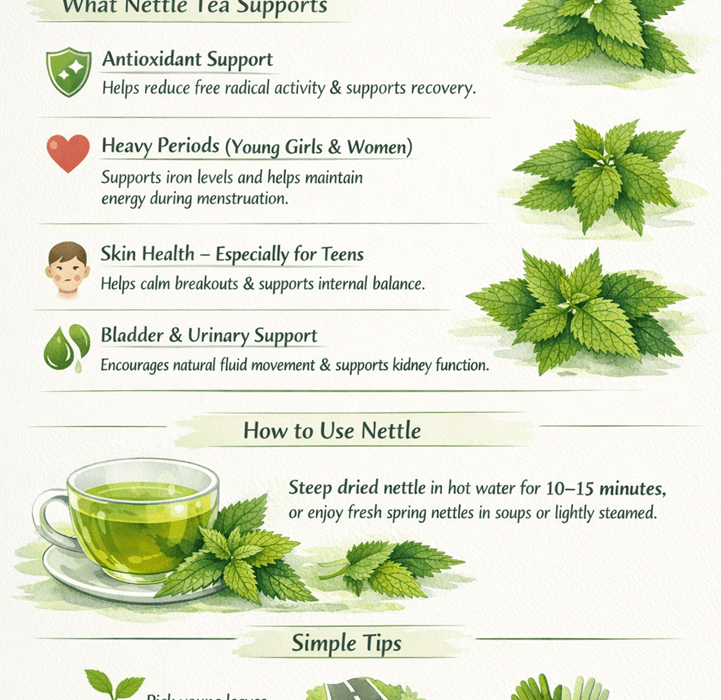
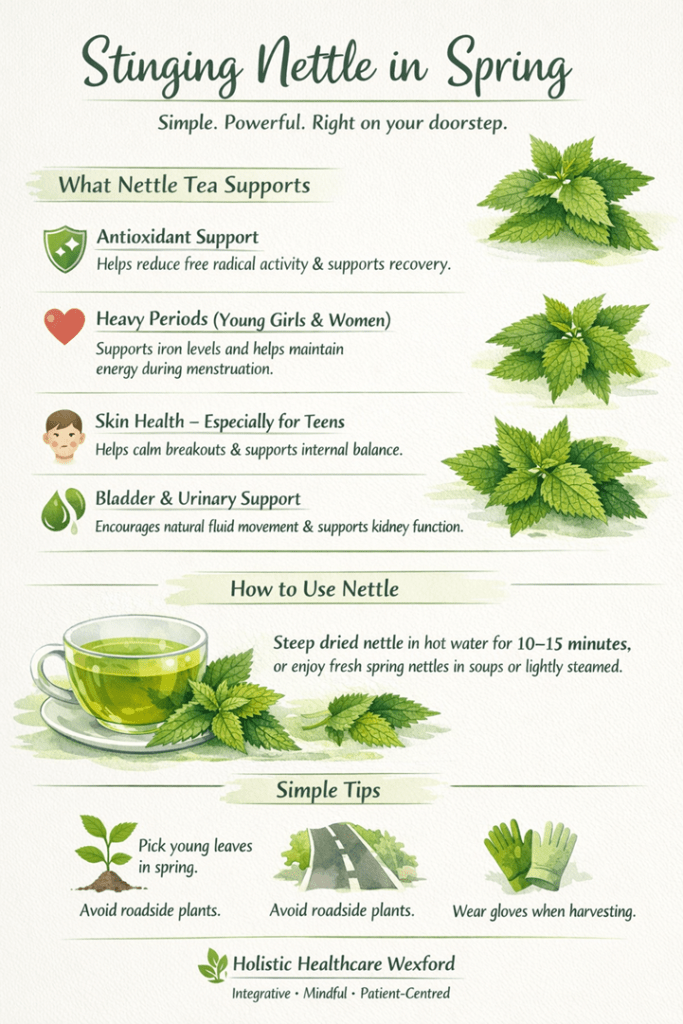





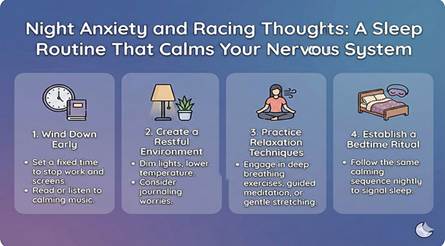

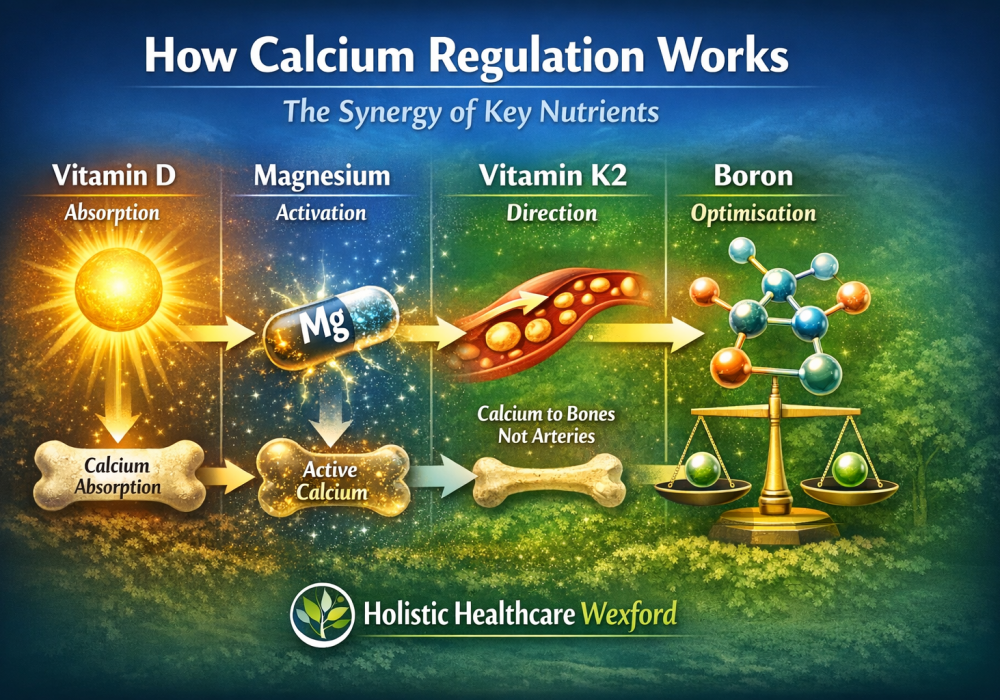
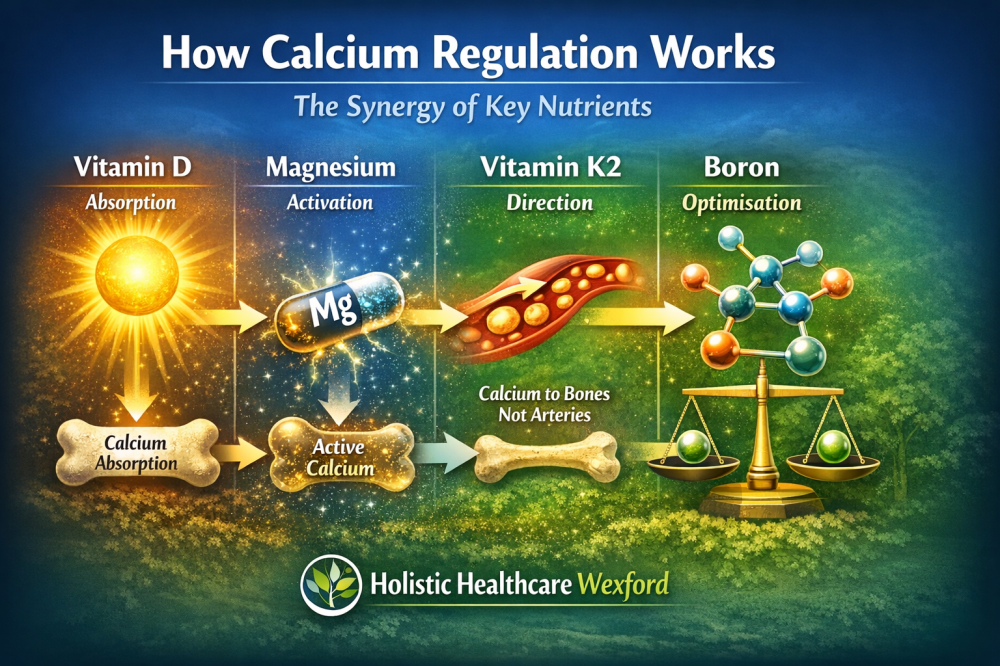
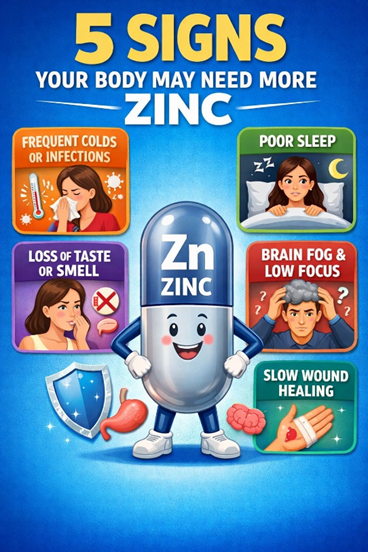
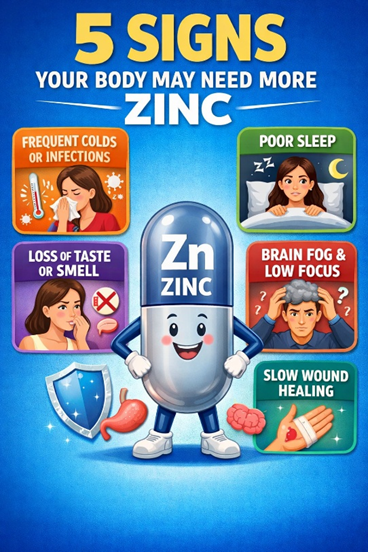

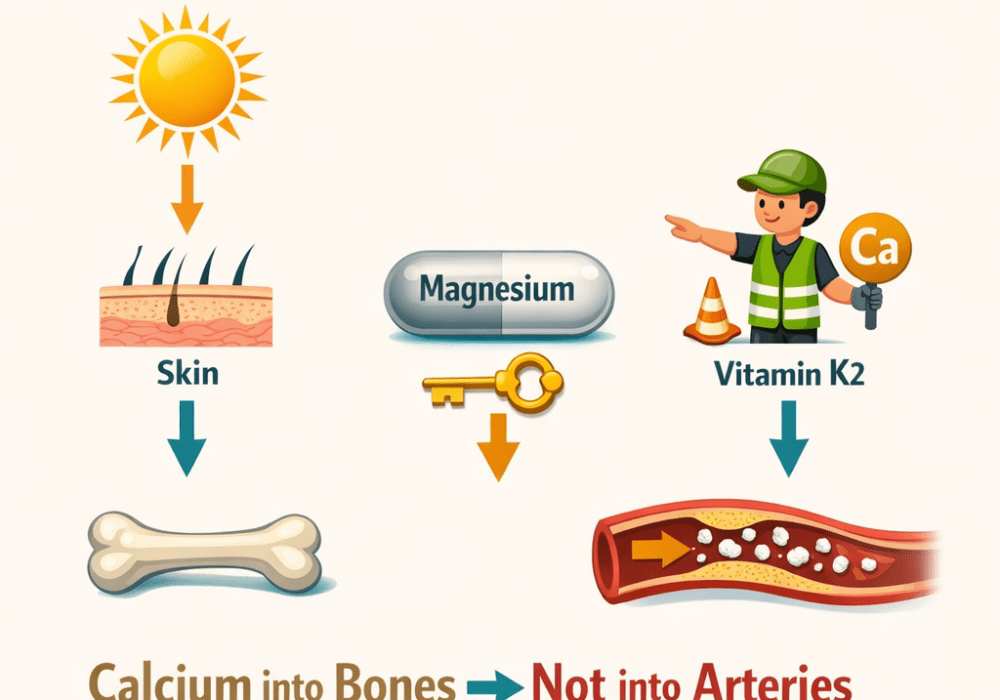
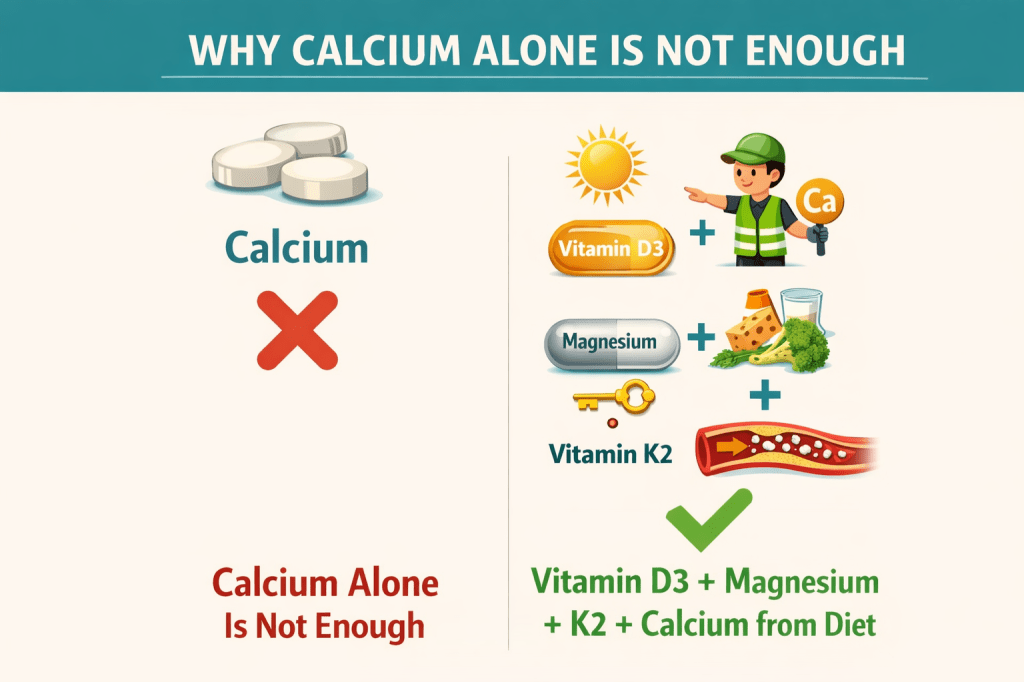
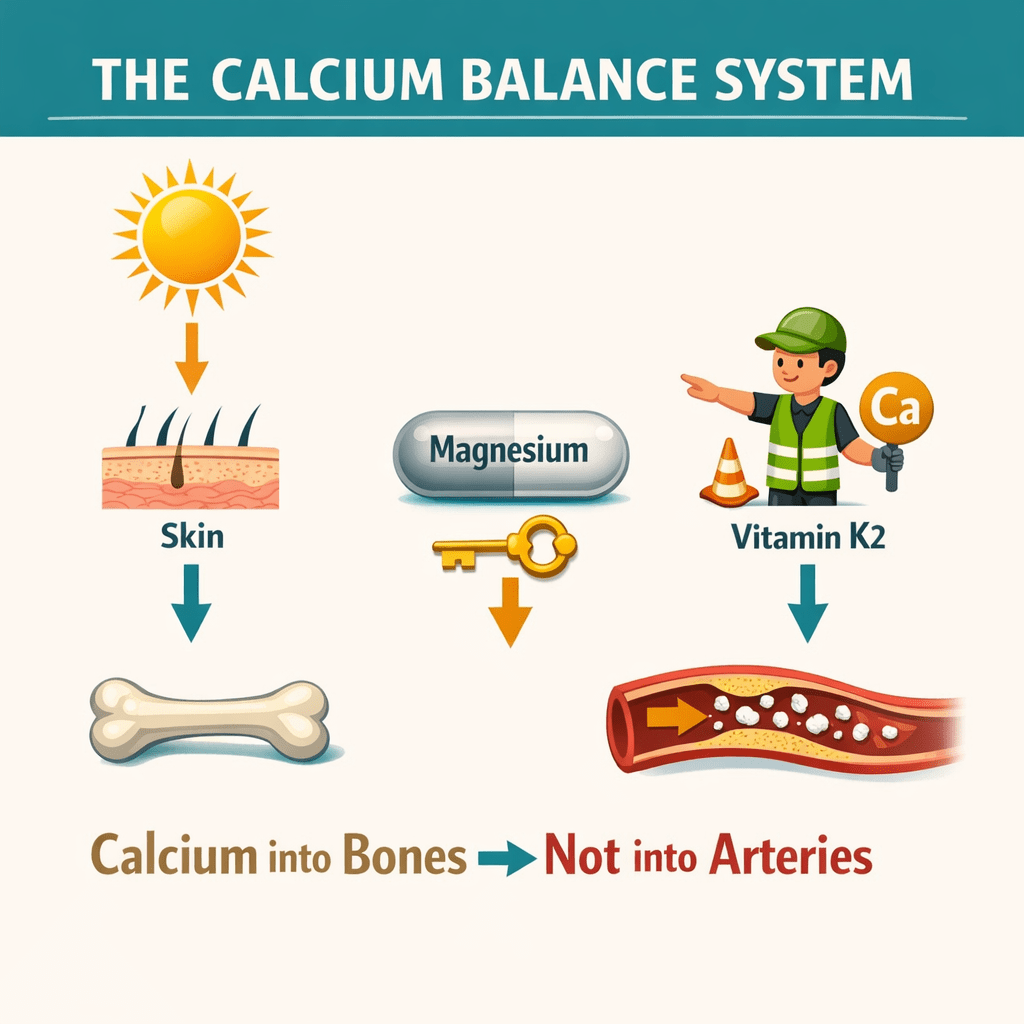




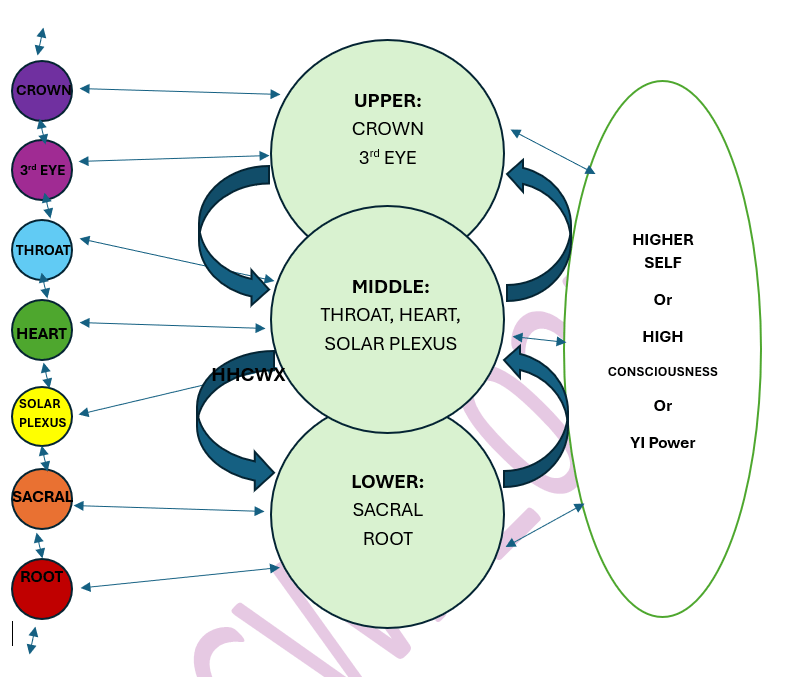



 Holistic Healthcare Wexford