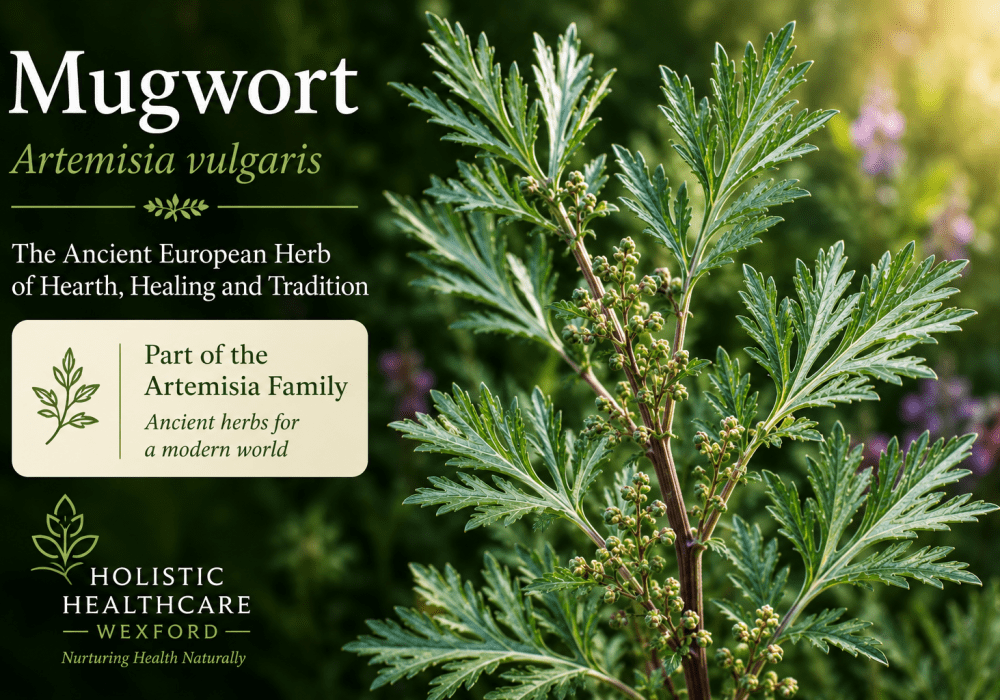
Mugwort (Artemisia vulgaris)
The Ancient European Herb of Hearth, Healing and Tradition
By Dr Catherine W. Dunne MSc.D., RGN (GPN), M.H.I.T.
Some herbs earn their reputation through scientific discovery.
Others have quietly woven themselves into the fabric of everyday life for so many centuries that their origins become almost impossible to trace.
Mugwort (Artemisia vulgaris) belongs firmly in the second category.
Long before medicine became organised into textbooks and universities, Mugwort was already growing along roadsides, beside hedgerows and at the edges of cultivated fields throughout Europe and Asia. It accompanied travellers on long journeys, found its way into monastery gardens and was valued by generations of herbalists who regarded it as one of the continent’s most dependable medicinal plants.
Unlike its close relative, Sweet Annie (Artemisia annua), whose worldwide recognition came through the discovery of artemisinin, Mugwort has earned its place through centuries of continuous traditional use.
It is, in many respects, Europe’s Artemisia.
Strong, resilient and wonderfully aromatic, Mugwort has been associated with digestion, women’s health, nervous system support and ceremonial traditions for well over a thousand years. It has also played an important role in Traditional Chinese Medicine, where the dried leaves are used in the practice of moxibustion, applying gentle warmth to acupuncture points to support the body’s natural balance.
Perhaps that is what makes Mugwort so fascinating.
It has never relied upon one remarkable discovery.
Instead, it has quietly remained a trusted companion to countless generations, adapting to different cultures while retaining its distinctive place within herbal medicine.
Today, Mugwort continues to attract interest from gardeners, herbalists and researchers alike. Although modern science has begun exploring its chemistry and biological properties, much of its appeal still lies in its rich history, its unmistakable fragrance and the enduring respect it has earned over centuries of traditional use.
Sometimes the oldest herbs still have the newest stories to tell.
A Plant of Many Names
Depending on where you live, Artemisia vulgaris may be known by several different names.
- Mugwort
- Common Mugwort
- Felon Herb
- Sailor’s Tobacco
- Traveller’s Herb
- Chrysanthemum Weed (in some regions)
- Artemisia vulgaris (Botanical name)
Occasionally it is also referred to as Original Mugwort, particularly by herbal suppliers wishing to distinguish it from other members of the Artemisia genus. While the term is descriptive, Common Mugwort remains the more widely accepted common name.
Although closely related to Sweet Wormwood (Artemisia annua) and Wormwood (Artemisia absinthium), Mugwort possesses its own unique chemistry, history and traditional applications.
Understanding these differences is one of the foundations of safe and informed herbal practice.
Meeting Mugwort
Unlike the delicate elegance of Sweet Annie, Mugwort possesses a stronger, more rugged character.
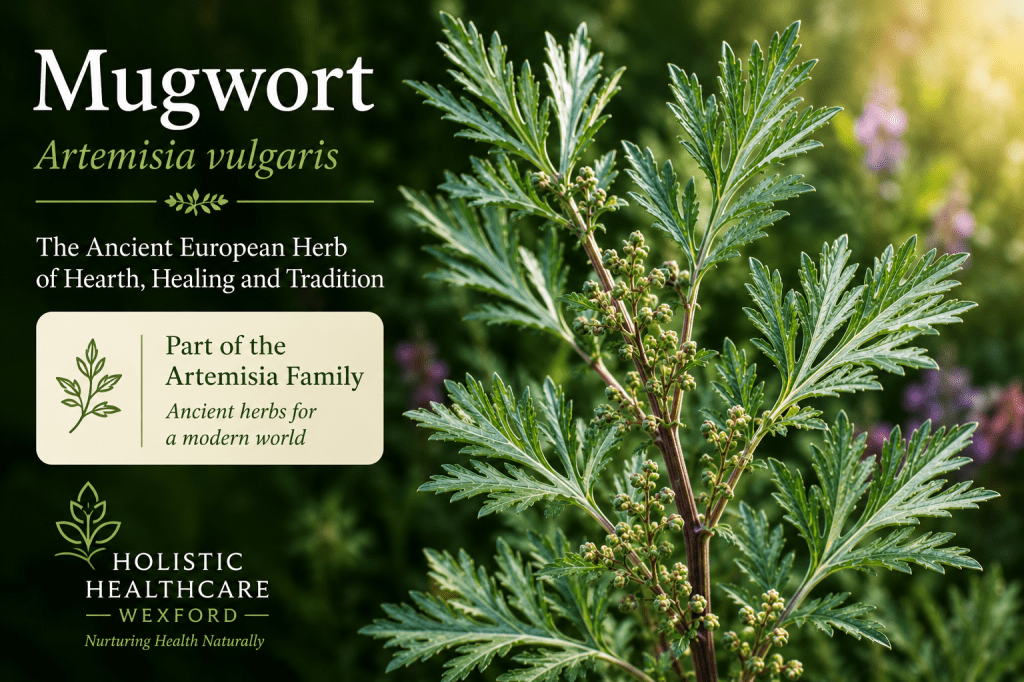
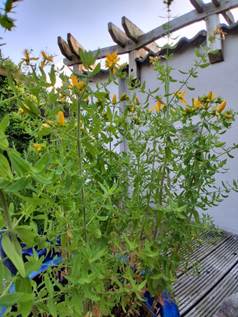
It is a perennial herb, returning faithfully year after year from its extensive underground root system. Given the right conditions, it can grow well over one and a half metres in height, producing upright reddish-green stems clothed in deeply divided, aromatic leaves.
One of the easiest ways to recognise Mugwort is to turn a leaf over.
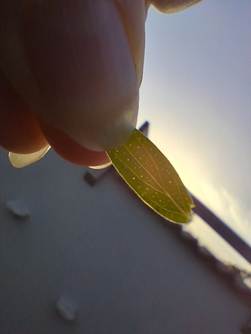
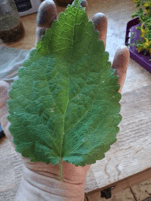
Its upper surface is rich green, while the underside is covered in a distinctive silvery-white fuzz that catches the light and almost seems to shimmer in the breeze. Once seen, it becomes a characteristic that is difficult to forget.
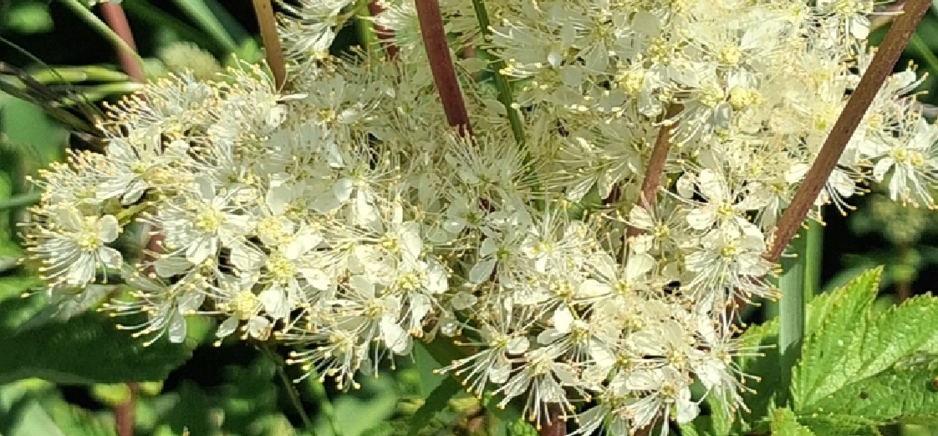
From midsummer onwards, the plant produces clusters of small reddish-brown to yellowish flower heads. Individually they are modest, but together they create elegant sprays that gently sway above the surrounding vegetation.
Rub a leaf gently between your fingers and the plant immediately reveals another of its defining features—its unmistakable aroma.
Warm, earthy, slightly resinous and faintly spicy, the fragrance is unlike almost any other British or Irish wild herb. It is a scent that has accompanied travellers, herbalists and country folk for centuries.
Perhaps that explains why Mugwort has inspired so much folklore throughout history.
A Traveller’s Companion
Long before modern roads and railways connected towns and villages, journeys were often made on foot.
Travellers frequently carried herbs with them, both for practical reasons and for comfort during long days on uneven tracks. Mugwort became one of those faithful companions.
Historical accounts describe the leaves being placed inside shoes to help reduce tired feet during long walks. Others believed the herb offered protection during travel, encouraging safe journeys and warding off misfortune along the way.
Whether these traditions arose from practical experience, symbolism or simple reassurance is impossible to know.
What is certain is that Mugwort earned enormous respect throughout Europe.
Its reputation became so widespread that it appears in some of the earliest surviving Anglo-Saxon medical writings, including the famous Nine Herbs Charm, where it is listed first among the healing herbs.
For generations, Mugwort was regarded as a plant worthy of keeping close at hand.
Mugwort in Traditional Herbal Medicine
Across Europe, Mugwort gradually established itself as one of the great traditional digestive herbs.
Herbalists commonly turned to it to stimulate digestion, support the appetite and ease feelings of fullness after meals. Its naturally bitter constituents were thought to encourage healthy digestive secretions, a principle that still underpins the traditional use of many bitter herbs today.
Mugwort also developed a long association with women’s health. Historical herbal texts describe its use in supporting the menstrual cycle, although modern herbal practice approaches these traditional uses with appropriate caution and individual assessment.
Beyond digestion and women’s wellbeing, Mugwort was often regarded as a herb that gently supported the nervous system. Many traditions associated it with relaxation, vivid dreams and restful sleep, although these historical beliefs are not supported by the same level of scientific evidence as some of its other traditional applications.
Like many medicinal plants, Mugwort carries centuries of traditional knowledge that continue to intrigue both herbalists and researchers today.
East Meets West
One of the most fascinating aspects of Mugwort is that it developed important roles in both European and Asian traditions, often independently of one another.
In Europe, it became known primarily as a digestive and women’s herb.
In Traditional Chinese Medicine, however, dried Mugwort leaves became the foundation of moxibustion—a practice in which the processed herb is gently burned near specific acupuncture points to apply therapeutic warmth.
Unlike acupuncture, which uses fine needles, moxibustion relies upon carefully controlled heat. The technique continues to be practised throughout many parts of the world today and remains one of the oldest therapeutic applications of the Artemisia family.
It is remarkable to think that the same humble plant growing along a country lane in Ireland belongs to a tradition that has been respected across continents for centuries.
Mugwort Through Modern Eyes
Like many traditional medicinal herbs, Mugwort has attracted increasing scientific interest over recent decades. Researchers have identified a rich and complex mixture of naturally occurring compounds, including essential oils, flavonoids, phenolic acids, coumarins and sesquiterpene lactones.
Together, these constituents contribute to the plant’s characteristic aroma and bitterness, while also providing the foundation for ongoing scientific investigation.
Modern research has explored Mugwort’s antioxidant, antimicrobial and anti-inflammatory properties, although much of this work remains at the laboratory or experimental stage. As with many herbs that have been used traditionally for centuries, there is often far more historical experience than high-quality clinical research.
This is not unusual.
Many medicinal plants have a long history of traditional use but are only now beginning to receive the scientific attention they deserve.
As healthcare professionals and herbalists, it is important to appreciate both perspectives. Traditional knowledge offers valuable observations accumulated over generations, while modern research helps us understand how, why and when these plants may be used safely and appropriately.
Growing Mugwort
One of Mugwort’s greatest strengths is its resilience.
Unlike Sweet Annie, which completes its life cycle within a single growing season, Mugwort is a hardy perennial. Once established, it returns faithfully each spring, often growing with remarkable enthusiasm.
It thrives in full sun but is equally happy in partial shade, tolerating poor soils where many cultivated plants struggle. In fact, it often seems to flourish where little else wishes to grow, making itself at home along hedgerows, roadside verges, riverbanks and neglected corners of the garden.
For gardeners, this resilience comes with one small word of caution.
Mugwort spreads.
Its underground rhizomes can gradually form impressive colonies if left unchecked. While this makes it an excellent choice for naturalistic planting, many gardeners prefer to give it a dedicated area where it can expand without overwhelming neighbouring plants.
Once established, however, it asks for very little in return.
Harvesting Mugwort
Traditionally, the leaves and flowering tops are harvested during the summer months, ideally just before or as the flowers begin to open. At this stage, the aromatic oils are generally at their most abundant, and the plant retains its fresh green vitality.
Harvesting is best carried out on a dry morning after the dew has evaporated but before the heat of the day becomes intense.
The stems can then be gathered into small bundles and hung upside down in a warm, airy, shaded place until completely dry. Once dried, the leaves retain much of their characteristic aroma and may be stored in airtight containers away from direct sunlight.
Many herbalists will tell you that opening a jar of well-dried Mugwort months later immediately transports them back to the warmth of summer.
There is something deeply satisfying about preserving that connection with the seasons.
A Herb That Bridges Cultures
Few medicinal plants have travelled quite as widely through human history as Mugwort.
It has grown beside Roman roads, appeared in medieval monastery gardens, featured in Anglo-Saxon healing traditions and become an integral part of Traditional Chinese Medicine through the practice of moxibustion.
Across continents and cultures, people discovered something worthwhile in this remarkably adaptable plant.
Although the reasons for its use have varied from one tradition to another, a common thread remains.
Mugwort has always been regarded as a herb worthy of respect.
Perhaps that is one of the reasons it continues to fascinate herbalists today.
Not because it promises miraculous cures.
But because it reminds us that some of the greatest treasures in herbal medicine are the plants that have quietly stood beside humanity for centuries, asking for little attention while offering their gifts to anyone willing to learn.
Final Thoughts
Every member of the Artemisia family tells a different story.
Sweet Annie reminds us that ancient herbal wisdom can inspire discoveries that transform modern medicine.
Wormwood teaches us about the importance of bitter herbs and the careful balance between benefit and caution.
Mugwort, however, tells a quieter story.
It is the story of ordinary people.
Of travellers who tucked its leaves into their boots before long journeys.
Of herbalists who gathered it from hedgerows each summer.
Of gardeners who admired its silvery foliage.
And of physicians who, generation after generation, continued to value a plant that asked for little yet gave much.
Perhaps that is why Mugwort has never really disappeared.
It has simply been waiting patiently for another generation to rediscover it.
I hope you feel inspired. Look after your body, and it will keep you healthy.
Catherine

CWD | 12 July 2026 | Ireland
Holistic Healthcare Wexford
Integrative · Mindful · Patient-Centred
About the Author
Dr Catherine W. Dunne MSc.D. is a Registered General Nurse with over 37 years of clinical experience in primary care in Ireland. Alongside her work in General Practice Nursing, she is the founder of Holistic Healthcare Wexford and co-founder of Aumvedas Academy.
With a background that bridges conventional medicine, herbal medicine and holistic practice, Catherine has a particular interest in patients who are often told, “everything is normal,” yet still feel unwell. Her work focuses on helping people better understand what their body is communicating, particularly in relation to nutrition, herbal medicine, stress, metabolic function, recovery and long-term wellbeing.
Through a combination of clinical knowledge and holistic support, she is passionate about empowering people to make informed choices about their health while respecting both evidence-based medicine and the long tradition of herbal practice.
Based in Wexford, Ireland.
Disclaimer
This article is intended for informational and educational purposes only and should not be considered medical advice. It is not a substitute for consultation with a qualified healthcare professional. Always seek appropriate medical guidance regarding your individual health needs before making changes to your treatment, medication or healthcare plan.
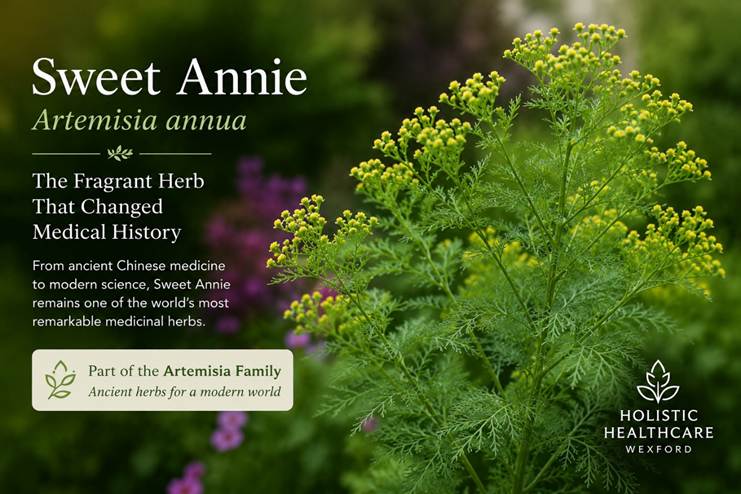










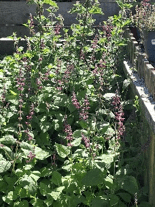
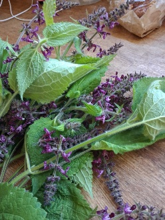

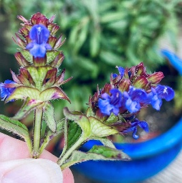
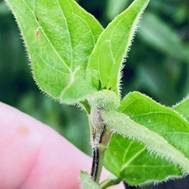
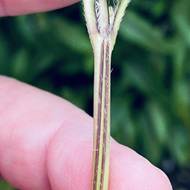
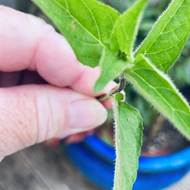

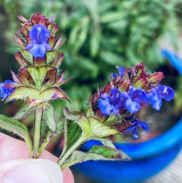

 combines beautifully with apple cider vinegar and honey.




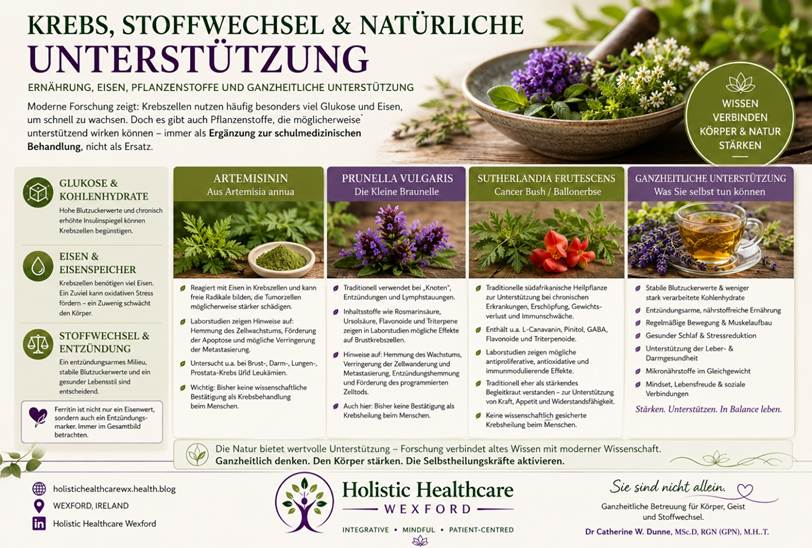

 Holistic Healthcare Wexford