Cancer Treatment and the Holistic View

Most definitions of cancer broadly conform to the current NCI definition: “Cancer is a disease in which some of the body’s cells grow uncontrollably and spread to other parts of the body.” 

By Dr Catherine W Dunne MSc. D. (Hon), Reiki Master (RGMT), M.H.I.T: Master Acupressure, Practitioner of Reflexology, Aromatherapy, Deep Tissue/Myo-fascia Massages, Infrared Treatments, Vibrational Sound and Colour Therapist, Tissue Salt Advisor, Pendulum Healing Dowser, Chakra Practitioner , Tao Cosmic Healing Practitioner, Practitioner of Plant and Herb Medicine and Nurse.

These definitions tend to describe what cancer “looks like” or “does” but do not describe what cancer “is” or “has become.” 

Hi, and welcome to my today’s post. My intention is not to discuss the treatments for cancer. My intention is to discuss the “side-effects”; how the diagnosis and treatments affect the person, and why it is important to offer holistic approaches during those times.

I have a client who has breast cancer.
The diagnosis, as expected, was a shock to the “system”-self and family and friends. Once the diagnosis and type was confirmed, everything has been and still is happening very fast.
The more I think about this, the more I conclude, that because from time of diagnosis to treatment is a highspeed roller-coaster-ride, it is actually good that this happens so fast. If you are given too much time to think and dwell on the idea of having cancer, too many boxes filled with questions, cans of worms, are opened … and time is of the essence … how long would it be, before you’d make the decision this is “good” for you? Would it be too late?

She is a very optimistic person. With a Pharmaceutical background, she was aware of the chemical side-effects. But she decided to embrace it and face it full on. She started to look for holistic practitioners near her, having studied all the profiles, she was amazed to find someone less than 6 minutes up the road from her, and someone who is a practicing Medical Professional. This is Ireland.

From hereon in, I shall refer to her as Yvonne. I am protecting her identity.

Yvonne rings me one day asking for a Reiki session. I gave her an appointment. The following week we met for the first time. Yvonne explained her journey to me; how Breast Check had a cancellation and had rung her, asking if she was free that afternoon to attend … her planned appointment wasn’t due for another 5-6 weeks. This is October 2023. She works close by and agreed to go.

Yvonne is very spiritual. But more so secretively. She had a hunger to learn something along the holistic paths, not quite sure what though. Work is taxying. Very demanding. No longer satisfying. Yvonne had already looked into meditations, started reading up on the powers and benefits of crystals, before the call from Breast Check came, offering her a cancellation appointment.

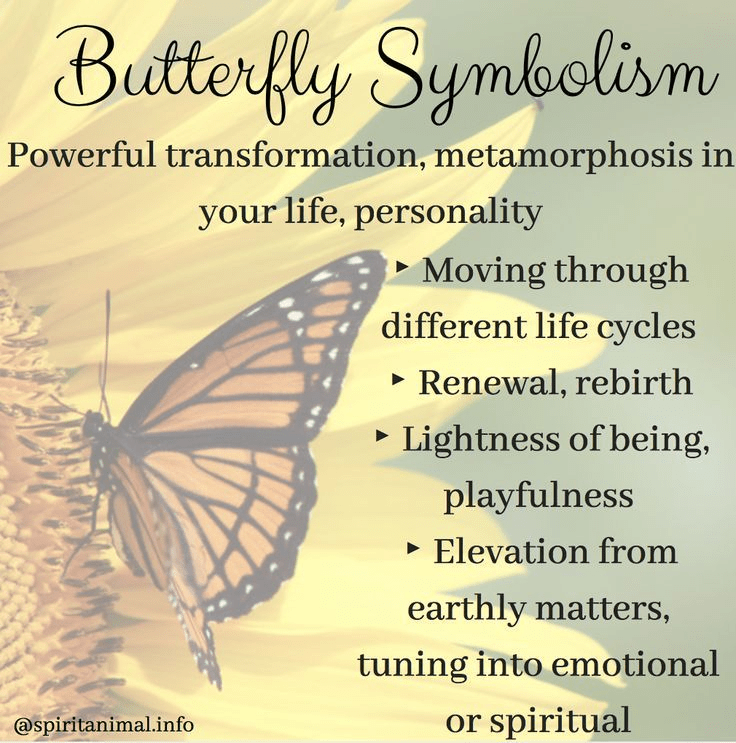
Butterfly

Yvonne started her first chemo treatment at the start of December and had another before Christmas. Yvonne’s first visit to me was some time in November. She had done “her homework” in regards to Reiki and knew what to expect. The first 30 minutes we just talked about the diagnosis itself, how she felt about it, and her family … still sinking in … but determined not to allow cancer to get the better of her. I introduced myself to her, given her my background history. I explained that while Reiki is Energy Healing, with all the various types of Energy Healing under my belt, today it is difficult for me, JUST to do Reiki – in the traditional sense, I mean. I also explained that the terms “Healer” and “Therapist” when it comes to these type of therapeutic treatments have never sat well with me, and that I haven’t come across a term I like. And if you, the reader, are a Reiki Practitioner, you know we are not Healers, but Conductors.
I explained I will start off today’s session as a typical Reiki session, but as I also do ByoSen, if I pick up something, I will give that part of the body my 100% attention. Was she happy with this?
This first session was not long after the biopsy and was awaiting it’s result. Still sore.

My hands are very sensitive. I knew why she was here and knew what to expect in the chest area. I felt the cancer in her breast. I felt it large and strong (how big in size it actually was, I couldn’t tell you, but it’s EGO was large and strong!) What I hadn’t expected was the energy around her ovaries. Dark and hungry, is how I would describe this energy. Made me feel sick in my stomach. (Downside of being an Empath).
I explained to Yvonne what I was picking up and that I did not believe the cancer to be in the ovaries, but the breast cancer is on the Mama gland pathway and so connected to the ovaries – energetically for now. I also explained, that for that session, I wanted to remove this energy from the ovaries and “retract” it and confine it only to the breast. But, this was Friday and next Friday was surgery and I wanted her back on Tuesday before that surgery. I felt this cancer to be strong minded and if not curtailed, would get a run … Yvonne agreed to return on Tuesday.

Just to give you an idea, the energy over her ovaries was palpable 3 feet above her abdomen. 3 feet up. I forced it down and away from her ovaries with great effort.
Just as we were finishing up, something caught my attention. I looked around to see what it was … and there on the window was a butterfly, flying up and down the window inside the treatment room. I was surprised to see on and said out loud:” wow, there is a butterfly … ” and Yvonne, laid there, smiling at me and said: “I thought I had heard wings flapping … this is amazing! Too amazing to be a coincidence“. The question mark on my face must have been visible to her. Yvonne went on to explain, that earlier in 2023 a close friend of hers had died. A butterfly was with the coffin all the time. This friend was a great believer in butterflies.

Excerpt of the meaning of Butterflies in the spiritual sense:

Butterflies represent transformation, rebirth, freedom, and hope in different cultures and traditions.
In many cultures also, butterflies symbolize the soul’s journey after death and the process of spiritual evolution.

When she returned on Tuesday, Yvonne told me she had told her friends about the butterfly and they couldn’t believe it either. Remember, it’s winter.
Yvonne made herself comfortable on the treatment couch. I examined her and the energy was back over the ovaries, weak, but back.
What happened next was a first for me. Yvonne felt it, I felt it and struggled at first with it.
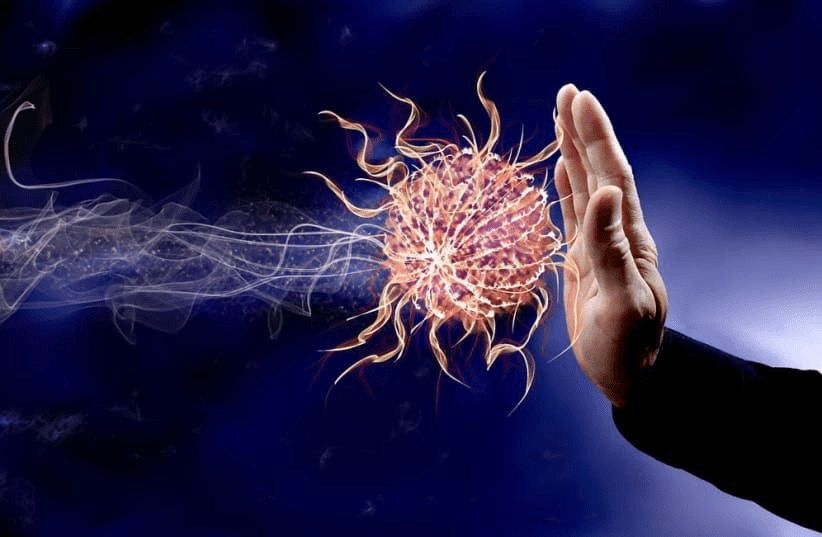
I managed to capture the cancer’s energetic body and forced it back on itself. I managed to “crack” this cancer’s large EGO. I felt sick to my stomach, heaving, but carried on. I was now down on my knees, holding on to this energy … no way on God’s given Earth was I letting go. AA Michael and Raphael were there and the Butterfly. The room flooded with an electric blue and I knew I was doing good. I was doing right. It felt like 30 minutes, and when all was completed, 1.5 hours had passed. This “big headed, ego driven” cancer now was no larger than a walnut.
In 3 days she was having surgery. Mastectomy was last resort, if cancer, as per CT scan, really was that big.
I texted Yvonne before Christmas, how did the surgery go?
“All went well. All good. Surgeon surprised at size … was much much small that expected!”
Brill! Merry Christmas, and I’ll see ya in January. C.


Chemotherapy

Eight rounds of Chemo, followed by 15 radiotherapies! Good Lord! That’s a lot of toxin the liver has to work through.
Next week is round 6.
Hair is starting to thin out after round two. Still in relatively good form and eager to learn all things to do with Complementary therapies.
Round 3. Noticed the tiredness setting in. Yvonne informs me that she has great support from families and friends.
Round 4. Viral infection. Cancelled.
Round 4. Looking to get wig made, doing a lot of meditation, son is keeping her busy with school. She is actually taking the cancer now as a “sign” that she had to spend more time with son and help with school.
Round 5. First Triple treatment. Was told will cause pins & needles to hands and feet, including numbness. If unable to send text messages, to report back. Needless to say, the whole worlds is texting her…. lol. Me too and offered her a wellness treatment on me.
Round 6: next week.

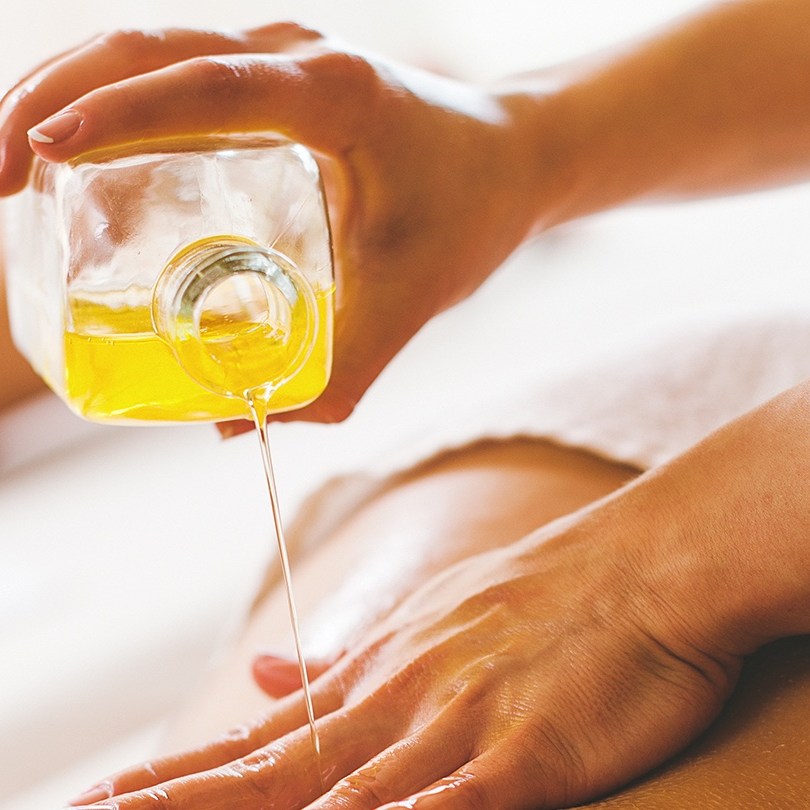
For today, Easter Saturday, I gifted her a Wellness Session. A full body massage including facial, but at her request, left out head massage. 2 hours. Reflexology Hand and Foot massage. Lymphatic Drainage. Acupressure on sciatica. Aromatherapeutic back, neck and shoulder massage. Facial with massage. And all with homemade balms and creams and infused oils.
Yvonne arrived and I seen her struggle. Her body clearly was aching all over. Hoovering hurts her. Gets triggered when asked “how ye doing?” “is there anything I can do for ye?
Feeling very peri-menopausal. Hot flushes and then freezing cold. Moody. Forgetfulness. And now numbness in left foot. Pins & needles in toes and fingers.
All the while she’s explaining her woes to me, I see a fragile person in front of me, who is putting on a brave face. And she only today “copped” the notion of what it means to be an Empath. Today came as a blessing to her. Today came at the right time for her. “How did you know I needed this?” …
2 hours later, she felt light like a feather. Her posture was straight and positive.

When Yvonne starts her radiotherapy, it’s Monday to Friday with weekends off for 3 weeks. This is in June.
I won’t be able to give her face to face support, but will, between now and June, set up something for her, to draw on … and then there is always Distant healing, right?

Here in Ireland, Reiki in hospital setting is fit only for End Of Life … why? That is beyond me. Anybody going through cancer deserves better.
Why can I not sit with her for those 3 hours of Chemo and offer Reiki and Reflexology? I may not even end up giving 3 hours to her, I may share myself to those in the same room as her. Reflexology, Foot and hand massage goes a long way, when you are feeling low, mood wise.
You do not need to be an Empath to feel/see what’s needed. Look into your heart and see what you would like to have, when more or less living in “lockdown” scenarios during chemo~ and radiotherapy. Think about it: 8 sessions Chemo at fortnightly basis, pause, then 15 sessions Radiotherapy, Monday to Friday x 3 weeks.

Two more things I wish to highlight:
1) today I let the butterfly out and sat it on a dandelion.
2) I am not charging her.


Catherine
CWD 30 March 2024/Ireland


The Grandmaster – The Term, does it exist?

Grandmaster … what is a Grandmaster supposed to know or do? Can you only be a Grandmaster of one Modality and not another, despite being similar in nature?

In the run up to Easter, I had a week off work and whilst “pottering around”, getting house ready for Easter … I spent time on this exact question.

Let’s take the most popular Modality, one that EVERYBODY is now doing and feel the need to achieve everything yesterday: Reiki. And yes, I am a Master/Teacher in Reiki, and I have been continuously studying and practicing Reiki since my first attunement in 1983. I “only” achieved my Master /Teacher status in 2014.

And while many associations never accepted me teaching Reiki online My Way and long before Covid Lockdowns, I find it quite astonishing, how these so-called Reiki Institutes can change their minds, right? By the way, my way of online studying, you had to, and still have to work hard for it. It takes weeks. Feedbacks and more. You don’t achieve your title from me within hours of you having read the PDF and accepting a Chi Ball like many do and those who bought in to it, wonder why it isn’t working out how they had imagined. But this is a subject for another blog … 😉

So my question is: Can one be a Grandmaster and if so, can one be on of a generic term/title/subject?

What I am trying to ask here, take me for example: I have been doing energy work since my teens. I started with a Pendulum and over the years became proficient with them. Since my teens, I have also had a huge interest in Chakras and so studied them, having read many books and through Reiki. Today, I combine Reiki with Chakras by using my Pendulum. Studied Touch for Health – Dr John Thiel and Cosmic Healing – Mantal Chia (Master). When studying Chakras and Cosmic Healing and Daoism and Touch for Health and Reiki, Prana … you soon discover, each corner of the world has the similar Healing Modality, just called different. Who taught whom, if at all, may be questionable, but I guess Jesus was THE Great Grandmaster in Energy Healing.
Herbalism, Essential Oils, homeopathy, Sound Therapy, Colour Therapy, applied pressure therapies such as Reflexology and Acupressure and Meridian manipulation by Acupuncture, and not forgetting the most multi-modalities under TCM and Ayurveda, to me are all Energy Healing Modalities. How the harnessed energy is applied to the client – as long as you don’t use your own – in the broader term is irrelevant, but relevant to the treatment required and applied for this client, at this moment, and the reason for treatment.

What is expected of a Grandmaster of Energy Healing Systems, if such a term should really exist?
– to know everything?
– to teach one or more modalities?
– be always available, not just to clients but to current and former students?

If you are a Master/Teacher of Reiki = Rei = Universal Energy and Ki (Chi/Qi) = Life Force and a Master in Chakra Treatment, Pendulum (Frequency) for Healing, Acupressure, Crystal Therapy, a frequent Practitioner of Dao Cosmic Healing, Kinesiology, Reflexology, Sound (Vibrational) and Colour (Frequency) Therapy, and even Massages … does this make you an overall Master or Grandmaster of Energy Healing Systems?
I’d like to think the latter, but I am open to suggestions. Let’s discuss this.


I am also the author of Reiki 19 & 20 of the Reiki Grandmaster Series (non-traditional). Those two symbols and attunements came to me as I was studying Ho’oponopono. There you go, another Energy Healing System I had forgotten to mention above. But during my annual leave and pondering on the Grandmaster concept, another symbol came to me. But this one is different all together. It is not a symbol to be attuned to. If you are truly a Master in your multi-modalities and apply several during your healing session in combination for several years, I believe you are “given” your symbol. Like a Name. It is YOURS and YOURS alone. When I started to apply this symbol at the start of my Reiki Sessions, not only have I felt the energy flow through me and not only does the client’s body “speak to me” loud and clear, but the client also describes an energy moving through them, like never felt before. And they would have come to me in the past.

So my conclusion is that if you “rush” learning weekend workshop/online pdf Reiki, just to get the certificate for Reiki 1 & 2 and then after 21 days pick up Reiki 3&4 (4 doesn’t really exist but in modern times, Reiki Master/Teacher = 3a and 3b = the setting up of business … you go figure), just so that you can be called RMT, you have not learnt a whole lot! Where is your gained knowledge coming from? What experiences have you gained? Have you discovered subtle energy feedbacks from your client? Have you found a common energy pulse each human organ emits? Can you feel the energy of a sick organ before the client knows about this organ being unwell? What has a Reiki Master Teacher learnt to have earnt that title within a space of what, 6 weeks? I rest my case.

I have gained many experiences, certificates, and diplomas of various energy healing modalities over the past 38 years. I would like to think, I have earned the Title Master/Teacher of Energy Healing Systems, whilst being a RMT.

You are a perfect soul. You have everything you need already inside of you

And if you are a Reiki Practitioner for 5+ years, why have you not taken the next step and become the Master/ Teacher in Reiki?

Happy Easter Monday 2023.

Warm Wishes to you all.

Catherine

CWD April 10th, 2023, Ireland

Asthma – Complementary Self Help

Asthma

Roughly 34 million Americans now have asthma, about 7 million to 8 million of which are children. Asthma is behind 12.8 million missed school days and 10.1 million missed work days in the U.S every single year. In addition, asthma costs the U.S. about $14.7 billion a year in medical costs, prescription drugs and lost productivity — leading many people to search for home remedies for asthma.

Here’s something that might surprise you: Although asthma medications can help control symptoms in the case of an emergency attack, they can actually sometimes make asthma symptoms even worse long term. Most asthma medications also have a host of side effects due to how they affect the endocrine system and the immune system. Research shows some asthma drugs might contribute to problems including mood changes, acne, yeast growth and weight gain — plus over time they might hinder normal immune functions that make allergic and asthmatic reactions more frequent.

What are some effective, holistic ways of treating asthma that can help prevent attacks instead? Home remedies for asthma that don’t require taking prescription medications or even using inhalers include limiting irritant exposure, reducing food allergies, improving gut health, supplementing with vitamin D or getting more naturally from the sun, and maintaining a healthy weight.

What Is Asthma?

Asthma is a condition characterized by difficulty breathing and narrowing of the airways leading to the lungs (including the nose, nasal passageways, mouth and larynx). In people who have asthma or allergies, the blocked or inflamed airways that cause asthma symptoms can usually be cleared with help from certain lifestyle changes and treatments.

Asthma is a type of chronic obstructive pulmonary disease (COPD) and is also related to allergies, whether seasonal/environmental or food-related. A characteristic of asthma is that symptoms tend to occur suddenly in response to stimuli that irritate the immune system and air passageways, which is described as having an asthma “attack.”

Following are home remedies for asthma that can help treat this often inhibiting condition.

Home Remedies for Asthma

1. Best Foods for Treating Asthma

Eating a healthy diet supplies asthma sufferers with antioxidants and nutrients to combat environmental toxins, control inflammatory responses and reduce dietary triggers. Eating a wide variety of foods can ensure that you or your child gets all the nutrients needed to support strong immunity. There have been numerous studies that show consuming the right foods can be the one of the best home remedies for asthma.

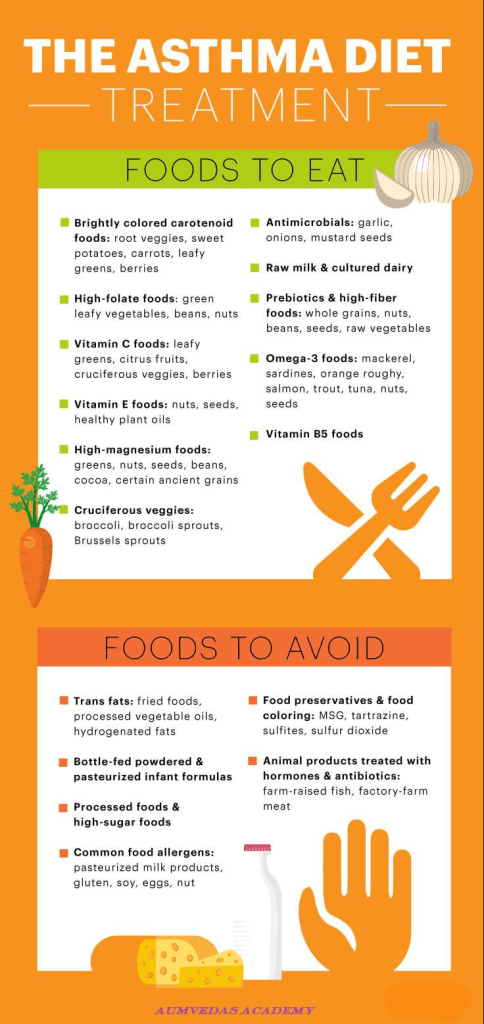
Some of the most beneficial foods to include in your asthma diet plan are:

• Brightly coloured carotenoid foods: This compound gives fruit and vegetables their orange or red colour and can help reduce asthma attacks. Carotenoids are the basis of vitamin A, which is involved in the maintenance of healthy mucous membranes that line the air passageways. Severity of asthma correlates with low vitamin A, so increase your intake of things like root veggies, sweet potatoes, carrots, leafy greens and berries. A study of 68,000 women showed that those who ate more tomatoes, carrots and leafy greens had much lower rates of asthma and that people prone to asthma tended to have low levels of circulating carotenoids in their blood.

• Foods with folate (vitamin B9): Folate reduces allergic reactions and inflammation. It might be capable of lowering wheezing by regulating inflammatory processes as well. High-folate foods include green leafy vegetables, beans and nuts.

• Vitamin E and vitamin C foods: Vitamin C is a powerful antioxidant and helps detoxify the body, which is why some research suggests that consuming more vitamin C reduces wheezing and inflammation. Vitamin C is found is leafy greens, citrus fruits, cruciferous veggies and berries. Vitamin E is another powerful antioxidant found in nuts, seeds and healthy plant oils.

• Foods with magnesium: Low levels of magnesium are associated with increased risk of developing asthma, and increasing magnesium has been shown to reduce severity of asthma attacks and symptoms like muscle-spasm anxiety. It’s been found that magnesium can induce bronchial smooth muscle relaxation and allow air to get into and out of the lungs more easily. Sources include greens, nuts, seeds, beans, cocoa and certain ancient grains.

• Broccoli, broccoli sprouts, Brussels sprouts and other cruciferous vegetables: These contain many antioxidants and a key compound called sulforaphane. Researchers from UCLA state, “A major advantage of sulforaphane is that it appears to increase a broad array of antioxidant enzymes, which may help the compound’s effectiveness in blocking the harmful effects of air pollution. We found a two-to-three-fold increase in antioxidant enzymes in the nasal airway cells of study participants who had eaten a preparation of broccoli sprouts. This strategy may offer protection against inflammatory processes and could lead to potential treatments for a variety of respiratory conditions.”

• Garlic, onions and mustard seeds: All are considered natural antimicrobials. They may help to fight bacterial infections and improve overall immune health. They also contain the antioxidant called quercetin, which inhibits inflammation.

• Raw milk and cultured dairy: Raw dairy seems to protect children from developing asthma and hay fever symptoms. The healthy probiotics in raw milk strengthen the immune system, and research shows that probiotic foods improve digestion and help stop allergic reactions that occur as proteins and other allergens pass through the digestive lining.. Mothers can prevent their children from developing asthma if they ingest probiotics while pregnant or breast-feeding.

• Prebiotics and high-fibre foods: These plant fibres help us eliminate toxins and feed healthy probiotic bacteria. Whole grains, nuts, beans, seeds and raw vegetables are loaded with prebiotic materials and are great sources of fibre.

• Omega-3 is foods: These are mostly found in oily fish, such as mackerel, sardines, orange roughy, salmon, trout and tuna. Nuts and seeds can also provide a good dose. Omega-3s help lower the incidence of asthma significantly because they reduce airway inflammation and immune system reactivity. Foods with vitamin B5 (or pantothenic acid): It’s needed in larger quantities by asthmatics because they seem unable to utilize this vitamin correctly. It’s also been found that theophylline, a drug used to treat asthma, causes vitamin B5 deficiency. Pantothenic acid is also involved in adrenal function, and stress plays a large role in asthma.

2. Avoid Foods that Can Make Asthma Worse

There are many ways in which processed and refined foods contribute to asthma. Lack of fibre reduces probiotic bacteria, depletes stomach acid and hinders proper digestion. The lack of nutrients in these foods stresses the entire body and makes it less able to neutralize toxins. The lack of fresh fruit and vegetables in the Western diet contributes to high levels of inflammation, deficiencies and overall poor nutrition.

Foods to reduce or eliminate from your diet include conventional dairy, added sugar, trans fats or refined oils, gluten, and processed carbohydrates. Here’s why avoiding these foods should be utilized along with other home remedies for asthma:

• Children who eat foods fried in refined/processed vegetable oils and consume hydrogenated fats are much more likely to have asthma. These trans fats contribute to the presence of dangerous free radicals in the body.

• Children who are bottle-fed with powdered and pasteurized infant formulas are significantly more at risk of developing asthma and allergies than those who are breast-fed.

• The high sugar content in many processed foods contributes to the overgrowth of yeast or candida albicans. Yeast can be a trigger itself, but worse, it steals valuable nutrients from the digestive tract.

• Hidden food allergies are often triggers for asthma attacks. The most common food allergies are to pasteurized milk products, gluten, soy, eggs and nuts. Wheat gluten and soy are present in a wide variety of foods. They hide on labels as hydrolysed vegetable protein, lecithin, starch and vegetable oil.

• Food preservatives and food colouring can trigger asthma attacks. Avoid MSG, tartrazine (yellow food dye), sulphites and sulphur dioxide, to name just a few.

• Avoid animal products treated with hormones and antibiotics as well as pasteurized foods and drinks. Farm-raised fish is laden with these chemicals and has high mercury levels that correlate with increased incidence of asthma.

3. Supplements for Asthma (Especially Vitamin D)

Another rising star in home remedies for asthma is vitamin D, which seems to slow declining lung function and supports immune health. It also stops lung “remodelling,” the narrowing of breathing passages over time. Calcitriol, the form of vitamin D we make in the body, is a natural anti-inflammatory, yet many people are chronically ;ow vitamin D due to spending less time outside and eating low-nutrient diets. The daily recommended dose is about 600 international units for adults, which can be obtained through a combination of sun exposure and a healthy diet.

Recently, a study published in the Cochran Database of Systematic Reviews, which tested 435 children and 658 adults with mild to moderate asthma, found that those taking vitamin D supplements experienced fewer severe asthma attacks, required less use of oral steroids for treatment and also reduced their risk of needing to be hospitalized for acute asthma attacks.

Other supplements that can help lower attacks and symptoms include:

• Vitamins C: Increases immunity and acts like an antioxidant, reducing free radical damage and inflammation.

• B vitamins: Help support cognitive functions and immune health. Vitamin B3 and vitamin B12 have been found to be low in asthma patients but are nutrients that lower antihistamine levels and reduce wheezing.

• Zinc: Supports adrenal health and aids the body in coping with stress, which has been tied to worsened asthma symptoms.

• Magnesium: Can help reduce asthma symptom severity, including pain, anxiety and emotional stress.

4. Essential Oils for Treating Asthma Symptoms

Many people with asthma frequently cough, wheeze and have trouble breathing, all of which essential oils — particularly essential oils for allergies — can help manage. As mucus (phlegm or sputum) or other substances accumulate in the airways, these symptoms kick in as reflexive actions that try to facilitate unobstructed breathing.

Try making a homemade vapor rub (see Essential Oils for Allergies) with eucalyptus oil and peppermint oil to open up airways. Frankincense oil can be used to lower inflammation and swollen lymph nodes, and lavender can be used to help mitigate symptoms, such as anxiety and mood changes.

5. Other Home Remedies for Asthma

Avoid Irritants Inside Your Home

There might not be much you can do about pollution outdoors, but minimizing pollutants in your home can greatly lessen susceptibility to outdoor asthma attacks. Believe it or not, the Environmental Protection Agency tells us our indoor environments are two to five times more toxic than our outdoor environments! Here are tips to help you remove many sources of irritants that are likely found in your home:

Try to keep a window open even during the winter to bring fresh air in. If you can afford it, use a heat recovery ventilator (air-to-air heat exchanger) to bring outside air in.

• Avoid second hand smoke from wood-burning stoves and cigarettes.

• Switch to natural cleaning products or use baking soda, lavender oil and vinegar to make your own. There are many simple recipes available online that can keep added chemicals out of your home and save you a bundle of money.

• Avoid antibacterial soaps and disinfectants.

• Avoid aerosols and petroleum-based ingredients in your health and beauty products. Instead use natural products made from essential oils.

• Use a dehumidifier in damp areas, and fix water leaks to reduce mold.

• Buy a water filter to remove chlorine from your tap water.

• Install flooring or carpets that you can vacuum beneath to reduce dust mites.

• Wash bedding weekly, and keep upholstery and carpets regularly vacuumed.

• Use sheets and pillow cases that are non-allergenic and don’t contain down or feathers.

• Keep furry friends out of the bedroom to limit the amount of pet hair you’re exposed to. Clean and brush pets regularly to remove some of their fur that can wind up around your home.

• Cockroaches are another asthma trigger, so speak with a professional exterminator if you suspect you might have some in your home.

Chiropractic Care for Asthma

Asthma has also been linked to a condition known as forward head posture (FHP). FHP occurs when your head shifts out in front of your body, and as a result the nerves in the lower part of your neck and upper part of your back from vertebrae T1-T4 become compressed and compromise lung function. To correct FHP, I recommend you seek the assistance of a corrective care chiropractic physician who can help improve your posture through chiropractic adjustments and spinal rehabilitation exercises. By retraining the spine and moving it back into its ideal alignment, pressure is taken off the nerves reaching out to the lungs.

Manage Stress

The Western lifestyle includes high degrees of emotional stress, and studies show that stress management techniques help reduce asthma severity. It’s well-known that stress increases the severity and frequency of asthmatic attacks because it hinders immune function and raises inflammation. In fact, studies show that roughly 67 percent or more of asthmatics have diminished adrenal capacity, increased anxiety and other mood disorders related to stress. Mood disorders are considered “adaptive diseases” — that is, they result from a person’s inability to deal with stress.

Try natural stress relievers, including massage, deep abdominal breathing, progressive muscle relaxation, guided imagery and art therapies. These can all help reduce stress and give asthmatics the tools to modulate their stress responses. This lowers susceptibility to future attacks and lessens reliance on asthma drugs.

The British Guideline on the Management of Asthma recommends Buteyko and pranayama yoga (forms of deep breathing) for asthma management. A review of seven studies found that these breathing exercises reduce the severity and length of asthma attacks.

Exercise and Movement

A growing body of literature indicates that lifestyle changes in recent decades, specifically decreased physical activity and dietary changes, are key contributing factors causing an increase in asthma prevalence and severity. Obesity is linked to higher risk for asthma and other breathing problems, including sleep apnoea. Although vigorous exercise can sometimes cause symptoms in people who already have asthma, staying active is generally very beneficial for improving immune function, preventing obesity, dealing with stress and lowering inflammation.

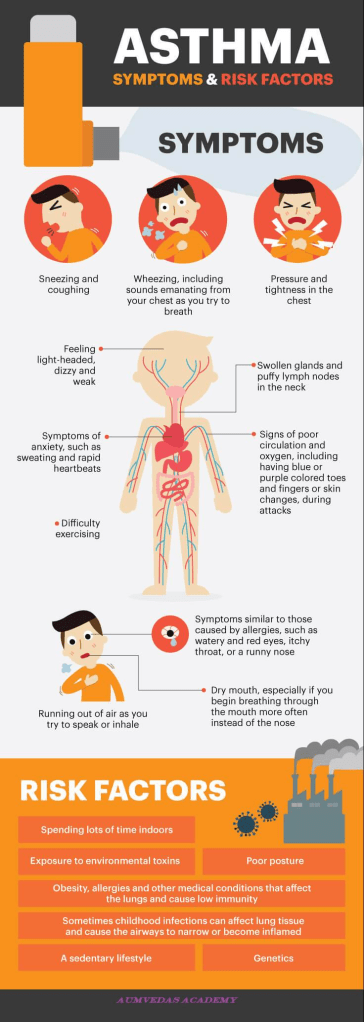
Asthma Symptoms

Common symptoms and signs of asthma include:

• Sneezing and coughing

• Wheezing, including sounds emanating from your chest as you try to breath

• Running out of air as you try to speak or inhale

• Difficulty exercising

• Pressure and tightness in the chest

• During attacks it’s possible to show signs of poor circulation and oxygen, including having blue- or purple-coloured toes and fingers or skin changes

• Feeling lightheaded, dizzy and weak

• Symptoms of anxiety, such as sweating and rapid heartbeats

• Symptoms similar to those caused by allergies, such as watery and red eyes, itchy throat, or a runny nose — some people can look inside their throats or noses and see redness and swelling

• Swollen glands and puffy lymph nodes in the neck — sometimes people with asthma even feel like they’re choking

• Dry mouth, especially if you begin breathing through the mouth more often instead of the nose

What Causes Asthma?

There are many different theories about what causes asthma, but toxins and irritants (both from the environment and spending lots of time outdoors) are now recognized as primary root causes. Other factors that contribute to asthma development include poor nutrition, pollution, antibiotic abuse, possibly vaccines, autoimmune disorders, other medical disorders that affect the lungs, genetic susceptibility and high amounts of stress.

For some adults, asthma symptoms are caused by exposure to chemicals and pollution during work (dust, debris, etc.), known as “occupational asthma.” This accounts for about 15 percent of all asthma cases.

The Western lifestyle correlates with increased numbers of asthma sufferers, which is not surprising considering the poor diet quality and high-stress environment. Asthma is rare in remote areas of Asia and Africa but much more common in industrialized, Western nations where people commonly eat inflammatory, low-nutrient diets.

Risk factors for developing asthma include:

• Spending lots of time indoors: This can reduce someone’s ability to effectively build the immune system and also increases exposure to certain allergens or irritants that can accumulate indoors (like dust mites, mould spurs, pet hair and other microbes).

• A sedentary lifestyle

• Obesity, allergies and other medical conditions that affect the lungs and cause low immunity

• Sometimes childhood infections can affect lung tissue and cause the airways to narrow or become inflamed.

• Genetics: Studies show that asthma tends to run in families, although it usually isn’t completely genetically acquired.

• Poor posture: Compression of the lungs caused from poor posture might also contribute to symptoms.

• Exposure to environmental toxins: This can include fumes, pollution and chemicals released from construction sites.

Conventional Treatments for Asthma

Doctors use medications like anti-inflammatory drugs, steroids, “anti-IgE” drugs and inhalers (bronchodilators) to help control asthma attacks and prevent emergencies or complications. Most of these drugs can help open up the airways very quickly but have serious drawbacks as well. Some research even suggests that inhalant albuterol medications can alter genes in children and make future asthma attacks up to 30 percent more likely.

Dr. John Mills, chief of infectious diseases at San Francisco General, said, “Conventional drugs used for treating asthma, particularly steroids, can impair immune function and lead to more serious health problems. Doctors tell you that steroids (cortisone, prednisone) only cause side effects after many years. But new research shows that permanent damage is immediate and devastating. Studies show that steroids cause permanent, debilitating effects after a single dosage. Steroids are probably the most sleazy of modern day medications.” Here’s the good news: You can help treat asthma naturally by lowering environmental and dietary toxin intake, eating more nutrient-rich foods, addressing the nervous system’s role in lung functioning, and learning to better manage stress. All these home remedies for asthma come with little to no serious adverse side effects as well.

Precautions When Treating Asthma

If during an attack asthma medications aren’t able to help someone experience improvements immediately, then it’s important to visit the ER or call an ambulance right away. Although it’s rare, asthma attacks can sometimes become fatal, so being cautious is always best. Signs of a severe asthma attack that requires immediate intervention include a pale face, sweating, blue lips, very rapid heartbeat and inability to exhale.

If asthma symptoms ever start recurring multiple times per day, make sure to see your doctor. Also mention to your doctor if symptoms ever become frequent or severe enough to interrupt sleep, work, school or other normal day-to-day activities. Keep an eye out for side effects of medications or other signs of allergies, which might make asthma symptoms worse, including a very dry mouth, stuffy nose, dizziness, pains and a swollen tongue.

Final Thoughts on Home Remedies for Asthma

• Asthma is a condition that affects breathing, which is caused by narrowed airways (bronchospasm), a swollen or inflamed respiratory system, and abnormal immune system reactions.

• Common symptoms of asthma include coughing, wheezing, chest tightness, shortness of breath, and pain or pressure in the chest.

• Risk factors and underlying contributors of asthma include an inflammatory/poor diet, low immune function, food or seasonal allergies, and exposure to household or environmental irritants.

Eliminating food allergies, spending more time outdoors, and avoiding exposure to pollution or irritants found inside the home are all home remedies for asthma symptoms.

Found this and wanted to share this very informative article.

Hope you have found this article to be informative.

Thank you for taking the time reading this.

Warm Wishes,

Catherine W Dunne 05/03/2023 Ireland

Coconut Oil – What are its benefits?


77 Benefits of Coconut Oil

Coconut Oil

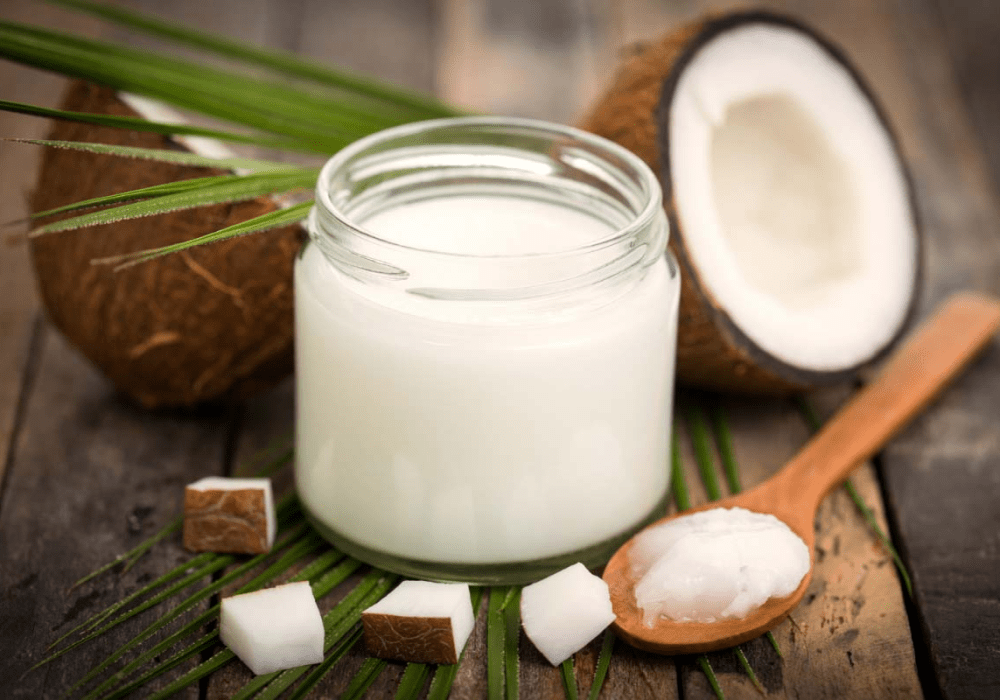
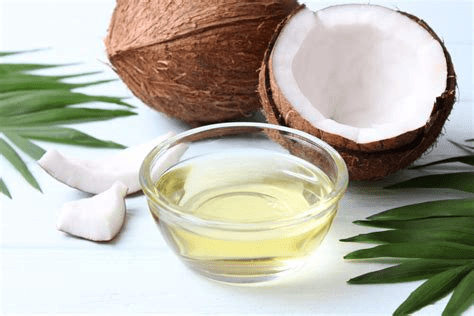
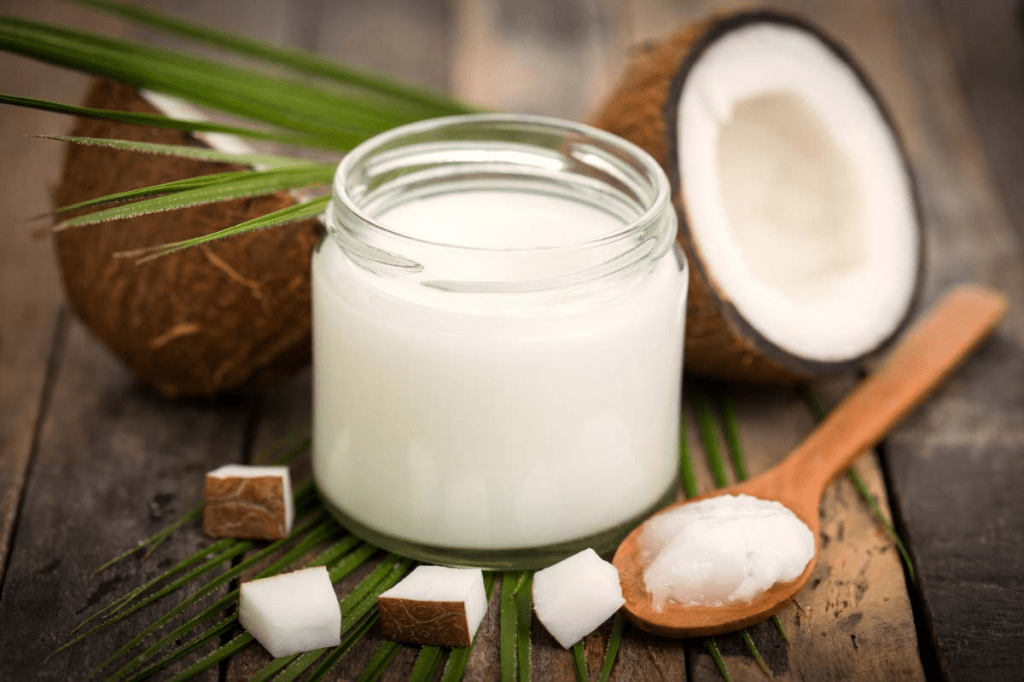
Coconut oil might just be the most versatile health food on the planet. Not only is it my favourite cooking oil, but coconut oil uses are numerous and can extend to being a form of natural medicine, be used for natural beauty treatments and so much more.

The coconut tree is considered the “tree of life” in much of Southeast Asia, India, the Philippines, and other tropical locations. And today, there are over 1,500 studies proving the health benefits of coconut oil.

Some of the top coconut oil benefits include:

· Balances Hormones

· Kills Candida

· Improves Digestion

· Moisturizes Skin

· Reduces Cellulite

· Decreases Wrinkles and Age Spots

· Balances Blood Sugar and Improve Energy

· Improves Alzheimer’s

· Increases HDL and Lower LDL Cholesterol

· Burns Fat

If you’re ready to take your health to the next level, try these 77 coconut oil uses and cures!

77 Creative Coconut Oil Uses

These coconut oil uses are broken into 4 categories: Food Uses, Body and Skin Care, Household, and Natural Medicine.


Coconut Oil Food Uses

1. Cooking at High Heat (Sautéing and Frying) – Coconut oil is great for cooking at a high heat because of its high smoke point. Many other oils like olive oil can oxidize when heated but because coconut oil is made up of healthy saturated fats it remains stable under high temperatures.

2. “Buttering Your Toast” – For breakfast in the morning, try spreading coconut oil on your sprouted grain bread, instead of conventional butter. The slight coconut flavour, more pronounced in the unrefined coconut oils, lends a lovely aroma and taste to your toast.

3. Natural Energy Booster – The medium chain triglycerides in coconut oil, when partnered with chia seeds, will give you an energy boost when you need a mid-afternoon pickup, or after a strenuous workout. Chia seeds are known to boost performance, and endurance while the coconut oil aids in digestion and metabolizing of the chia seeds. Mix 1 tablespoon coconut oil with ½ tablespoon of chia seeds, and enjoy from the spoon, or spread on sprouted grain bread.

4. Creamer for Your Coffee – Adding a spoonful of coconut oil to your coffee can give you an extra boost of energy and replace dairy creamer. If you put your hot coffee in a blender, with the coconut oil and your favourite natural sweetener, and blend, you will be amazed at the rich creamy flavour, without adding any dairy. In the Far East, many athletes blend their morning coffee with coconut oil and grass-fed ghee to increase performance and energy.

5. Chocolate Coconut Fondue – Enjoy dipping fresh fruit into dark chocolate? Well, by using coconut oil, dark chocolate has never been healthier, or easier. Slowly melt 1 tablespoon of coconut oil and 2 cups of chopped dark chocolate (preferably 70% cacao) together over low heat in a double boiler, stirring occasionally. If mixture is too tight, add a touch more coconut oil and stir until warm and melted. Transfer to a fondue pot, and dip with even more health-promoting foods like fresh strawberries, bananas, and sliced apples.

6. Boost Nutrients in Smoothies – Add 1 to 2 tablespoons of coconut oil to any fruit smoothie for a boost of cholesterol fighting compounds. Side benefit? It improves the texture and mouth feel of smoothies, while adding healthy fats to your diet.

7. Healthy Popcorn topping – Remember when you were a kid and visited your favourite theatre for a matinee? Remember the glorious smell that permeated the air? Chances are that it was popped in coconut oil. Pop organic corn kernels in coconut oil and then drizzle with just a touch more melted coconut oil and some sea salt.

8. Replacement for Non-stick Cooking Spray – In a non-stick skillet, sometimes eggs still stick. With coconut oil, that is no longer a problem. Add just a teaspoon or two of coconut oil to the pan, and melt. Add the eggs and cook as desired. Clean-up will be a breeze.

9. Create Healthy Homemade Mayonnaise – Use as oil in homemade mayonnaise recipe mixed with egg yolks. In a blender, combine 4 egg yolks, 1 tablespoon apple cider vinegar, and ½ teaspoon dried mustard. Blend until combined. With blender still running, slowly add 1 cup coconut oil (melted), and ½ cup olive oil to create an emulsion. If you add the oils too fast, the mayo will break. If this happens, all is not lost; add ½ tablespoon of tahini, and blend until smooth.

10. Topping For Baked Potatoes – Put coconut oil on baked sweet potatoes in place of conventional butter and then sprinkle on cinnamon. Also, use it for baked sweet potato French fries with some rosemary and sea salt.

11. Replace Unhealthy Fats When Baking – Yes, you can bake with coconut oil. Use the same amount as butter or vegetable oil that is called for in the recipe. For biscuits, pie crusts, and other preparations where the fat is to be cold, freeze the coconut oil prior to using. Use coconut oil to grease baking sheets and cake pans, and your baked goods will simply slide right out.

12. Make Homemade Healthy Granola- Homemade crunchy granola made using heart-healthy nuts is a great treat for breakfast, or as the star in a fresh fruit parfait in the evenings. Combine 3 cups of old-fashioned oats, 1 cup chopped almonds, 2 teaspoons cinnamon, ½ teaspoon salt, 1/3 cup honey or maple syrup, and 1/3 cup coconut palm sugar together in a large bowl. Melt 1/3 cup coconut oil and drizzle over, and then mix to combine. Bake on a cookie sheet at 350 degrees for 5-7 minutes, and then rotate in the oven, and continue baking for another 5-7 minutes. Turn off oven, and allow to sit for 30 minutes. Remove from oven, and break into clusters.

13. Sports Drink Replacement – Coconut oil gives the body quick energy in the form of its quick acting MCFA fats. Instead of relying on sugary processed drinks, try adding coconut oil and chia seeds to water with fresh fruit.

14. Natural Throat Lozenge – Use coconut oil in place of store-bought lozenges that are usually made using artificial flavours and colours. Try swallowing ½-1 teaspoon of coconut oil up to 3 times daily to ease the pain of a sore throat or cough, and combine liquorice root tea with coconut oil for a natural throat soother. Try adding liquorice root (fennel root), honey, and lemon too for an extra immunity boost again viruses and colds.

15. Prolong the Freshness of Eggs – You can use coconut oil to seal the pores in an egg shell and prolong the life of the eggs in your refrigerator. Try swiping a small amount of oil over the shells of the eggs and leaving it to penetrate, which will help prevent exposure to oxygen. This method should extend the life of your eggs for 1-2 weeks.


Coconut Oil Beauty & Skin Uses

16. Natural Skin Moisturizer – Using Coconut oil for skin health works well as a moisturizer for your face. It absorbs quickly, and is non-greasy. At room temperature, coconut is a solid, but it quickly melts when it comes into contact with hands. Before bed, wash your face, and pat dry. Warm a dollop the size of a pea in your hands and rub in a circular motion into your face. Let sit for 5 minutes, and then wipe off what is still on the surface.

17. Wrinkle Reducer – For areas of concern around eyes, dab just a touch around the eyes to help fight pre-maturing aging. Leave the oil on overnight to soak in, and wake up looking refreshed. Combine with frankincense oil for additional anti-aging benefits.

18. Natural Makeup Remover – Just a small dab of coconut oil will quickly liquefy eye makeup, making it easy to wipe off. Rub coconut oil gently onto the upper lids and lower lids in a circular motion. Wipe off with a warm cloth. The benefit over commercial eye makeup removers, is that coconut oil will not sting or irritate eyes, and as a bonus, will help to hydrate around the eyes.

19. Lock in Moisture After Showers – After your shower, apply coconut oil liberally all over your body. Coconut oil will hydrate dry skin, and helps to soothe skin after shaving. As a bonus, coconut oil has a natural SPF and is great to protect your skin from sun damage. If you are applying to the bottom of your feet, do so outside of the tub, so as not to slip.

20. Healing Bath with Epsom Salt – Regardless of the season, our skin takes a beating. Add ¼ cup Epsom salts and ¼ cup coconut oil to a warm bath, and relax. Add a drop or two of your favourite essential oils to add aromatherapy benefits. The Epsom salts will help to draw out toxins while the coconut oil will help to soothe dry skin.

21. Homemade Toothpaste – Mix equal parts of coconut oil with baking soda then add a few drops of peppermint essential oil for homemade toothpaste. Try my recipe for homemade probiotic toothpaste with coconut oil, Bentonite Clay, probiotics and peppermint essential oil.

22. Lip Balm – Dry chapped lips can happen during any season. Commercial lip balms are packed with unhealthy (and potentially toxic) ingredients, which is particularly concerning since we put them on our lips. The healing properties of coconut oil helps to nourish the lips, provides a touch of sun protection, and most importantly, is safe to consume. Combine 2 tablespoons of coconut oil with 2 tablespoons of beeswax, and 1 tablespoon of shea butter in a non-stick saucepan. Warm slowly until melted. Use a small funnel to refill used lip balm containers. Allow to set up for 6 hours.

23. Naturally Tinted Lip Gloss or Lipstick – You can naturally tint the lip balm recipe above with beetroot powder, cocoa powder, turmeric, and cinnamon. You only need a small amount of spices and a little bit goes a long way.

24. Personal Lubricant – Coconut oil is an effective and safe personal lubricant. Unlike commercial preparations, its anti-fungal, antibacterial, and antimicrobial properties help keep the vaginal flora healthy. (One note: avoid using coconut oil or any oil with any latex contraceptives, as it can corrode the latex.)

25. Natural Mouthwash – Mix equal parts of coconut oil and baking soda, and then add a few drops of peppermint essential oils. Use daily to help whiten teeth, improve gum health, and freshen your breath. According to researchers at the Athlone Institute of Technology, the antibiotic properties of coconut oil destroy the bacteria that causes tooth decay.

26. Coconut Oil Pulling – To improve the health of your teeth and gums, oil pulling with coconut oil, is the way to go. In Áyurvedic medicine practice, oil pulling is used to detoxify the mouth, killing bad breath, fighting bacteria, cures tooth decay, and helps to boost the immune system. Swish 1 tablespoon of coconut oil immediately after rising in the morning. Spend 10-20 minutes swishing; do not swallow the oil. Spit the oil into the trashcan (not into the sink!) and rinse with sea salt water.

27. Natural Deodorant – Coconut oil’s natural antibacterial properties help to keep body odour at bay. It is an excellent deodorant on its own, or when combined into a paste with baking soda and essential oils.

28. As a Gentle Face Wash – Coconut oil can be used in natural face wash recipe to cleanse and moisturise. Mix with lavender oil, tea tree oil and raw honey for best results.

29. Wound Salve – Coconut oil has been used for thousands of years to speed healing of rashes, burns, and open wounds. You can use it just like you would Neosporin. To make a homemade Neosporin mix coconut oil, frankincense, lavender and melaleuca oil. The antibacterial and antifungal properties of coconut oil help to keep the area free of infection, and the lauric acid in coconut oil helps to speed healing.

30. Cellulite Solution – To fight stubborn and unsightly cellulite, mix 1 tablespoon of coconut oil with 10 drops of grapefruit essential oil and massage in a firm circular motion into affected areas. Follow with dry brushing to help stimulate circulation and encourage cellular detox and my cellulite slim down juice recipe for best results.

31. Soothing Shaving Cream – If razor burn, ingrown hairs, or other skin irritation is a problem after shaving, start using pure coconut oil as your shaving “cream”. Warm a dab in the palm of your hands and rub on your face, under arms, on the legs, or the bikini area and then shave. Rinse well, and pat dry.

32. Sunscreen / Sunburn Remedy – Coconut oil is an all-natural sunscreen and sunburn remedy, all in one. In fact, it is SPF 4, just enough to protect against sun damage, and the best of the non-volatile herbal oils. Reapply as necessary, throughout the day. If you get too much sun, gently rub coconut oil into affected areas and it will promote healing, and soothe the pain.

33. Massage Oil – Coconut oil is a soothing and conditioning massage oil. Add a couple of drops of lavender oil and peppermint oil to help heal sore muscles, and stimulate mindful relaxation.

34. Insect repellent – Mix a tablespoon of coconut oil with a couple of drops of peppermint, rosemary, and tea tree oil to repel flies, mosquitos, gnats, and bees. This is a safe alternative to DEET and can be applied safely on all areas of the body.

35. Anti-Fungal Cream – Due to its antibiotic capabilities, coconut oil can be used topically to treat athletes foot and skin fungus. Apply some to the affected area and either leave it on or wipe off with a paper towel after it has time to set in.

36. Cold Sore Treatment – If you experience cold sores in or around your mouth, trying dabbing them with coconut oil several times per day to reduce healing time and pain. Coconut oil contains lauric acid which if effective at entering the virus that lives within cold sores and shutting off their ability to reproduce. This means you experience relief faster and are less likely to have scars or discoloration left in the area of the sore too.

37. Nail Cuticle Oil – Apply coconut oil to your finger beds to reduce the risk of developing fungal infections and to make it easier to push back cuticles so your nails can naturally grow more quickly. If you go to manicure salons to get your nails done, you may be at risk for coming into contact with serious viruses and bacteria that often live on salon equipment, so coconut oil offers another layer or defence.

38. Soothing Foot Rub for Cracked Heels – Find relief for your dry, cracked heals naturally by rubbing them with coconut oil and allowing the oil to penetrate your skin. Try using 2 tablespoons of oil for both heels, and feel free to add other essential oils- like lavender oil- which can help to further reduce dryness and bacteria, plus give your feet a nice, relaxing scent.

39. In-grown Hair Treatment and Preventer – Rub areas where you frequently shave or are prone to bumps and infection with coconut oil. The oil helps to soften skin so hair can easily grow through the follicle properly without becoming ingrown, plus it kills bacteria at the same time.

40. Sulphate-Free Shampoo – Coconut can cleanse hair if used with apple cider vinegar, and because it doesn’t have any harsh chemicals in it. This method leaves your colour intact for longer, prevents dullness and orange or yellow discoloration, and makes your hair soft and shiny.

41. Natural Hair Conditioner – Using Coconut oil for hair conditioning has been used for thousands of years to strengthen and style hair. As a moisturizer, coconut oil can help strengthen hair while helping hair to retain moisture. Depending on the length and texture of your hair, you may need anywhere from 1 teaspoon to 2 tablespoons of coconut oil as a conditioner. Warm in the palms of your hands, and starting at the ends, work the oil into the hair.

42. Prevent and Treat Dandruff – This can help to encourage new hair growth, and will discourage dandruff. Rinse well (and then rinse again), and then style as usual. Your hair should be healthy, shiny, and full of body. If the coconut oil weighs your hair down, use less the next time, and rinse well.

43. Hair Detangler for Children – Use a small amount of coconut oil on your children’s’ hair when it’s extra nutty and needs a natural, smooth solution for getting it brushed easily. Rub oil between your palms and then onto wet hair before combining through.

44. Homemade Exfoliator – Combine oil with organic coconut sugar or ground coffee beans to create a homemade facial or body scrub that will help remove dry skin. Do this twice weekly for smooth skin that is less likely to develop ingrown hairs, acne, blackheads, or other unwanted dullness.

45. Cheek Bone Highlighter – Try using coconut in place of makeup to add shine to your cheek bones and eye lids. This gives you a natural youthful glow and requires no makeup, make up removal, or extra expensive products to purchase.

46. Makeup Brush Cleaner – Make up brushes are notorious for carrying loads of built-up harmful bacteria. Rub coconut oil on your make up brushes and leave them for 1-2 hours in order to disinfect them. Then wash thoroughly, although there is no need to worry about any oil remaining on your brush since it won’t harm your makeup for skin.

47. Hairbrush Cleaner – Use coconut oil in the same way as on your makeup brushes to remove unwanted hair and bacteria from your hair brushes. The oil even works well on delicate bore bristle brushes and helps the hair to easily slide on. Any oil that remains on your brush will only condition the brush bristles and your hair more afterwards.

48. Baby Ointment and Diaper Rash Guard – When your baby experiences painful diaper rash, rub some coconut oil around the affected area to sooth swelling, redness, itch, and burn. Try using 1 tablespoon to start and allow it to seep into the skin.

49. Hair Texturizer and Gel Replacement- Many commercial brands of hair gel and mouse contain alcohol which dries out your hair, not to mention many other toxic chemicals and fragrances. Try using a bit of coconut oil rubbed into the ends of your hair to hold its style and condition it at the same time. The oil prevents fly aways and adds extra shine too.

50. Natural Vapour Rub and Cold Remedy – Combine coconut oil with eucalyptus oil and rub the mixture on your chest or the chest of your children to open up your airways and facilitate breathing. Together these two work to increase circulation and clear congestion to help you get a good night sleep when you’re sick.

51. Stretch Mark Reducer – Try rubbing coconut oil all over the stomach during and after pregnancy to reduce unsightly stretch marks that occur when skin’s elasticity is compromised. The oil helps to fade dark marks, discoloration, and redness plus it hydrates the skin and allows it heal more quickly.

Coconut Oil Household Uses

52. Carrier Oil for Homemade Candles – Instead of buying expensive candles that contain artificial scents and chemicals, burn clean oil in your home using coconut oil and essential oils in an oil diffuser. These can be purchased online or at major home stores and give you endless ways to fill your home with healthy, inviting scents.

53. Help Unzip a Caught Zipper or Stuck Bike Chain – Apply coconut oil to chains or zippers that are jammed. The oil acts as a natural lubricant, allowing you to effectively break up a tough situation. Restore an old bike or a favourite pair of jeans by finally getting the chain or zipper to give!

54. Remove Gum From Hair or Furniture – If you’ve ever had gum stuck in your hair or on your coach, you know how frustrating this can be. Apply coconut oil to help the gum let up and easily get removed, without leaving any colours or stains.

55. Dust Preventer – Trying using a small amount of coconut oil on surfaces like wood, plastic, or cement that tend to gather dust. Rub a small amount of oil over the area and then allow it to dry, no need to wash it off or worry about it staining and attracting any bacteria.

56. Shoe Shiner – Instead of buying a leather repair kit or bringing used shoes to a repair shop, try subbing some coconut oil on your leather boots or patent heels to give them shine, disguise blemishes, and make them look fresh and new again.

57. Laundry Detergent – Combine coconut oil with lye, water, and essential oils of your choice to create a non-toxic soapy liquid that is perfect for cleaning clothes. The formula will not irritate your skin or have a negative effect on fabric, like many store-bought detergents can. This is a great solution for sensitive skin and those prone to allergies.

58. Furniture Polish – Use coconut oil on wood, granite counter tops, and metal surfaces to give your furniture and updates and clean, shiny look. At the same time this will help reduce dusk, cover up scratches, and clean your furniture and home surfaces too.

59. Rust Reducer – Rub some oil on your silver wear, outdoor metal furniture, car parts, or anything else that is metal and prone to rusting. Coconut oil helps to combat rust when you spread a thin layer of pure oil over the metal and let it sit for 1-2 hours. You can either wipe the oil off or wash it afterwards and should notice a difference right away.

60. Homemade Hand Soap – Use coconut oil to make homemade hand soap, and enjoy the flexibility to add any fragrance you want using essential oil. Try combining coconut oil with the substance Lye, or lard, which you can purchase online. The lye gives the soap natural texture and holds it together.

Coconut Oil Medicinal Uses

61. Fight Inflammation – Coconut oil supports both a healthy liver, and kidneys. According to researchers, virgin coconut oil, prepared without chemical or high-heat treatment exhibits an inhibitory effect on chronic inflammation. As inflammation is one of the leading causes of many chronic diseases, this study supports regular consumption of virgin coconut oil to help fight inflammation.

62. Boost Immunity – Coconut oil’s unique nutrition profile that is rich with lauric acid, capric acid and caprylic acid provides for strong antiviral, antifungal, antimicrobial, and antibacterial properties that have an immune boosting effect. By fighting these elements present in the body, the immune system is better equipped to respond properly when attacked.

63. Prevent Bone Loss and Osteoporosis Risk – Free radicals and oxidative stress are linked to the development of osteoporosis, a metabolic disorder. According to a recent study, virgin coconut oil is effective in maintaining bone structure, and preventing bone loss in oestrogen-deficient rats. The report specified virgin coconut oil due to its high polyphenols and exerts antioxidant properties and you should take 3 tbsp daily for best results.

64. Alzheimer’s Treatment and Brain Health Protector – There are several reports that coconut oil may be an effective natural treatment for Alzheimer’s disease. A current double blind study recommends taking 1 tbsp 3x daily.

65. Sleep Aid – Coconut oil is a perfect carrier oil when making soothing and relaxing home remedies using essential oils, like lavender or roman chamomile oil, that can help reduce anxiety and aid in getting a good night sleep.

66. Acne Fighter – Acne is a serious issue for adults in addition to teens and is commonly caused by bacteria overgrowth or an imbalance in oil on the skin. Coconut oil acts as a natural antibiotic, killing harmful bacteria that leads to serious breakouts. Try mixing the oil with tea tree oil and raw honey for added benefits and effectiveness.

67. Cancer Protection and Defence – Coconut oil and medium-chain triglycerides have been shown to provide a “potent antitumor effect and maintenance of a normal immune system” supporting the belief that coconut oil can help protect from certain types of cancers.

68. Candida Killer – Coconut oil contains caprylic acid which has anti-microbial properties that can kill yeast and candida. In a recent study, researchers found that coconut oil was active against species of Candida at 100% concentration, greater than the drug fluconazole. Add 1 tablespoon of coconut oil to your diet, and apply pure coconut oil directly to affected areas twice per day, until symptoms resolve. Follow my candida treatment protocol to help beat Candida.

69. Fat Burning Supplement – The MCT’s found in coconut oil have been proven to support weight loss and help your body burn fat for energy. Sounds odd right? Adding fat to your diet to burn fat? But the truth is not all fats are created equal. Add a tablespoon a day to reap the benefits of these fatty acids that may help to reduce abdominal fat. According to a study published in the American Journal of Clinical Nutrition, consumption of MCT oil leads to a greater rate of weight and fat mass loss than olive oil.

70. Hormone Balancer – The healthy fats in coconut oil support the thyroid and adrenal glands which can lower cortisol to naturally balance hormones. Coconut oils helps to suppress inflammation, while supporting healthy metabolism, two things that are essential for balanced hormones. The lauric acid, and other compounds support the thyroid and adrenal glands. This helps to lower cortisol, and naturally balance the hormones.

71. Digestive Support – Coconut oil is easy to digest and contains compounds that destroy bad bacteria, promote growth of probiotics and helps heal leaky gut. Coconut oil promotes the growth of healthy probiotics in the digestive tract. The antibacterial, antifungal, and antimicrobial properties help to control parasites, and fungi, while aiding in the efficient absorption of essential nutrients.

72. Blood Sugar Stabilizer and Diabetes Preventer – Coconut oil can help balance blood sugar levels and has been medically proven to improve diabetes. Coconut oil can help balance blood sugar levels by encouraging efficient secretion of insulin from the pancreas. In a 2009 study, researchers found that medium-chain fatty acids “may therefore be beneficial for preventing obesity and insulin resistance.”

73. Eczema and Psoriasis Cure Treatment – Coconut oil can be used as cream to naturally heal dry and flaking skin for those with Eczema and Psoriasis. Mix coconut oil, shea butter and geranium oil for the best benefits.

74. Balance Cholesterol Levels – The healthy fats in coconut oil have been proven to increase HDL cholesterol and lower LDL cholesterol supporting heart health. According to a study reviewed by Harvard Medical School, coconut oil consumption increases HDL cholesterol, and improves the cholesterol ratio.

75. Constipation Relief – Many people swear by coconut to cure chronic constipation and relieve bloating. Try taking one tablespoon of coconut oil in the morning or before bed in order stay regular. The oil penetrates the digestive track and keeps things running smoothly by killing off harmful bacteria and allowing your gut flora to re-balance.

76. Fight Heart Disease– After decades of coconut oil being vilified due to its saturated fat content, new research is now proving that medium-chain fatty acids and coconut oil are beneficial to heart health and help lower high blood pressure.

77. Help Sick Pets – Just like their human caretakers, dogs and cats can benefit from the addition of coconut oil to their diet. Pets with digestive upset can benefit from a teaspoon or two of coconut oil mixed into their food. Skin allergies, irritations, and wounds can be soothed, and healing accelerated with a topical application. Unlike other salves, since it is edible coconut oil, there is no health risk if they lick it off their coats.

As you can see, coconut oil uses are numerous and so are the health benefits.

Coconut Oil Nutrition Profile

Coconut oil, like other plant-based oils, does not contain cholesterol. The vast majority (more than 85%) of the fats in coconut oil are medium-chain triglycerides. These medium chain fatty acids (MCFA’s) found in coconuts has tremendous health benefits; they are easy to for the body to burn as fuel for energy and have anti-microbial properties, in addition to other important traits.

Coconut oil contains three unique fatty acids that are responsible for its various health benefits:

· Lauric acid

· Capric acid

· Caprylic acid

These are some of the rarest substances found in nature and the reason why this oil is so beneficial.

Lauric acid has a particular structure that allows the body to absorb it easily. Once absorbed, it morphs into monolaurin, found in human breast milk, and coconut milk and oil. Monolaurin is known for its antiviral, anti-micorbial, and antibacterial properties.

In addition, coconut oil contains linoleic acid, oleic acid, phenolic acid, myristic acid, Vitamin E, Vitamin K, and iron.

Organic Extra Virgin Coconut Oil vs. Refined Coconut Oil

To reap the many benefits of coconut oil, it is essential to choose organic unrefined coconut oil, preferably produced from a “wet-milling” process. Organic, unrefined coconut oil is extracted from fresh coconut meat; not from dried coconut.

The oil is then separated from the water, through centrifuge, fermentation, boiling or refrigeration. Fermentation is the preferred method to ensure that the coconut oil retains its inherent health benefits.

Unlike olive oil, coconut oil is thermally stable, and the antioxidants are not lost through the heating process. Multiple scientific studies conducted in Sri Lanka, Malaysia, and other countries where coconuts are native have shown that the wet-milling fermentation method followed by “hot extracted virgin coconut oil” produces the highest level of antioxidants and lowers bad cholesterol, while raising good cholesterol.

While the heat process may seem counter-intuitive based on what we know about heating and the destruction of nutrients, coconut oil reacts differently to heat than other foods. For example, the case with harmful GMO oils is usually the opposite; they have been heated to the point of oxidizing and becoming toxic.

According to a study published in Food Science and Biotechnology, virgin coconut oil that is produced with heat, results in the highest number of antioxidants. Researchers believe that this may be due to the release of polyphenols from the bound structure.

Refined coconut oil has a higher smoke point and is void of the coconut flavor. These coconut oils are mass-produced, typically through a chemical distillation process that starts with desiccated coconut that is not fresh. The coconuts are further bleached and deodorized to make them “more palatable” to the American consumer.

Some of these refined coconut oils are even hydrogenated, which turns this healthy natural oil, into a synthetic trans-fat. For this reason, avoid refined coconut oils as much as you possibly can.

Where to Buy Coconut Oil

There are many brands of coconut oil on the market today, but the one I personally use and recommend to all my patients is tropical traditions coconut oil.

Disclaimer:

* These statements have not been evaluated by the Food and Drug Administration. This product is not intended to diagnose, treat, cure or prevent any disease. If you are pregnant, nursing, taking medication, or have a medical condition, consult your physician before using this product.

LINKS:

* https://healthytraditions.com/…/gold-label-virgin…

Thank you for reading.

Catherine W Dunne 05/03/2023 Ireland
Healing the Seven Chakras with Herbs

by Catherine W Dunne 06 Dec 2022 Ireland

Healing the Seven Chakras with Herbs

As you may know by now, my passion are the Chakras. There is so much to them that still have not yet been discovered.
Many of you are aware of vibrational medicine. For those of you not familiar with this, Vibrational Medicine is not just Sound Frequency therapy.
Everything around us is Energy. To quote Einstein, as I do in many of my online courses:

ENERGY = VIBRATION + FREQUENCY

Sound, colour, perfume, flavours, toxicity, potency, cells, matter, liquid, light, magnetism, air, living, dead, ….. all are a form of Energy.

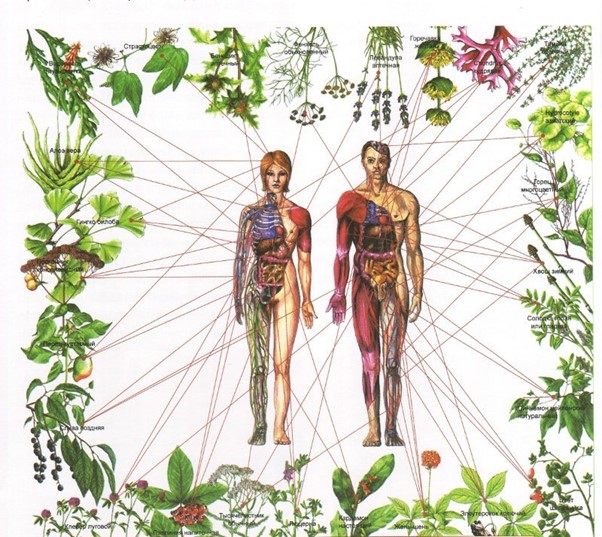
Plants have been used as medicines for thousands of years to cure various ailments, gain wisdom and to help us connect with nature. There are scripts from 2500 BC about various plants and their healing properties. In India, there are several Vedas that mention about treating diseases using herbs and plants. Plants have vibrational frequency that is in tune with our body and psyche. These vibrational qualities of plants can assist in balancing, healing and energizing the seven major chakras. The components of herbs interact with our energy system and remove toxic elements from our blood, enhance blood circulation and regulate the flow of oxygen. If one uses the herbs appropriately, one can maintain a balanced state of mind, body and spirit, Here are some of the common herbs associated with the seven chakras –

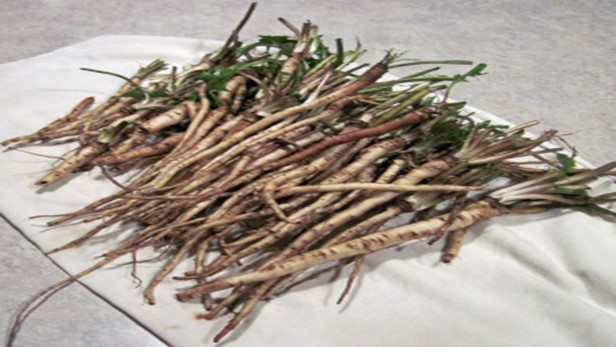
First Chakra – Root Chakra – Dandelion Roots

Root Chakra is located at the base of the spine. It connects us to the earth because that is where we receive all of the vital nutrients essential to our survival, and it is also where body toxins are released. The root chakra doesn’t just ground us physically, it also grounds us temporally by keeping us in the present moment. An imbalanced root chakra can lead to problems in the legs, feet, rectum, tailbone, immune system, depression, autoimmune deficiencies. Dandelion root tea are found to be highly effective in the treatment of depression, gallbladder, or high blood pressure. Adding in foods like: carrots, potatoes, parsnips, radishes, onions and garlic, and anything else that roots itself, can have a soothing effect for our root chakra.


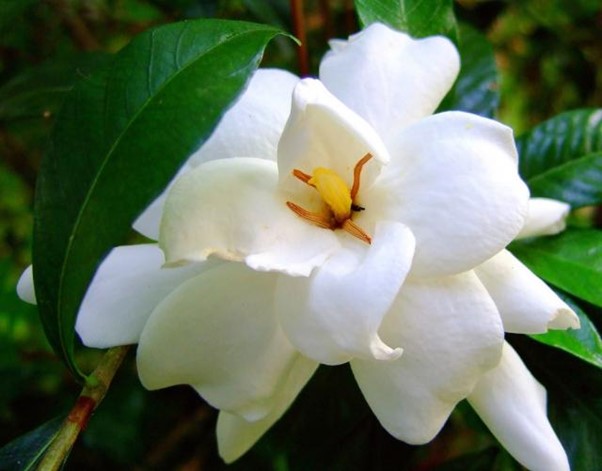
Second Chakra – Sacral Chakra – Gardenia flowers

Sacral Chakra is located below the navel near the abdomen between the ovaries for women and near the prostate gland for men. The fundamental quality of this chakra is pure creativity, attention, sensual expression, unencumbered by the ego. When this Chakra is blocked it can lead to eating disorders, urinary tract problems, reproductive disorders, occasional headache, fever, and emotional imbalances. Calendula is an easy to grow herb that enhances your creativity in all areas of life. Another herb which is highly beneficial for the sacral chakra is Gardenia. One can put Gardenia roots and oil to multiple use, and its flowers are found to be very soothing for the senses as well, no wonder it’s also known as the happiness herb. Sandalwood helps in curing many kinds of infection as it instigates new cell growth. You can apply sandalwood oil on your body before taking a shower or you can use it to create a good aroma in your house. Other herbs & spices that are beneficial are Coriander, fennel, liquorice, cinnamon, vanilla, carob, sweet paprika, sesame seeds, caraway seeds.  

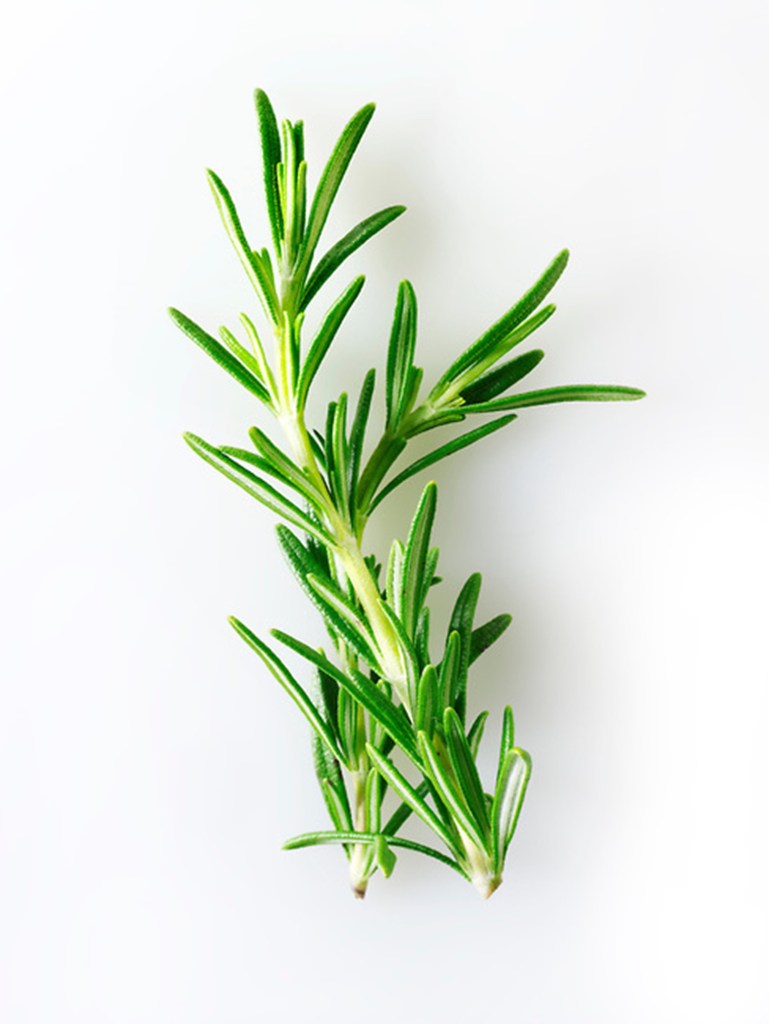
Third Chakra – Solar Plexus  – Rosemary Leaves

The 3rd chakra or the solar plexus chakra is the power centre of emotions and positive self-control. If this chakra is blocked we tend to feel unworthy and have a low self-esteem. Our emotional state is one of depression and anxiety. We tend to be doubtful and mistrusting toward others. This can lead to a plethora of physical problems: poor digestion, ulcers, diabetes, liver or kidney problems, anorexia, bulimia, and even intestinal tumours. To unblock the energy flow, one can use lavender, bergamot, or rosemary oil. Bergamot is great for the digestive system as it quickens the procedure of digestion causing less strain to the intestinal tract. In Mediterranean region, people consider rosemary as an essential herb for the stomach and intestines. One can put rosemary leaves in several dishes, or you can use rosemary oil to cook dishes. Marshmallow too relaxes the third chakra and softens our efforts to control life. It helps you to relax your diaphragm and reconnect to our breath. Other useful herbs & spices are Anise, celery, cinnamon, lily of the valley, mints, ginger, mints (peppermint, spearmint, etc.), melissa, turmeric, cumin, fennel.  

Fourth Chakra – Heart Chakra – Hawthorne Berries

Heart Chakra is the centre of love, compassion, and forgiveness of our body’s energy system. When this chakra is blocked, we tend to feel disconnected and have trouble loving ourselves and others. We tend to experience poor circulation on the physical level, lack empathy on the emotional level, and lack devotion on the spiritual level. Many issues of love, grief, hatred, anger, jealousy, fears of betrayal, of loneliness, as well as the ability to heal ourselves, and others are centered in the fourth chakra. A tea or tincture of Hawthorne berries increases trust in the process of life and encourages you to feel safe following your heart. It also helps to strengthen the heart and blood vessels. You can also use Cayenne, jasmine, lavender, marjoram, rose, basil, sage, thyme, cilantro, parsley for a healthy heart.

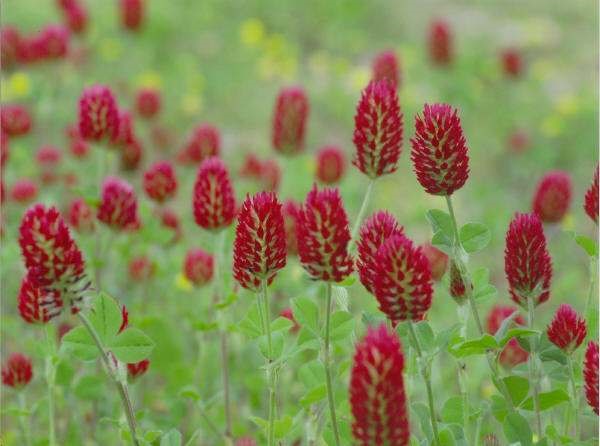
Fifth Chakra – Throat Chakra – Red Clover Blossom

Throat chakra is largely responsible for self-expression and communication. When this chakra is clear our speech becomes uplifting, wise and we can communicate our intent clearly. An unbalanced throat chakra leads to thyroid problems, laryngitis on the physical level, co-dependency on the emotional level, unclear thoughts on the mental level, and insecurity on the spiritual level. We often speak without thinking and have trouble expressing ourselves in an authentic way. It is also responsible for nervousness, fear, and anxiety. Red clover blossoms assist in allowing a free flow of communication and self-expression. A cup of red clover tea can unlock the emotions and thoughts that are waiting to be spoken. Research conducted by the University of Maryland Medical Centre, shows that lemon balm is capable of healing several ailments including thyroid. Eucalyptus oil is another beneficial oil for decongestion, simply rubbing few drops of oil on the throat will help. Other herbs & spices that can help with the throat chakra is Coltsfoot, peppermint, sage, salt, and lemon grass.

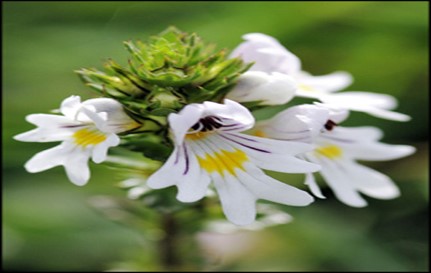
Sixth Chakra – Third Eye Chakra – Eyebright Flowers

Sixth Chakra or the Third Eye is associated with intuition and the pineal gland. Eyebright When this chakra is blocked we tend to lack in imagination and intuition resulting in poor decision making and self-deception. Physically, third eye weakness may manifest as eye/ear problems, headaches, migraines, insomnia, or even nightmares. Mint, jasmine, and eyebright are herbs used to open the sixth chakra. Eyebright helps to see both the light and dark sides as part of the whole and is also used to cure eye problems. Mint has been found useful in curing depression, migraines, and memory loss. It also increases connectedness between mind and body. These are the herbs & spices that can energize and heal any imbalances in the third eye chakra, Juniper, mugwort, poppy, rosemary, lavender, and poppy seed.

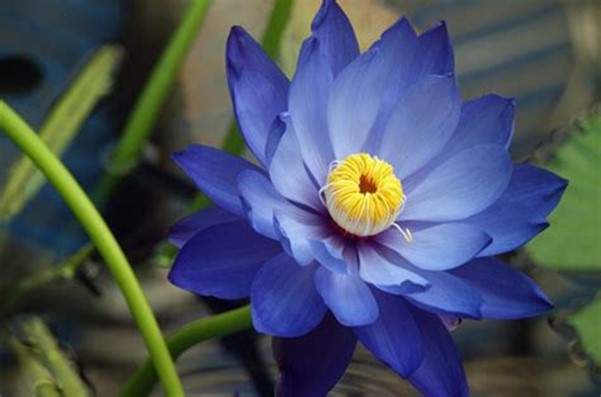
Seventh Chakra – Crown Chakra – Lotus

The Crown Chakra connects us to the universal divine energy. This chakra is associated with wisdom, enlightenment, and transcendence. When our crown chakra is cleansed and open we experience divine union and cosmic love, stretching out forever. Our unique frequency is in tune with the cosmic orchestra. When our crown chakra is blocked or closed we feel disconnected spiritually, as though we are living without any direction or purpose. On a physical level, it can lead to depression, nervous system disorders, migraines, amnesia, ADD, dyslexia, and in the most extreme cases cognitive delusions and mental illness. Lavender flowers and lotus assist in opening your seventh chakra. Lavender brings you into alignment with divine wisdom on a daily basis and is a popular herb for enhancing meditation. While lotus leaves and stems are widely used in Japanese and Chinese cuisine, and each part has its own set of benefits. Lavender is your best bet because it works well on all the chakras. You can include plants in your life through taking herbs internally in the form of tea, or externally as a bath or aromatherapy, you can enhance the benefits by consciously connecting with their vibrational qualities.


Hope you enjoy this little “nugget” of information.

As mentioned above, I teach online courses. I have a very detailed courses, maybe too detailed…. 😉
Chakra – Energy Healing
In this one you would begin this journey by studying the 7 Major Chakras in our body.
Exploring the causes of blockages, hyperactivities and their effects on us. Students will learn how Essential Oils and Foods benefit the Chakra, learn about the maintenance and balancing of our Chakras by uses of Yoga. Moreover, students will challenge their own perceptions about the causes of illness and what it takes to heal.
Armed with this understanding, students will begin to interact with the energetic system of the body to understand how to read, interpret, and heal illness.

I teach this via the facebook “classrooms”, something, we the teacher of Aumvedas Academy, have been doing since 2016.

Thank you for taking the time to read my blog. I do appreciate your feedbacks.
Until my next blog, enjoy your week.

Catherine

Go back

Your message has been sent

Intuitive Healing

Hi.
Thank you for coming back to read another blog of mine. Today I want to share an experience I made, during a Intuitive Healing session.

I have several Healing Modalities “under my belt”, so I would consider myself well experienced in what I do. But I am also a Nurse and so can draw more in depth conclusions.
Intuitive Healing is akin with Spiritual Healing. Small difference being, we are dealing with a human being, in this life time and this life time’s problems, hurt, sorrows, pain, happiness, euphoria, depression…….. Love and the lack of. So we are dealing with accumulated emotions. Emotions, if negative and left to exist, grow like a cancer and eat you inside out, until you either have a”burn-out” or “call it quits”.

I recently had a client in, who had for 40 years always been a public servant; serving, attending to the general public. Most times, she enjoyed this position and other times felt resentment as could never offer their children the holidays, that other parents perhaps could and would. But she was a hard working person; juggling work and home simultaneously. Despite her efforts she increasingly felt unsupported by family members.

One year, after work pulling at her strings, children pulling at her strings, extended family pulling at her strings, feeling there was no escaping …. the ceiling was coming down …. she became ill. She needed surgery and not a small, insignificant surgery. It was that type of surgery where you would require recuperation post surgery. Ideally 3 weeks. Not 3 days. No sooner had she been discharged home, it was expected of her to return to work, to be present, this was her duty! “If she was well enough to be discharged …. she was well enough to work again!” This was the work’s philosophy. Just let this sink in for a moment. Imagine that the sick certification, excusing you from work, did not exist. Imagine, if you had had hysterectomy (6 weeks recuperation and no lifting is recommended), or carpel tunnel surgery or got bone pinned or heart valve replacement or thyroid surgery or collapsed lung or robotic prostate surgery….. you get the idea.
You return to work with all expectations as before surgery and more. No support. Just keep giving. Now you see CAM and find a Reiki practitioner and you attend and you come home with such positive experience. You felt Human again. You felt energised. You can face the “Music and dance” again. And it goes well for a while. You are coping.

But, there is still this one thing nagging on you. The lack of family support, the constant digging in the ribs, the constant words in your ears: ” more is expected of you” …. ” you are the face of this business” …. ” it is your duty to greet the general public, to welcome them in, so show them around….” …… ” if something goes wrong, only you are to be blamed….” and the actual story and background I am not discussing here.

Years go by, the pressure is weighing you down, you remember how beneficial that Reiki treatment was and seek out another. But all goes horribly wrong. Not the Reiki session, but the session that occurred in the next room, with this child screaming in terror, you are told that this child is possessed and is being cleared … all is okay … don’t worry. But something happened to you. Again, the actual story and background I am not discussing here.

Being born to parents who spent their childhood in WWII. Affection and Emotion was left out … never having been told “I love you, my child”. As an adult, you find the love you later marry and have children with. But his parents were no different to your parents. Same circumstances. WW2 has a lot to answer for. Any war, for that matter. And again, the actual story and background I am not discussing here.

The years move on. Work is getting tougher, and so is life. You try your best and that is still not good enough. Resentment, anger, frustration are born. These emotions fester and linger and are never dealt with. Well you think they are, but they are never addressed. Your body is showing signs of physical unwellness. You seek out medical help, seek out holistic help and it works to a degree but the body refuses to heal.

In TCM Anger resides in the Liver. In TCM we have three brains: upper, middle and lower dantien = head, heart and bowel. Liver meridian point for Anger is T5.
My client arrived, requesting Vibrational Therapy. She had also read Dr Brad Nelson’s Emotion Code and had practiced his exercises (including the use of magnets) and all went well, but woke this morning feeling just like she had after that “bad” Reiki experience all them years ago. Memories came flooding back. Didn’t want to leave her bed, for only she had an appointment with me.

I had all my tuning forks laid out. Had the candles lit. Diffusing some nice, refreshing, invigorating essential oils. We had a cup of tea first … chatted …. got to learn of the above history. Thank God I had a full box of tissues handy.

Anger, frustration, resentment.
This glass is full to the rim but where to or how to empty this safely?
What or how much hate lies at the bottom of this glass and how much at the top?
What is the easiest approach to healing the past in this life time?
We discussed our options.
Kept returning to this full glass.

Intuitive Healing is akin to Spiritual Healing:
To quote the King James Bible: “Thou shalt love thy neighbour as thyself. ” 1 John 3:18….
How much do you love yourself?
I say: In order to empty that full glass of anger, frustration and resentment, one needs to start forgiving oneself, before forgiving those who were/are unjust towards you.
“Ya…. but …. I have already forgiven them….”
And did the problem go away in your body? If the glass is full to the rim, can you still add more without it overflowing?
“NO!”
Exactly. So all them years ago, your “house of cards” came tumbling down when you experienced that “Burn-Out” effect and started that downward spiral into depression. The “house of cards” fell because the foundation was pulled from under your feet. Like an earthquake, the foundation was shuck and the vibrational energy travelled up and all came crumbling down. But the “house of cards” that is YOU was never rebuilt to its original form. In fact, the broken layers were just thrown on top of each other, just enough to make you function, but were never healed. So the glass is full.

This was my approach. Visualise this full glass being a multicoloured candle, like a chakra candle. In order to reach the bottom, we have to burn away slowly from the top. So let’s light this candle.
Visualise the top layer of your full glass, the emotion here is the “smallest” of all in this glass. Baby steps. We will work our way down and even the Top of a Mountain, belongs to the Base of a Mountain. So visualise what that top layer represents to you and what colour do you give this?
“Dark Violet, nearly black”.
Very good. What colour would you like it to be for it to be released and set free as it no longer serves you today?
“Baby blue”.
Excellent. Breathe in that Baby Blue colour to that top layer and exhale that violet-black and continue so until your outbreath is equal to your inbreath. Ly down on to your front and need to address your Anger. T5. I need to “rock” your foundation, well not YOUR foundation, but that at the bottom of that glass. 32Hz weighted tuning fork. NOTE to self: Wear a thumb support. Moved on to 64Hz weighted. Working the meridinas on both sides of body. Yin and Yang. What goes in, must go out.
528Hz into Aura. Now roll onto your back. Magnets. Dantiens. Starting at the lower. Scanning with my hand I feel heat and vibration, vibration like bubbling water. Not good. Liver Running magnets over lower dantien – I feel some resistance to “let go”. I move on to Head. I see her grimace. I continue. She’s still focusing on her breathing exercise. Her face relaxes. Nearly smiling. I move back to lower dantien. I work the magents over her. I repeat and repeat and then, something quite unexpected happened.
She exhales . .. and this time (and if you are in the medical field you’ll understand this) on her breath was a strong metabolic odour. She’s not a diabetic. She does not have liver disease.
I asked her what colour was her outbreath …. baby blue!
Job done! And this was just the top layer.
She returned to “the here and now”.
“WOAAAAAAAA
OMG
If this was just the top layer…… how will I do and feel when all layers are gone?”

I gave her instructions what do for herself at home.
This session took about 2.5hrs.


Thank you for dropping by and reading my blog. Until the next story, stay well.

Catherine

Christmas Gift Voucher available

  • Upper Body Massage
    upper back, shoulder, neck massage
    : €30/30 min             €50/60min
  • Hawaiian Full Body Massage: Full body Massage with hot oil.
    €70/60min              €80/60min with added Essential Oils
  • Deep-Heat Tissue Massage: Using Infrared Therapy Lamp and massage to target soft tissue injury or treat trapped nerve pain or sore joint.
    €30/30min
  • Aromatherapy Massage:Therapeutic, ralaxing Upper Body Massage
    €40/30min               €60/60min
  • Reiki: €50/60min
  • Reiki and Chakra Balancing: Assessment of the Chakras and Balancing/Clearing/Re-energising Chakra(s) with Reiki.
    €60/60min
  • Intuitive Energy Healing: Intuitive Healing is allowing me to assess
    your body and decide which treatment or a combination of treatments, to use. This may include Vibrational Therapy and/or Acupressure/Pendulum/Oils….

    €130/120-150min

Who heals the Healer?

Doctors, Nurses, Therapists, Clergy, and other Healing Providers

CWD 25/10/2022 Ireland
Who heals the Healers?

We are all in danger of burnouts, but Doctors and us Nurses really do “feel” that pulling at the very essence of our being.

These are very stressful times and many are sick. Physically and emotionally. Usually you would attend your Family Doctor – GP for physical or organic help, or you may attend a Clergy or Therapist for emotional help … or, God forbid you end up on the hospital trolley in A&E (ER). And as you are now in their presence, looking for help, have you given the Healthcare Provider – Doctors, Nurses, Therapists, Clergy – a Thought of Your Time? Who Heals the Healer?

We are by no means immune to cases coming in and some touch us profoundly and we “bring it home”; something we were all taught, never to do. And to quote Rag’n’Bone Man: “I’m only human after all” – at the end of the day, that is exactly who we all are: Human.

Healing for Healers is a unique approach to address compassion fatigue, to listen to your body, and to connect to your inheritance. This includes both your inherited burdens and the true gifts of your lineage. You learn how to release what does not serve you, repair deep wounds, restore balance to the body, and replenish your energy and life force. As healers and care providers it is imperative to have a safe and containing place to receive this kind of support. It is possible to give and care for others while still honouring and providing for your own needs and health. 

Example once told to me:

 “Your healing space feels very relaxing and soothing. I think my patients would feel comfortable here“, said Dr. Emily Rawlings, as she stands in the middle of my office and looks around. She came to learn about my integrative practice of psychotherapy and intuitive healing as a resource for her patients. Her attention turns to the large coloured painting on the wall of a multi layered heart. She comments on how beautiful it is and how appropriate for the work that takes place here. She pauses for a moment. “I should also come here but it so hard to find the time for myself.” A tear wells up in her eye and she quickly wipes it away as if to dispel the unexpected sting of emotion. “Many of my patients are so ill and I come home so tired”. She lets out a deep sigh. “I get afraid that there won’t be enough left of me for my kids. Sometimes I just feel numb.” I notice her momentary sad and defeated expression. She then straightens out her slightly bent body and looks back at me with the composure of a strong competent doctor. 
The kind of Tired that Dr. Rawlings is talking about is not the kind that gets better with a good night’s sleep. Hers is a compassion fatigue. This is a tiredness that lives in our hearts and in our bodies from the empathy that we express for the people we are treating every day. It can take too much out of us emotionally when we are “feeling” with our patients their fears and their feelings of desperation. How can we bring support and caring to our patients when our own inner energetic container is over full? As healers and care givers it is vital to have a mechanism to replenish and restore ourselves. We also must release any lingering feelings that we unintentionally hold on to from our patients. Dr. Rawlings continues to provide her heart felt caring through her will, drive, and commitment to healing. With a depleted body, she pushes beyond, past her ‘tired’, ignoring her body’s aches, pains, and signals to listen. 


Thirty plus years ago, I chose a path that led me to care for people who were suffering deeply. The suffering had many forms such as severe burns, physical and emotional violence, and severe mental illness. People needed so much support to navigate the difficulties that life sent their way. Along with the feelings of pride, fulfilment, and joy that I received from this meaningful work, I also experienced the heaviness that comes from sharing in the depths of the human condition. I felt courageous and gratified that I carried this burden for so long without really knowing its impact. As my life became more complex and dense with responsibility, the heaviness increased. I desperately needed to address it. 

Energy healing along with deep body listening and body dialogue offered me this opportunity. I was guided to connect with my body by sensing and feeling what it was holding. I was also guided to learn how to release this holding.

During this process I discovered that I was not just a great holder but I was what I call, an ‘inherited holder’. This means one who comes from a long line of strong women holders. How then could I give up my ‘inheritance’? This made it more difficult to discern what was truly serving me in my life and what burdens were not really mine.

What is an Integrated Practice of being a Nurse and Intuitive Energy Healing?

The Intuitive Energy Healing approach to therapy recognizes that throughout our lives, our bodies store memories and traumas in the form of blocks. These blocks or ‘stuck’ energy impact both our physical and emotional health. Negative energy stored for long periods of time manifest as symptoms of depression, anxiety, insomnia, pain, and illness. They also arise as struggles in relationships, in the work place, and in creative expression. Hidden beneath layers of energy blocks are unconscious beliefs formed from earlier life experiences which limit our capacity to make real or healthy choices.

Together the healer and client identify where the blocks are held, discern the underlying beliefs, and find the pathways for release. During this process the client may experience significant and unexpected changes which create openings for growth and healing. The client and healer reflect upon the process and content of the session, building connections between body and mind.


What can I expect in a typical session? 

What Methods are used?

Every Intuitive Healer has their own methods and usually it is what they are most comfortable using.
In my case, I use Reiki Energy, Divine Energy, Chakra Energy, Radiesthesia Energy, Colour and Sound Vibrational Energies, Crystal Energy, Acupressure, Aroma Therapy and Massages, to name a few. I may only use two or three, or all of them; this depends on the client’s need for therapy. I am guided and follow intuition.

A typical session begins with traditional talk therapy focusing on those concerns which led the client to seek treatment. In order to deepen the work, we move to an energetic exploration of the body enabling client and healer to identify and clear blocks which are obstacles to healing. The body work may incorporate components of breath work, vocalisation, visualisation, guided imagery, movement, and hands on or hands over energetic healing. The healing moves back and forth between identifying and releasing blocks, and the reflection, understanding and integration of what has occurred. Sessions often close with a take-home exercise individually designed to help the client internalize the discovery process. A session can last up to 2 hours. Most require up to three such sessions to reach their goal, others feel the effects after the 2 hours.

If this resonates with you, call and leave a message, send and SMS or PM me directly – I will get back to you. Catherine.

Many thanks for taking the time reading this blog.
CWD 25.10.2022/Ireland

What is Lomi lomi Massage?

What is Lomi lomi Massage?


Lomi Lomi massage
Lomi Lomi massage
Lomi Lomi, traditional Hawaiian massage

Lomi lomi is a traditional Hawaiian massage that uses a combination of massage techniques, nut oils, and sometimes elements of prayer, breathing and dance to restore energy and soothe the body. It is also known as the ‘loving hands’ massage. This name helps to explain its principles – the massage works gently yet deeply into the muscles with continuous, flowing strokes, allowing the recipient to relax and give in to the nurturing touch.

Lomi lomi works from the belief that memories are not just stored in the brain and mind, but also in every cell of the human body. The long, continuous strokes of the massage are designed to help the body let go of its old patterns and behaviours, which can cause as many stresses and strains as muscle tension.

Hawaiian Lomi Lomi

‘Lomi lomi’ translates to ‘rub rub’ in Hawaiian, and reflects the broad, flowing strokes made with the therapist’s fingers, thumbs, palms, arms and elbows. Macadamia, palm and coconut oils are usually used as moisturisers in lomi lomi massage, to keep the strokes smooth and to nourish the skin.

Many believe that the healing art of Lomi lomi was brought to Hawaii by the earliest Polynesian settlers, while others believe that it is deeply infused with the practice of ‘living aloha’ – a carry-over from ancient Hawaii and the mystical land of Mu. The Hawaiian lomi lomi massage can also be referred to as Kahuna bodywork.

Benfits of Lomi lomi massage

Lomi lomi aims to treat the body and mind as one whole being. It is thought to:

  • release tension
  • assist blood and lymph flow
  • eliminate waste and stimulate toxins
  • rejuvenate the body
  • instil a sense of peace, harmony and wellbeing.

In Hawaii, lomi lomi is used to treat children with upset stomachs and soothe women in labour. A lomi lomi therapist will not aim to heal themselves, but to be the facilitator for healing – to enable healing to take place.

Before you go

The nature of lomi lomi means that you probably won’t be able to wear very much, so check with the spa about what you can bring. Bikini bottoms are usually OK – or the spa might even provide disposable paper pants – not a fashion item.

It’s worth remembering that the oils used in massage are not kind to hair or make-up, so you might not want to return to work straight after your treatment. But that’s fine – if you clear your diary for the afternoon, you’ll be able to spend longer in post-lomi lomi heaven.

Avoid eating heavy meals or drinking alcohol in the hours leading up to your massage.

Precautions

Your therapist should ask you about your medical history before your treatment begins. It’s important to tell them if you are – or think you may be – pregnant.

What to expect from a lomi lomi massage

Traditionally, lomi lomi massage is performed with the recipient lying on a hand-woven mat on the floor. However, you may find yourself on a conventional massage table, or lying directly on the vinyl of it. Instead of being covered with towels, you might just have one towel or a small sheet to preserve your modesty. These steps are taken to avoid interrupting the continuous flow of the massage.

The Lomi lomi healing practice usually begins with a period of stillness between therapist and recipient, sometimes with the therapist’s hands resting lightly on the recipient’s back. During this moment of stillness, a traditional lomi lomi practitioner would say a blessing or prayer, asking for whatever healing is needed.

The therapist will work intuitively with your body, with fluid, rhythmic strokes to release and shift tensions. There is no set format for the massage itself, so no two Hawaiian massages are the same. The treatment may be slow and relaxing or faster and more invigorating, depending on how your body responds. You might find that the therapist massages two different parts of your body simultaneously – this is to stop your brain from focusing on any one area and therefore helps to aid relaxation. Sometimes, lomi lomi is carried out by two therapists at once to intensify the effect.

Your massuese may make full-body or under-body strokes, lightly stretch your limbs and carefully rotate your joints. These techniques are thought to free up your energy flow, and she will perform them very gently, staying within your comfort zone and level of resistance.

Don’t be surprised if your therapist – particularly if she is a traditional lomi lomi practitioner – hums at various points during your massage. Humming is supposed to create amplified and vibrating energy, promoting the release of blockages within the body. Dance techniques and hula movements are important, too, in keeping the energy flow high.

Hot tip!

One of the luxuries of any traditional massage is the thought of its geographical origins. Think of lomi lomi as your own little piece of Hawaii, imagine yourself in a treatment room next to miles of sandy beach and feel its holiday-effects work their magic!

Afterwards

You will feel blissfully relaxed after your Hawaiian massage, and nurtured from top to toe. Make time to wallow in the afterglow, and have a dip in the pool or a leisurely shower before you return to the real world. If you’re lucky enough to be in Hawaii, why not sit yourself between sand and ocean and let the waves lap you into a deeper, warm, luxurious calm.

Different kinds of lomi lomi massage

Lomi lomi massage is an intuitive skill, so no two treatments will be the same. Some forms of lomi lomi use baths, bone-adjusting techniques and even humming and dancing.

Some variations include:

  • ‘A’e’: ‘a’e’ is Hawaiin for ‘walking the body’. In this form of lomi lomi, the therapist balances herself with a pole or ceiling bar while she gently walks the length of your body
  • Four-handed treatments with two therapists

To book a 1 hour massage call or sms on WhatsApp 0851103506