How Good Is Your Heart? Or are your Genes in your way?

By Dr Catherine W Dunne MSc. D., RGN, Reiki Master (RGMT), M.H.I.T: Master Acupressure, Practitioner of Reflexology, Aromatherapy, Deep Tissue/Myo-fascia Massages, Infrared Treatments, Vibrational Sound and Colour Therapist, Tissue Salt Advisor, Pendulum Healing Dowser, Chakra Practitioner , Tao Cosmic Healing Practitioner, Practitioner of Plant and Herb Medicine and Nurse.
Disclaimer: this article I have translated from German to English. In Germany and in USA, they are conducting research regarding best cholesterol lowering treatment, by focusing on Lipoprotein-a. Lipoprotein-a is the cause of fatty livers and the clogging up your coronary arteries. This research is still ongoing with very good outlook. The result is that we may only need a once per annum treatment. Sounds good to me, we’ll see.

Meanwhile, I stumbled across this German article and find it interesting enough to translate for you and share with you.

I hope you will enjoy the read.

Catherine.

Naturally lower Lipoprotein-a

Lipoprotein-a, a relative of cholesterol, is increasingly measured during medical examinations. The lipoprotein-a value is even more important than cholesterol levels when it comes to avoiding cardiovascular disease, they say. We explain how you can lower your lipoprotein-a naturally.

Author: Carina Rehberg

Specialist examination: Gert Dorschner

Current:14 August 2024

Naturally lower lipoprotein

Lipoprotein-A – often abbreviated to Lp(a) – is mainly formed in the liver and consists of 2 proteins, apoliprotein A and apolipoprotein B. It belongs to the blood lipids and is related to LDL cholesterol.

Lp(a) is intended to contribute to the development of Arteriosclerosis and have a prothrombotic effect, which means that it promotes thrombosis (blood clots). Therefore, an Lp(a) value that is as healthy as possible would be ideal. There are hardly any drugs that lower the Lp(a) value. We explain how you can naturally lower your Lp(a) level and thus also reduce your cardiovascular risk.

How lipoprotein-a damages the vessels

Lp(a) damages the vessels and promotes arteriosclerosis as follows ( 1 ):

  • Promotes inflammation
  • Penetrates the arterial wall, thus enlarging the lesions (injuries) of the vessel walls, which aggravates atherosclerosis
  • Attaches more strongly to the blood vessel walls than LDL cholesterol
  • Interferes with the formation of plasmin, an enzyme that would dissolve blood clots

Lipoprotein levels: Which ones are good, which ones are bad?

Lipoprotein-A levels should not exceed 25 – 30 mg/dl (for us in Ireland and UK this translates to 0.06-0.08mmol/L. Another example: if your total cholesterol is 6.4 mmol/L this converts to: 247.5mg/dl). If you have higher values (they can rise to 400 mg/dl (10.3 mmol/L) and more), then you assume a massively increased risk of cardiovascular disease, namely for :

  • coronary artery disease (blocked coronary arteries)
  • Stroke
  • peripheral arterial occlusive disease (intermittent claudication)
  • Aneurysm of the main aorta – An aneurysm is an abnormal bulge or ballooning in the wall of a blood vessel
  • Aortic valve calcification
  • Venous thromboembolism – Venous thromboembolism (VTE) is a condition that occurs when a blood clot forms in a vein. VTE includes deep vein thrombosis (DVT) and pulmonary embolism (PE). DVT occurs when a blood clot forms in a deep vein, usually in the lower leg, thigh, or pelvis.

With values above 120 mg/dl (3.1mmol/L), the risk is said to increase 3.6-fold.

Are high Lp(a) values genetically determined?

The personal Lp(a) value is considered to be genetically determined and can neither ne influenced on in any direction – neither upwards nor downwards. So even if the Lp(a) level is too high, it is said that this is “predisposition”. It can therefore hardly be reduced by a change in diet or other lifestyle changes (sports, stress management, weight loss).

Nevertheless, it is precisely these measures that are important even in the case of an elevated Lp(a) value. This is because the cardiovascular risk is particularly increased if there is at least one other risk factor.

So even if your Lp(a) value cannot be influenced, you should do everything you can to avoid any other risk factors (no smoking, no obesity, no diabetes, no high blood pressure, relatively good cholesterol levels, plenty of exercise, healthy eating, etc.). (1).

What factors can increase the Lp(a) value?

Even though Lp(a) levels are considered to be genetically determined, there are some factors that can increase Lp(a) levels – namely some conditions, such as Hypothyroidism (underactive thyroid), kidney disease and a Diabetes mellitus (Type 2 Diabetes(1).

If the Lp(a) level is now elevated due to such a disease, it can of course also be lowered if the causative disease can be alleviated. In the links above you will find measures that help with hypothyroidism and measures that help with diabetes (you may want to set your search engine to translate those pages for you).

Medications that lower Lp(a) levels

There are hardly any drugs that can lower the Lp(a) level and even if they do, they often do not lower the level low enough to reduce the cardiovascular risk. PCSK9 inhibitors (PCSK9 inhibitors are a type of cholesterol-lowering drug. They reduce your levels of low-density lipoprotein (LDL) cholesterol, or “bad” cholesterol.), for example, are used to lower cholesterol, but can also lower lipoprotein-a somewhat, but only by 30 to 40 percent.

PCSK9 inhibitors include the active ingredients alirocumab (Praluent), evolocumab (Repatha) and inclisiran (Leqvio), which are injected subcutaneously for 14 days or monthly. The drugs are very new (maximum approval in 2015), so that side effects are not yet fully known.

Pain and redness often occur at the injection site. However, it can also cause upper respiratory tract infections, itching (pruritus), headaches, joint pain, nausea, aching arms or legs, and fatigue.

The drug AKCEA-APO(a)-L Rx (pelacarsen), which also has to be injected – and in a placebo-controlled study achieved an 80 percent reduction in lipoprotein when administered 20 mg weekly ( 2 ).

Cardiovascular patients or high-risk patients are often given statins to reduce cholesterol levels. However, there are conflicting results on the effect of statins on lipoprotein levels. In two studies from 2016 and 2017, lipoprotein levels even increased at the beginning of statin therapy (1).

In any case, it is important that you know that lowering Lp(a) levels does not necessarily reduce cardiovascular risk (as there are simply too many risk factors for this).

So, you can’t say that we are now lowering the lipoprotein-a value by all means and are then protected from cardiovascular diseases. Therefore, we always point out a holistic approach and advise against always concentrating only on certain values that you now absolutely want to influence.

Lowering lipoprotein – natural remedies

A 2019 study looked at whether natural remedies or supplements known to lower LDL cholesterol levels could also affect lipoprotein levels (1):

  • L-Carnitine
  • Coenzyme Q10
  • Red Rice Yeast
  • Pectin
  • Ginkgo Biloba
  • Linseed
  • Curcumin
  • Coffee
  • Vitamin D

A number of remedies actually had a correspondingly positive effect. Nevertheless, the reduction was not so great for any of the preparations that – if a really high level was present – harmless values could be achieved. It is possible that a more significant reduction in the values could be achieved by combining several natural remedies, but this has not (yet) been investigated to our knowledge.

In the following studies, it is repeatedly recommended to combine the aforementioned remedies with blood lipid-lowering drugs, which should of course be discussed with the doctor.

L‐Carnitin

 According to a 2016 meta-analysis, L-carnitine as a dietary supplement lowers lipoprotein by 13 to 29.3 percent (by an average of 9 mg/dl (0.2mmol/L)) with an intake of 1 to 4 g per day for 1 to 24 weeks (in people who previously had values above 30 mg/dl (0.8mmol/L)).

L-carnitine is produced in the organism from the amino acids lysine and methionine. The substance is particularly involved in the production of energy from fatty acids (which is important for the adult heart, for example) and is therefore also referred to as a fat burner in some places. It is possible that L-carnitine can inhibit the formation of lipoprotein-a in the liver.

Coenzyme Q10

According to a meta-analysis from 2016, coenzyme Q10 can also reduce lipoprotein somewhat – by 12.5 to over 30 percent (by up to 11 mg/dl (0.3mmol/L)) when taking 120 to 300 mg daily over a period of 4 to 12 weeks. For the analysis, 6 studies with a total of 409 patients were examined. All patients suffered from lipid metabolism disorders.

Q10 doses of less than 150 mg were able to reduce Lp(a) levels more significantly than doses above 150 mg. The higher the original values, the better the patients responded to Q10. Other blood lipid levels, such as LDL cholesterol, HDL cholesterol or triglycerides, were not affected by Q10 intake.

Since Q10 is also used in naturopathic medicine against Side effects of statins if you have to take statins, you can also combine it very well with them and achieve a double goal (fewer side effects and a decreasing Lp(a) level).

  • Here is a link to my article on CoQ10

Red Rice Yeast

In a randomized placebo-controlled trial from 2003, patients (with coronary artery disease) were given 1.2 g of red yeast rice per day for 6 weeks and experienced a 23 percent reduction in lipoprotein.

However, red yeast rice extract is not a blank slate, but basically contains nothing more than a natural statin (lovastatin) – and can therefore also have statin-like side effects. It is only less concentrated, therefore better tolerated, so it has a lower risk of side effects.

Statin-related side effects can be reduced by taking coenzyme Q10 – see the section on coenzyme Q10 – so if you want to try red yeast rice, it is best to take coenzyme Q10 as well.

Blood lipids are reduced by red yeast rice because it suppresses cholesterol formation – by inhibiting the so-called HMG‐CoA reductase. It is precisely through this mechanism of action that statins also act.

Pectin

Pectin is a soluble fiber that is abundant in apples or citrus peels. Because pectin has such good gelling abilities, it is also used to boil down jam.

As a dietary supplement, it has long been known to lower cholesterol – presumably because it promotes the breakdown of cholesterol in the liver, but also because it could inhibit the absorption of cholesterol and bile acids in the intestine. (If bile acid is not absorbed in the intestine, but is drained out with the stool, then the liver produces new bile acid from cholesterol, which then naturally leads to a decrease in cholesterol).

A study from 1999 examined whether pectin could also lower lipoprotein-a. In the placebo-controlled, double-blind study, patients (who suffered from high blood lipid levels) received 15 g of pectin daily (for 4 weeks), after which the level of lipoprotein decreased by up to 27 percent.

Ginkgo Biloba

Extracts from the leaves of Ginkgo biloba are usually used for dizziness, tinnitus or for Alzheimer’s prevention. The main effect of the plant is to promote blood circulation. However, it also has anti-inflammatory, antioxidant and antiatherosclerotic properties. Antiatherosclerotic means counteracting vascular calcification.

In a first clinical study in 2006, for example, the administration of 120 mg of extract twice a day after 2 months was able to reduce lipoprotein by 23.4 percent or an average of 10.4 mg/dl (0.3mmol/L) – presumably due to the inhibitory effect on numerous pro-inflammatory messenger substances (cytokines).

In a 2007 study, ginkgo was even able to reduce atherosclerotic deposits in the blood vessels after 2 months in patients who were to receive a bypass. The same dose was used here as in the 2006 study – in the form of the special ginkgo extract EGb 761®, which is contained in numerous ready-to-use ginkgo preparations ( 4 ).

Linseed

Since fiber is generally considered to lower blood lipids and cholesterol, it should generally be part of a healthy diet for lipid metabolism disorders or an increased cardiovascular risk. Linseed consists of almost a quarter (23 percent) of fiber and is therefore particularly suitable here.

In addition, flaxseed contains certain plant substances with high health potential for the cardiovascular system, such as omega-3 fatty acids (cholesterol-lowering) and Lignans (blood lipid-lowering, antioxidant, anti-cancer in breast cancer and prostate cancer).

In a double-blind crossover study with postmenopausal women from 1998, however, flaxseed showed only a small reduction in lipoprotein levels. After six weeks of taking 38 g of flaxseed daily, the value had fallen by 7.4 percent and by an average of just under 2 mg/dl (0.1mmol/L) (1).

From 2008 comes another study (randomized, controlled, double-blind) in which the subjects were asked to eat 40 g of flaxseed per day for 10 weeks. The lipoprotein value decreased by an average of 14 percent compared to a group of patients who took wheat bran (1).

The reduction in the Lp(a) value is therefore rather small, but combined with the other positive effects of flaxseed on cardiovascular risk, it is quite relevant. For example, the small seeds have been able to slow down the progression of arteriosclerosis in various studies (1).

Curcumin

As curcumin, the active ingredient complex is used in Turmeric denoted. It has a positive effect on triglycerides and cholesterol levels, but also on lipoprotein levels. A 2014 randomized controlled trial found that taking 1g per day (for 8 weeks) increased lipoprotein levels in people with Metabolic Syndrome (Metabolic syndrome is a group of conditions that together raise your risk of coronary heart disease, diabetes, stroke, and other serious health problems.) by almost 10 percent (8 mg/dl (0.2 mmol/L)).

Curcumin has anti-inflammatory and antioxidant properties, among other things, and can also reduce cardiovascular risk and support health through these mechanisms of action.

Coffee

Coffee consumption also influences blood lipid levels – due to at least two active ingredients: kahweol and cafestol. However, the content of these two substances in coffee depends on the method of preparation.

If the coffee is made with a paper filter, the active ingredients are apparently largely removed from the drink, so that it has no influence on cholesterol levels. Coffee prepared without filters, on the other hand, could increase LDL cholesterol levels.

In connection with lipoprotein-a, it seems that short-term coffee consumption reduced plasma lipoprotein levels, while regular coffee consumption is associated with higher levels.

Ginger

In a 2020 study, patients with atherosclerosis took capsules containing 1.6 g of ginger powder daily or capsules containing a placebo. After 8 weeks, two values that are elevated in atherosclerosis had dropped significantly – the value of lipoprotein-a and the hs-CRP value (an inflammatory marker that indicates the condition of the blood vessels and helps to assess the risk of heart attack) ( 5 ). In the 2019 paper (1), it was still said that ginger could not lower lipoprotein-a, which does not seem to be true in every case, so ginger can be very well integrated into an Lp(a)-lowering diet plan.

Vitamin D

In 2017, ( 3 ) was examined  how Lp(a) levels  are related to vitamin D levels (https://www.sciencedirect.com/science/article/abs/pii/S1443950617300252). Participants were 348 patients who underwent coronary angiography (special X-ray examination of the coronary arteries after contrast agent administration). 212 showed coronary heart disease (calcification of the coronary arteries).

  • With Lp(a) ≧ 30mg/dl and vitamin D < 10 ng/ml, the risk  of coronary heart disease increased more than 4-fold
  • The risk was 1.79 times higher for Lp(a) < 30mg/dl and vitamin D < 10 ng/ml
  • The  risk was 1.7 timeshigher with Lp(a) ≧ 30mg/dl and vitamin D ≧ 10 ng/ml

In each case compared with patients who had an Lp(a) of less than 30mg/dl and a vitamin D level of more than 10 ng/ml.

The study thus shows that a higher vitamin D level can significantly reduce the cardiovascular risk with a high Lp(a) value! Read all about the correct dosage and Taking vitamin D.

This is also an example of the fact that naturopathic measures may not always be able to lower the lipoprotein level (or not strongly enough), but the cardiovascular risk associated with an increased lipoprotein level can be reduced.

These substances cannot lower lipoprotein

Some natural substances lower LDL cholesterol levels, but not – according to various studies – lipoprotein (1), e.g.

  • Berberine
  • Brazil nut flour
  • Garlic
  • Olive oil
  • Onions
  • Vitamin C
  • Soy protein and soy isoflavones

Of course, you can still incorporate these foods into your diet or – in the case of vitamin C – take them as a dietary supplement. After all, these are generally very healthy foods that have many beneficial properties and – even if they cannot specifically lower lipoprotein-a – still reduce the cardiovascular risk, and that’s what matters in the end.

Important note

This article was written on the basis of (at the time of publication) of current studies and reviewed by medical professionals, but may not be used for self-diagnosis or self-treatment, so it does not replace a visit to your doctor. Therefore, always discuss any measure (whether from this or another of our articles) with your doctor first.

Warm Wishes as always,

Catherine (CWD)
21 December 2024, Ireland

CoEnzyme Q10: Everybody is talking about it

By Dr Catherine W Dunne MSc. D., RGN, Reiki Master (RGMT), M.H.I.T: Master Acupressure, Practitioner of Reflexology, Aromatherapy, Deep Tissue/Myo-fascia Massages, Infrared Treatments, Vibrational Sound and Colour Therapist, Tissue Salt Advisor, Pendulum Healing Dowser, Chakra Practitioner , Tao Cosmic Healing Practitioner, Practitioner of Plant and Herb Medicine.

What is the fuss about this?

CoQ10 deficiency is thought to be linked with conditions such as diabetes, cancer, fibromyalgia, heart disease and cognitive decline. One of the top benefits of CoQ10 include having cholesterol-lowering effects, sustaining natural energy, improving heart and brain health, slowing signs of skin aging, and fighting some forms of cancer.

By Dr Catherine W Dunne MSc. D. (Hon), RGN, Reiki Master (RGMT), M.H.I.T: Master Acupressure, Practitioner of Reflexology, Aromatherapy, Deep Tissue/Myo-fascia Massages, Infrared Treatments, Vibrational Sound and Colour Therapist, Tissue Salt Advisor, Pendulum Healing Dowser, Chakra Practitioner , Tao Cosmic Healing Practitioner, Practitioner of Plant and Herb Medicine and Nurse.

Coenzyme Q10 (COQ10) is an essential element for many daily functions. In fact, it’s required by every single cell in the body.

As an antioxidant that protects cells from the effects of aging, CoQ10 has been used in medical practices for decades, especially for treating heart problems.

Although we create some of our own coenzyme Q10, there are still advantages to consuming more, and lack of CoQ10 is associated with damaging effects of oxidative stress. CoQ10 deficiency is thought to be linked with conditions such as diabetes, cancer, fibromyalgia, heart disease and cognitive decline.

Is CoQ10 for you? Let’s find out.

What Is CoQ10?

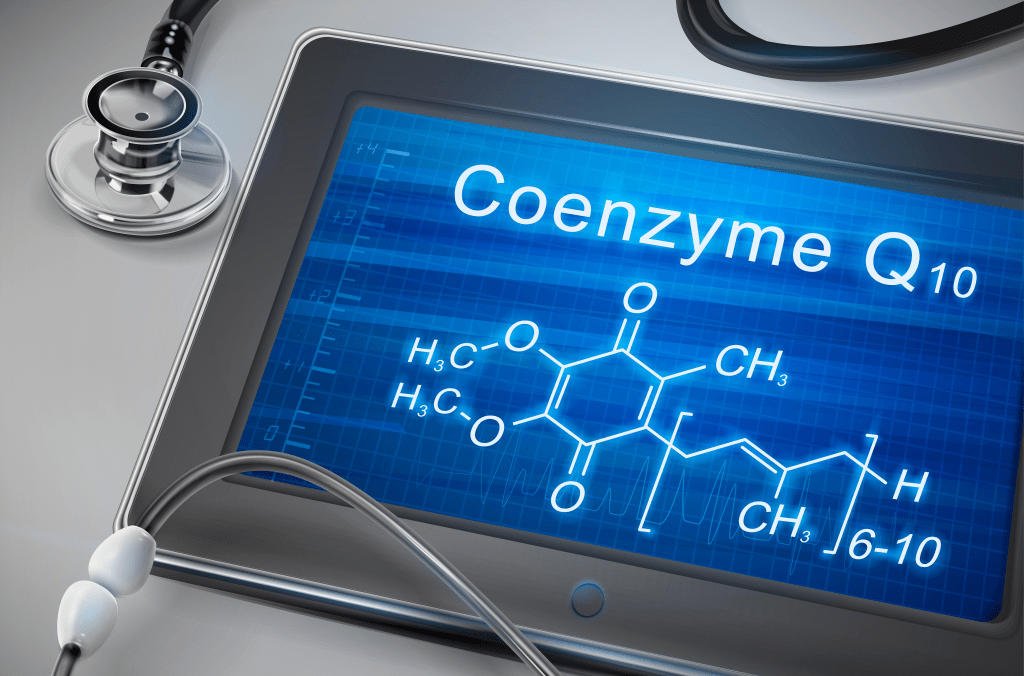
The name may not sound very natural, but coenzyme Q10 is in fact an essential nutrient that works like an antioxidant in the body. In its active form, it’s called ubiquinone or ubiquinol. Coenzyme Q10 (CoQ10) is a compound that helps generate energy in your cells. It’s produced naturally by the body and can also be obtained from certain foods and supplements. CoQ10 plays a crucial role in producing energy, protecting cells from damage, and supporting overall health.

Coenzyme Q10 is present in the human body in the highest levels in the heart, liver, kidneys and pancreas. It’s stored in the mitochondria of your cells, often called the cells’ “powerhouse,” which is why it’s involved in energy production.

What is CoQ10 good for? It’s used for important functions such as supplying cells with energy, transporting electrons and regulating blood pressure levels.

As a “coenzyme,” CoQ10 also helps other enzymes work properly. The reason it’s not considered a “vitamin” is because all animals, including humans, can make small amounts of coenzymes on their own, even without the help of food.

How CoQ10 Works

  • To sustain enough energy to perform bodily functions, inside our cells tiny organelles called mitochondria take fat and other nutrients and turn them into useable sources of energy. This conversion process requires the presence of CoQ10.
  • Coenzyme Q10 is not only necessary for producing cellular energy, but also for defending cells from damage caused by harmful free radicals.
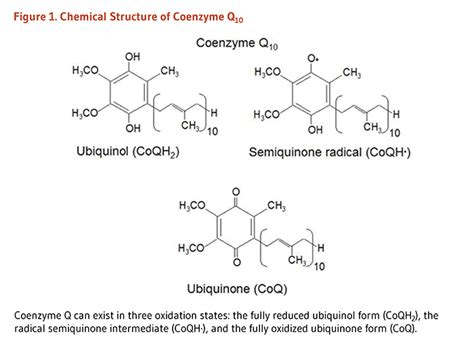
  • Coenzyme Q10 can exist in three different oxidation states, and the ability in some forms to accept and donate electrons is a critical feature in its biochemical functions that cancel out free radical damage.
  • As a powerful antioxidant, Coenzyme Q10 can increase absorption of other essential nutrients. It’s been shown that it helps recycle vitamin C and vitamin E, further maximizing their effects.

While humans make some CoQ10, CoQ10 supplements are also available in various forms — including capsules, tablets and by IV.

Should I Take a CoQ10 Supplement?

Who needs to take CoQ10? CoQ10 production naturally declines as we age past about 40 years old — just when we need our cells to help defend us most. This means older adults and those looking to age gracefully may wish to supplement with it.

Research suggests that natural synthesis of CoQ10, plus dietary intake, appears to provide sufficient amounts to help prevent a CoQ10 deficiency in healthy people — however, we produce less CoQ10 in older age, and people with certain health conditions, such as heart disease, also seem to make less.

Coenzyme Q10 Deficiency

Coenzyme Q10 (CoQ10) is a vital nutrient that plays a key role in energy production within cells. A deficiency in CoQ10 can lead to various health issues, such as fatigue, muscle weakness, and even heart problems. It’s essential for the proper functioning of organs and overall cellular health. To address a CoQ10 deficiency, individuals can consider dietary supplements and consuming foods rich in CoQ10, such as oily fish, organ meats, and nuts. Always consult with a healthcare professional before starting any supplementation regimen.

Some contributing factors to CoQ10 deficiency/low levels, besides aging and genetic defects, are believed to include:

  • Having chronic diseases, such as diabetes, cancer and congestive heart failure
  • High levels of oxidative stress
  • Nutritional deficiencies in B vitamins
  • Mitochondrial diseases
  • Taking statin drugs

Rarely, a person may suffer from “primary coenzyme Q10 deficiency,” which is a genetic defect that stops the body from properly synthesizing this compound. For these individuals, supplementing with CoQ10 is typically needed to help reverse brain- and muscle-related symptoms.

Benefits

1. Sustains Natural Energy

CoQ10 plays a role in “mitochondrial ATP synthesis,” which is the conversion of raw energy from foods (carbohydrates and fats) into the form of energy that our cells use, called adenosine triphosphate (ATP).

This conversion process requires the presence of coenzyme Q in the inner mitochondrial membrane. One of its roles is to accept electrons during fatty acid and glucose metabolism and then transfer them to electron acceptors.

The process of making ATP is crucial to every cell in the human body and also allows messages to be sent between cells. To maintain energy (down to the cellular level), ATP synthesis is vital, and it needs CoQ10 to do its job.

CoQ10 may even reduce fatigue related to exercise. Three separate double-blind, placebo-controlled studies in humans have shown improvements in exercise-related fatigue when supplemented with CoQ10 (at dosages between 100–300 milligrams per day).

2. Reduces Free Radical Damage

As both a water- and fat-soluble antioxidant, CoQ10 has been found to inhibit lipid peroxidation, which occurs when cell membranes and low-density lipoproteins are exposed to oxidizing conditions that enter from outside the body.

In fact, when LDL is oxidized, CoQ10 is one of the first antioxidants used to help offset the effects. Within mitochondria, coenzyme Q10 has been found to protect membrane proteins and DNA from the oxidative damage that accompanies lipid peroxidation and neutralize free radicals directly that contribute to nearly all age-related diseases (heart disease, cancer, diabetes, neurological disease, etc.).

One way this might be especially effective is found in a research study that discovered CoQ10 may help protect from some oxidative stress caused by insulin resistance and related to diabetes. Results are mixed on its effects on blood sugar, however.

3. Can Improve Heart Health and Offset Effects of Statin Drugs

Although experts feel that additional well-controlled clinical trials are still needed to prove its effects, CoQ10 has strong potential for prevention and treatment of heart ailments. It does this due its ability to improve cellular bioenergetics, acting as an antioxidant and boosting free radical-scavenging abilities.

What we do know is that CoQ10 supplementation may be useful for those taking statins and for people with high cholesterol. That’s because of its cholesterol-lowering effects.

Coenzyme Q10 may help reduce low-density lipoprotein (LDL) cholesterol and total cholesterol levels in some populations, including people with diabetes.

It may also lower side effects that statin medications can often cause, including fatigue. Statins are used to reduce an enzyme in the liver that not only decreases the production of cholesterol, but also further lowers the natural production of CoQ10.

It’s possible that CoQ10 can interact with lipid-lowering medications that inhibit the activity of HMG-CoA reductase, a critical enzyme in both cholesterol and coenzyme Q10 biosynthesis. A supplement of CoQ10 is often recommended to restore natural levels to their optimum marks and counter the effects of statin drugs, including muscle pain.

However, some evidence conflicts — as some reviews have found evidence is lacking to officially recommend CoQ10 supplementation for patients with statins.

This isn’t the only way CoQ10 can support the heart and circulatory system, though. CoQ10 can improve circulation — and it may be able to increase blood flow and improve exercise performance and capacity for people who have suffered heart failure.

Does CoQ10 lower blood pressure? Study results have been mixed overall. According to the National Institutes of Health, “The small amount of evidence currently available suggests that CoQ10 probably doesn’t have a meaningful effect on blood pressure.”

4. Slows Down Effects of Aging (Including Skin Changes)

Mitochondrial ATP synthesis is an important function for maintaining a fast metabolism, strength of muscles, strong bones, youthful skin and healthy tissue, and abnormal mitochondrial can cause issues.

Although supplementing with CoQ10 has not been shown to increase the life span of animals that have been tested with it, researchers believe it can slow down the age-related increase in DNA damage that naturally affects us all. Possible anti-aging benefits of consuming more CoQ10 include:

  • Protection of the heart against stress-related aging.
  • Protection of skeletal muscle genetic structure to keep those muscles strong, minimizing bone and joint injury risk.
  • Improved fertility during your 40s by the reversal of egg degradation and increased production of ATP.
  • Increased activity of antioxidants catalase and glutathione to protect cell membranes throughout the body from free radical damage.
  • Reduced UV skin damage and signs of skin aging, such as wrinkles and loss of elasticity (when applied as topical cream and/or taken as a supplement). One randomized, placebo-controlled, double-blind study found that 150 mg/day of CoQ10 limited deterioration of viscoelasticity, improved smoothness and reduced some visible signs of aging when taken for 12 weeks.

5. May Help Protect Against Cancer

Within cells, CoQ10 helps transport proteins across membranes and separate certain digestive enzymes from the rest of the cell, which helps maintain optimal pH. It’s believed that diseases develop more easily in environments that have to work harder to maintain proper pH levels.

This, in addition to its major antioxidant capacity, may be one reason that cancer risk may be reduced among people with higher CoQ10 levels. Here are other reasons:

  • Increasing impact of chemotherapy drugs and protect from side effects: Supplementing with CoQ10 during cancer treatment may help increase the cancer-killing potential of these medications (like doxorubicin and daunorubicin). There is also evidence that CoQ10 can protect the heart from DNA damage that can sometimes occur from high doses of chemotherapy medications.
  • May slow or reverse spread of breast cancer: A 2017 article published in Future Oncology states: “Medical approaches are available for treatment of BC… A promising candidate is coenzyme Q10 which is an antioxidant that can target the mechanisms of BC tumor progression.” That’s not all. A 1994 study followed 32 breast cancer patients (ranging from 32–81 years old) classified as “high-risk,” due to the way their cancer had spread to lymph nodes. Each patient was given nutritional antioxidants, essential fatty acids and 90 mg per day of CoQ10. Not only did no patients die over the study period of 18 months, but no patient worsened during this period, all reported quality of life improvements and six patients went into partial remission. Two of the patients in partial remission were then given more coenzyme Q10 (300 mg each day), both of whom went into totally remission, showing complete absences of previous tumors and tumor tissue (one after two months, the other after three months).
  • Could help prevent colon cancer: One research study discovered CoQ10 significantly lowered oxidative stress in the colon that leads to colon cancer.
  • Might play a role in the prevention of cervical cancer: Low levels of CoQ10 are seen in patients with cervical cancer, although it’s not clear why.
  • May improve survival rate in end-stage cancers: A pilot study over nine years followed 41 patients with various primary cancers that had advanced to stage four and were given CoQ10 supplements plus an additional antioxidant mixture. Of the patients followed, the median time of survival was 17 months, five months longer than expected overall. In total, 76 percent of the patients survived longer than expected on average, with little to no side effects noted from the treatment.

6. May Protect Cognitive Health

In those with cognitive impairments, such as Parkinson’s disease, increased oxidative stress in a part of the brain called the substantia nigra is thought to contribute to symptoms.

CoQ10 has been shown to offset decreases in activity of mitochondrial electron transport chains that affect nerve channels and brain function, and studies show that people with cognitive disorders tend to have reduced levels of CoQ10 in their blood.

One randomized, placebo-controlled trial that evaluated the efficacy of 300, 600 or 1,200 mg a day given to 80 people with early Parkinson’s disease found that supplementation was well-tolerated and associated with slower deterioration of cognitive functions compared to the placebo. That being said, not every study has found coenzyme Q10 to be effective over placebo.

Some preliminary studies have found positive outcomes in lab and research studies, and a few small human clinical trials, for CoQ10 to treat cognitive decline seen in other neurological diseases, including progressive supranuclear palsy, Huntington’s disease, amytrophic lateral sclerosis and Friedreich’s ataxia.

Regarding the most well-known neurodegenerative disease, Alzheimer’s disease, there have been little to no human trials conducted using CoQ10. However, research studies have found modestly positive results, making coenzyme Q10 a possible addition to an Alzheimer’s diet and supplementation plan.

7. Could Improve Male Infertility

It’s possible CoQ10 can help improve fertility issues in men. In clinical trials, supplementation with coenzyme Q10 significantly:

8. Helps Treat Symptoms of Fibromyalgia

Multiple clinical trials and case reports have found that CoQ10 may be a powerful natural method of treating fibromyalgia symptoms. In adults, the dosage was typically 300 milligrams per day, while one study on juvenile fibromyalgia focused on a 100 milligram dose.

Improvements included:

COQ10 Foods

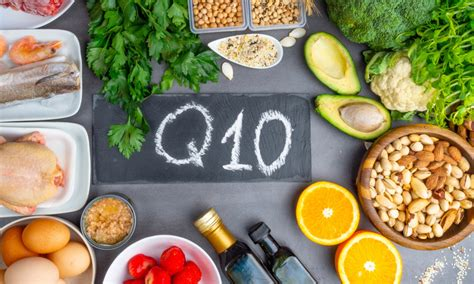
Coenzyme Q10 is found naturally in our diets from foods, including fish, liver, kidney and the germs of whole grain.

The richest natural sources of dietary coenzyme Q10 are meat, poultry and fish, but vegetarian options, such as beans, nuts, some vegetables, eggs and dairy products, are also helpful for increasing your intake.

Some of the best foods for supplying CoQ10 include:

  • Grass-fed beef
  • Herring
  • Free-range chicken
  • Rainbow trout
  • Sesame seeds
  • Pistachio nuts
  • Broccoli
  • Cauliflower
  • Oranges
  • Strawberries
  • Cage-free eggs
  • Sardines
  • Mackerel
  • Organ meats, like giblets and liver

Currently, there is no specific dietary intake recommendation for CoQ10 established from the Institute of Medicine or other agencies.

Because it’s a fat-soluble antioxidant, it’s most easily absorbed when consumed with a small amount of healthy fats (just like vitamins E and A).

Although it can be obtained from certain foods, foods tend to only supply low doses, which is exactly why many experts recommend supplementing if you’re older or have a condition that may benefit from CoQ10 supplementation.

Symptoms of deficiency have not been widely reported or studied in much detail in the general population. It’s estimated that the average person’s diet contributes around 25 percent of total CoQ10.

The best way to obtain enough is to eat a varied, nutrient-dense diet – plus to consider supplementing if it makes sense for your individual situation.

COQ10 Supplements and Dosage

COQ10 is found in such low quantities in most foods that even a healthy diet might be an impractical way to meet the daily recommended dosages. Taking a daily, high-quality CoQ10 supplement in capsule form (which helps with easier absorption into the bloodstream) can close the bridge between this gap.

Dosage sizes of CoQ10 dietary supplements range anywhere from 50–1,200 mg per day. Most supplements fall in the 100–200 mg range.

Depending on the condition a person is attempting to treat, the CoQ10 dosage recommendations can range from 90 mg up to 1,200 mg. This larger dose has typically been used only to study the neurological benefits of CoQ10 — most successful studies use between 100–300 mg.

In Canada CoQ10 100mg is prescribed together with a low dose statin.
In Germany you are started on CoQ10 100 or 200mg, depending on your total cholesterol, Triglicerides, and LDL (bad fat) and family history of heart disease and /or strokes, and maybe later a low dose of statin is then added. Rosuvastatin Patient Information Leafelt (PIL) recommends CoQ10 to be taken with it.

What’s important, and makes a big difference in terms of the benefits you’ll get from taking CoQ10 supplements, is that the concentration is actually equal to the amount listed. Some products use fillers or enhancers and may even supply less of a dosage than the manufacturer claims.

Look for products with reviews, certifications ensuring the listed dosage is correct and as minimal preservatives or fillers as possible, along with supplements that possess the right CoQ10 concentrations.

When should you take CoQ10, morning or night? While it can be taken any time that is most convenient, it’s best to take CoQ10 with a meal containing fat, since it’s fat-soluble. If you take a CoQ10 dosage that exceeds 100 mg per day, it’s best to split doses into two or three smaller servings, which will help with absorption.

There’s some evidence that taking CoQ10 at night may help with the body’s ability to use it, so a good option is taking it with dinner. However, some people report having difficulty falling asleep if they take CoQ10 close to bedtime, so this comes down to individual preference.

Risks and Side Effects

What are the risks of taking CoQ10? Although it’s considered to be very safe overall and has been used in the medical field for many years, CoQ10 side effects may still affect some people.

Potential CoQ10 side effects can include:

  • Diarrhea
  • Nausea
  • Heartburn
  • Upper abdominal pain
  • Loss of appetite
  • Headaches
  • Insomnia
  • Rashes
  • Fatigue
  • Dizziness
  • Light sensitivity
  • Irritability

Always read the dosage labels on your coenzyme Q10 supplements, and stick to them unless instructed otherwise by your health care professional.

Who should not take CoQ10? If you’re pregnant or breast-feeding, it’s probably best not to take CoQ10 supplements, since it’s not clear whether or not they’re safe in these cases.

Coenzyme Q10 supplements can decrease the anticoagulant efficacy of statins like warfarin and other common cholesterol-lowering medications (such as those known as HMG-CoA reductase inhibitor statins). Talk to your doctor about being monitored if you take these medications.

Your Take Away:

  • CoQ10 is a natural substance found in the body and certain foods that helps fight oxidative stress and prevent tissue damage.
  • What is CoQ10 good for? The top benefits of CoQ10 include having cholesterol-lowering effects, sustaining natural energy, improving heart and brain health, slowing signs of skin aging, and fighting some forms of cancer.
  • Coenzyme Q10 is produced by the body naturally and also found in small amounts in some foods. CoQ10 foods include meat, fish, nuts, seeds, veggies and eggs. However, our ability to produce and use it decreases significantly with age.
  • CoQ10 dietary supplement dosages range between 30—1,200 mg/daily, and the typically recommended dosage is between 100–200 mg each day for most conditions.
  • CoQ10 side effects can potentially include digestive issues, fatigue, mood swings and fatigue, among others.

Thank you for showing continued interest.

I hope you feel inspired. Look after your liver, and it will keep you healthy.

Catherine
CWD 17 March 2024/Ireland