By Dr Catherine W. Dunne, MSc.D., RGN (GPN), M.H.I.T. Holistic Healthcare Wexford
YOU ARE NOT IMAGINING IT
Many people are told the same thing: “Your blood tests are normal.” And yet… you don’t feel normal.
Your energy is low. Your sleep isn’t refreshing. Your mood feels flat, anxious, or unpredictable. Your body just doesn’t feel right.
This is more common than you might think. And importantly: It does not mean nothing is wrong.
NORMAL” DOES NOT MEAN OPTIMAL
Standard blood tests are designed to detect disease. They are not designed to assess how well your body is functioning day to day.
A result can sit comfortably within range, yet still be:
low for your individual needs
poorly utilised by the body
insufficient during times of stress or recovery
This is where many people fall through the gap.
IT’S NOT JUST WHAT YOU TAKE, IT’S WHAT YOUR BODY CAN USE
You might be:
eating well
taking supplements
doing all the right things
And still feel depleted.
Why?
Because the body relies on multiple steps:
digestion
absorption
transport
cellular uptake
If any part of that chain is under strain, you can feel the effects long before anything shows up on a lab report.
THE MISSING PIECE IS OFTERN THE NERVOUS SYSTEM
One of the most overlooked factors is nervous system load. Modern life keeps the body in a constant state of low-grade stress, ongoing alertness, and overstimulation. Over time, this begins to affect energy production, sleep quality, digestion, and hormone balance.
Many people describe it simply as: “I can’t switch off.” That alone can keep the body from restoring properly.
THIS IS WHERE WHOLISTIC CARE COMES IN.
In practice at Holistic Healthcare Wexford, this pattern shows up more and more frequently. People often arrive feeling dismissed, frustrated, and unsure where to turn next. This work is not about replacing medical care. It is about supporting the body’s function, identifying where things are under strain, and helping the system return to balance.
This may include nervous system support, targeted nutritional guidance, and gentle, body-led therapies.
YOU ARE NOT “FINE”. YOU ARE EARLY.
Feeling “off” is often an early signal, not a dead end.
Your body is communicating. It just hasn’t reached the point of disease. And that is exactly where the greatest opportunity for change exists.
WHAT YOU CAN DO NEXT
If this resonates with you, start simple:
Pause and acknowledge how you actually feel
Look at your sleep, stress, and daily load
Do not dismiss your symptoms just because tests are “normal”
If you feel you need support:
A holistic consultation can help you make sense of what your body is showing you and what to do next.
FINAL THOUGHT
You know your body. If something feels off, it is worth listening. Not everything shows up on paper. But that does not make it any less real.
I hope you feel inspired. Look after your body, and it will keep you healthy.
Catherine
CWD 01 April 2026/Ireland
About the Author
Dr Catherine W. Dunne is a Registered General Nurse with over 37 years of clinical experience in primary care in Ireland. Alongside her work in General Practice Nursing, she is the founder of Holistic Healthcare Wexford and co-founder of Aumvedas Academy.
With a background that bridges conventional medicine and holistic practice, Catherine has a particular interest in the area where patients are often told “everything is normal,” yet still feel unwell. Her work focuses on helping people understand what their body is communicating, especially in relation to energy, stress, metabolic function, and recovery.
Through a combination of clinical knowledge and holistic support, she works with individuals to restore balance, improve resilience, and support long-term wellbeing.
Based in Wexford, Ireland.
Disclaimer
The information provided in this article is for educational purposes only and is not intended as medical advice. Always consult a qualified healthcare professional before starting any new supplement or health intervention.
You can take Vitamin D, Magnesium, and Calcium—and still not get the results you expect. Sometimes, the missing piece is not what you take, but what helps your body use it.
By Dr Catherine W. Dunne, MSc.D., RGN (GPN) Holistic Healthcare Wexford
Boron is one of those nutrients.
It may only be required in trace amounts, but its impact on bone health, hormones, inflammation, and Vitamin D function makes it a valuable addition to a well-structured health plan.
Bone Health: More Than Just Calcium
When it comes to bones, most people think of Calcium. But Calcium alone is only part of the picture.
Boron helps the body to improve Calcium retention, enhance Magnesium utilisation, and support Vitamin D activation. This creates a more efficient system for maintaining bone density and strength.
Emerging research also suggests Boron may help reduce joint discomfort and stiffness, particularly in osteoarthritis, by supporting a balanced inflammatory response.
In clinical practice, this is often seen in patients whose bone markers or symptoms do not improve despite adequate Calcium and Vitamin D intake.
A Natural Anti-Inflammatory Support
Chronic, low-grade inflammation is at the root of many modern health concerns.
Boron has been shown to reduce inflammatory markers such as CRP, modulate immune responses, and support tissue recovery.
This makes it a useful addition in cases of joint pain, post-viral fatigue, and general inflammatory states.
In clinical settings, this may be relevant in patients presenting with persistent low-grade inflammatory symptoms.
Hormonal Balance: A Quiet Regulator
One of Boron’s most interesting roles is its influence on hormones.
It has been shown to influence free testosterone levels, support healthy oestrogen metabolism, and reduce sex hormone binding globulin (SHBG).
This means more hormones are available in their active form, which may benefit perimenopause, menopause, and low energy states.
Boron and Vitamin D: A Powerful Partnership
Boron plays a supportive role in how the body uses Vitamin D.
It helps extend the half-life of Vitamin D, improve Magnesium efficiency, and support proper Calcium direction alongside Vitamin K2.
Together, Vitamin D, Magnesium, Vitamin K2, and Boron create a more balanced and effective system.
Boron may also play a supportive role in thyroid function through its interaction with mineral balance and hormone regulation.
This is how these nutrients work together in the body:
Cognitive and Nervous System Support
Low Boron intake has been associated with reduced concentration, slower cognitive processing, and brain fog.
Adequate levels may support mental clarity and neurological function.
Dietary Sources of Boron
Boron is found naturally in avocados, raisins, prunes, nuts (especially almonds), and leafy green vegetables.
However, modern diets often provide lower than optimal intake.
Supplementation
Typical intake ranges from 3 mg daily for general support, with 6 mg often used in short-term therapeutic protocols.
There is rarely a need to exceed this range.
Safety Considerations
Avoid high doses in pregnancy and use caution in kidney disease. As with all nutrients, balance is key.
Clinical Perspective
Boron is often the missing link in protocols where bone support, Vitamin D response, hormonal balance, or inflammation management are not progressing as expected.
Final Thoughts
Boron helps the body use what is already there more efficiently. In many cases, health does not improve because something is missing but because what is already there is not being used properly.
Boron does not replace your core nutrients, it helps them work properly.
I hope you feel inspired. Look after your body, and it will keep you healthy.
Catherine
CWD 27 March 2026/Ireland
About the Author
Dr Catherine W. Dunne MSc.D., RGN, M.H.I.T. is a nurse, holistic practitioner, and educator based in Wexford, Ireland. With over 35 years of experience in healthcare and energy-based healing modalities, she integrates conventional medical knowledge with holistic approaches to support whole-person well-being.
Catherine is the founder of Holistic HealthCare Wexford and co-founder of Aumvedas Academy, where she teaches courses in holistic health, energy medicine, and integrative healing practices.
Her work focuses on empowering people to understand the body as an intelligent system capable of healing when supported with the right knowledge, nutrition, and energetic balance.
Learn more: Holistic HealthCare Wexford Aumvedas Academy
Disclaimer
The information provided in this article is for educational purposes only and is not intended as medical advice. Always consult a qualified healthcare professional before starting any new supplement or health intervention.
For many years we were told something simple about bone health:
By Dr Catherine W. Dunne MSc.D., RGN Holistic HealthCare Wexford & Aumvedas Academy Nurse, Medical Intuitive and Holistic Practitioner
Take calcium and a little vitamin D.
But modern research is showing that calcium metabolism is far more sophisticated than that. The body relies on a small team of nutrients working together — most importantly vitamin D3, magnesium and vitamin K2.
When these nutrients are balanced, calcium is more likely to support healthy bones rather than accumulating in places where it should not be.
Understanding how this system works can help us make better choices for long-term health.
What do vitamin D3, magnesium and vitamin K2 do together?
Vitamin D3 helps the body absorb calcium from food, magnesium activates vitamin D so it can function properly, and vitamin K2 directs calcium into bones while helping prevent deposits in arteries and soft tissues. Together, these nutrients support healthy calcium balance, bone strength and overall metabolic health.
Vitamin D3 – The Sunshine Signal
Vitamin D is often called a vitamin, but in reality it behaves more like a hormone.
Production begins in the skin when ultraviolet-B sunlight converts a cholesterol-related molecule called 7-dehydrocholesterol into vitamin D3.
Once activated by the liver and kidneys, vitamin D influences hundreds of genes involved in:
• calcium absorption • immune regulation • inflammation control • muscle strength • bone metabolism
One of its most important roles is helping the body absorb calcium from food.
Without sufficient vitamin D, the body may absorb only a small fraction of the calcium we eat.
Low vitamin D levels have also been associated in research studies with a range of conditions including:
• osteoporosis • autoimmune diseases such as multiple sclerosis • certain cancers including breast and bowel cancer.
This does not mean vitamin D alone prevents these diseases, but it highlights how important it is in maintaining normal physiological balance.
Magnesium – The Quiet Enabler
Here is a fact that many people do not realise.
Vitamin D cannot function properly without magnesium.
Magnesium is required for the enzymes that activate vitamin D in the body. Without adequate magnesium, vitamin D may remain largely inactive.
Magnesium also plays important roles in:
• parathyroid hormone regulation • nerve and muscle function • heart rhythm stability • bone mineralisation.
Unfortunately magnesium deficiency has become common in modern diets due to soil depletion, processed foods and certain medications.
When magnesium levels are low, increasing calcium intake alone often fails to correct imbalances.
Vitamin K2 – The Calcium Guide
If vitamin D increases calcium absorption, another important question arises:
Where does that calcium go?
Vitamin K2 helps answer that question.
This nutrient activates specialised proteins that guide calcium into the bones while helping prevent calcium deposits in arteries and soft tissues.
Two important vitamin K2-dependent proteins include:
• Osteocalcin, which binds calcium into the bone matrix • Matrix GLA protein, which helps prevent vascular calcification.
In simple terms, vitamin K2 acts like a traffic controller for calcium, helping ensure it strengthens bones rather than accumulating where it does not belong.
Why Calcium From Food Is Often Preferable
Calcium is clearly important for bone health, but more is not always better.
Many people can obtain adequate calcium through foods such as:
• dairy products • leafy green vegetables • almonds and sesame seeds • small fish eaten with bones.
Supplements may be appropriate in certain situations, but high calcium intake without sufficient vitamin D, magnesium and K2 may not support healthy calcium balance.
For this reason, many clinicians now emphasise dietary calcium alongside nutrient balance rather than relying solely on supplements.
Vitamin D and the Immune System
Beyond bone health, vitamin D plays an important role in immune regulation.
Immune cells contain vitamin D receptors, and adequate levels appear to help maintain balanced immune responses.
Researchers have explored links between vitamin D status and conditions such as:
• multiple sclerosis • autoimmune diseases • breast cancer • colorectal (bowel) cancer.
While vitamin D is not a treatment for these conditions, maintaining healthy levels may support the body’s natural defence systems.
Interestingly, the prevalence of multiple sclerosis increases in populations living further from the equator, where sunlight exposure — and therefore vitamin D production — is lower.
A Simple Way to Think About the System
Instead of focusing on a single nutrient, it helps to think of calcium regulation as a partnership.
Vitamin D3 helps the body absorb calcium.
Magnesium activates vitamin D and supports metabolic processes.
Vitamin K2 directs calcium into bones and away from soft tissues.
Calcium provides the structural building blocks for bones and teeth.
When these nutrients work together, the body is better able to maintain balance.
Diagram showing how Vitamin D3, magnesium and vitamin K2 work together to regulate calcium and support bone health.
Supporting Healthy Nutrient Levels
Some practical ways to support this system include:
• sensible sunlight exposure where possible • eating a varied diet rich in vegetables, nuts and seeds • including fermented foods or high-quality dairy where tolerated • discussing testing or supplementation with a healthcare professional when appropriate.
Every individual is different, and personalised guidance is always best.
Health rarely depends on one nutrient or one supplement.
The body works through networks of nutrients and signals, each supporting the other.
Understanding how vitamin D3, magnesium and vitamin K2 interact gives us a clearer picture of how the body manages calcium, supports bone health and maintains overall wellbeing.
Sometimes the most effective approach is simply helping the body restore its natural balance.
I hope you feel inspired. Look after your body, and it will keep you healthy.
Catherine
CWD 14 March 2026/Ireland
Dr Catherine W. Dunne MSc.D., RGN, M.H.I.T. is a nurse, holistic practitioner, and educator based in Wexford, Ireland. With over 35 years of experience in healthcare and energy-based healing modalities, she integrates conventional medical knowledge with holistic approaches to support whole-person well-being.
Catherine is the founder of Holistic HealthCare Wexford and co-founder of Aumvedas Academy, where she teaches courses in holistic health, energy medicine, and integrative healing practices.
Her work focuses on empowering people to understand the body as an intelligent system capable of healing when supported with the right knowledge, nutrition, and energetic balance.
Learn more: Holistic HealthCare Wexford Aumvedas Academy
Disclaimer
The information provided in this article is for educational purposes only and is not intended as medical advice. Always consult a qualified healthcare professional before starting any new supplement or health intervention.
By Dr. Catherine W. Dunne | Holistic HealthCare Wexford & Aumvedas Academy Dr Catherine W Dunne MSc. D., RGN, Reiki Master (RGMT), M.H.I.T: Master Acupressure. Practitioner of Reflexology. Expert in Aromatherapy. Specialized in Deep Tissue/Myo-fascia Massages. Proficient in Infrared Treatments. Vibrational Sound and Colour Therapist. Tissue Salt Advisor. Pendulum Healing Dowser. Chakra Practitioner. Tao Cosmic Healing Practitioner. Practitioner of Plant and Herb Medicine and licensed Nurse.
Das Jahr des Feuerpferdes bringt Bewegung — nicht als Symbol, sondern als lebendige Kraft im menschlichen Körper und in der lebendigen Erde.
Am 17. Februar 2026 tritt ein Feld beschleunigter Energie in Erscheinung. Es kommt nicht leise. Es wartet nicht auf Bereitschaft. Es stellt Bewegung dort wieder her, wo Stagnation lange bestanden hat.
In meinem Buch Twelve: The Sacred Code of Consciousness beschreibe ich die grundlegende Architektur, durch die sich Lebenskraft organisiert — die heilige Struktur, welche bestimmt, wie Energie sich bewegt, entwickelt und verkörpert. Das Jahr des Feuerpferdes offenbart diese Architektur in lebendiger Bewegung. Was zuvor verstanden wurde, wird nun erfahren.
Dies ist ein Jahr des Erwachens durch Verkörperung. Ein Jahr, in dem Energie aufsteigt, Wahrheit sichtbar wird und Bewusstsein Form im Materiellen sucht.
Die Energie des Feuerpferdes — Der aufsteigende Strom des Lebens
Das Feuerpferd wirkt nicht vom Verstand nach unten. Es wirkt vom Boden nach oben.
Es bewegt sich wie ein aufsteigender Strom durch den Körper — aktiviert die Wirbelsäule, weckt das Nervensystem und stellt den natürlichen Fluss der Lebenskraft wieder her. Seine Reinigung ist nicht zerstörerisch, sondern regenerierend. Es entfernt nichts, was lebendig ist. Es bringt lediglich Bewegung dorthin zurück, wo Leben erstarrt ist.
Wo Energie fliesst, folgt Heilung. Wo Widerstand besteht, entsteht Druck.
Diese Bewegung entspricht dem uralten Weg der Kundalini — der Intelligenz des Lebens, die durch das menschliche System aufsteigt. Sie spiegelt zugleich die Bewegung der Erde selbst wider, wenn Gaia ihre eigenen aufsteigenden Kräfte durch Land, Meer und Atmosphäre ausdrückt.
Das Feuerpferd entzündet die Kraft. Die im Werk Twelve beschriebene zwölfteilige Architektur bietet den Weg, auf dem sich diese Kraft entfaltet.
Erhältlich auf Amzon
Die zwölf Bewegungen der Feuerpferd-Energie
Der aufsteigende Strom des Feuerpferdes entfaltet sich in zwölf Aktivierungsphasen — eine heilige Abfolge, durch die Bewusstsein verkörpert wird.
1. Entzündung — Die Lebenskraft erwacht
Ein inneres Erwachen beginnt. Vitalität kehrt zurück. Das innere Feuer erinnert sich selbst.
2. Erdung — Verbindung mit der Erde stabilisiert die Energie
Energie sucht Verankerung im Körper und in der Erde. Die Füsse werden zu Toren der Stabilität.
3. Zirkulation — Energie beginnt zu fliessen
Der Atem vertieft sich. Das Blut bewegt sich. Das Nervensystem erwacht.
4. Reinigung — Stagnation wird sichtbar
Was unterdrückt wurde, tritt ins Bewusstsein und sucht Auflösung.
5. Emotionale Befreiung — Aktivierung des Leberfeldes
Gespeicherte Emotionen lösen sich. Wahrheit bewegt sich durch das Gefühl.
6. Mutreaktion — Stärkung des Nierenfeldes
Angst wandelt sich in geerdete Präsenz. Das System entscheidet sich für das Leben.
7. Rhythmische Ordnung — Der Körper findet sein Gleichgewicht
Der natürliche Rhythmus kehrt zurück. Der Körper erinnert sich an seine eigene Intelligenz.
8. Herz-Kohärenz — Emotionale Wahrheit entsteht
Fühlen und Handeln kommen in Einklang. Klarheit und Mitgefühl vereinen sich.
9. Stimmlicher Ausdruck — Wahrheit erhält Klang
Inneres Wissen sucht Ausdruck. Die authentische Stimme erwacht.
10. Aktivierung der Einsicht — Wahrnehmung erweitert sich
Das Bewusstsein öffnet sich. Intuition vertieft sich.
11. Einheitserfahrung — Kollektive Resonanz
Die Erfahrung von Trennung löst sich. Verbundenheit wird fühlbar.
12. Verkörperte Integration — Geist vollständig in der Materie verankert
Energie stabilisiert sich im Körper. Bewusstsein wird gelebte Realität.
Das universelle Muster der Zwölf
Diese zwölf Bewegungen sind kein theoretisches Konzept, sondern ein universelles Prinzip, das sich in zahlreichen Traditionen und Heilwegen zeigt.
Sie spiegeln sich wider in:
der Erweiterung des Chakrasystems
dem energetischen Rahmen des Temple of Akhalin
den Bewusstseinsströmen der Zwölf Stämme
den Wegen der Kundalini-Aktivierung
den energetischen Feldern Gaias
Das Jahr des Feuerpferdes erschafft diese Struktur nicht. Es aktiviert das, was immer existiert hat.
Was dieses Jahr im Menschen wecken kann
Während sich die Energie des Feuerpferdes im kollektiven Feld bewegt, können viele Menschen Folgendes wahrnehmen:
innere Unruhe oder gesteigerte Lebendigkeit
emotionale Klärung oder plötzliche Einsicht
körperliche Hitze oder energetische Sensibilität
den Wunsch nach Veränderung und Wahrheit
das Loslassen alter Muster
vertiefte Intuition und Wahrnehmung
stärkere Verbindung zur Erde und zum eigenen Körper
Dies sind keine Störungen. Es sind Zeichen von Leben in Bewegung.
Der Körper erkennt Wahrheit, bevor der Verstand sie erklärt.
Bewegung als Medizin
Das Feuerpferd erinnert uns daran, dass Heilung durch Fluss entsteht, nicht durch Zwang.
Dieses Jahr führt uns zurück zu einfachen, ursprünglichen Prinzipien:
Gehen in Verbindung mit der Erde
rhythmisches Atmen
nährende, warme Nahrung
ausreichende Ruhe
ehrlicher Ausdruck von Gefühlen
das Zulassen innerer Bewegung
Bewegung stellt Zirkulation her. Zirkulation bringt Harmonie. Harmonie erneuert das Leben.
Die Intelligenz des Körpers hören
Der Körper ist kein Problem, das korrigiert werden muss. Er ist ein intelligentes Feld, das auf Energie reagiert.
Wenn wir uns erden, beruhigt sich das Nervensystem. Wenn wir Wahrheit ausdrücken, öffnet sich das Herz. Wenn wir Bewegung zulassen, kehrt Vitalität zurück.
Das Feuerpferd lädt uns ein, dieser Weisheit zu vertrauen — zu fühlen, bevor wir analysieren, zu hören, bevor wir erklären, und dem Leben zu erlauben, sich frei durch uns zu bewegen.
Die lebendige Architektur der Zwölf
Das Jahr des Feuerpferdes bringt keine neue Energie hervor. Es offenbart die ewige Struktur, durch die Energie sich immer bewegt hat.
Es zeigt die lebendige Architektur, die in Twelve: The Sacred Code of Consciousness beschrieben wird — das heilige Muster, durch das sich Leben im Menschen und in der lebendigen Erde organisiert.
Das Feuer entzündet den Prozess. Die zwölf Felder geben ihm Form. Verkörperung vollendet den Zyklus.
Weiterführende Vertiefung
Wer die tiefere energetische Architektur hinter diesen Prozessen erforschen möchte, findet im Werk Twelve: The Sacred Code of Consciousness eine umfassende Darstellung des zwölfteiligen Systems menschlicher und planetarer Entwicklung.
(erhältlich auf Amazon)
Ich hoffe, du fühlst dich inspiriert. Sorge liebevoll für deinen Körper – er wird deine Gesundheit bewahren.
By Dr. Catherine W. Dunne | Holistic HealthCare Wexford & Aumvedas Academy Dr Catherine W Dunne MSc. D., RGN, Reiki Master (RGMT), M.H.I.T: Master Acupressure. Practitioner of Reflexology. Expert in Aromatherapy. Specialized in Deep Tissue/Myo-fascia Massages. Proficient in Infrared Treatments. Vibrational Sound and Colour Therapist. Tissue Salt Advisor. Pendulum Healing Dowser. Chakra Practitioner. Tao Cosmic Healing Practitioner. Practitioner of Plant and Herb Medicine and licensed Nurse.
The Year of the Fire Horse brings movement — not just symbolically, but energetically within the human body and the living Earth.
In my book Twelve: The Sacred Code of Consciousness, I describe the underlying architecture through which life force organises itself. The Fire Horse year reveals how this structure activates in real time. What has long existed as potential now moves into direct experience.
What follows is an exploration of how rising energy moves through the twelve fields of consciousness and why 2026 marks a year of accelerated embodiment.
This is not simply philosophy. It is the living movement of energy through matter.
Fire Horse Energy — Movement From the Ground Up
The Fire Horse does not work from the mind downward. It works from the ground upward.
It brings momentum, circulation, and rapid truth. Its cleansing is not achieved by stripping away, but by demanding movement — physically, emotionally, and energetically. Where stagnation exists, pressure increases. Where flow returns, healing follows.
To understand this year, we must look beyond organs alone and return to the central channel of life force — the spine. This rising movement is ancient, efficient, and intelligent. It is the same pathway through which Kundalini moves within the human body, and the same pattern through which planetary energy expresses itself through the Earth.
The Fire Horse ignites movement. Twelve (available on Amazon) describes the structure through which that movement unfolds.
Fire provides the force. The twelve-fold architecture provides the order.
The Twelve Movements of Fire Horse Energy
The rising life force can be understood through twelve stages of activation — a progressive unfolding of energy, awareness, and embodiment.
1. Ignition — Life Force Awakens
A stirring begins. Vitality rises. A sense of urgency or renewed energy appears within the system.
2. Grounding — Connection to Earth Stabilises Energy
Energy seeks anchoring through the body, the feet, and the Earth. Stability becomes essential.
3. Circulation — Energy Begins to Flow
Movement increases in the blood, breath, and nervous system. What was static begins to move.
4. Purification — Stagnation Surfaces
Blockages become visible. Tension, fatigue, or emotional pressure may rise as the body clears.
5. Emotional Release — Liver Field Activation
Stored frustration, anger, or suppressed truth seeks expression. The system restores movement through release.
6. Courage Response — Kidney Field Strengthening
Fear and overwhelm are brought to awareness. Grounded courage replaces contraction.
7. Rhythmic Order — Spleen Stabilisation
The body seeks rhythm — regular nourishment, rest, and balance. Structure supports vitality.
8. Heart Coherence — Emotional Truth
Alignment between feeling and action emerges. Authenticity restores circulation and ease.
9. Voice Expression — Truth Spoken
Inner truth seeks outward expression. Communication becomes clearer and more direct.
10. Insight Activation — Perception Expands
Awareness deepens. Intuition strengthens. New understanding emerges naturally.
11. Unity Awareness — Collective Resonance
Individual experience connects to the collective field. Shared consciousness becomes more apparent.
12. Embodied Integration — Spirit Grounded in Matter
Energy stabilises within the physical body. Spiritual awareness becomes lived experience.
A Unified Framework of Consciousness
These twelve movements reflect a universal pattern found across multiple traditions and healing systems. They align naturally with:
chakra expansion and multidimensional energy centres
the Temple of Akhalin framework
the Twelve Tribes consciousness model
Kundalini awakening pathways
Gaia’s energetic field activation
What we witness in the Fire Horse year is not a new system, but the activation of a timeless structure.
What People May Experience
As Fire Horse energy moves through the system, individuals may notice:
increased restlessness or inner urgency
emotional intensity or sudden clarity
physical heat, tension, or energy shifts
desire for movement or change
heightened sensitivity or awareness
release of old emotional patterns
stronger intuition and perception
These experiences are not disturbances but signs of circulation returning where stagnation once existed.
The body responds to movement before the mind understands it.
Movement as Medicine
In a Fire Horse year, cleansing is not achieved through force but through flow. The body restores balance through simple, natural actions:
walking and gentle physical movement
rhythmic breathing
grounding practices
consistent hydration
warm, nourishing foods
regular rest and daily rhythm
emotional honesty and expression
Movement restores circulation. Circulation restores balance.
The body holds its own intelligence and responds when given the conditions to regulate itself.
Listening to Body Wisdom
This year invites a return to embodied awareness. Rather than analysing every sensation, we are encouraged to listen.
The nervous system settles when grounded. The heart stabilises when truth is expressed. Energy flows when resistance softens.
The Fire Horse teaches us to trust the intelligence of the body and the natural movement of life force.
The Living Architecture of Twelve
The Year of the Fire Horse does not introduce new energy — it reveals the structure through which energy has always moved.
It shows the living architecture described in Twelve: The Sacred Code of Consciousness — the twelve-fold pattern through which life organises, evolves, and expresses itself within both the human system and the living Earth.
Fire ignites the process. The twelve fields give it form.
Further Exploration
Those wishing to explore the deeper energetic architecture behind these processes may refer to Twelve: The Sacred Code of Consciousness, where the full framework of the twelve-fold system and its role in human and planetary evolution is described.
(available on Amazon)
I hope you feel inspired. Look after your body, and it will keep you healthy.
By Dr. Catherine W. Dunne | Holistic HealthCare Wexford & Aumvedas Academy Dr Catherine W Dunne MSc. D., RGN, Reiki Master (RGMT), M.H.I.T: Master Acupressure. Practitioner of Reflexology. Expert in Aromatherapy. Specialized in Deep Tissue/Myo-fascia Massages. Proficient in Infrared Treatments. Vibrational Sound and Colour Therapist. Tissue Salt Advisor. Pendulum Healing Dowser. Chakra Practitioner. Tao Cosmic Healing Practitioner. Practitioner of Plant and Herb Medicine and licensed Nurse.
Fanta Zero, Coca-Cola Zero, 7-Up Free, Sprite Zero, Lucozade Zero, Pepsi Max and their likes. Here is a little research I have done for you.
I am looking at the health impact of Zero Diet Sodas and what damage they cause to our body.
“Zero” sodas are marketed as the healthier option because they contain no sugar, no calories, no guilt. But does zero sugar really mean zero impact on health?
The short answer is no.
Let’s look at what’s actually inside these drinks and how they affect the body — particularly the kidneys, bones, metabolism, and gut.
What Are “Zero” Sodas? “Zero” or diet sodas remove sugar and calories, replacing them with artificial sweeteners and acids to preserve sweetness and flavour. They typically contain:
Carbonated water
Artificial sweeteners (most commonly aspartame, often combined with acesulfame-K)
Acids (citric acid or phosphoric acid)
Flavourings
They are called “Zero” because they contain no calories, not because they are biologically neutral.
Aspartame: The Ingredient Most People Don’t Question Most Zero sodas contain aspartame. Aspartame breaks down in the body into:
Phenylalanine
Aspartic acid
Small amounts of methanol
In occasional use, aspartame is generally tolerated by healthy adults. Concerns arise with regular, long-term daily consumption.
Effects on the Kidneys Large population studies consistently show that frequent diet soda consumption is associated with:
Faster decline in kidney function (eGFR)
Increased risk of chronic kidney disease
Higher rates of hypertension and metabolic stress
These effects are not caused by carbonation, but are likely related to:
Changes in gut microbiota
Increased oxidative stress
Insulin and blood-pressure dysregulation
Chronic low-grade inflammation
Plain sparkling water does not show these associations.
Effects on Bone Health Many Zero sodas — particularly colas — still contain phosphoric acid. High phosphorus intake without adequate calcium can:
Disrupt calcium balance
Increase calcium loss through urine
Reduce bone mineral density over time
Long-term diet soda consumption has been linked to lower bone density, especially in post-menopausal women.
Again, these effects are not seen with plain fizzy water.
Effects on Metabolism and Appetite Despite being calorie-free, artificial sweeteners can:
Trigger insulin release in some individuals
Disrupt hunger and satiety signalling
Increase cravings for sweet foods later
Alter dopamine reward pathways
In practice, many people who consume diet sodas regularly do not lose weight, and some gain weight over time.
The body does not like being tricked.
Effects on Gut Health Artificial sweeteners can alter gut bacteria, leading to:
Reduced glucose tolerance
Increased inflammatory signalling
Impaired mineral absorption
Gut health plays a direct role in kidney health, bone health, and metabolic balance.
What “Zero” Sodas Are — and Are Not
✔ Better than sugar-sweetened sodas ✖ Not kidney-protective ✖ Not bone-supportive ✖ Not metabolically neutral
They remove sugar, not physiological consequences.
Who Should Be Especially Careful? This is something no General Practitioner (GP)/Family Doctor or Hospital Consultant tells you. Regular consumption of Zero sodas is best avoided in people with:
Kidney disease or reduced kidney function
Hypertension
Osteopenia or osteoporosis
Diabetes or insulin resistance
Migraine disorders
Gut sensitivity or IBS
Healthier Alternatives If you enjoy fizz:
Sparkling mineral water
Sparkling water with lemon or lime
Herbal iced teas
Kombucha (in moderation)
If you want sweetness:
Small amounts of real juice diluted with sparkling water – this is what I like doing.
The Bottom Line Zero sodas are not toxic, but they are not health drinks.
An occasional one is unlikely to cause harm. A daily habit over years is where issues quietly accumulate.
Zero calories does not mean zero impact.
I hope you feel inspired. Look after your body, and it will keep you healthy.
By Dr Catherine W Dunne MSc. D., RGN, Reiki Master (RGMT), M.H.I.T: Master Acupressure, Practitioner of Reflexology, Aromatherapy, Deep Tissue/Myo-fascia Massages, Infrared Treatments, Vibrational Sound and Colour Therapist, Tissue Salt Advisor, Pendulum Healing Dowser, Chakra Practitioner , Tao Cosmic Healing Practitioner, Practitioner of Plant and Herb Medicine and Nurse.
We all have heard of the saying: “You are what you eat!” But what about what we wear?
An organ is defined loosely as any part of an animal (human included) or plant that is adapted for a particular function for example respiration, digestion or excretion. Skin is the largest organ in a human body. It comprises two distinct layers, the epidermis and the dermis. The skin of a 180 cm (5 ft 11 in) adult male weighing around 70kg (154 lb) covers an area of 1.5–2 sq m (16.1–21.5 sq ft) and weighs about 3.8 kg (8 lb 5 oz). By comparison, this hypothetical man’s liver – his largest internal organ – would weigh only about 1.5 kg (3 lb 4.8 oz).
Skin’s function: Protects against pathogens; provides insulation; synthesizes vitamin D; regulates temperature; provides sensation. Here are some fun and surprising facts about skin to help you better appreciate this large organ in your body:
Your skin makes up about 15% of your total body weight.
The average adult has nearly 21 square feet (2 sq m) of skin that contains over 11 miles (17.7km or 17702,8m) of blood vessels.
A single square inch (ca. 6,4516 sq cm) of skin has about 300 sweat glands.
The thickest skin is found on your feet and the thinnest area of skin is your eyelids.
Your skin renews itself every 28 days and sheds about 9 pounds (9lbs = approx. 454mg or 0,454kg) of dead skin cells every year.
Some of the dust in your home may actually be dead skin.
Your skin has some nerves that are connected to your muscles to help you react more quickly to extreme temperatures or pain.
Changes in your skin can often be a warning sign of a medical condition or changes in your body’s health.
There are at least five types of receptors in the skin that respond to pain and touch.
Sleep is vital for healthy, vibrant, and youthful skin.
Now, that’s the scientific part of biology covered.
The Vibrational Frequencies of the Human Body.
Did you know that our body is a form of energy, which is made up of vibration and frequency. And sometimes, one “resonates” with another human.
Bruce Tainio, famous researcher and developer of Tainio Technology found that a healthy body resonates at a frequency of 62-72 MHz, (MHz takes 1 ‘hz’ and multiplies it by a million) and when your frequency drops to 58 MHz, that is when disease starts.
In 1992, Bruce Tainio built the first frequency monitor in the world – Calibrated Frequency Monitor (CFM).
Below are some frequencies listed, that may be of interest:
Human Body
Genius Brain Frequency at: 80-97 MHz
Brain Frequency Range at: 72-95 MHz
Normal Brain Frequency at: 72 MHz
Human Body at: 62-100 MHz
Human Body: from Neck up at: 72-78 MHz
Human Body: from Neck down at: 60-68 MHz
Thyroid and Parathyroid glands at: 62-68 MHz
Thymus Gland at: 65-68 MHz
Heart at: 67-70 MHz
Lungs at: 58-65 MHz
Liver at: 55-60 MHz
Pancreas at: 60-80 MHz
Disease
Colds and Flu start at: 50-55 MHz
Disease starts at: 55 MHz
Candida overgrowth starts at: 55 MHz
Receptive to Epstein Barr at: 52 MHz
Receptive to Cancer at: 42 MHz
Death begins at: 25 MHz
Food
(Fresh foods and herbs ca be higher if grown organically and eaten freshly picked
Fresh Foods / Herbs at: 20-27 Hz
Dried Foods /Herbs at: 15-22 Hz
Processed / Canned Food at: 0 Hz
Frequency is defined as a measurable rate of electrical energy that is constant between any two points. When there is frequency, there is electromagnetic potential. We are being influenced by the magnetic action (or attraction) of the frequencies that surround our lives each day and frequencies influence our state of well-being. Everything has an electrical frequency measured in hertz.
Studies show that negative thoughts lower our frequency on average 12 Hz. Positive thoughts raises our Hz on average 10 Hz. Prayer and meditation raises our frequency on average 15 Hz.
Royal Raymond Rife, M.D., developed a “frequency generator” in the early 1920s. With this he found that with certain frequencies he could destroy a cancer cell or a virus. He found that certain frequencies could prevent the development of disease, and others would destroy disease. Substances with higher frequency will destroy diseases of a lower frequency. The study of frequencies raises an important question, concerning the frequencies of substances we eat, breathe and absorb. Many pollutants lower healthy frequency. Processed/canned food has a frequency of zero. Fresh produce has up to 15 Hz, dried herbs from 12 to 22 Hz and fresh herbs from 20 to 27 Hz.
What Rife proved is that every health disorder has a frequency, which in turn responds (resonates) to a specific (optimal) frequency for its dissolving/healing in the body.
Does Colour have frequencies?
First of all, Colour is determined first by frequency and then by how those frequencies are combined when they reach the eye. Colour is the frequency of visible light, and it ranges from 430 trillion Hertz (which is red) to 750 trillion Hertz (which is violet). Waves can also go beyond and below those frequencies, but they’re not visible to the human eye.
Does Fabric have frequencies?
Fabrics have frequencies and they affect the way we feel. But there’s science behind this too: natural fibres have higher frequencies than synthetic ones and therefore are better for us. Natural Fibers like linen, organic cotton, and silk offer high vibrational frequencies that enhance energy, clarity, and health. In contrast, synthetic Fibers like polyester and nylon have low frequencies that can disrupt your natural energy flow. In 2003 a Jewish doctor, Heidi Yellen, did a study on the frequencies of fabrics, in which she showed that a healthy human body has a signature frequency of 100, and wearing a material that measures less than 100 units of energy would compromise our wellbeing. Each fabric gives of a frequency that can be measured in mHz (megaHertZ). Organic cotton has a tested value of 110 mHz, polyester around 10 mHz. A diseased person generally measures 15 mHz. Wool and Linen both have a signature of 5000 mHz! That amazing naturally created feature of the fabrics will also give energy to your body as you wear it. It is important however to not wear linen and wool together, however, as the frequencies in both of the linen and wool fibres run in opposite current directions. If you wear them together, the two frequencies will cancel each other out and bring you to a 0 (Zero).
Here’s a chart with some common clothing fabrics and their corresponding frequencies:
Fabric | Frequency (Hz)
Flax-Linen | 5000 Hz
Animal Wool | 500 Hz
Cotton | 80-100 Hz
Silk | 100-230 Hz
Flax-Hemp | 230 Hz
Rayon | 40-50 Hz
Polyester | 30-40 Hz
Nylon | 25-35 Hz
The concept of clothing fabric frequency is based on the idea that different materials have unique vibrational energies that can affect our physical and emotional wellbeing. Here’s a more detailed explanation:
Frequency ranges: The frequencies listed in the chart are generally categorized into three ranges:
Low frequency (30-60 Hz): Synthetic fabrics are believed to have a low frequency, which can lead to feelings of fatigue, lethargy, and stagnation.
Medium frequency (70-500 Hz): Natural fabrics can promote balance, stability, and comfort.
High frequency (550-5000+ Hz): Fabrics are believed to have a high frequency, which can enhance energy, vitality, and spiritual connection.
Impact on human energy: Wearing clothing made from low-frequency fabrics can allegedly drain our energy, while high-frequency fabrics can boost our vitality and promote a sense of well-being.
Scientific basis: While there is some anecdotal evidence to support the concept of clothing fabric frequency, there is limited scientific research to confirm its validity. Some studies suggest that the human body responds to the electromagnetic properties of fabrics, which may influence our energy levels and emotional state.
Keep in mind that the scientific evidence supporting clothing fabric frequency is limited, and more research is needed to fully understand its effects on human health and wellbeing. Please note that these frequencies are approximate and based on various sources, including Dr. Heidi Yellen’s study. The actual frequencies may vary depending on the specific fabric type, weave, fabric colour and synthetic or organic manufactured colour and manufacturing process.
Summary: Impact on Health
Synthetic garments are often less breathable and can retain heat and moisture, which can lead to skin irritations and other skin problems. What’s more, the low frequency of synthetic fibers can contribute to feelings of fatigue, stress and even general malaise. Some wellness experts recommend avoiding synthetic clothing whenever possible, especially when worn directly against the skin.
Making Conscious Choices for Well-Being
It’s clear that the clothes we wear are not just choices of style or comfort, but can also have a significant impact on our health and well-being due to their vibrational frequencies. Natural fibers such as cotton, linen, hemp and wool offer vibrational frequencies that are harmonious with our bodies, promoting a state of well-being, vitality and comfort. Conversely, synthetic garments, with their low frequencies, can have disruptive effects on our energy and health.
Making conscious choices when it comes to clothing, with a preference for natural fibers, can be a simple yet powerful way of supporting our health and well-being on a daily basis. By understanding the vibrational frequencies of different materials, we can choose clothes that not only fit well, but also resonate positively with our inner energy.
Conclusion:
At the start I mentioned that our Skin is our largest organ and its function is to: Protects against pathogens; provides insulation; synthesizes vitamin D; regulates temperature; provides sensation. Now that we have a greater understanding of our SKIN, the human’s healthy vibrational frequency, we need to exercise greater awareness on what we allow to be next to our skin and for how long.
Stay well in 2025.
I hope you feel inspired. Look after your body, and it will keep you healthy.
By Dr Catherine W Dunne MSc. D., RGN, Reiki Master (RGMT), M.H.I.T: Master Acupressure, Practitioner of Reflexology, Aromatherapy, Deep Tissue/Myo-fascia Massages, Infrared Treatments, Vibrational Sound and Colour Therapist, Tissue Salt Advisor, Pendulum Healing Dowser, Chakra Practitioner , Tao Cosmic Healing Practitioner, Practitioner of Plant and Herb Medicine and Nurse.
Vitamin D – the right intake
Taking vitamin D is an excellent preventive but also therapeutic measure. Regardless of whether it is an increased susceptibility to infections, autoimmune diseases, degenerative complaints or problems such as diabetes, high blood pressure, depression and dementia, a vitamin D deficiency is usually the cause of the action. We explain how you can determine a vitamin D deficiency in the home test, how much vitamin D you need and how you can properly combine vitamin D with calcium, magnesium and vitamin K.
Vitamin D – How to take it correctly?
Vitamin D is particularly known for its bone-strengthening effect. It promotes calcium absorption from the intestine, is involved in calcium incorporation into the bones, inhibits bone loss and also strengthens the immune system.
At the same time, there is hardly a disease that does not develop Vitamin D deficiency would be involved. For example, the vitamin is considered a substance with an anti-inflammatory effect, which alone is reason enough for its positive influence in most chronic complaints – because they all go hand in hand with chronically inflammatory processes.
It is therefore important to pay attention to a healthy vitamin D level. How do you do that? Does the vitamin have to be taken as a dietary supplement? And if so, what is the right income? How to calculate the personally required dose and how to combine the vitamin with calcium, magnesium and Vitamin K?
A deficiency is common
Vitamin D is not a real vitamin. Because real vitamins must be ingested with food. With vitamin D, on the other hand, the body can also supply itself solely through the sun’s rays, since the vitamin is formed in the skin under the influence of UVB radiation.
However, in Central Europe this only works in summer (from around April to September) – and only if you are lightly dressed and do not constantly apply sunscreens with a high sun protection factor. The latter can reduce vitamin D formation in the skin. In Northern Europe you will need to supplement all year round,
The rest of the year, the sun is too low to send enough UVB radiation to Earth. In Central Europe you can only get along well with the help of the sun Vitamin D if you are really in the open air in the warm season to fill up your memories so comprehensively that you can get over the winter well.
However, many people do not succeed in what the modern lifestyle with an hourly stay in closed rooms is not entirely innocent. Therefore, large sections of the population suffer from vitamin D deficiency and should take the vitamin especially in winter.
Vitamin D is a fat-soluble vitamin
The bone vitamin belongs together with vitamin A, Vitamin E. and Vitamin K to the fat-soluble vitamins. That means two things:
There is always something for the absorption of vitamin D from the intestine fat required (see below under “Correct intake: Always with a little fat”).
The vitamin can be stored in the body (in adipose tissue and in the liver), which is almost never the case with water-soluble vitamins (B, C).
The advantage is that you don’t have to take vitamin D – once the stores are filled – every day. The organism can draw from a filled store for weeks or even months.
The disadvantage is that fat-soluble vitamins can also be overdosed, which you have to pay attention to when taking them. Because while excess water-soluble vitamins are usually simply discharged through the urine, this is not the case with fat-soluble vitamins. Cases of vitamin A overdoses are therefore known from time to time, for example from regions where fish liver is often eaten. This contains a lot of Vitamin A.
What dose leads to overdose?
As far as vitamin D is concerned, there is usually only the risk of an overdose if very high doses in the form of nutritional supplements are taken over a longer period of time.
50 µg or 2,000 IU per day are the recommended maximum dose in Europe and North America. However, clinical studies show that long-term intake of 10,000 IU daily does not pose any risks. An overdose could occur at 50,000 IU per day and at serum values of more than 150 ng / ml. Wa can then form hypercalcemia (too much calcium in the blood) – such an evaluation by Indian researchers from May 2011 in Oman Medical Journal.
Ideally, the blood values of vitamin D should be below 100 ng / ml, since primitive people rarely reach higher values, even though they are not dressed in the sun every day. The toxic range clearly begins at 300 ng / ml.
Overdose: from 50,000 IU per day for several months
Various case reports have also become known from 2011, in which an overdose of vitamin D led to complaints.
In a 70-year-old woman who took 50,000 IU daily, the typical symptoms of hypercalcemia occurred after 3 months of taking it: tiredness, walking difficulties and confusion. After stopping vitamin D, however, it recovered completely over the course of five months. It should be noted here that she also consumed over 3 g of calcium daily.
Another case describes a man in whom accidentally taking 2,000,000 IU of vitamin D a day after 2 months led to confusion, exhaustion, excessive thirst and frequent urination.
And in a third case, after taking 50,000 IU of vitamin D daily for six months, a man also observed the typical symptoms of hypercalcemia:
Excessive thirst and frequent urination
Stomach discomfort, Nausea, vomiting and constipation
Bone pain, muscle weakness
Confusion, lethargy and exhaustion
Overdose from food or sun?
Since vitamin D hardly occurs in food, you can hardly eat an overdose (unless you eat a lot of fish liver).
It is also hardly possible to get an overdose from the sun’s rays. Apparently, the body has protective measures that stop vitamin D formation via the skin as soon as a sufficiently high serum value is reached.
On a sunny summer day, the body rarely absorbs more than 10,000 IU of vitamin D in –, and only if you spent the whole day almost undressed (bath pants / bikini) in the sun.
Only in extreme sunlight (for years in hot regions all day on the beach) could there be unfavorable consequences of an overdose of vitamin D, but only here if there is a vitamin K2 deficiency and possibly too well-intentioned calcium supply at the same time.
So it is rather the over-dosed intake of the vitamin in the form of a dietary supplement that could lead to problems.
Make vitamin D preparation from mushrooms and sun yourself
We have described here how you can produce a natural source of vitamins from mushrooms: Pure vegetable vitamin source: mushrooms
Of course, this method cannot be used specifically to achieve a certain value in the blood or to remedy a deficiency, since one does not know the actual vitamin D content of the fungi, but one can prepare them accordingly Edible mushrooms Install regularly in the diet, so that in the long term you only have to take low-dose supplements or at some point no more.
The right intake
Below we describe all the factors you need to know for a correct intake of vitamin D. First, it is about which four vital substances the vitamin needs to work properly, then how you measure your vitamin D level and finally we present two methods with which you can find out or calculate the dose that suits you can.
1. Take vitamin K2
When taking vitamin D, it is always recommended to pay attention to a healthy vitamin K2 supply at the same time. Vitamin K2 is the vitamin that fulfills two major tasks in the body:
Vitamin K is involved in regulating blood clotting so that no one has to bleed to the smallest wound.
Vitamin K conducts excess calcium in the blood into the bones, thus ensuring that the calcium is not deposited on the blood vessel walls or in the form of kidney stones.
Since vitamin D promotes the absorption of calcium, the amount of calcium absorbed also increases when the vitamin is taken. If vitamin K2 is now missing, the problems mentioned above can arise, i.e. a misdistribution of calcium in the body.
A 2015 study showed in kidney patients that the combined administration of vitamin D and vitamin K reduced the progression of arteriosclerosis (compared to the group that only received sun vitamin).
It is not entirely clear how much vitamin K2 you should take. The recommended doses for vitamin D supplementation vary considerably among experts. Information can be found there, such as B.
Taking 100 µg vitamin K2 per 5,000 IU vitamin D
Ingestion of 100 µg vitamin K2 per 10,000 IU
Ingestion of 100 µg vitamin K2 per 1,000 IU
There is also a recommendation depending on body weight: 2 – 3 µg vitamin K2 per kilogram of body weight.
We recommend taking vitamin K2 the following
Ingestion of 100 µg vitamin K2 at up to 2,500 IU vitamin D per day
Ingestion of 200 µg vitamin K2 in vitamin D doses above 2,500 IU per day
However, also note the vitamin K2 content of your food. If you adapt your diet accordingly and now take in enough vitamin K2 from your diet, you may only have to take vitamin K2 in the first weeks of your vitamin D intake until the stores are replenished and your diet then provides the required vitamin.
Vitamin K2 is available in various forms, we recommend taking Menachinon-7, which is also abbreviated as MK-7. It is vegan and is considered the best resorbable and usable vitamin K2 form.
If you are on a blood thinner or taking other medications that are not so well compatible with vitamin K, the correct intake of vitamin K must be discussed with the doctor as a precaution.
2nd Vitamin A increases the effect
In the presence of vitamin A, vitamin D works better, and the vitamin D level rises higher if vitamin A is taken at the same time – at least one study from August 2020. Read information about this in our article Vitamin D needs vitamin A.. The correct intake of vitamin D therefore also includes vitamin A (about 1 mg per day).
Vitamin A can be ingested via beta-carotene, which is contained in many types of vegetables, because the organism can produce vitamin A from beta-carotene. To do this, however, you should eat vegetables rich in beta-carotene every day, because to produce 1 mg of vitamin A, the organism needs at least 6 times the amount of beta-carotene, i.e. 6 mg. The following vegetables are among the best sources of beta carotene (quantities always per 100 g):
Carrots raw 9.8 mg beta-carotene (1.6 mg vitamin A)
Spinach raw 4.7 mg beta-carotene (0.8 mg vitamin A)
Kale raw 5.1 mg beta-carotene (0.8 mg vitamin A)
Corn salad raw 3.9 mg beta-carotene (0.65 mg vitamin A)
red peppers raw 2.1 mg beta-carotene (0.35 mg vitamin A)
When cooking, the content does not change noticeably because beta-carotene is not sensitive to heat; bioavailability could even increase due to cooking – see details here: Loss of nutrients when cooking where we explain what you need to look out for when preparing in order to benefit as much as possible from the beta-carotene it contains.
In the study mentioned, the vitamin A level of the participants was originally even normal. Nevertheless, taking vitamin A (together with taking vitamin D) resulted in a higher vitamin D level and also an improved effect of the vitamin.
In particular in the case of acute diseases and at the same time there is a D deficiency or even if the value should not increase satisfactorily despite all efforts, the additional intake of vitamin A or Beta Carotin can be a good help.
3rd Magnesium activates vitamin D.
Since magnesium is required in the body to activate vitamin D and is also consumed in this process, the correct intake of vitamin D also requires an optimized magnesium supply.
The daily requirement for magnesium is about 400 mg for an adult. If you take up this amount of magnesium daily through your diet, you should be well looked after with a vitamin D supplementation of up to 5,000 IU.
However, if you take more vitamin D, you should also take magnesium with this higher dose, between 200 – 300 mg – depending on the magnesium content of the diet. Read details here: Low magnesium levels make Vitamin D ineffective.
Magnesium is the fourth most abundant mineral in the human body after calcium, potassium, and sodium. Foods high in magnesium include almonds, bananas, beans, broccoli, brown rice, cashews, egg yolk, fish oil, flaxseed, green vegetables, milk, mushrooms, other nuts, oatmeal, pumpkin seeds, sesame seeds, soybeans, sunflower seeds, sweet corn, tofu, and whole grains.
4th Vitamin D and calcium are only advisable in certain situations
Vitamin D is considered to be THE bone vitamin par excellence, and it is often believed that the correct intake includes calcium in any case. But this only seems to make sense in certain cases:
if e.g. B. the risk of osteoporosis should be reduced in the menopause
if osteoporosis is already present and the risk of bone fracture is to be reduced
when a low-calcium diet is practiced that delivers significantly less than the 1,000 mg calcium recommended daily
However, if you consume sufficient calcium, you should not take any additional calcium when taking vitamin D (especially at very high doses). This could increase the risk of hypercalcemia.
Correct intake: Measure vitamin D levels in advance!
Proper intake of vitamin D can only take place if you know your actual value and can then calculate the dose that suits you individually or get it said by your doctor.
So get your vitamin D level established first. Otherwise, you may take too little and therefore have no effect. Or you take much more than necessary, which in turn would put unnecessary strain on your body.
Your family doctor (GP), or alternative practitioner can take care of the measurement. You can also do a vitamin D home test yourself at home. For safety’s sake, you should also discuss the result with a doctor or Integrated Medical Practitioner/CAM Practitioner.
Your qualified Integrated Medical Practitioner/CAM Practitioner can also perform a simple test. But do ask your GP/Family Doctor if he/she can request the laboratory test.
However, the blood drawn itself can have influences on the blood that falsify the result. It is therefore safer to have the test done by the doctor or alternative practitioner.
Correct intake: what dose?
The goal should be a blood value of at least 30 ng / ml, better about 40 to 50 ng / ml vitamin D3 (25 (OH) vitamin D3). The dose that suits you is now calculated from your current value and your desired value –, taking into account the body weight.
In the event of a massive deficiency, the procedure described in the article linked above could not lead to a healthy vitamin D level quickly enough. Therefore we provide you with the method according to Dr. med. Raimund von Helden, author of the recommended booklet Healthy in seven days – Success with vitamin D therapy.
Dr. von Helden divides the intake of vitamin D into two therapeutic parts: into the initial therapy and the permanent or Maintenance therapy.
After a deficiency, the initial therapy serves to fill up the vitamin D stores, which should happen as quickly as possible so that the mostly existing deficiency symptoms can be remedied as quickly as possible. It is a single dose. The dose of continuous therapy is then switched over.
The continuous therapy provides the amount of vitamin D that is required to compensate for the daily losses and to maintain a healthy vitamin D level in the long term.
Calculation of the dose for the initial therapy
In order to raise the vitamin D level by 1 ng / ml, 10,000 IU are required with a body weight of 70 kilograms. If the body weight is different, recalculate the value proportionally. 7,000 IU per kilogram of body weight should not be exceeded.
For example, if you weigh 70 kg, have an instantaneous value of 15 ng / ml and want to reach a value of 35 ng / ml, then choose a single dose of 200,000 IU as the initial therapy. Weigh only 60 kg, then take about 170,000 IU.
The starting dose is very high. We recommend that you discuss this type of intake with the doctor or alternative practitioner in advance.
Calculation of the dose for continuous therapy
With an assumed body weight of 70 kilograms in turn, 3,333 IU of vitamin D per day or 23,000 IU required per week. Here, too, the dose is calculated proportionally with a different body weight. For the average person in Ireland we can say 5000IU vitamin D per day
If you are in the sun a lot in summer, you can pause with vitamin D during this time. But probably no alarmingly high value would develop if you continued to take it despite sunbathing.
Correct intake: Always with a little fat
If you have vitamin D preparations that are available as powder in capsules if taken with black coffee, water or juice, this leads to absorption of the vitamin, but to a rather low absorption. As a fat-soluble vitamin, vitamin D should always be taken with a little fat. Like a glass of milk or Cholesterol lowering milk drinks or joghurt.
Too much fat is not a good idea either. So if you take the vitamin preparation with a thick lard bread or fatty cheese, you cannot take the ideal dose of it either. Because excessive amounts of fat seem to inhibit absorption.
A 2013 study found that taking vitamin D with 11 grams of fat resulted in absorption 16 percent higher than taking with 35 grams of fat and 20 percent higher absorption than taking with 0 grams of fat.
It doesn’t matter whether you get fat out polyunsaturated fatty acids (Hemp oil, Linseed oil, Sunflower oil), one made from monounsaturated fatty acids (olive oil, Avocados, Almonds) or one made of saturated (coconut oil).
Correct intake: Topical via the skin
If you cannot tolerate vitamin D preparations or whose vitamin D level simply does not want to rise despite the correct intake of vitamin D preparations, the vitamin can also be applied to the skin, since it can also be absorbed through the skin.
To do this, choose a liquid preparation without unfavourable additives, e.g. Vitamin D3 drops, which only come from vitamin D3 and MCT fats (medium-chain fats from e.g. Coconut oil) exist. Apply to the forearm, where the skin is particularly receptive
Important note
Disclaimer: This article was based on (at the time of publication) current studies written and checked by doctors, but may not be used for self-diagnosis or self-treatment, replaced so not to visit your doctor. So, discuss each one Measure (whether from this or another of our articles) always first with your doctor.
Vitamin D – the right intake
Taking vitamin D is an excellent preventive but also therapeutic measure. Regardless of whether it is an increased susceptibility to infections, autoimmune diseases, degenerative complaints or problems such as diabetes, high blood pressure, depression and dementia, a vitamin D deficiency is usually the cause of the action. We explain how you can determine a vitamin D deficiency in the home test, how much vitamin D you need and how you can properly combine vitamin D with calcium, magnesium and vitamin K.
Vitamin D – How to take it correctly?
Vitamin D is particularly known for its bone-strengthening effect. It promotes calcium absorption from the intestine, is involved in calcium incorporation into the bones, inhibits bone loss and also strengthens the immune system.
At the same time, there is hardly a disease that does not develop Vitamin D deficiency would be involved. For example, the vitamin is considered a substance with an anti-inflammatory effect, which alone is reason enough for its positive influence in most chronic complaints – because they all go hand in hand with chronically inflammatory processes.
It is therefore important to pay attention to a healthy vitamin D level. How do you do that? Does the vitamin have to be taken as a dietary supplement? And if so, what is the right income? How to calculate the personally required dose and how to combine the vitamin with calcium, magnesium and Vitamin K?
(If you are for the Vitamin D blood values If you are interested in what value indicates a deficiency and which is just correct, read the link above (under Vitamin D).)
A deficiency is common
Vitamin D is not a real vitamin. Because real vitamins must be ingested with food. With vitamin D, on the other hand, the body can also supply itself solely through the sun’s rays, since the vitamin is formed in the skin under the influence of UVB radiation.
However, in Central Europe this only works in summer (from around April to September) – and only if you are lightly dressed and do not constantly apply sunscreens with a high sun protection factor. The latter can reduce vitamin D formation in the skin.
The rest of the year, the sun is too low to send enough UVB radiation to Earth. In Central Europe you can only get along well with the help of the sun Vitamin D if you are really in the open air in the warm season to fill up your memories so comprehensively that you can get over the winter well.
However, many people do not succeed in what the modern lifestyle with an hourly stay in closed rooms is not entirely innocent. Therefore, large sections of the population suffer from vitamin D deficiency and should take the vitamin especially in winter.
Vitamin D is a fat-soluble vitamin
The bone vitamin belongs together with vitamin A, Vitamin E. and Vitamin K to the fat-soluble vitamins. That means two things:
There is always something for the absorption of vitamin D from the intestine fat required (see below under “Correct intake: Always with a little fat”).
The vitamin can be stored in the body (in adipose tissue and in the liver), which is almost never the case with water-soluble vitamins (B, C).
The advantage is that you don’t have to take vitamin D – once the stores are filled – every day. The organism can draw from a filled store for weeks or even months.
The disadvantage is that fat-soluble vitamins can also be overdosed, which you have to pay attention to when taking them. Because while excess water-soluble vitamins are usually simply discharged through the urine, this is not the case with fat-soluble vitamins. Cases of vitamin A overdoses are therefore known from time to time, for example from regions where fish liver is often eaten. This contains a lot Vitamin A.
What dose leads to overdose?
As far as vitamin D is concerned, there is usually only the risk of an overdose if very high doses in the form of nutritional supplements are taken over a longer period of time.
50 µg or 2,000 IU per day are the recommended maximum dose in Europe and North America. However, clinical studies show that long-term intake of 10,000 IU daily does not pose any risks. An overdose could occur at 50,000 IU per day and at serum values of more than 150 ng / ml. Wa can then form hypercalcemia (too much calcium in the blood) – such an evaluation by Indian researchers from May 2011 in Oman Medical Journal.
Ideally, the blood values of vitamin D should be below 100 ng / ml, since primitive people rarely reach higher values, even though they are not dressed in the sun every day. The toxic range clearly begins at 300 ng / ml.
Overdose: from 50,000 IU per day for several months
Various case reports have also become known from 2011, in which an overdose of vitamin D led to complaints.
In a 70-year-old woman who took 50,000 IU daily, the typical symptoms of hypercalcemia occurred after 3 months of taking it: tiredness, walking difficulties and confusion. After stopping vitamin D, however, it recovered completely over the course of five months. It should be noted here that she also consumed over 3 g of calcium daily.
Another case describes a man in whom accidentally taking 2,000,000 IU of vitamin D a day after 2 months led to confusion, exhaustion, excessive thirst and frequent urination.
And in a third case, after taking 50,000 IU of vitamin D daily for six months, a man also observed the typical symptoms of hypercalcemia:
Excessive thirst and frequent urination
Stomach discomfort, Nausea, vomiting and constipation
Bone pain, muscle weakness
Confusion, lethargy and exhaustion
Overdose from food or sun?
Since vitamin D hardly occurs in food, you can hardly eat an overdose (unless you eat a lot of fish liver).
It is also hardly possible to get an overdose from the sun’s rays. Apparently, the body has protective measures that stop vitamin D formation via the skin as soon as a sufficiently high serum value is reached.
On a sunny summer day, the body rarely absorbs more than 10,000 IU of vitamin D in –, and only if you spent the whole day almost undressed (bath pants / bikini) in the sun.
Only in extreme sunlight (for years in hot regions all day on the beach) could there be unfavorable consequences of an overdose of vitamin D, but only here if there is a vitamin K2 deficiency and possibly too well-intentioned calcium supply at the same time.
So it is rather the over-dosed intake of the vitamin in the form of a dietary supplement that could lead to problems.
Make vitamin D preparation from mushrooms and sun yourself
We have described here how you can produce a natural source of vitamins from mushrooms: Pure vegetable vitamin source: mushrooms
Of course, this method cannot be used specifically to achieve a certain value in the blood or to remedy a deficiency, since one does not know the actual vitamin D content of the fungi, but one can prepare them accordingly Edible mushrooms Install regularly in the diet, so that in the long term you only have to take low-dose supplements or at some point no more.
The right intake
Below we describe all the factors you need to know for a correct intake of vitamin D. First, it is about which four vital substances the vitamin needs to work properly, then how you measure your vitamin D level and finally we present two methods with which you can find out or calculate the dose that suits you can.
1. Take vitamin K2
When taking vitamin D, it is always recommended to pay attention to a healthy vitamin K2 supply at the same time. Vitamin K2 is the vitamin that fulfills two major tasks in the body:
Vitamin K is involved in regulating blood clotting so that no one has to bleed to the smallest wound.
Vitamin K conducts excess calcium in the blood into the bones, thus ensuring that the calcium is not deposited on the blood vessel walls or in the form of kidney stones.
Since vitamin D promotes the absorption of calcium, the amount of calcium absorbed also increases when the vitamin is taken. If vitamin K2 is now missing, the problems mentioned above can arise, i.e. a misdistribution of calcium in the body.
A 2015 study showed in kidney patients that the combined administration of vitamin D and vitamin K reduced the progression of arteriosclerosis (compared to the group that only received sun vitamin).
It is not entirely clear how much vitamin K2 you should take. The recommended doses for vitamin D supplementation vary considerably among experts. Information can be found there, such as B.
Taking 100 µg vitamin K2 per 5,000 IU vitamin D
Ingestion of 100 µg vitamin K2 per 10,000 IU
Ingestion of 100 µg vitamin K2 per 1,000 IU
There is also a recommendation depending on body weight: 2 – 3 µg vitamin K2 per kilogram of body weight.
We recommend taking vitamin K2 the following
Ingestion of 100 µg vitamin K2 at up to 2,500 IU vitamin D per day
Ingestion of 200 µg vitamin K2 in vitamin D doses above 2,500 IU per day
However, also note the vitamin K2 content of your food. If you adapt your diet accordingly and now take in enough vitamin K2 from your diet, you may only have to take vitamin K2 in the first weeks of your vitamin D intake until the stores are replenished and your diet then provides the required vitamin.
Vitamin K2 is available in various forms, we recommend taking Menachinon-7, which is also abbreviated as MK-7. It is vegan and is considered the best resorbable and usable vitamin K2 form.
If you are on a blood thinner or taking other medications that are not so well compatible with vitamin K, the correct intake of vitamin K must be discussed with the doctor as a precaution.
2nd Vitamin A increases the effect
In the presence of vitamin A, vitamin D works better, and the vitamin D level rises higher if vitamin A is taken at the same time – at least one study from August 2020. Read information about this in our article Vitamin D needs vitamin A.. The correct intake of vitamin D therefore also includes vitamin A (about 1 mg per day).
Vitamin A can be ingested via beta-carotene, which is contained in many types of vegetables, because the organism can produce vitamin A from beta-carotene. To do this, however, you should eat vegetables rich in beta-carotene every day, because to produce 1 mg of vitamin A, the organism needs at least 6 times the amount of beta-carotene, i.e. 6 mg. The following vegetables are among the best sources of beta carotene (quantities always per 100 g):
Carrots raw 9.8 mg beta-carotene (1.6 mg vitamin A)
Spinach raw 4.7 mg beta-carotene (0.8 mg vitamin A)
Kale raw 5.1 mg beta-carotene (0.8 mg vitamin A)
Corn salad raw 3.9 mg beta-carotene (0.65 mg vitamin A)
red peppers raw 2.1 mg beta-carotene (0.35 mg vitamin A)
When cooking, the content does not change noticeably because beta-carotene is not sensitive to heat; bioavailability could even increase due to cooking – see details here: Loss of nutrients when cooking where we explain what you need to look out for when preparing in order to benefit as much as possible from the beta-carotene it contains.
In the study mentioned, the vitamin A level of the participants was originally even normal. Nevertheless, taking vitamin A (together with taking vitamin D) resulted in a higher vitamin D level and also an improved effect of the vitamin.
In particular in the case of acute diseases and at the same time there is a D deficiency or even if the value should not increase satisfactorily despite all efforts, the additional intake of vitamin A or Beta Carotin can be a good help.
3rd Magnesium activates vitamin D.
Since magnesium is required in the body to activate vitamin D and is also consumed in this process, the correct intake of vitamin D also requires an optimized magnesium supply.
The daily requirement for magnesium is about 400 mg for an adult. If you take up this amount of magnesium daily through your diet, you should be well looked after with a vitamin D supplementation of up to 5,000 IU.
However, if you take more vitamin D, you should also take magnesium with this higher dose, between 200 – 300 mg – depending on the magnesium content of the diet. Read details here: Low magnesium levels make Vitamin D ineffective.
Magnesium is the fourth most abundant mineral in the human body after calcium, potassium, and sodium. Foods high in magnesium include almonds, bananas, beans, broccoli, brown rice, cashews, egg yolk, fish oil, flaxseed, green vegetables, milk, mushrooms, other nuts, oatmeal, pumpkin seeds, sesame seeds, soybeans, sunflower seeds, sweet corn, tofu, and whole grains.
4th Vitamin D and calcium are only advisable in certain situations
Vitamin D is considered to be THE bone vitamin par excellence, and it is often believed that the correct intake includes calcium in any case. But this only seems to make sense in certain cases:
if e.g. B. the risk of osteoporosis should be reduced in the menopause
if osteoporosis is already present and the risk of bone fracture is to be reduced
when a low-calcium diet is practiced that delivers significantly less than the 1,000 mg calcium recommended daily
However, if you consume sufficient calcium, you should not take any additional calcium when taking vitamin D (especially at very high doses). This could increase the risk of hypercalcemia.
Correct intake: Measure vitamin D levels in advance!
Proper intake of vitamin D can only take place if you know your actual value and can then calculate the dose that suits you individually or get it said by your doctor.
So get your vitamin D level established first. Otherwise, you may take too little and therefore have no effect. Or you take much more than necessary, which in turn would put unnecessary strain on your body.
Your family doctor (GP), or alternative practitioner can take care of the measurement. You can also do a vitamin D home test yourself at home. For safety’s sake, you should also discuss the result with a doctor or Integrated Medical Practitioner/CAM Practitioner.
Your qualified Integrated Medical Practitioner/CAM Practitioner can also perform a simple test. But do ask your GP/Family Doctor if he/she can request the laboratory test.
However, the blood drawn itself can have influences on the blood that falsify the result. It is therefore safer to have the test done by the doctor or alternative practitioner.
Correct intake: what dose?
The goal should be a blood value of at least 30 ng / ml, better about 40 to 50 ng / ml vitamin D3 (25 (OH) vitamin D3). The dose that suits you is now calculated from your current value and your desired value –, taking into account the body weight.
In the event of a massive deficiency, the procedure described in the article linked above could not lead to a healthy vitamin D level quickly enough. Therefore we provide you with the method according to Dr. med. Raimund von Helden, author of the recommended booklet Healthy in seven days – Success with vitamin D therapy.
Dr. von Helden divides the intake of vitamin D into two therapeutic parts: into the initial therapy and the permanent or Maintenance therapy.
After a deficiency, the initial therapy serves to fill up the vitamin D stores, which should happen as quickly as possible so that the mostly existing deficiency symptoms can be remedied as quickly as possible. It is a single dose. The dose of continuous therapy is then switched over.
The continuous therapy provides the amount of vitamin D that is required to compensate for the daily losses and to maintain a healthy vitamin D level in the long term.
Calculation of the dose for the initial therapy
In order to raise the vitamin D level by 1 ng / ml, 10,000 IU are required with a body weight of 70 kilograms. If the body weight is different, recalculate the value proportionally. 7,000 IU per kilogram of body weight should not be exceeded.
For example, if you weigh 70 kg, have an instantaneous value of 15 ng / ml and want to reach a value of 35 ng / ml, then choose a single dose of 200,000 IU as the initial therapy. Weigh only 60 kg, then take about 170,000 IU.
The starting dose is very high. We recommend that you discuss this type of intake with the doctor or alternative practitioner in advance.
Calculation of the dose for continuous therapy
With an assumed body weight of 70 kilograms in turn, 3,333 IU of vitamin D per day or 23,000 IU required per week. Here, too, the dose is calculated proportionally with a different body weight. For the average person in Ireland we can say 5000IU vitamin D per day
If you are in the sun a lot in summer, you can pause with vitamin D during this time. But probably no alarmingly high value would develop if you continued to take it despite sunbathing.
Correct intake: Always with a little fat
If you have vitamin D preparations that are available as powder in capsules if taken with black coffee, water or juice, this leads to absorption of the vitamin, but to a rather low absorption. As a fat-soluble vitamin, vitamin D should always be taken with a little fat. Like a glass of milk or Cholesterol lowering milk drinks or joghurt.
Too much fat is not a good idea either. So if you take the vitamin preparation with a thick lard bread or fatty cheese, you cannot take the ideal dose of it either. Because excessive amounts of fat seem to inhibit absorption.
A 2013 study found that taking vitamin D with 11 grams of fat resulted in absorption 16 percent higher than taking with 35 grams of fat and 20 percent higher absorption than taking with 0 grams of fat.
It doesn’t matter whether you get fat out polyunsaturated fatty acids (Hemp oil, Linseed oil, Sunflower oil), one made from monounsaturated fatty acids (olive oil, Avocados, Almonds) or one made of saturated (coconut oil).
Correct intake: Topical via the skin
If you cannot tolerate vitamin D preparations or whose vitamin D level simply does not want to rise despite the correct intake of vitamin D preparations, the vitamin can also be applied to the skin, since it can also be absorbed through the skin.
To do this, choose a liquid preparation without unfavourable additives, e.g. Vitamin D3 drops, which only come from vitamin D3 and MCT fats (medium-chain fats from e.g. Coconut oil) exist. Apply to the forearm, where the skin is particularly receptive
Important note
Disclaimer: This article was based on (at the time of publication) current studies written and checked by doctors, but may not be used for self-diagnosis or self-treatment, replaced so not to visit your doctor. So, discuss each one Measure (whether from this or another of our articles) always first with your doctor.
I hope you feel inspired. Look after your body, and it will keep you healthy.
By Dr Catherine W Dunne MSc. D., RGN, Reiki Master (RGMT), M.H.I.T: Master Acupressure, Practitioner of Reflexology, Aromatherapy, Deep Tissue/Myo-fascia Massages, Infrared Treatments, Vibrational Sound and Colour Therapist, Tissue Salt Advisor, Pendulum Healing Dowser, Chakra Practitioner , Tao Cosmic Healing Practitioner, Practitioner of Plant and Herb Medicine and Nurse.
Disclaimer: this article I have translated from German to English. In Germany and in USA, they are conducting research regarding best cholesterol lowering treatment, by focusing on Lipoprotein-a. Lipoprotein-a is the cause of fatty livers and the clogging up your coronary arteries. This research is still ongoing with very good outlook. The result is that we may only need a once per annum treatment. Sounds good to me, we’ll see.
Meanwhile, I stumbled across this German article and find it interesting enough to translate for you and share with you.
I hope you will enjoy the read.
Catherine.
Naturally lower Lipoprotein-a
Lipoprotein-a, a relative of cholesterol, is increasingly measured during medical examinations. The lipoprotein-a value is even more important than cholesterol levels when it comes to avoiding cardiovascular disease, they say. We explain how you can lower your lipoprotein-a naturally.
Lipoprotein-A – often abbreviated to Lp(a) – is mainly formed in the liver and consists of 2 proteins, apoliprotein A and apolipoprotein B. It belongs to the blood lipids and is related to LDL cholesterol.
Lp(a) is intended to contribute to the development of Arteriosclerosis and have a prothrombotic effect, which means that it promotes thrombosis (blood clots). Therefore, an Lp(a) value that is as healthy as possible would be ideal. There are hardly any drugs that lower the Lp(a) value. We explain how you can naturally lower your Lp(a) level and thus also reduce your cardiovascular risk.
How lipoprotein-a damages the vessels
Lp(a) damages the vessels and promotes arteriosclerosis as follows ( 1 ):
Promotes inflammation
Penetrates the arterial wall, thus enlarging the lesions (injuries) of the vessel walls, which aggravates atherosclerosis
Attaches more strongly to the blood vessel walls than LDL cholesterol
Interferes with the formation of plasmin, an enzyme that would dissolve blood clots
Lipoprotein levels: Which ones are good, which ones are bad?
Lipoprotein-A levels should not exceed 25 – 30 mg/dl (for us in Ireland and UK this translates to 0.06-0.08mmol/L. Another example: if your total cholesterol is 6.4 mmol/L this converts to: 247.5mg/dl). If you have higher values (they can rise to 400 mg/dl (10.3 mmol/L) and more), then you assume a massively increased risk of cardiovascular disease, namely for :
Aneurysm of the main aorta – An aneurysm is an abnormal bulge or ballooning in the wall of a blood vessel
Aortic valve calcification
Venous thromboembolism – Venous thromboembolism (VTE) is a condition that occurs when a blood clot forms in a vein. VTE includes deep vein thrombosis (DVT) and pulmonary embolism (PE). DVT occurs when a blood clot forms in a deep vein, usually in the lower leg, thigh, or pelvis.
With values above 120 mg/dl (3.1mmol/L), the risk is said to increase 3.6-fold.
Are high Lp(a) values genetically determined?
The personal Lp(a) value is considered to be genetically determined and can neither ne influenced on in any direction – neither upwards nor downwards. So even if the Lp(a) level is too high, it is said that this is “predisposition”. It can therefore hardly be reduced by a change in diet or other lifestyle changes (sports, stress management, weight loss).
Nevertheless, it is precisely these measures that are important even in the case of an elevated Lp(a) value. This is because the cardiovascular risk is particularly increased if there is at least one other risk factor.
So even if your Lp(a) value cannot be influenced, you should do everything you can to avoid any other risk factors (no smoking, no obesity, no diabetes, no high blood pressure, relatively good cholesterol levels, plenty of exercise, healthy eating, etc.). (1).
What factors can increase the Lp(a) value?
Even though Lp(a) levels are considered to be genetically determined, there are some factors that can increase Lp(a) levels – namely some conditions, such as Hypothyroidism (underactive thyroid), kidney disease and a Diabetes mellitus (Type 2 Diabetes(1).
If the Lp(a) level is now elevated due to such a disease, it can of course also be lowered if the causative disease can be alleviated. In the links above you will find measures that help with hypothyroidism and measures that help with diabetes (you may want to set your search engine to translate those pages for you).
Medications that lower Lp(a) levels
There are hardly any drugs that can lower the Lp(a) level and even if they do, they often do not lower the level low enough to reduce the cardiovascular risk. PCSK9 inhibitors (PCSK9 inhibitors are a type of cholesterol-lowering drug. They reduce your levels of low-density lipoprotein (LDL) cholesterol, or “bad” cholesterol.), for example, are used to lower cholesterol, but can also lower lipoprotein-a somewhat, but only by 30 to 40 percent.
PCSK9 inhibitors include the active ingredients alirocumab (Praluent), evolocumab (Repatha) and inclisiran (Leqvio), which are injected subcutaneously for 14 days or monthly. The drugs are very new (maximum approval in 2015), so that side effects are not yet fully known.
Pain and redness often occur at the injection site. However, it can also cause upper respiratory tract infections, itching (pruritus), headaches, joint pain, nausea, aching arms or legs, and fatigue.
The drug AKCEA-APO(a)-L Rx (pelacarsen), which also has to be injected – and in a placebo-controlled study achieved an 80 percent reduction in lipoprotein when administered 20 mg weekly ( 2 ).
Cardiovascular patients or high-risk patients are often given statins to reduce cholesterol levels. However, there are conflicting results on the effect of statins on lipoprotein levels. In two studies from 2016 and 2017, lipoprotein levels even increased at the beginning of statin therapy (1).
In any case, it is important that you know that lowering Lp(a) levels does not necessarily reduce cardiovascular risk (as there are simply too many risk factors for this).
So, you can’t say that we are now lowering the lipoprotein-a value by all means and are then protected from cardiovascular diseases. Therefore, we always point out a holistic approach and advise against always concentrating only on certain values that you now absolutely want to influence.
Lowering lipoprotein – natural remedies
A 2019 study looked at whether natural remedies or supplements known to lower LDL cholesterol levels could also affect lipoprotein levels (1):
L-Carnitine
Coenzyme Q10
Red Rice Yeast
Pectin
Ginkgo Biloba
Linseed
Curcumin
Coffee
Vitamin D
A number of remedies actually had a correspondingly positive effect. Nevertheless, the reduction was not so great for any of the preparations that – if a really high level was present – harmless values could be achieved. It is possible that a more significant reduction in the values could be achieved by combining several natural remedies, but this has not (yet) been investigated to our knowledge.
In the following studies, it is repeatedly recommended to combine the aforementioned remedies with blood lipid-lowering drugs, which should of course be discussed with the doctor.
L-carnitine is produced in the organism from the amino acids lysine and methionine. The substance is particularly involved in the production of energy from fatty acids (which is important for the adult heart, for example) and is therefore also referred to as a fat burner in some places. It is possible that L-carnitine can inhibit the formation of lipoprotein-a in the liver.
Coenzyme Q10
According to a meta-analysis from 2016, coenzyme Q10 can also reduce lipoprotein somewhat – by 12.5 to over 30 percent (by up to 11 mg/dl (0.3mmol/L)) when taking 120 to 300 mg daily over a period of 4 to 12 weeks. For the analysis, 6 studies with a total of 409 patients were examined. All patients suffered from lipid metabolism disorders.
Q10 doses of less than 150 mg were able to reduce Lp(a) levels more significantly than doses above 150 mg. The higher the original values, the better the patients responded to Q10. Other blood lipid levels, such as LDL cholesterol, HDL cholesterol or triglycerides, were not affected by Q10 intake.
Since Q10 is also used in naturopathic medicine against Side effects of statins if you have to take statins, you can also combine it very well with them and achieve a double goal (fewer side effects and a decreasing Lp(a) level).
In a randomized placebo-controlled trial from 2003, patients (with coronary artery disease) were given 1.2 g of red yeast rice per day for 6 weeks and experienced a 23 percent reduction in lipoprotein.
However, red yeast rice extract is not a blank slate, but basically contains nothing more than a natural statin (lovastatin) – and can therefore also have statin-like side effects. It is only less concentrated, therefore better tolerated, so it has a lower risk of side effects.
Statin-related side effects can be reduced by taking coenzyme Q10 – see the section on coenzyme Q10 – so if you want to try red yeast rice, it is best to take coenzyme Q10 as well.
Blood lipids are reduced by red yeast rice because it suppresses cholesterol formation – by inhibiting the so-called HMG‐CoA reductase. It is precisely through this mechanism of action that statins also act.
Pectin
Pectin is a soluble fiber that is abundant in apples or citrus peels. Because pectin has such good gelling abilities, it is also used to boil down jam.
As a dietary supplement, it has long been known to lower cholesterol – presumably because it promotes the breakdown of cholesterol in the liver, but also because it could inhibit the absorption of cholesterol and bile acids in the intestine. (If bile acid is not absorbed in the intestine, but is drained out with the stool, then the liver produces new bile acid from cholesterol, which then naturally leads to a decrease in cholesterol).
A study from 1999 examined whether pectin could also lower lipoprotein-a. In the placebo-controlled, double-blind study, patients (who suffered from high blood lipid levels) received 15 g of pectin daily (for 4 weeks), after which the level of lipoprotein decreased by up to 27 percent.
Ginkgo Biloba
Extracts from the leaves of Ginkgo biloba are usually used for dizziness, tinnitus or for Alzheimer’s prevention. The main effect of the plant is to promote blood circulation. However, it also has anti-inflammatory, antioxidant and antiatherosclerotic properties. Antiatherosclerotic means counteracting vascular calcification.
In a first clinical study in 2006, for example, the administration of 120 mg of extract twice a day after 2 months was able to reduce lipoprotein by 23.4 percent or an average of 10.4 mg/dl (0.3mmol/L) – presumably due to the inhibitory effect on numerous pro-inflammatory messenger substances (cytokines).
In a 2007 study, ginkgo was even able to reduce atherosclerotic deposits in the blood vessels after 2 months in patients who were to receive a bypass. The same dose was used here as in the 2006 study – in the form of the special ginkgo extract EGb 761®, which is contained in numerous ready-to-use ginkgo preparations ( 4 ).
Linseed
Since fiber is generally considered to lower blood lipids and cholesterol, it should generally be part of a healthy diet for lipid metabolism disorders or an increased cardiovascular risk. Linseed consists of almost a quarter (23 percent) of fiber and is therefore particularly suitable here.
In addition, flaxseed contains certain plant substances with high health potential for the cardiovascular system, such as omega-3 fatty acids (cholesterol-lowering) and Lignans (blood lipid-lowering, antioxidant, anti-cancer in breast cancer and prostate cancer).
In a double-blind crossover study with postmenopausal women from 1998, however, flaxseed showed only a small reduction in lipoprotein levels. After six weeks of taking 38 g of flaxseed daily, the value had fallen by 7.4 percent and by an average of just under 2 mg/dl (0.1mmol/L) (1).
From 2008 comes another study (randomized, controlled, double-blind) in which the subjects were asked to eat 40 g of flaxseed per day for 10 weeks. The lipoprotein value decreased by an average of 14 percent compared to a group of patients who took wheat bran (1).
The reduction in the Lp(a) value is therefore rather small, but combined with the other positive effects of flaxseed on cardiovascular risk, it is quite relevant. For example, the small seeds have been able to slow down the progression of arteriosclerosis in various studies (1).
Curcumin
As curcumin, the active ingredient complex is used in Turmeric denoted. It has a positive effect on triglycerides and cholesterol levels, but also on lipoprotein levels. A 2014 randomized controlled trial found that taking 1g per day (for 8 weeks) increased lipoprotein levels in people with Metabolic Syndrome (Metabolic syndrome is a group of conditions that together raise your risk of coronary heart disease, diabetes, stroke, and other serious health problems.) by almost 10 percent (8 mg/dl (0.2 mmol/L)).
Curcumin has anti-inflammatory and antioxidant properties, among other things, and can also reduce cardiovascular risk and support health through these mechanisms of action.
Coffee
Coffee consumption also influences blood lipid levels – due to at least two active ingredients: kahweol and cafestol. However, the content of these two substances in coffee depends on the method of preparation.
If the coffee is made with a paper filter, the active ingredients are apparently largely removed from the drink, so that it has no influence on cholesterol levels. Coffee prepared without filters, on the other hand, could increase LDL cholesterol levels.
In connection with lipoprotein-a, it seems that short-term coffee consumption reduced plasma lipoprotein levels, while regular coffee consumption is associated with higher levels.
Ginger
In a 2020 study, patients with atherosclerosis took capsules containing 1.6 g of ginger powder daily or capsules containing a placebo. After 8 weeks, two values that are elevated in atherosclerosis had dropped significantly – the value of lipoprotein-a and the hs-CRP value (an inflammatory marker that indicates the condition of the blood vessels and helps to assess the risk of heart attack) ( 5 ). In the 2019 paper (1), it was still said that ginger could not lower lipoprotein-a, which does not seem to be true in every case, so ginger can be very well integrated into an Lp(a)-lowering diet plan.
With Lp(a) ≧ 30mg/dl and vitamin D < 10 ng/ml, the risk of coronary heart disease increased more than 4-fold
The risk was 1.79 times higher for Lp(a) < 30mg/dl and vitamin D < 10 ng/ml
The risk was 1.7 timeshigher with Lp(a) ≧ 30mg/dl and vitamin D ≧ 10 ng/ml
In each case compared with patients who had an Lp(a) of less than 30mg/dl and a vitamin D level of more than 10 ng/ml.
The study thus shows that a higher vitamin D level can significantly reduce the cardiovascular risk with a high Lp(a) value! Read all about the correct dosage and Taking vitamin D.
This is also an example of the fact that naturopathic measures may not always be able to lower the lipoprotein level (or not strongly enough), but the cardiovascular risk associated with an increased lipoprotein level can be reduced.
These substances cannot lower lipoprotein
Some natural substances lower LDL cholesterol levels, but not – according to various studies – lipoprotein (1), e.g.
Berberine
Brazil nut flour
Garlic
Olive oil
Onions
Vitamin C
Soy protein and soy isoflavones
Of course, you can still incorporate these foods into your diet or – in the case of vitamin C – take them as a dietary supplement. After all, these are generally very healthy foods that have many beneficial properties and – even if they cannot specifically lower lipoprotein-a – still reduce the cardiovascular risk, and that’s what matters in the end.
Important note
This article was written on the basis of (at the time of publication) of current studies and reviewed by medical professionals, but may not be used for self-diagnosis or self-treatment, so it does not replace a visit to your doctor. Therefore, always discuss any measure (whether from this or another of our articles) with your doctor first.
Case Samples and General Dosage and Therapy Recommendations
By Dr Catherine W Dunne MSc. D., RGN, Reiki Master (RGMT), M.H.I.T: Master Acupressure, Practitioner of Reflexology, Aromatherapy, Deep Tissue/Myo-fascia Massages, Infrared Treatments, Vibrational Sound and Colour Therapist, Tissue Salt Advisor, Pendulum Healing Dowser, Chakra Practitioner , Tao Cosmic Healing Practitioner, Practitioner of Plant and Herb Medicine.
For a brief overview of the type and duration of colloidal silver application, see the next explanations. Please note that these are exclusively valued experiences from my and other CAM practitioners and from clients.
A commonly asked question is about the correct strength of colloidal silver is to be used. Well, the answer can only be that there is no general valid answer. As with all remedies, the helpful dosage and duration of treatment depends decisively on the individual type and the severity of the disease. Below I am going to share some case studies of conditions, severity, dosage, and duration of treatment. I am sure you will find them to be useful guides.
It is also important to point out, when working with natural remedies of any kind, these are not meant as “quick fixes.” A certain level of patience is required both by the therapist and the client.
*** DISCLAIMER: ALWAYS CONSULT YOUR MEDICAL PROFESSIONAL FIRST IF CONCERNS ARISE. THE CASESTUDIES STATED BELOW IS FOR INFORMATION ONLY AND ARE NOT MEANT TO SUBSTITUTE YOUR MEDICAL PRACTITIONERS SCHOOL MEDICINE TREATMENT/RECOMMENDATIONS. ***
Colloidal Silver in the many instances, really can cure a disease or at least slow down the deterioration, and in doing so, speed up its healing. Most impressive is, how antibiotic-resistant conditions still show successful treatment results, using colloidal silver.
The following values apply to an adult with a body weight of 60-80kg. In the case of children, the amount is adjusted as a percentage of their body weight. For the dosage in children, but also in adults, you can use the rule of thumb 2ml per kg body weight.
Please always taken colloidal silver on an empty stomach and in sips. Avoid food or drinks for 20-30 minutes afterwards. Taking it on an empty stomach is of great importance, and by doing so, you will avoid unwanted side-effects. Plus, this will ensure colloidal silver is fully absorb in the upper parts of your small intestine and not arrive in your large intestine and killing off your healthy gut bacteria. Please note: avoid drinking sparkling water 10 minutes before and after colloidal silver. Sparkling water has added mineral salts, which combined with colloidal silver can have severe consequences!
Examples of Dosage and Duration
Basic Therapy:
The recommendations for bacterial or viral infections: Colloidal Silver 25ppm, 100-150ml, three times daily, for three days. Then, continue mornings and evenings until the symptoms have eased.
Topical Therapy:
The recommendations for slow healing, or infected wounds with puss: soak a sterile gauze into colloidal silver 50ppm, apply to wound and bandage up. Depending on the wound, repeat this up to three times daily, using fresh gauze. Safe to keep on overnight. Also effective for wart treatments.
Eye/Ear Drops Therapy:
The recommendations are to use colloidal silver 25ppm in a bottle with dropper, and two to three times daily apply a few drops.
Preventative (i.e. flu seasons) Therapy:
The recommendations are to drink either every morning or every evening 100ml of colloidal silver 25ppm. Sip it, and on an empty stomach. For quicker absorption, hold in mouth for a few minutes, swishing it around your tongue, this allows the mucous membranes to absorb the silver water. Then swallow.
After a week or two, you should notice improvements, even with stubborn infections. If this is not the case, please consult your medical professional.
Always seek your Family Doctor when notifiable illnesses (i.e. measles, chickenpox are suspected. You are a responsible adult; the decision to treat with antibiotics or colloidal silver lies in your hands.
So, let us look at some cases. I will list some common human conditions and some animal conditions.
Human
Conjunctivitis: Conjunctivitis is one of the most common infections of the eye, caused by bacteria or virus. But also, chemicals or foreign bodies can irritate and inflame the eye. Working in front of a monitor for 8+ hours a day, central heating and Air Cons will tire the eye and dry the eye. Allergies are another common factor. Symptoms of acute conjunctivitis are: red eye white, itchy, and gritty eyes, sometimes very sticky in the mornings. Photophobia (shy of light), swelling and twitching of the eyelids.
at 2-hourly intervals one drop of colloidal silver and one drop of homeopathic eye drops Eyebright Euphrasia drops. Plus, in the mornings drink 100ml colloidal silver 25ppm.
because I must spend many hours in front of the computer, I frequently suffer with dry, itchy eyes. I instill two drops of colloidal silver at the first sign of symptoms: usually dryness. That’s it. Gone.
Bronchial Asthma: Bronchial Asthma plays a huge roll in Industrial states, with 10% children and 5% adults being affected. We distinguish between Typical (allergic) Asthma and A-Typical (unknown source) Asthma. Most common allergens that trigger an asthma attack include: pollen, house dust, house mites, animal hairs, birds, smoke (chimney and/or cigarette), deodorant and hairsprays, chemicals including bleach, food… but also hormonal and weather changes, bacterial and viral infections.
Adults: asthma triggered by allergens, i.e. pollen – hay fever, for a brief period of time, take 100ml colloidal silver 25ppm, twice daily.
Influenza: Influenza, not the common cold you call flu. Propper influenza will have you “nailed” to the bed, unable to lift your head off the pillow and fever. Influenza is usually seasonal. Can be epidemic and affect the whole populus. Very contagious viral infection. Influenza will last for up to three weeks and if remains unresolved can lead to pneumonia. Most common influenza symptoms are: general muscular and joint aches and pains, sinus congestion, runny nose, headaches, aching eyes, chest pain, lacking energy, feeling deflated, excess tiredness, cough (dry or productive) and lack of appetite. Depending on your immune system status and on whether you have underlying other diseases, influenza can affect you harder than others.
for three days, three times a day, 100-150ml colloidal silver 25ppm, thereafter, twice daily till symptoms are improved. Colloidal silver in this case will prevent secondary infections like pneumonia.
Eczema: Eczema is a well-known and common skin condition: Acute phase: dry patches of skin, very itchy, can be red and inflamed. The skin can tear, swell, have erosions and be wet. In the more chronic phase, it can have similar appearance to psoriasis, skin will have cuts and tears and often get crusty, given the skin a very rough appearance. Eczema and Asthma are close cousins and so have similar triggers.
Colloidal silver 50ppm, soak gauze and topically apply to affected areas several times a day till symptoms is easing. Plus
Colloidal silver 25ppm, drink 100ml, twice daily … plus …
Cleanse your gut system of parasites.
Fibromyalgia: Still today, there is very little research on fibromyalgia, what is the trigger and how to treat it, but those of us affected by it will tell you all about their pain. Pain that predominantly is found around certain pressure points on muscles, connective tissue, and bones. And if this wasn’t enough, there are other chronic symptoms to “put up” with, such as Chronic Fatigue Syndrome, Insomnia, Depression, stiff joints in the mornings, Brain fog and concentration lapses, numbness in the extremities, dizziness, disorientation, and the list goes on. With all of these symptoms going on simultaneously, the diagnosis is a difficult one to call.
Most affected by this disease are the age groups 20-55 years old, and 90% of these are women, usually starts in their early 30s – so pre-peri-menopausal.
Colloidal silver 25ppm, drink 100ml morning and evening for three days, then twice daily 100ml until symptoms improve.
Also recommended is SAM-e (S-Adenosylmethionine).
Supplementing with Pineapple and Papaya enzymes is also recommended; take on an empty stomach and drink plenty water with it.
In Ireland we have a support group Fibro Ireland with a huge library of information. https://fibroireland.com/
There are many more examples I could list, but I may mention in a future blog.
Animal
We cannot expect an animal to tell us what is wrong with them, nor can we expect them to gargle or willingly take colloidal silver from us, however, creative we must get.
Colloidal silver, as part of generalised preventative therapy, may be added to their food or water. Still, undiluted is still the best way to administer colloidal silver.
Animals too, may have skin conditions, and colloidal silver can be administered topically.
To give orally, best use a syringe (without the needle attached) and topically, soak a gauze in colloidal silver and dab, swab, wrap the area with it.
The rule of thumb: 2 ml colloidal silver 25ppm/kg body weight.
*** Disclaimer: Please consult with Vet if unsure or symptoms worsen. ***
Let me share some common problems.
Ear infection: Infection of the ear can have many origins. Please first consult with your Vet, to establish the cause of infection. Please never use cotton buds to clean the animal’s ear(s); this can cause more harm than good! Always use a clean cloth to wipe the ear.
Apply a few drops of colloidal silver 25ppm into affected ear for three times daily. In addition, give 2ml/kg colloidal silver orally until symptoms improve.
Tick bites: Like humans, animals too, can fall prey of Lyme (Borreliosis) disease. Birds too, not just your pet cat and/dog, if they spend a lot of time outdoors.
Bite wound: disinfect the site with colloidal silver 25ppm and as a preventative measure administer orally with syringe (without needle) 2ml/kg body weight, colloidal silver 25ppm once daily for three days.
Summer Eczema: Caused byBlack fly bites, found all around Europe also.
Black flies (buffalo gnats) are small dark flies that come out during early summer and late spring. These flies belong to the Simuliidae family and are called buffalo gnats because they have a humpback appearance.
They suck blood as a necessary part of their reproduction process. The female black fly has to suck blood from an animal and human prey to complete the reproduction cycle.
Typically, black flies bite domestic animals and mammals, including humans. Buffalo gnat bites can cause itchiness and pain for many days.
What Harm Can Buffalo Gnats Cause?
Black flies bite humans and animals, causing nuisance, pain, discomfort, or even livestock death. They often bite people around their necks and heads.
If a massive swarm of black flies attack birds, they can kill them too. They can also enter the livestock’s ears and noses, clogging their respiratory tracts. Incidents of this happening in chickens have been reported, and the animals died of suffocation.
When black flies bite, they also release saliva, which causes toxic shock syndrome, killing the animal. Some black fly species also carry serious diseases, such as leucocytozoonosis, a condition found in chickens, ducks, geese, and turkeys.
There are six species of black flies in North America that feed on humans. Some other species may be attracted to humans, too. Although they do not bite, they can enter the eyes, nose, mouth, and ears, causing a nuisance to people playing or working outside.
A number of species of black flies are found around all of Europe, including Germany, Austria, France, UK and maybe Ireland.
The summer eczema predominantly is a genetic disposition but triggered by the bite of the black fly. Affected animals will tend to constantly rub against a surface to ease the itch.
Irrigate the affected skin area with colloidal silver 25ppm several times daily.
In addition, for three days, morning and evening 2ml/kg body weight of colloidal silver 25ppm, then 1ml once daily until symptoms have improved.
Wounds: Animals may receive many various types of wounds, ranging from scratch wounds, bite wounds, abrasions, horned animals hurting each other, like cows during a ranking fight, however a wound was caused, colloidal silver of most beneficial.
Cleanse wound with colloidal silver 25ppm several times daily or twice daily if using gauzes soaked in colloidal silver -as part of a dressing.
With large wounds, give orally 25ppm/kg, 2ml morning and evening for a total of three days.
Case story: a red setter had been mauled by a rottweiler and required 80 stiches. Despite oral antibiotics, the red setter developed gangrene, and the vet lost all hope. The dog’s owner at this point started treating his dog with colloidal silver, both the wound as well as orally. The red setter recovered well after a few days of treatment.
There are many more examples I could list, but I may mention in a future blog.
Plants
Growing plants, on has many factors to consider like soil, light, fertilising, frequency of re-potting and environment. But for some reasons, some plants unexpectedly die or become diseased. Like mammals, the plant world is also subjected to bacterial and viral and fungal infections.
Colloidal silver can be used to spray onto leaves and stems but not the flower/blossom itself and be added to the watering can.
The rule of thumb: Standard for spraying is colloidal silver 50ppm undiluted. You may also add same concentration, 200ml into 10L water for watering.
Spraying of foliage should occur at dawn before full exposure to sunlight. Best at Dawn and or Dusk.
Another benefit of using colloidal silver is that the fruit/vegetable can be consumed immediately after having been sprayed with colloidal silver. Again, this is based on possible viral/fungal/bacterial infections. You will still need to wash them if shop bought, as they are always sprayed with pesticides and other chemicals.
House and potted summer outdoor plants: Subjected to various bacterial infections, it is recommended to treat your plants with colloidal silver, to help booster their immune system (help fight/ward off bacterial/viral and fungal infections).
Plant parts diseased should be removed carefully so not to infect the whole plant.
Spray the whole plant with colloidal silver 50ppm once weekly and in addition, add colloidal silver 50ppm 200ml/10L water to their watering water.
Mildew – Real and False Mildew: Real Mildew can affect indoor and outdoor potted plants, fruit trees and vegetables. This type of fungi attacks plants no matter the weather condition – too dry or too damp/wet. Real Mildew (Oidium) is a real threat for Vineyards. Once affected, the whole crop can be lost.
Both Real Mildew and False Mildew leave a white flour-like coating on the underside of the leaves. The difference between both: Real Mildew can be wiped off the affected plant. False Mildew is greyer and cannot be wiped off.
Example: Hydrangea affected by Real Mildew will present with white coloured under leaf sides, whilst their surface side yellow spots will be visible, that later turn red.
Example: False Mildew: indoor plants, wine stock, vegetables, salads, cucumbers, onions, cereal (wheat/barley/corn) and roses are most common plants to be attacked. Symptoms present as a none removable white/grey coasting on the underside of leaf, surface side present with white-yellow spots and new leaves curl up.
Remove all affected plant material, Spray with colloidal silver 50ppm once weekly. And to boost their resilience, water with colloidal silver 50ppm: add 200ml to 10L water. Water close to the soil without pouring over plant material. Do this monthly. Avoid fertilising.
Rose Rust: Cold damp weather conditions aid towards the spreading of Rose Rust. This fungus causes bright yellow spots on the leaf upper surface side and a little later on the leaf underside and stem, little orange pustules are noticeable. In addition, from about mid-July dark spores can be seen. The leaves turn brown and fall off.
In the autumn remove all fallen leaves (do not add to your compost). Protect your roses from being too wet.
Water the pant close to the soil, do not water over the rose.
Plant parts diseased should be removed carefully so not to infect the whole plant. èSpray the whole plant with colloidal silver 50ppm once weekly and in addition, add colloidal silver 50ppm 200ml/10L water to their watering water.
While examples I could give are too many for this blog, I hope this was informative for you. Colloidal Silver, we must not forget, has been around long before penicillin was invented. Colloidal Silver was used as a surface disinfectant, skin disinfectant, wound healer, treatment for bad breath and body odour. It then drifted away from our conscious minds until maybe just around the turn of the Millennium. It was rediscovered and added in form of dressings. Hydro-colloid dressings with Ag. In recent years, even before covid, Colloidal Silver was re-living a come-back, and not for dressings. On mainland Europe, it has been used for a variety of this. During the Covid Lockdowns, when disinfectants became hard to get your hands on, those of us, who were manufacturing their colloidal silver, started to disinfect their workstations, and started to take it orally as a preventative and to cure oneself. Continental Europe is miles ahead of Ireland for Natural Medicines.
Antibiotic Resistance is rising. Mainly because of over prescribing when not required like for a viral infection. In the late 1990s, the pharmaceutical industry aggressively encouraged doctors to prescribe their promotion antibiotic. This trend continued until perhaps 2010. Antibiotics are meant for bacterial infections and not effective towards viral or fungal infections, but still, antibiotics were being prescribed. Now we have a generation of antibiotic resistance emerging. Not good. The industry is constantly working towards finding the next new antibiotic combo to best the resistance. Meanwhile, Nature is patiently waiting on you to discover her.
Thank you for having taken the time reading this Blog. I am really grateful that you are patient with me, as I try to find topics to write about. Thank you.
Another more science based blog on colloidal silver is found here:




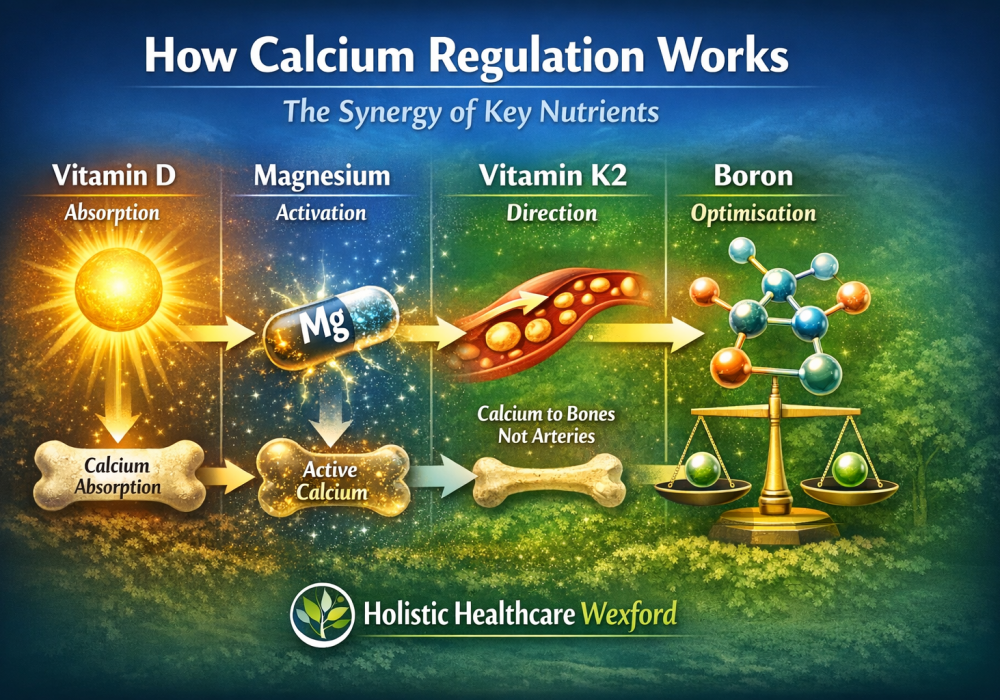
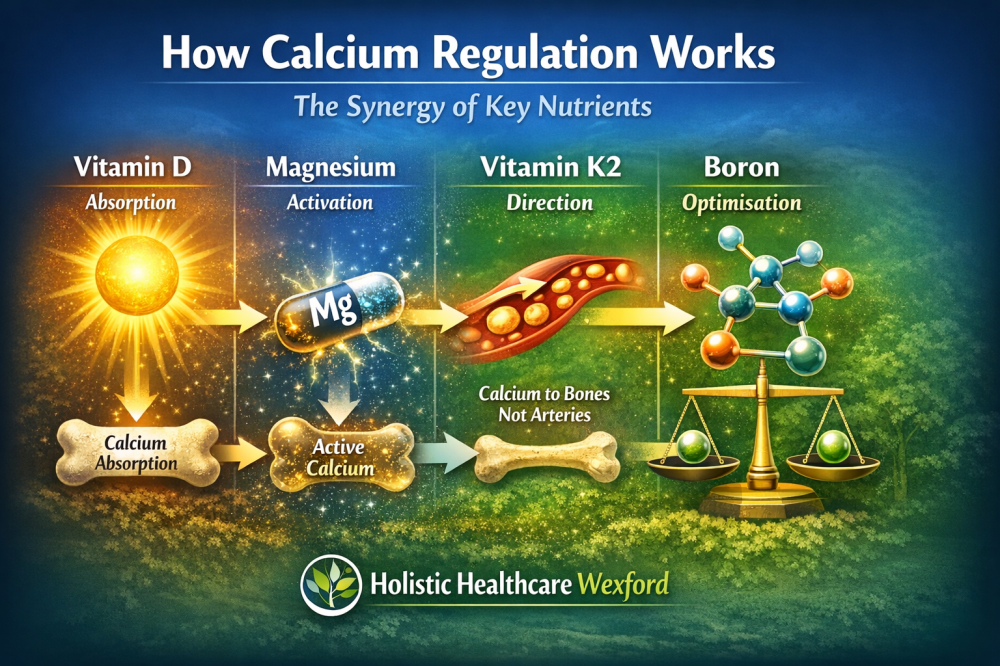
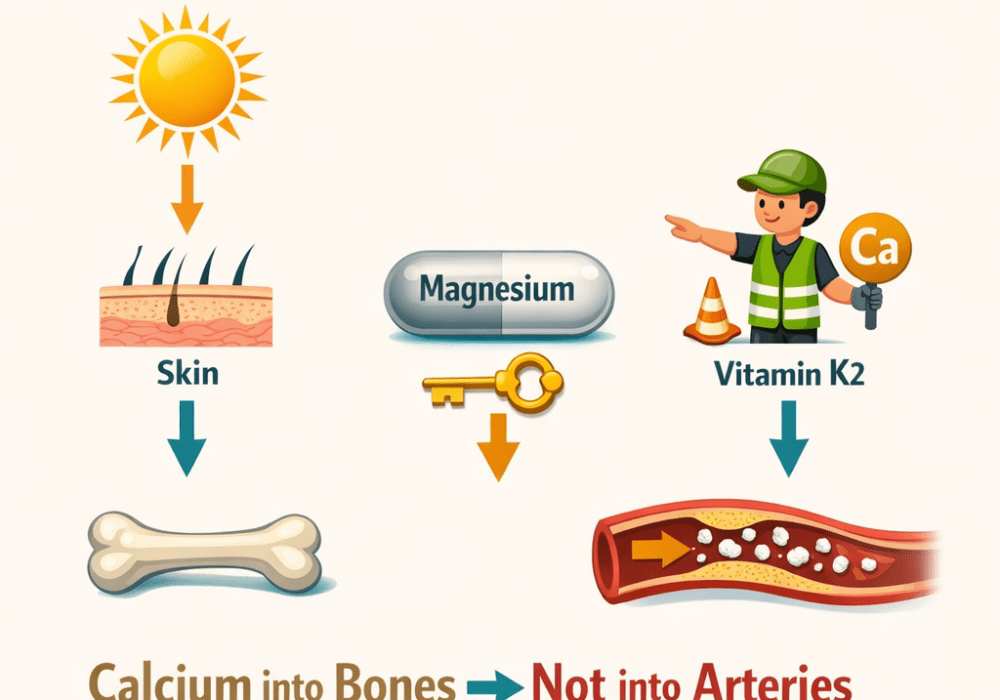
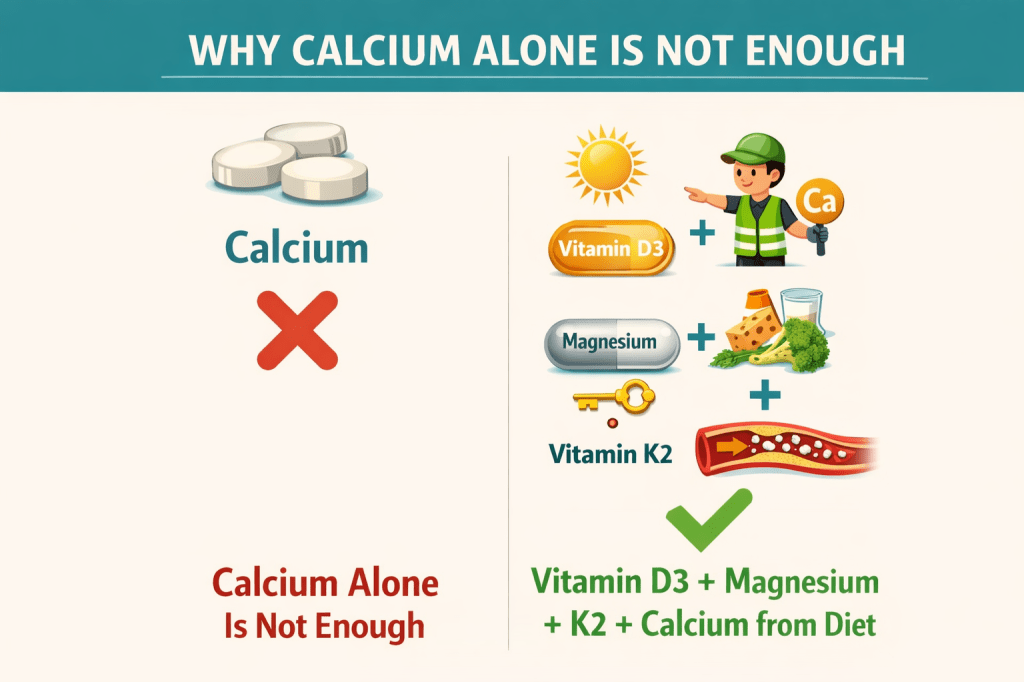
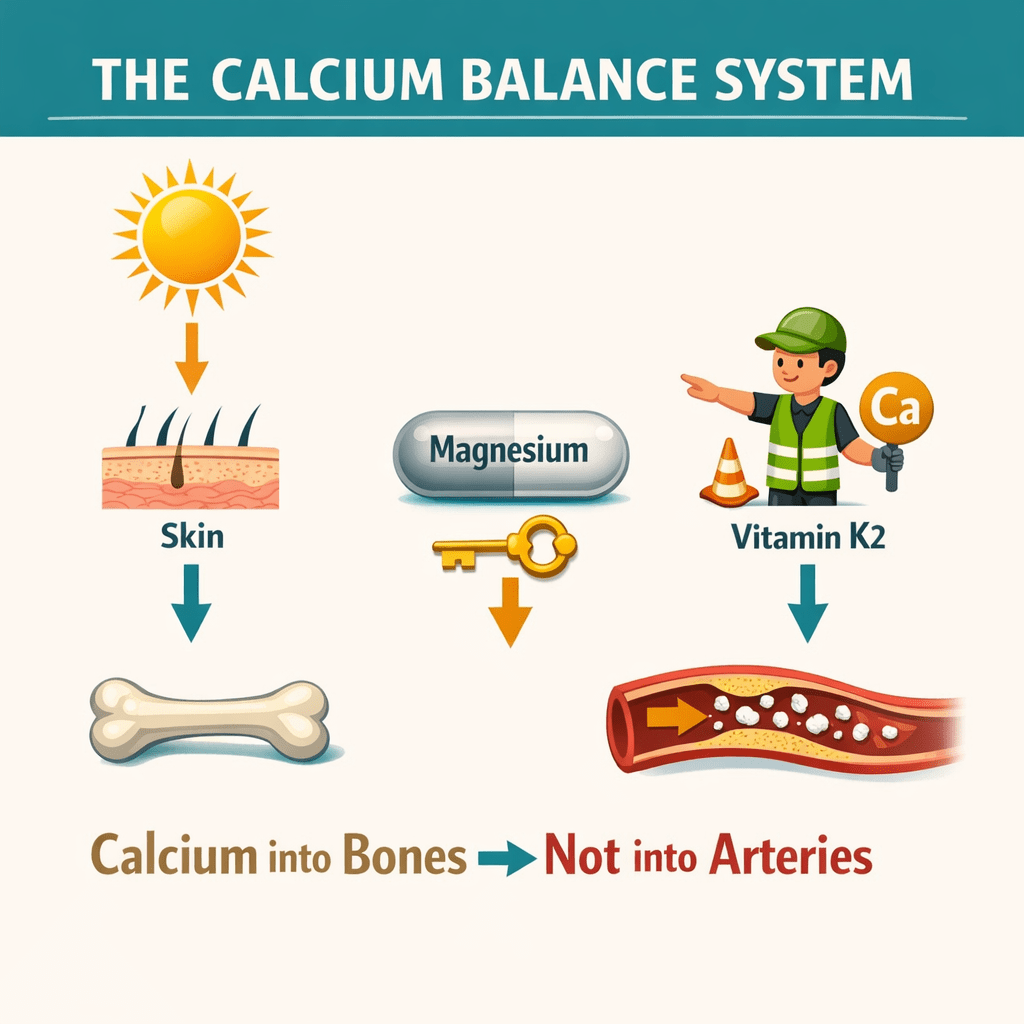














 Holistic Healthcare Wexford