By Dr Catherine W Dunne MSc. D., RGN, Reiki Master (RGMT), M.H.I.T: Master Acupressure, Practitioner of Reflexology, Aromatherapy, Deep Tissue/Myo-fascia Massages, Infrared Treatments, Vibrational Sound and Colour Therapist, Tissue Salt Advisor, Pendulum Healing Dowser, Chakra Practitioner , Tao Cosmic Healing Practitioner, Practitioner of Plant and Herb Medicine and Nurse.
In today’s article, I wish to help merge some of the “alternative” healing concepts. Many know yoga, prana, chakras, meridians, reiki …. But for many, especially those who learnt these modalities online and during the lockdown phase, cannot connect the dots.
I have a hunger for knowledge on chakras since my early teens. While some could see auras, I could see chakras. This changed in 2014, when I was hospitalised … and the lady in bed next to me, was gravely ill, I decided to “temporarily” close my abilities. When I was home, I’d just flick that switch. Right? Wrong! But that is a whole other story I may one day blog about.
So, over the years I learnt various other modalities, in the hope, one day I will reverse that “flicked switch”; from Reiki (I kinda grew up with – family), to Faith Healing, to Acupressure and Meridians, to Cosmic Healing, to Pendulum Healing, so many more modalities and still learning. But no matter what I study, I always try to find that connection with the Chakras – my passion. With studying and maturity, one starts to “connect the dots” (well hopefully that is the case for us all).
In the world of Chakra, which I know most of you are familiar with now, imagine we place the 7 main chakras of the human into three conscious categories: Upper, Middle and Lower or the Three Tan Tiens.
ROOT ORGANS: Reproductive Systems (male and female) SACRAL ORGANS: Bladder, Large Intestine, Bottom part of Kidneys SP ORGANS: Kidneys upper, Adrenal Glands, Small and Large Intestine, Spleen, Pancreas, Liver, Gallbladder and Stomach HEART ORGANS: Heart, Lungs and Thymus Gland THROAT ORGANS: Thyroid, Vocal Cords, Trachea and Oesophagus, Mouth, Ears and Lower Sinuses 3rd Eye ORGANS: Eyes, upper Sinuses. CROWN ORGANS: Our physical Brains, Left, Right, Central, Frontal Lobes
Our organs communicate with each other and with our Energy Centers or Chakras and higher. The arrows represent Meridians. Two Meridians I have not shown here, are the Governing and Conception or Functional Meridians.
WHAT ARE MERIDIANS? Meridians are invisible pathways that connect various organs and systems within the body. According to TCM, there are 12 primary meridians, each associated with a specific organ and its corresponding functions.
TAN TIEN CONSCIOUSNESS There is a long-standing Taoist practice of cultivating and training consciousness in the Three Tan Tiens, especially the Lower Tan Tien. The consciousness of each Tan Tien is named after its unique focus: The Upper Tan Tien corresponds to the upper or observing mind. The Middle Tan Tien corresponds to the conscious mind of the heart. The Lower Tan Tien corresponds to the feeling and awareness mind. The concept of having multiple brains in the body may seem incredible or farfetched to some. However, my own experience while participating in scientific research as well as information revealed through recent scientific studies combine to make this aspect of Cosmic Healing plausible, accessible, and practical (Grandmaster Mantak Chia).
TAN TIEN ENERGY Energy in the body can be generated, stored, and transformed by the brain, the sexual organs, and other body organs. However, each of these energy processors is limited in function in some way. The brain, for example, can access and generate energy, but storing energy in the brain is not easy. In the Taoist system, we learn to train the brain to increase its ability and capacity to store energy. The brain energy, when increased to a certain level, can enable more synapses to grow in the central nervous system and can help turn protein into brain and nerve cells. The organs of the body have a greater capacity than the brain for storing and transforming energy, but their ability to generate energy is limited. The sexual organs, on the other hand, can generate a significant amount of sexual energy (life force). However, the sexual organs cannot store the energy efficiently. When they generate too much energy, considerable amounts have to be discarded. It is like preparing food for one hundred people when only one person is eating. And this “creative” food is the best energy a human has. As reservoirs of energy in the body, the Tan Tiens bring balance to the body’s energy cycle. There are three: the Upper Tan Tien, the Middle Tan Tien, and the Lower Tan Tien. Each Tan Tien is a place where we can store, transform, and collect energy. The Three Tan Tiens feed energy to the meridians, the rivers of energy that flow through the body. The Middle Tan Tien, also known as the Heart Center Tan Tien, is located between the two nipples. It is associated with the fire element. Yet within fire there is always water. The original spirit (Shen) is stored here. The Lower Tan Tien is in the lower abdomen, at the navel. It is like an empty universe or ocean, and we want to feel a universe of energy here. Within this universe or ocean, there is fire under water, like a volcano under the ocean. The aim of Taoist basic training is to integrate the brain, the sexual organs, the other organs of the body, and the Three Tan Tiens into one system. If the brain generates too much energy, it can store the energy in the organs. If the sexual organs generate excess sexual energy, it can be stored in the organs and the Three Tan Tiens. Without this integration, we waste energy at an alarming rate. Energy is like money. If you make a million dollars a year and spend a million dollars a year, you have nothing left to use in the future. This is the way we live and use energy in our society. We are spending more energy than we are saving, and we are living on borrowed energy, paying very high interest. Our credit will run out very soon. Some healing practices deal only with the spirit and ignore the body and sexual energy. These practices can generate a lot of energy, but if the practitioner is not connected to the organs, that energy cannot be stored anywhere and is lost. Some people practice meditation by sitting quietly, emptying the mind, and relaxing the whole body. However, very little energy is actually generated in this type of practice. Some who get deep into this type of practice find it hard to come back to society, because they have no energy and their mind power does not work well. These people have to depend on others to support them.
THREE MINDS INTO ONE: YI POWER 1. Smile into your heart. Make it feel soft. Make it feel love, joy, happiness, and compassion. Feel the heart energy spiral, 2. Spiral the energy in the upper mind. Lower your upper mind down to the Lower Tan Tien in your navel area. 3. Turn the consciousness in your heart, activated by your love and softness, down to the Lower Tan Tien. 4. With the feeling and awareness mind, spiral together the energy of the three minds, blending them together as one in the Lower Tan Tien.
As you can see, everything is connected. Everything modality has a commonality. All four corners of this planet Earth, learnt the same things at the same time, but interpreted it differently.
Once Humanity understands we are all One and the same, with tons of abilities within us waiting to be tapped in to, then, and only then will this world become a better place. I am ready for divine, positive changes to come in. Are you?
We are the World. Give in your heart and you will see that someone cares ‘Cause you know that they can feed them all Then I read the paper and it said that you’ve been denied And it shows the second we will call
We are the world We are the children We are the ones who make a brighter day So let’s start giving There’s a chance we’re taking We’re taking our own lives It’s true we’ll make a brighter day Just you and me
Now there’s a time when we must love them all And it seems that life, it don’t make love at all But if you’d been there, and I’ll love you more and more It seems in life, I didn’t do that … Michael Jackson
I hope you feel inspired. Look after your body, and it will keep you healthy.
By Dr Catherine W Dunne MSc. D., RGN, Reiki Master (RGMT), M.H.I.T: Master Acupressure, Practitioner of Reflexology, Aromatherapy, Deep Tissue/Myo-fascia Massages, Infrared Treatments, Vibrational Sound and Colour Therapist, Tissue Salt Advisor, Pendulum Healing Dowser, Chakra Practitioner , Tao Cosmic Healing Practitioner, Practitioner of Plant and Herb Medicine and Nurse.
We all have heard of the saying: “You are what you eat!” But what about what we wear?
An organ is defined loosely as any part of an animal (human included) or plant that is adapted for a particular function for example respiration, digestion or excretion. Skin is the largest organ in a human body. It comprises two distinct layers, the epidermis and the dermis. The skin of a 180 cm (5 ft 11 in) adult male weighing around 70kg (154 lb) covers an area of 1.5–2 sq m (16.1–21.5 sq ft) and weighs about 3.8 kg (8 lb 5 oz). By comparison, this hypothetical man’s liver – his largest internal organ – would weigh only about 1.5 kg (3 lb 4.8 oz).
Skin’s function: Protects against pathogens; provides insulation; synthesizes vitamin D; regulates temperature; provides sensation. Here are some fun and surprising facts about skin to help you better appreciate this large organ in your body:
Your skin makes up about 15% of your total body weight.
The average adult has nearly 21 square feet (2 sq m) of skin that contains over 11 miles (17.7km or 17702,8m) of blood vessels.
A single square inch (ca. 6,4516 sq cm) of skin has about 300 sweat glands.
The thickest skin is found on your feet and the thinnest area of skin is your eyelids.
Your skin renews itself every 28 days and sheds about 9 pounds (9lbs = approx. 454mg or 0,454kg) of dead skin cells every year.
Some of the dust in your home may actually be dead skin.
Your skin has some nerves that are connected to your muscles to help you react more quickly to extreme temperatures or pain.
Changes in your skin can often be a warning sign of a medical condition or changes in your body’s health.
There are at least five types of receptors in the skin that respond to pain and touch.
Sleep is vital for healthy, vibrant, and youthful skin.
Now, that’s the scientific part of biology covered.
The Vibrational Frequencies of the Human Body.
Did you know that our body is a form of energy, which is made up of vibration and frequency. And sometimes, one “resonates” with another human.
Bruce Tainio, famous researcher and developer of Tainio Technology found that a healthy body resonates at a frequency of 62-72 MHz, (MHz takes 1 ‘hz’ and multiplies it by a million) and when your frequency drops to 58 MHz, that is when disease starts.
In 1992, Bruce Tainio built the first frequency monitor in the world – Calibrated Frequency Monitor (CFM).
Below are some frequencies listed, that may be of interest:
Human Body
Genius Brain Frequency at: 80-97 MHz
Brain Frequency Range at: 72-95 MHz
Normal Brain Frequency at: 72 MHz
Human Body at: 62-100 MHz
Human Body: from Neck up at: 72-78 MHz
Human Body: from Neck down at: 60-68 MHz
Thyroid and Parathyroid glands at: 62-68 MHz
Thymus Gland at: 65-68 MHz
Heart at: 67-70 MHz
Lungs at: 58-65 MHz
Liver at: 55-60 MHz
Pancreas at: 60-80 MHz
Disease
Colds and Flu start at: 50-55 MHz
Disease starts at: 55 MHz
Candida overgrowth starts at: 55 MHz
Receptive to Epstein Barr at: 52 MHz
Receptive to Cancer at: 42 MHz
Death begins at: 25 MHz
Food
(Fresh foods and herbs ca be higher if grown organically and eaten freshly picked
Fresh Foods / Herbs at: 20-27 Hz
Dried Foods /Herbs at: 15-22 Hz
Processed / Canned Food at: 0 Hz
Frequency is defined as a measurable rate of electrical energy that is constant between any two points. When there is frequency, there is electromagnetic potential. We are being influenced by the magnetic action (or attraction) of the frequencies that surround our lives each day and frequencies influence our state of well-being. Everything has an electrical frequency measured in hertz.
Studies show that negative thoughts lower our frequency on average 12 Hz. Positive thoughts raises our Hz on average 10 Hz. Prayer and meditation raises our frequency on average 15 Hz.
Royal Raymond Rife, M.D., developed a “frequency generator” in the early 1920s. With this he found that with certain frequencies he could destroy a cancer cell or a virus. He found that certain frequencies could prevent the development of disease, and others would destroy disease. Substances with higher frequency will destroy diseases of a lower frequency. The study of frequencies raises an important question, concerning the frequencies of substances we eat, breathe and absorb. Many pollutants lower healthy frequency. Processed/canned food has a frequency of zero. Fresh produce has up to 15 Hz, dried herbs from 12 to 22 Hz and fresh herbs from 20 to 27 Hz.
What Rife proved is that every health disorder has a frequency, which in turn responds (resonates) to a specific (optimal) frequency for its dissolving/healing in the body.
Does Colour have frequencies?
First of all, Colour is determined first by frequency and then by how those frequencies are combined when they reach the eye. Colour is the frequency of visible light, and it ranges from 430 trillion Hertz (which is red) to 750 trillion Hertz (which is violet). Waves can also go beyond and below those frequencies, but they’re not visible to the human eye.
Does Fabric have frequencies?
Fabrics have frequencies and they affect the way we feel. But there’s science behind this too: natural fibres have higher frequencies than synthetic ones and therefore are better for us. Natural Fibers like linen, organic cotton, and silk offer high vibrational frequencies that enhance energy, clarity, and health. In contrast, synthetic Fibers like polyester and nylon have low frequencies that can disrupt your natural energy flow. In 2003 a Jewish doctor, Heidi Yellen, did a study on the frequencies of fabrics, in which she showed that a healthy human body has a signature frequency of 100, and wearing a material that measures less than 100 units of energy would compromise our wellbeing. Each fabric gives of a frequency that can be measured in mHz (megaHertZ). Organic cotton has a tested value of 110 mHz, polyester around 10 mHz. A diseased person generally measures 15 mHz. Wool and Linen both have a signature of 5000 mHz! That amazing naturally created feature of the fabrics will also give energy to your body as you wear it. It is important however to not wear linen and wool together, however, as the frequencies in both of the linen and wool fibres run in opposite current directions. If you wear them together, the two frequencies will cancel each other out and bring you to a 0 (Zero).
Here’s a chart with some common clothing fabrics and their corresponding frequencies:
Fabric | Frequency (Hz)
Flax-Linen | 5000 Hz
Animal Wool | 500 Hz
Cotton | 80-100 Hz
Silk | 100-230 Hz
Flax-Hemp | 230 Hz
Rayon | 40-50 Hz
Polyester | 30-40 Hz
Nylon | 25-35 Hz
The concept of clothing fabric frequency is based on the idea that different materials have unique vibrational energies that can affect our physical and emotional wellbeing. Here’s a more detailed explanation:
Frequency ranges: The frequencies listed in the chart are generally categorized into three ranges:
Low frequency (30-60 Hz): Synthetic fabrics are believed to have a low frequency, which can lead to feelings of fatigue, lethargy, and stagnation.
Medium frequency (70-500 Hz): Natural fabrics can promote balance, stability, and comfort.
High frequency (550-5000+ Hz): Fabrics are believed to have a high frequency, which can enhance energy, vitality, and spiritual connection.
Impact on human energy: Wearing clothing made from low-frequency fabrics can allegedly drain our energy, while high-frequency fabrics can boost our vitality and promote a sense of well-being.
Scientific basis: While there is some anecdotal evidence to support the concept of clothing fabric frequency, there is limited scientific research to confirm its validity. Some studies suggest that the human body responds to the electromagnetic properties of fabrics, which may influence our energy levels and emotional state.
Keep in mind that the scientific evidence supporting clothing fabric frequency is limited, and more research is needed to fully understand its effects on human health and wellbeing. Please note that these frequencies are approximate and based on various sources, including Dr. Heidi Yellen’s study. The actual frequencies may vary depending on the specific fabric type, weave, fabric colour and synthetic or organic manufactured colour and manufacturing process.
Summary: Impact on Health
Synthetic garments are often less breathable and can retain heat and moisture, which can lead to skin irritations and other skin problems. What’s more, the low frequency of synthetic fibers can contribute to feelings of fatigue, stress and even general malaise. Some wellness experts recommend avoiding synthetic clothing whenever possible, especially when worn directly against the skin.
Making Conscious Choices for Well-Being
It’s clear that the clothes we wear are not just choices of style or comfort, but can also have a significant impact on our health and well-being due to their vibrational frequencies. Natural fibers such as cotton, linen, hemp and wool offer vibrational frequencies that are harmonious with our bodies, promoting a state of well-being, vitality and comfort. Conversely, synthetic garments, with their low frequencies, can have disruptive effects on our energy and health.
Making conscious choices when it comes to clothing, with a preference for natural fibers, can be a simple yet powerful way of supporting our health and well-being on a daily basis. By understanding the vibrational frequencies of different materials, we can choose clothes that not only fit well, but also resonate positively with our inner energy.
Conclusion:
At the start I mentioned that our Skin is our largest organ and its function is to: Protects against pathogens; provides insulation; synthesizes vitamin D; regulates temperature; provides sensation. Now that we have a greater understanding of our SKIN, the human’s healthy vibrational frequency, we need to exercise greater awareness on what we allow to be next to our skin and for how long.
Stay well in 2025.
I hope you feel inspired. Look after your body, and it will keep you healthy.
By Dr Catherine W Dunne MSc. D., RGN, Reiki Master (RGMT), M.H.I.T: Master Acupressure, Practitioner of Reflexology, Aromatherapy, Deep Tissue/Myo-fascia Massages, Infrared Treatments, Vibrational Sound and Colour Therapist, Tissue Salt Advisor, Pendulum Healing Dowser, Chakra Practitioner , Tao Cosmic Healing Practitioner, Practitioner of Plant and Herb Medicine and Nurse.
Vitamin D – the right intake
Taking vitamin D is an excellent preventive but also therapeutic measure. Regardless of whether it is an increased susceptibility to infections, autoimmune diseases, degenerative complaints or problems such as diabetes, high blood pressure, depression and dementia, a vitamin D deficiency is usually the cause of the action. We explain how you can determine a vitamin D deficiency in the home test, how much vitamin D you need and how you can properly combine vitamin D with calcium, magnesium and vitamin K.
Vitamin D – How to take it correctly?
Vitamin D is particularly known for its bone-strengthening effect. It promotes calcium absorption from the intestine, is involved in calcium incorporation into the bones, inhibits bone loss and also strengthens the immune system.
At the same time, there is hardly a disease that does not develop Vitamin D deficiency would be involved. For example, the vitamin is considered a substance with an anti-inflammatory effect, which alone is reason enough for its positive influence in most chronic complaints – because they all go hand in hand with chronically inflammatory processes.
It is therefore important to pay attention to a healthy vitamin D level. How do you do that? Does the vitamin have to be taken as a dietary supplement? And if so, what is the right income? How to calculate the personally required dose and how to combine the vitamin with calcium, magnesium and Vitamin K?
A deficiency is common
Vitamin D is not a real vitamin. Because real vitamins must be ingested with food. With vitamin D, on the other hand, the body can also supply itself solely through the sun’s rays, since the vitamin is formed in the skin under the influence of UVB radiation.
However, in Central Europe this only works in summer (from around April to September) – and only if you are lightly dressed and do not constantly apply sunscreens with a high sun protection factor. The latter can reduce vitamin D formation in the skin. In Northern Europe you will need to supplement all year round,
The rest of the year, the sun is too low to send enough UVB radiation to Earth. In Central Europe you can only get along well with the help of the sun Vitamin D if you are really in the open air in the warm season to fill up your memories so comprehensively that you can get over the winter well.
However, many people do not succeed in what the modern lifestyle with an hourly stay in closed rooms is not entirely innocent. Therefore, large sections of the population suffer from vitamin D deficiency and should take the vitamin especially in winter.
Vitamin D is a fat-soluble vitamin
The bone vitamin belongs together with vitamin A, Vitamin E. and Vitamin K to the fat-soluble vitamins. That means two things:
There is always something for the absorption of vitamin D from the intestine fat required (see below under “Correct intake: Always with a little fat”).
The vitamin can be stored in the body (in adipose tissue and in the liver), which is almost never the case with water-soluble vitamins (B, C).
The advantage is that you don’t have to take vitamin D – once the stores are filled – every day. The organism can draw from a filled store for weeks or even months.
The disadvantage is that fat-soluble vitamins can also be overdosed, which you have to pay attention to when taking them. Because while excess water-soluble vitamins are usually simply discharged through the urine, this is not the case with fat-soluble vitamins. Cases of vitamin A overdoses are therefore known from time to time, for example from regions where fish liver is often eaten. This contains a lot of Vitamin A.
What dose leads to overdose?
As far as vitamin D is concerned, there is usually only the risk of an overdose if very high doses in the form of nutritional supplements are taken over a longer period of time.
50 µg or 2,000 IU per day are the recommended maximum dose in Europe and North America. However, clinical studies show that long-term intake of 10,000 IU daily does not pose any risks. An overdose could occur at 50,000 IU per day and at serum values of more than 150 ng / ml. Wa can then form hypercalcemia (too much calcium in the blood) – such an evaluation by Indian researchers from May 2011 in Oman Medical Journal.
Ideally, the blood values of vitamin D should be below 100 ng / ml, since primitive people rarely reach higher values, even though they are not dressed in the sun every day. The toxic range clearly begins at 300 ng / ml.
Overdose: from 50,000 IU per day for several months
Various case reports have also become known from 2011, in which an overdose of vitamin D led to complaints.
In a 70-year-old woman who took 50,000 IU daily, the typical symptoms of hypercalcemia occurred after 3 months of taking it: tiredness, walking difficulties and confusion. After stopping vitamin D, however, it recovered completely over the course of five months. It should be noted here that she also consumed over 3 g of calcium daily.
Another case describes a man in whom accidentally taking 2,000,000 IU of vitamin D a day after 2 months led to confusion, exhaustion, excessive thirst and frequent urination.
And in a third case, after taking 50,000 IU of vitamin D daily for six months, a man also observed the typical symptoms of hypercalcemia:
Excessive thirst and frequent urination
Stomach discomfort, Nausea, vomiting and constipation
Bone pain, muscle weakness
Confusion, lethargy and exhaustion
Overdose from food or sun?
Since vitamin D hardly occurs in food, you can hardly eat an overdose (unless you eat a lot of fish liver).
It is also hardly possible to get an overdose from the sun’s rays. Apparently, the body has protective measures that stop vitamin D formation via the skin as soon as a sufficiently high serum value is reached.
On a sunny summer day, the body rarely absorbs more than 10,000 IU of vitamin D in –, and only if you spent the whole day almost undressed (bath pants / bikini) in the sun.
Only in extreme sunlight (for years in hot regions all day on the beach) could there be unfavorable consequences of an overdose of vitamin D, but only here if there is a vitamin K2 deficiency and possibly too well-intentioned calcium supply at the same time.
So it is rather the over-dosed intake of the vitamin in the form of a dietary supplement that could lead to problems.
Make vitamin D preparation from mushrooms and sun yourself
We have described here how you can produce a natural source of vitamins from mushrooms: Pure vegetable vitamin source: mushrooms
Of course, this method cannot be used specifically to achieve a certain value in the blood or to remedy a deficiency, since one does not know the actual vitamin D content of the fungi, but one can prepare them accordingly Edible mushrooms Install regularly in the diet, so that in the long term you only have to take low-dose supplements or at some point no more.
The right intake
Below we describe all the factors you need to know for a correct intake of vitamin D. First, it is about which four vital substances the vitamin needs to work properly, then how you measure your vitamin D level and finally we present two methods with which you can find out or calculate the dose that suits you can.
1. Take vitamin K2
When taking vitamin D, it is always recommended to pay attention to a healthy vitamin K2 supply at the same time. Vitamin K2 is the vitamin that fulfills two major tasks in the body:
Vitamin K is involved in regulating blood clotting so that no one has to bleed to the smallest wound.
Vitamin K conducts excess calcium in the blood into the bones, thus ensuring that the calcium is not deposited on the blood vessel walls or in the form of kidney stones.
Since vitamin D promotes the absorption of calcium, the amount of calcium absorbed also increases when the vitamin is taken. If vitamin K2 is now missing, the problems mentioned above can arise, i.e. a misdistribution of calcium in the body.
A 2015 study showed in kidney patients that the combined administration of vitamin D and vitamin K reduced the progression of arteriosclerosis (compared to the group that only received sun vitamin).
It is not entirely clear how much vitamin K2 you should take. The recommended doses for vitamin D supplementation vary considerably among experts. Information can be found there, such as B.
Taking 100 µg vitamin K2 per 5,000 IU vitamin D
Ingestion of 100 µg vitamin K2 per 10,000 IU
Ingestion of 100 µg vitamin K2 per 1,000 IU
There is also a recommendation depending on body weight: 2 – 3 µg vitamin K2 per kilogram of body weight.
We recommend taking vitamin K2 the following
Ingestion of 100 µg vitamin K2 at up to 2,500 IU vitamin D per day
Ingestion of 200 µg vitamin K2 in vitamin D doses above 2,500 IU per day
However, also note the vitamin K2 content of your food. If you adapt your diet accordingly and now take in enough vitamin K2 from your diet, you may only have to take vitamin K2 in the first weeks of your vitamin D intake until the stores are replenished and your diet then provides the required vitamin.
Vitamin K2 is available in various forms, we recommend taking Menachinon-7, which is also abbreviated as MK-7. It is vegan and is considered the best resorbable and usable vitamin K2 form.
If you are on a blood thinner or taking other medications that are not so well compatible with vitamin K, the correct intake of vitamin K must be discussed with the doctor as a precaution.
2nd Vitamin A increases the effect
In the presence of vitamin A, vitamin D works better, and the vitamin D level rises higher if vitamin A is taken at the same time – at least one study from August 2020. Read information about this in our article Vitamin D needs vitamin A.. The correct intake of vitamin D therefore also includes vitamin A (about 1 mg per day).
Vitamin A can be ingested via beta-carotene, which is contained in many types of vegetables, because the organism can produce vitamin A from beta-carotene. To do this, however, you should eat vegetables rich in beta-carotene every day, because to produce 1 mg of vitamin A, the organism needs at least 6 times the amount of beta-carotene, i.e. 6 mg. The following vegetables are among the best sources of beta carotene (quantities always per 100 g):
Carrots raw 9.8 mg beta-carotene (1.6 mg vitamin A)
Spinach raw 4.7 mg beta-carotene (0.8 mg vitamin A)
Kale raw 5.1 mg beta-carotene (0.8 mg vitamin A)
Corn salad raw 3.9 mg beta-carotene (0.65 mg vitamin A)
red peppers raw 2.1 mg beta-carotene (0.35 mg vitamin A)
When cooking, the content does not change noticeably because beta-carotene is not sensitive to heat; bioavailability could even increase due to cooking – see details here: Loss of nutrients when cooking where we explain what you need to look out for when preparing in order to benefit as much as possible from the beta-carotene it contains.
In the study mentioned, the vitamin A level of the participants was originally even normal. Nevertheless, taking vitamin A (together with taking vitamin D) resulted in a higher vitamin D level and also an improved effect of the vitamin.
In particular in the case of acute diseases and at the same time there is a D deficiency or even if the value should not increase satisfactorily despite all efforts, the additional intake of vitamin A or Beta Carotin can be a good help.
3rd Magnesium activates vitamin D.
Since magnesium is required in the body to activate vitamin D and is also consumed in this process, the correct intake of vitamin D also requires an optimized magnesium supply.
The daily requirement for magnesium is about 400 mg for an adult. If you take up this amount of magnesium daily through your diet, you should be well looked after with a vitamin D supplementation of up to 5,000 IU.
However, if you take more vitamin D, you should also take magnesium with this higher dose, between 200 – 300 mg – depending on the magnesium content of the diet. Read details here: Low magnesium levels make Vitamin D ineffective.
Magnesium is the fourth most abundant mineral in the human body after calcium, potassium, and sodium. Foods high in magnesium include almonds, bananas, beans, broccoli, brown rice, cashews, egg yolk, fish oil, flaxseed, green vegetables, milk, mushrooms, other nuts, oatmeal, pumpkin seeds, sesame seeds, soybeans, sunflower seeds, sweet corn, tofu, and whole grains.
4th Vitamin D and calcium are only advisable in certain situations
Vitamin D is considered to be THE bone vitamin par excellence, and it is often believed that the correct intake includes calcium in any case. But this only seems to make sense in certain cases:
if e.g. B. the risk of osteoporosis should be reduced in the menopause
if osteoporosis is already present and the risk of bone fracture is to be reduced
when a low-calcium diet is practiced that delivers significantly less than the 1,000 mg calcium recommended daily
However, if you consume sufficient calcium, you should not take any additional calcium when taking vitamin D (especially at very high doses). This could increase the risk of hypercalcemia.
Correct intake: Measure vitamin D levels in advance!
Proper intake of vitamin D can only take place if you know your actual value and can then calculate the dose that suits you individually or get it said by your doctor.
So get your vitamin D level established first. Otherwise, you may take too little and therefore have no effect. Or you take much more than necessary, which in turn would put unnecessary strain on your body.
Your family doctor (GP), or alternative practitioner can take care of the measurement. You can also do a vitamin D home test yourself at home. For safety’s sake, you should also discuss the result with a doctor or Integrated Medical Practitioner/CAM Practitioner.
Your qualified Integrated Medical Practitioner/CAM Practitioner can also perform a simple test. But do ask your GP/Family Doctor if he/she can request the laboratory test.
However, the blood drawn itself can have influences on the blood that falsify the result. It is therefore safer to have the test done by the doctor or alternative practitioner.
Correct intake: what dose?
The goal should be a blood value of at least 30 ng / ml, better about 40 to 50 ng / ml vitamin D3 (25 (OH) vitamin D3). The dose that suits you is now calculated from your current value and your desired value –, taking into account the body weight.
In the event of a massive deficiency, the procedure described in the article linked above could not lead to a healthy vitamin D level quickly enough. Therefore we provide you with the method according to Dr. med. Raimund von Helden, author of the recommended booklet Healthy in seven days – Success with vitamin D therapy.
Dr. von Helden divides the intake of vitamin D into two therapeutic parts: into the initial therapy and the permanent or Maintenance therapy.
After a deficiency, the initial therapy serves to fill up the vitamin D stores, which should happen as quickly as possible so that the mostly existing deficiency symptoms can be remedied as quickly as possible. It is a single dose. The dose of continuous therapy is then switched over.
The continuous therapy provides the amount of vitamin D that is required to compensate for the daily losses and to maintain a healthy vitamin D level in the long term.
Calculation of the dose for the initial therapy
In order to raise the vitamin D level by 1 ng / ml, 10,000 IU are required with a body weight of 70 kilograms. If the body weight is different, recalculate the value proportionally. 7,000 IU per kilogram of body weight should not be exceeded.
For example, if you weigh 70 kg, have an instantaneous value of 15 ng / ml and want to reach a value of 35 ng / ml, then choose a single dose of 200,000 IU as the initial therapy. Weigh only 60 kg, then take about 170,000 IU.
The starting dose is very high. We recommend that you discuss this type of intake with the doctor or alternative practitioner in advance.
Calculation of the dose for continuous therapy
With an assumed body weight of 70 kilograms in turn, 3,333 IU of vitamin D per day or 23,000 IU required per week. Here, too, the dose is calculated proportionally with a different body weight. For the average person in Ireland we can say 5000IU vitamin D per day
If you are in the sun a lot in summer, you can pause with vitamin D during this time. But probably no alarmingly high value would develop if you continued to take it despite sunbathing.
Correct intake: Always with a little fat
If you have vitamin D preparations that are available as powder in capsules if taken with black coffee, water or juice, this leads to absorption of the vitamin, but to a rather low absorption. As a fat-soluble vitamin, vitamin D should always be taken with a little fat. Like a glass of milk or Cholesterol lowering milk drinks or joghurt.
Too much fat is not a good idea either. So if you take the vitamin preparation with a thick lard bread or fatty cheese, you cannot take the ideal dose of it either. Because excessive amounts of fat seem to inhibit absorption.
A 2013 study found that taking vitamin D with 11 grams of fat resulted in absorption 16 percent higher than taking with 35 grams of fat and 20 percent higher absorption than taking with 0 grams of fat.
It doesn’t matter whether you get fat out polyunsaturated fatty acids (Hemp oil, Linseed oil, Sunflower oil), one made from monounsaturated fatty acids (olive oil, Avocados, Almonds) or one made of saturated (coconut oil).
Correct intake: Topical via the skin
If you cannot tolerate vitamin D preparations or whose vitamin D level simply does not want to rise despite the correct intake of vitamin D preparations, the vitamin can also be applied to the skin, since it can also be absorbed through the skin.
To do this, choose a liquid preparation without unfavourable additives, e.g. Vitamin D3 drops, which only come from vitamin D3 and MCT fats (medium-chain fats from e.g. Coconut oil) exist. Apply to the forearm, where the skin is particularly receptive
Important note
Disclaimer: This article was based on (at the time of publication) current studies written and checked by doctors, but may not be used for self-diagnosis or self-treatment, replaced so not to visit your doctor. So, discuss each one Measure (whether from this or another of our articles) always first with your doctor.
Vitamin D – the right intake
Taking vitamin D is an excellent preventive but also therapeutic measure. Regardless of whether it is an increased susceptibility to infections, autoimmune diseases, degenerative complaints or problems such as diabetes, high blood pressure, depression and dementia, a vitamin D deficiency is usually the cause of the action. We explain how you can determine a vitamin D deficiency in the home test, how much vitamin D you need and how you can properly combine vitamin D with calcium, magnesium and vitamin K.
Vitamin D – How to take it correctly?
Vitamin D is particularly known for its bone-strengthening effect. It promotes calcium absorption from the intestine, is involved in calcium incorporation into the bones, inhibits bone loss and also strengthens the immune system.
At the same time, there is hardly a disease that does not develop Vitamin D deficiency would be involved. For example, the vitamin is considered a substance with an anti-inflammatory effect, which alone is reason enough for its positive influence in most chronic complaints – because they all go hand in hand with chronically inflammatory processes.
It is therefore important to pay attention to a healthy vitamin D level. How do you do that? Does the vitamin have to be taken as a dietary supplement? And if so, what is the right income? How to calculate the personally required dose and how to combine the vitamin with calcium, magnesium and Vitamin K?
(If you are for the Vitamin D blood values If you are interested in what value indicates a deficiency and which is just correct, read the link above (under Vitamin D).)
A deficiency is common
Vitamin D is not a real vitamin. Because real vitamins must be ingested with food. With vitamin D, on the other hand, the body can also supply itself solely through the sun’s rays, since the vitamin is formed in the skin under the influence of UVB radiation.
However, in Central Europe this only works in summer (from around April to September) – and only if you are lightly dressed and do not constantly apply sunscreens with a high sun protection factor. The latter can reduce vitamin D formation in the skin.
The rest of the year, the sun is too low to send enough UVB radiation to Earth. In Central Europe you can only get along well with the help of the sun Vitamin D if you are really in the open air in the warm season to fill up your memories so comprehensively that you can get over the winter well.
However, many people do not succeed in what the modern lifestyle with an hourly stay in closed rooms is not entirely innocent. Therefore, large sections of the population suffer from vitamin D deficiency and should take the vitamin especially in winter.
Vitamin D is a fat-soluble vitamin
The bone vitamin belongs together with vitamin A, Vitamin E. and Vitamin K to the fat-soluble vitamins. That means two things:
There is always something for the absorption of vitamin D from the intestine fat required (see below under “Correct intake: Always with a little fat”).
The vitamin can be stored in the body (in adipose tissue and in the liver), which is almost never the case with water-soluble vitamins (B, C).
The advantage is that you don’t have to take vitamin D – once the stores are filled – every day. The organism can draw from a filled store for weeks or even months.
The disadvantage is that fat-soluble vitamins can also be overdosed, which you have to pay attention to when taking them. Because while excess water-soluble vitamins are usually simply discharged through the urine, this is not the case with fat-soluble vitamins. Cases of vitamin A overdoses are therefore known from time to time, for example from regions where fish liver is often eaten. This contains a lot Vitamin A.
What dose leads to overdose?
As far as vitamin D is concerned, there is usually only the risk of an overdose if very high doses in the form of nutritional supplements are taken over a longer period of time.
50 µg or 2,000 IU per day are the recommended maximum dose in Europe and North America. However, clinical studies show that long-term intake of 10,000 IU daily does not pose any risks. An overdose could occur at 50,000 IU per day and at serum values of more than 150 ng / ml. Wa can then form hypercalcemia (too much calcium in the blood) – such an evaluation by Indian researchers from May 2011 in Oman Medical Journal.
Ideally, the blood values of vitamin D should be below 100 ng / ml, since primitive people rarely reach higher values, even though they are not dressed in the sun every day. The toxic range clearly begins at 300 ng / ml.
Overdose: from 50,000 IU per day for several months
Various case reports have also become known from 2011, in which an overdose of vitamin D led to complaints.
In a 70-year-old woman who took 50,000 IU daily, the typical symptoms of hypercalcemia occurred after 3 months of taking it: tiredness, walking difficulties and confusion. After stopping vitamin D, however, it recovered completely over the course of five months. It should be noted here that she also consumed over 3 g of calcium daily.
Another case describes a man in whom accidentally taking 2,000,000 IU of vitamin D a day after 2 months led to confusion, exhaustion, excessive thirst and frequent urination.
And in a third case, after taking 50,000 IU of vitamin D daily for six months, a man also observed the typical symptoms of hypercalcemia:
Excessive thirst and frequent urination
Stomach discomfort, Nausea, vomiting and constipation
Bone pain, muscle weakness
Confusion, lethargy and exhaustion
Overdose from food or sun?
Since vitamin D hardly occurs in food, you can hardly eat an overdose (unless you eat a lot of fish liver).
It is also hardly possible to get an overdose from the sun’s rays. Apparently, the body has protective measures that stop vitamin D formation via the skin as soon as a sufficiently high serum value is reached.
On a sunny summer day, the body rarely absorbs more than 10,000 IU of vitamin D in –, and only if you spent the whole day almost undressed (bath pants / bikini) in the sun.
Only in extreme sunlight (for years in hot regions all day on the beach) could there be unfavorable consequences of an overdose of vitamin D, but only here if there is a vitamin K2 deficiency and possibly too well-intentioned calcium supply at the same time.
So it is rather the over-dosed intake of the vitamin in the form of a dietary supplement that could lead to problems.
Make vitamin D preparation from mushrooms and sun yourself
We have described here how you can produce a natural source of vitamins from mushrooms: Pure vegetable vitamin source: mushrooms
Of course, this method cannot be used specifically to achieve a certain value in the blood or to remedy a deficiency, since one does not know the actual vitamin D content of the fungi, but one can prepare them accordingly Edible mushrooms Install regularly in the diet, so that in the long term you only have to take low-dose supplements or at some point no more.
The right intake
Below we describe all the factors you need to know for a correct intake of vitamin D. First, it is about which four vital substances the vitamin needs to work properly, then how you measure your vitamin D level and finally we present two methods with which you can find out or calculate the dose that suits you can.
1. Take vitamin K2
When taking vitamin D, it is always recommended to pay attention to a healthy vitamin K2 supply at the same time. Vitamin K2 is the vitamin that fulfills two major tasks in the body:
Vitamin K is involved in regulating blood clotting so that no one has to bleed to the smallest wound.
Vitamin K conducts excess calcium in the blood into the bones, thus ensuring that the calcium is not deposited on the blood vessel walls or in the form of kidney stones.
Since vitamin D promotes the absorption of calcium, the amount of calcium absorbed also increases when the vitamin is taken. If vitamin K2 is now missing, the problems mentioned above can arise, i.e. a misdistribution of calcium in the body.
A 2015 study showed in kidney patients that the combined administration of vitamin D and vitamin K reduced the progression of arteriosclerosis (compared to the group that only received sun vitamin).
It is not entirely clear how much vitamin K2 you should take. The recommended doses for vitamin D supplementation vary considerably among experts. Information can be found there, such as B.
Taking 100 µg vitamin K2 per 5,000 IU vitamin D
Ingestion of 100 µg vitamin K2 per 10,000 IU
Ingestion of 100 µg vitamin K2 per 1,000 IU
There is also a recommendation depending on body weight: 2 – 3 µg vitamin K2 per kilogram of body weight.
We recommend taking vitamin K2 the following
Ingestion of 100 µg vitamin K2 at up to 2,500 IU vitamin D per day
Ingestion of 200 µg vitamin K2 in vitamin D doses above 2,500 IU per day
However, also note the vitamin K2 content of your food. If you adapt your diet accordingly and now take in enough vitamin K2 from your diet, you may only have to take vitamin K2 in the first weeks of your vitamin D intake until the stores are replenished and your diet then provides the required vitamin.
Vitamin K2 is available in various forms, we recommend taking Menachinon-7, which is also abbreviated as MK-7. It is vegan and is considered the best resorbable and usable vitamin K2 form.
If you are on a blood thinner or taking other medications that are not so well compatible with vitamin K, the correct intake of vitamin K must be discussed with the doctor as a precaution.
2nd Vitamin A increases the effect
In the presence of vitamin A, vitamin D works better, and the vitamin D level rises higher if vitamin A is taken at the same time – at least one study from August 2020. Read information about this in our article Vitamin D needs vitamin A.. The correct intake of vitamin D therefore also includes vitamin A (about 1 mg per day).
Vitamin A can be ingested via beta-carotene, which is contained in many types of vegetables, because the organism can produce vitamin A from beta-carotene. To do this, however, you should eat vegetables rich in beta-carotene every day, because to produce 1 mg of vitamin A, the organism needs at least 6 times the amount of beta-carotene, i.e. 6 mg. The following vegetables are among the best sources of beta carotene (quantities always per 100 g):
Carrots raw 9.8 mg beta-carotene (1.6 mg vitamin A)
Spinach raw 4.7 mg beta-carotene (0.8 mg vitamin A)
Kale raw 5.1 mg beta-carotene (0.8 mg vitamin A)
Corn salad raw 3.9 mg beta-carotene (0.65 mg vitamin A)
red peppers raw 2.1 mg beta-carotene (0.35 mg vitamin A)
When cooking, the content does not change noticeably because beta-carotene is not sensitive to heat; bioavailability could even increase due to cooking – see details here: Loss of nutrients when cooking where we explain what you need to look out for when preparing in order to benefit as much as possible from the beta-carotene it contains.
In the study mentioned, the vitamin A level of the participants was originally even normal. Nevertheless, taking vitamin A (together with taking vitamin D) resulted in a higher vitamin D level and also an improved effect of the vitamin.
In particular in the case of acute diseases and at the same time there is a D deficiency or even if the value should not increase satisfactorily despite all efforts, the additional intake of vitamin A or Beta Carotin can be a good help.
3rd Magnesium activates vitamin D.
Since magnesium is required in the body to activate vitamin D and is also consumed in this process, the correct intake of vitamin D also requires an optimized magnesium supply.
The daily requirement for magnesium is about 400 mg for an adult. If you take up this amount of magnesium daily through your diet, you should be well looked after with a vitamin D supplementation of up to 5,000 IU.
However, if you take more vitamin D, you should also take magnesium with this higher dose, between 200 – 300 mg – depending on the magnesium content of the diet. Read details here: Low magnesium levels make Vitamin D ineffective.
Magnesium is the fourth most abundant mineral in the human body after calcium, potassium, and sodium. Foods high in magnesium include almonds, bananas, beans, broccoli, brown rice, cashews, egg yolk, fish oil, flaxseed, green vegetables, milk, mushrooms, other nuts, oatmeal, pumpkin seeds, sesame seeds, soybeans, sunflower seeds, sweet corn, tofu, and whole grains.
4th Vitamin D and calcium are only advisable in certain situations
Vitamin D is considered to be THE bone vitamin par excellence, and it is often believed that the correct intake includes calcium in any case. But this only seems to make sense in certain cases:
if e.g. B. the risk of osteoporosis should be reduced in the menopause
if osteoporosis is already present and the risk of bone fracture is to be reduced
when a low-calcium diet is practiced that delivers significantly less than the 1,000 mg calcium recommended daily
However, if you consume sufficient calcium, you should not take any additional calcium when taking vitamin D (especially at very high doses). This could increase the risk of hypercalcemia.
Correct intake: Measure vitamin D levels in advance!
Proper intake of vitamin D can only take place if you know your actual value and can then calculate the dose that suits you individually or get it said by your doctor.
So get your vitamin D level established first. Otherwise, you may take too little and therefore have no effect. Or you take much more than necessary, which in turn would put unnecessary strain on your body.
Your family doctor (GP), or alternative practitioner can take care of the measurement. You can also do a vitamin D home test yourself at home. For safety’s sake, you should also discuss the result with a doctor or Integrated Medical Practitioner/CAM Practitioner.
Your qualified Integrated Medical Practitioner/CAM Practitioner can also perform a simple test. But do ask your GP/Family Doctor if he/she can request the laboratory test.
However, the blood drawn itself can have influences on the blood that falsify the result. It is therefore safer to have the test done by the doctor or alternative practitioner.
Correct intake: what dose?
The goal should be a blood value of at least 30 ng / ml, better about 40 to 50 ng / ml vitamin D3 (25 (OH) vitamin D3). The dose that suits you is now calculated from your current value and your desired value –, taking into account the body weight.
In the event of a massive deficiency, the procedure described in the article linked above could not lead to a healthy vitamin D level quickly enough. Therefore we provide you with the method according to Dr. med. Raimund von Helden, author of the recommended booklet Healthy in seven days – Success with vitamin D therapy.
Dr. von Helden divides the intake of vitamin D into two therapeutic parts: into the initial therapy and the permanent or Maintenance therapy.
After a deficiency, the initial therapy serves to fill up the vitamin D stores, which should happen as quickly as possible so that the mostly existing deficiency symptoms can be remedied as quickly as possible. It is a single dose. The dose of continuous therapy is then switched over.
The continuous therapy provides the amount of vitamin D that is required to compensate for the daily losses and to maintain a healthy vitamin D level in the long term.
Calculation of the dose for the initial therapy
In order to raise the vitamin D level by 1 ng / ml, 10,000 IU are required with a body weight of 70 kilograms. If the body weight is different, recalculate the value proportionally. 7,000 IU per kilogram of body weight should not be exceeded.
For example, if you weigh 70 kg, have an instantaneous value of 15 ng / ml and want to reach a value of 35 ng / ml, then choose a single dose of 200,000 IU as the initial therapy. Weigh only 60 kg, then take about 170,000 IU.
The starting dose is very high. We recommend that you discuss this type of intake with the doctor or alternative practitioner in advance.
Calculation of the dose for continuous therapy
With an assumed body weight of 70 kilograms in turn, 3,333 IU of vitamin D per day or 23,000 IU required per week. Here, too, the dose is calculated proportionally with a different body weight. For the average person in Ireland we can say 5000IU vitamin D per day
If you are in the sun a lot in summer, you can pause with vitamin D during this time. But probably no alarmingly high value would develop if you continued to take it despite sunbathing.
Correct intake: Always with a little fat
If you have vitamin D preparations that are available as powder in capsules if taken with black coffee, water or juice, this leads to absorption of the vitamin, but to a rather low absorption. As a fat-soluble vitamin, vitamin D should always be taken with a little fat. Like a glass of milk or Cholesterol lowering milk drinks or joghurt.
Too much fat is not a good idea either. So if you take the vitamin preparation with a thick lard bread or fatty cheese, you cannot take the ideal dose of it either. Because excessive amounts of fat seem to inhibit absorption.
A 2013 study found that taking vitamin D with 11 grams of fat resulted in absorption 16 percent higher than taking with 35 grams of fat and 20 percent higher absorption than taking with 0 grams of fat.
It doesn’t matter whether you get fat out polyunsaturated fatty acids (Hemp oil, Linseed oil, Sunflower oil), one made from monounsaturated fatty acids (olive oil, Avocados, Almonds) or one made of saturated (coconut oil).
Correct intake: Topical via the skin
If you cannot tolerate vitamin D preparations or whose vitamin D level simply does not want to rise despite the correct intake of vitamin D preparations, the vitamin can also be applied to the skin, since it can also be absorbed through the skin.
To do this, choose a liquid preparation without unfavourable additives, e.g. Vitamin D3 drops, which only come from vitamin D3 and MCT fats (medium-chain fats from e.g. Coconut oil) exist. Apply to the forearm, where the skin is particularly receptive
Important note
Disclaimer: This article was based on (at the time of publication) current studies written and checked by doctors, but may not be used for self-diagnosis or self-treatment, replaced so not to visit your doctor. So, discuss each one Measure (whether from this or another of our articles) always first with your doctor.
I hope you feel inspired. Look after your body, and it will keep you healthy.
By Dr Catherine W Dunne MSc. D., RGN, Reiki Master (RGMT), M.H.I.T: Master Acupressure, Practitioner of Reflexology, Aromatherapy, Deep Tissue/Myo-fascia Massages, Infrared Treatments, Vibrational Sound and Colour Therapist, Tissue Salt Advisor, Pendulum Healing Dowser, Chakra Practitioner , Tao Cosmic Healing Practitioner, Practitioner of Plant and Herb Medicine and Nurse.
Disclaimer: this article I have translated from German to English. In Germany and in USA, they are conducting research regarding best cholesterol lowering treatment, by focusing on Lipoprotein-a. Lipoprotein-a is the cause of fatty livers and the clogging up your coronary arteries. This research is still ongoing with very good outlook. The result is that we may only need a once per annum treatment. Sounds good to me, we’ll see.
Meanwhile, I stumbled across this German article and find it interesting enough to translate for you and share with you.
I hope you will enjoy the read.
Catherine.
Naturally lower Lipoprotein-a
Lipoprotein-a, a relative of cholesterol, is increasingly measured during medical examinations. The lipoprotein-a value is even more important than cholesterol levels when it comes to avoiding cardiovascular disease, they say. We explain how you can lower your lipoprotein-a naturally.
Lipoprotein-A – often abbreviated to Lp(a) – is mainly formed in the liver and consists of 2 proteins, apoliprotein A and apolipoprotein B. It belongs to the blood lipids and is related to LDL cholesterol.
Lp(a) is intended to contribute to the development of Arteriosclerosis and have a prothrombotic effect, which means that it promotes thrombosis (blood clots). Therefore, an Lp(a) value that is as healthy as possible would be ideal. There are hardly any drugs that lower the Lp(a) value. We explain how you can naturally lower your Lp(a) level and thus also reduce your cardiovascular risk.
How lipoprotein-a damages the vessels
Lp(a) damages the vessels and promotes arteriosclerosis as follows ( 1 ):
Promotes inflammation
Penetrates the arterial wall, thus enlarging the lesions (injuries) of the vessel walls, which aggravates atherosclerosis
Attaches more strongly to the blood vessel walls than LDL cholesterol
Interferes with the formation of plasmin, an enzyme that would dissolve blood clots
Lipoprotein levels: Which ones are good, which ones are bad?
Lipoprotein-A levels should not exceed 25 – 30 mg/dl (for us in Ireland and UK this translates to 0.06-0.08mmol/L. Another example: if your total cholesterol is 6.4 mmol/L this converts to: 247.5mg/dl). If you have higher values (they can rise to 400 mg/dl (10.3 mmol/L) and more), then you assume a massively increased risk of cardiovascular disease, namely for :
Aneurysm of the main aorta – An aneurysm is an abnormal bulge or ballooning in the wall of a blood vessel
Aortic valve calcification
Venous thromboembolism – Venous thromboembolism (VTE) is a condition that occurs when a blood clot forms in a vein. VTE includes deep vein thrombosis (DVT) and pulmonary embolism (PE). DVT occurs when a blood clot forms in a deep vein, usually in the lower leg, thigh, or pelvis.
With values above 120 mg/dl (3.1mmol/L), the risk is said to increase 3.6-fold.
Are high Lp(a) values genetically determined?
The personal Lp(a) value is considered to be genetically determined and can neither ne influenced on in any direction – neither upwards nor downwards. So even if the Lp(a) level is too high, it is said that this is “predisposition”. It can therefore hardly be reduced by a change in diet or other lifestyle changes (sports, stress management, weight loss).
Nevertheless, it is precisely these measures that are important even in the case of an elevated Lp(a) value. This is because the cardiovascular risk is particularly increased if there is at least one other risk factor.
So even if your Lp(a) value cannot be influenced, you should do everything you can to avoid any other risk factors (no smoking, no obesity, no diabetes, no high blood pressure, relatively good cholesterol levels, plenty of exercise, healthy eating, etc.). (1).
What factors can increase the Lp(a) value?
Even though Lp(a) levels are considered to be genetically determined, there are some factors that can increase Lp(a) levels – namely some conditions, such as Hypothyroidism (underactive thyroid), kidney disease and a Diabetes mellitus (Type 2 Diabetes(1).
If the Lp(a) level is now elevated due to such a disease, it can of course also be lowered if the causative disease can be alleviated. In the links above you will find measures that help with hypothyroidism and measures that help with diabetes (you may want to set your search engine to translate those pages for you).
Medications that lower Lp(a) levels
There are hardly any drugs that can lower the Lp(a) level and even if they do, they often do not lower the level low enough to reduce the cardiovascular risk. PCSK9 inhibitors (PCSK9 inhibitors are a type of cholesterol-lowering drug. They reduce your levels of low-density lipoprotein (LDL) cholesterol, or “bad” cholesterol.), for example, are used to lower cholesterol, but can also lower lipoprotein-a somewhat, but only by 30 to 40 percent.
PCSK9 inhibitors include the active ingredients alirocumab (Praluent), evolocumab (Repatha) and inclisiran (Leqvio), which are injected subcutaneously for 14 days or monthly. The drugs are very new (maximum approval in 2015), so that side effects are not yet fully known.
Pain and redness often occur at the injection site. However, it can also cause upper respiratory tract infections, itching (pruritus), headaches, joint pain, nausea, aching arms or legs, and fatigue.
The drug AKCEA-APO(a)-L Rx (pelacarsen), which also has to be injected – and in a placebo-controlled study achieved an 80 percent reduction in lipoprotein when administered 20 mg weekly ( 2 ).
Cardiovascular patients or high-risk patients are often given statins to reduce cholesterol levels. However, there are conflicting results on the effect of statins on lipoprotein levels. In two studies from 2016 and 2017, lipoprotein levels even increased at the beginning of statin therapy (1).
In any case, it is important that you know that lowering Lp(a) levels does not necessarily reduce cardiovascular risk (as there are simply too many risk factors for this).
So, you can’t say that we are now lowering the lipoprotein-a value by all means and are then protected from cardiovascular diseases. Therefore, we always point out a holistic approach and advise against always concentrating only on certain values that you now absolutely want to influence.
Lowering lipoprotein – natural remedies
A 2019 study looked at whether natural remedies or supplements known to lower LDL cholesterol levels could also affect lipoprotein levels (1):
L-Carnitine
Coenzyme Q10
Red Rice Yeast
Pectin
Ginkgo Biloba
Linseed
Curcumin
Coffee
Vitamin D
A number of remedies actually had a correspondingly positive effect. Nevertheless, the reduction was not so great for any of the preparations that – if a really high level was present – harmless values could be achieved. It is possible that a more significant reduction in the values could be achieved by combining several natural remedies, but this has not (yet) been investigated to our knowledge.
In the following studies, it is repeatedly recommended to combine the aforementioned remedies with blood lipid-lowering drugs, which should of course be discussed with the doctor.
L-carnitine is produced in the organism from the amino acids lysine and methionine. The substance is particularly involved in the production of energy from fatty acids (which is important for the adult heart, for example) and is therefore also referred to as a fat burner in some places. It is possible that L-carnitine can inhibit the formation of lipoprotein-a in the liver.
Coenzyme Q10
According to a meta-analysis from 2016, coenzyme Q10 can also reduce lipoprotein somewhat – by 12.5 to over 30 percent (by up to 11 mg/dl (0.3mmol/L)) when taking 120 to 300 mg daily over a period of 4 to 12 weeks. For the analysis, 6 studies with a total of 409 patients were examined. All patients suffered from lipid metabolism disorders.
Q10 doses of less than 150 mg were able to reduce Lp(a) levels more significantly than doses above 150 mg. The higher the original values, the better the patients responded to Q10. Other blood lipid levels, such as LDL cholesterol, HDL cholesterol or triglycerides, were not affected by Q10 intake.
Since Q10 is also used in naturopathic medicine against Side effects of statins if you have to take statins, you can also combine it very well with them and achieve a double goal (fewer side effects and a decreasing Lp(a) level).
In a randomized placebo-controlled trial from 2003, patients (with coronary artery disease) were given 1.2 g of red yeast rice per day for 6 weeks and experienced a 23 percent reduction in lipoprotein.
However, red yeast rice extract is not a blank slate, but basically contains nothing more than a natural statin (lovastatin) – and can therefore also have statin-like side effects. It is only less concentrated, therefore better tolerated, so it has a lower risk of side effects.
Statin-related side effects can be reduced by taking coenzyme Q10 – see the section on coenzyme Q10 – so if you want to try red yeast rice, it is best to take coenzyme Q10 as well.
Blood lipids are reduced by red yeast rice because it suppresses cholesterol formation – by inhibiting the so-called HMG‐CoA reductase. It is precisely through this mechanism of action that statins also act.
Pectin
Pectin is a soluble fiber that is abundant in apples or citrus peels. Because pectin has such good gelling abilities, it is also used to boil down jam.
As a dietary supplement, it has long been known to lower cholesterol – presumably because it promotes the breakdown of cholesterol in the liver, but also because it could inhibit the absorption of cholesterol and bile acids in the intestine. (If bile acid is not absorbed in the intestine, but is drained out with the stool, then the liver produces new bile acid from cholesterol, which then naturally leads to a decrease in cholesterol).
A study from 1999 examined whether pectin could also lower lipoprotein-a. In the placebo-controlled, double-blind study, patients (who suffered from high blood lipid levels) received 15 g of pectin daily (for 4 weeks), after which the level of lipoprotein decreased by up to 27 percent.
Ginkgo Biloba
Extracts from the leaves of Ginkgo biloba are usually used for dizziness, tinnitus or for Alzheimer’s prevention. The main effect of the plant is to promote blood circulation. However, it also has anti-inflammatory, antioxidant and antiatherosclerotic properties. Antiatherosclerotic means counteracting vascular calcification.
In a first clinical study in 2006, for example, the administration of 120 mg of extract twice a day after 2 months was able to reduce lipoprotein by 23.4 percent or an average of 10.4 mg/dl (0.3mmol/L) – presumably due to the inhibitory effect on numerous pro-inflammatory messenger substances (cytokines).
In a 2007 study, ginkgo was even able to reduce atherosclerotic deposits in the blood vessels after 2 months in patients who were to receive a bypass. The same dose was used here as in the 2006 study – in the form of the special ginkgo extract EGb 761®, which is contained in numerous ready-to-use ginkgo preparations ( 4 ).
Linseed
Since fiber is generally considered to lower blood lipids and cholesterol, it should generally be part of a healthy diet for lipid metabolism disorders or an increased cardiovascular risk. Linseed consists of almost a quarter (23 percent) of fiber and is therefore particularly suitable here.
In addition, flaxseed contains certain plant substances with high health potential for the cardiovascular system, such as omega-3 fatty acids (cholesterol-lowering) and Lignans (blood lipid-lowering, antioxidant, anti-cancer in breast cancer and prostate cancer).
In a double-blind crossover study with postmenopausal women from 1998, however, flaxseed showed only a small reduction in lipoprotein levels. After six weeks of taking 38 g of flaxseed daily, the value had fallen by 7.4 percent and by an average of just under 2 mg/dl (0.1mmol/L) (1).
From 2008 comes another study (randomized, controlled, double-blind) in which the subjects were asked to eat 40 g of flaxseed per day for 10 weeks. The lipoprotein value decreased by an average of 14 percent compared to a group of patients who took wheat bran (1).
The reduction in the Lp(a) value is therefore rather small, but combined with the other positive effects of flaxseed on cardiovascular risk, it is quite relevant. For example, the small seeds have been able to slow down the progression of arteriosclerosis in various studies (1).
Curcumin
As curcumin, the active ingredient complex is used in Turmeric denoted. It has a positive effect on triglycerides and cholesterol levels, but also on lipoprotein levels. A 2014 randomized controlled trial found that taking 1g per day (for 8 weeks) increased lipoprotein levels in people with Metabolic Syndrome (Metabolic syndrome is a group of conditions that together raise your risk of coronary heart disease, diabetes, stroke, and other serious health problems.) by almost 10 percent (8 mg/dl (0.2 mmol/L)).
Curcumin has anti-inflammatory and antioxidant properties, among other things, and can also reduce cardiovascular risk and support health through these mechanisms of action.
Coffee
Coffee consumption also influences blood lipid levels – due to at least two active ingredients: kahweol and cafestol. However, the content of these two substances in coffee depends on the method of preparation.
If the coffee is made with a paper filter, the active ingredients are apparently largely removed from the drink, so that it has no influence on cholesterol levels. Coffee prepared without filters, on the other hand, could increase LDL cholesterol levels.
In connection with lipoprotein-a, it seems that short-term coffee consumption reduced plasma lipoprotein levels, while regular coffee consumption is associated with higher levels.
Ginger
In a 2020 study, patients with atherosclerosis took capsules containing 1.6 g of ginger powder daily or capsules containing a placebo. After 8 weeks, two values that are elevated in atherosclerosis had dropped significantly – the value of lipoprotein-a and the hs-CRP value (an inflammatory marker that indicates the condition of the blood vessels and helps to assess the risk of heart attack) ( 5 ). In the 2019 paper (1), it was still said that ginger could not lower lipoprotein-a, which does not seem to be true in every case, so ginger can be very well integrated into an Lp(a)-lowering diet plan.
With Lp(a) ≧ 30mg/dl and vitamin D < 10 ng/ml, the risk of coronary heart disease increased more than 4-fold
The risk was 1.79 times higher for Lp(a) < 30mg/dl and vitamin D < 10 ng/ml
The risk was 1.7 timeshigher with Lp(a) ≧ 30mg/dl and vitamin D ≧ 10 ng/ml
In each case compared with patients who had an Lp(a) of less than 30mg/dl and a vitamin D level of more than 10 ng/ml.
The study thus shows that a higher vitamin D level can significantly reduce the cardiovascular risk with a high Lp(a) value! Read all about the correct dosage and Taking vitamin D.
This is also an example of the fact that naturopathic measures may not always be able to lower the lipoprotein level (or not strongly enough), but the cardiovascular risk associated with an increased lipoprotein level can be reduced.
These substances cannot lower lipoprotein
Some natural substances lower LDL cholesterol levels, but not – according to various studies – lipoprotein (1), e.g.
Berberine
Brazil nut flour
Garlic
Olive oil
Onions
Vitamin C
Soy protein and soy isoflavones
Of course, you can still incorporate these foods into your diet or – in the case of vitamin C – take them as a dietary supplement. After all, these are generally very healthy foods that have many beneficial properties and – even if they cannot specifically lower lipoprotein-a – still reduce the cardiovascular risk, and that’s what matters in the end.
Important note
This article was written on the basis of (at the time of publication) of current studies and reviewed by medical professionals, but may not be used for self-diagnosis or self-treatment, so it does not replace a visit to your doctor. Therefore, always discuss any measure (whether from this or another of our articles) with your doctor first.
By Dr Catherine W Dunne MSc. D., RGN, Reiki Master (RGMT), M.H.I.T: Master Acupressure, Practitioner of Reflexology, Aromatherapy, Deep Tissue/Myo-fascia Massages, Infrared Treatments, Vibrational Sound and Colour Therapist, Tissue Salt Advisor, Pendulum Healing Dowser, Chakra Practitioner , Tao Cosmic Healing Practitioner, Practitioner of Plant and Herb Medicine.
Hello and thank you for coming back. Today’s blog started back in 2019. Yes! Imagine. I started this article, feeling guided and not knowing where it would take me. It didn’t take me far, as my conscious knowledge was still limited. Deep down, I had this Inner Knowing yet did not know how to connect the dots, until now, I think.
This blog might seem like a long read. That is only because I included some A&P for better understanding.
The Chakra or Mind Body Spirit Connection
Chakra is a yogic word from India and literally means a wheel, whereas other cultures have different names for the same part of our energy system; Dantien is the Taoist Chinese, the Hawaiian Huna refer to Auw centres and in the Cabala the name is The Tree of Life. All the cultures have mapped the same energy system.
A definition of Chakra is “a vortex of energy and emissions operated by hormone instigation and by the autonomic nervous system. The Chakras form the front line of the body’s homeostasis.” (Homeostasis: definition in biology is the ability or tendency of the body or a cell to seek and maintain a condition of equilibrium – a stable internal environment — as it deals with external changes). That makes the Chakras very important indeed. Their electrical function can be likened to transformers to feed the higher voltage energy fields of the aura into the sub-circuits of lower electro-magnetic energy of the meridian system. The Chakra and the meridian systems are therefore intrinsically linked in order to form a distribution network for the life force energy.
I read some time back of an experiment where two scientific investigators of vital life force were testing the theory that we need energy from outside of us in order to live. One of the men was connected to a heart/vital signs monitor and then his crown and heart chakras were covered with lead. The other scientist was so startled by how quickly his colleague’s vital life signs were diminishing they had to immediately stop the experiment because if it continued, he would die.
Every organ, tissue, gland and cell in the body depends on a regular and uninterrupted supply of this energy in order to carry out the process of sustaining life. If the energy flow is restricted, shielded or blocked it can eventually lead to illness or disease. By finding and correcting the imbalance of the whole system of energy, we help to restore the natural equilibrium and good health.
The laws governing Quantum Physics has demonstrated that everything in the Universe is made up of vibrational fields, including the human body.
Ancient Chinese and Indian medicines are both advocates of unblocking and releasing energy disturbances inside and outside the body in order to alleviate the symptoms of disease. The vital life-source energy systems of the chakras and meridians are barely acknowledged or used in western medicine; in western culture the emphasis is on the things that can be seen under the microscope.
Chakras, meridians, aura and other energies in the body are collectively known as subtle energies of human and animal bodies. They interact with, and depend upon, the energy from the Earth and the Universe. As the experiment above indicated, if that source is blocked, we die. Recharging these energies is also dependent on breathing, eating healthy foods and drinking pure water. There are seven main chakras (there are actually more, but they are not connected directly with the body’s vital systems, including the meridians) which are shown in the diagram, and they are numbered from the low to high on the body. The name of each is the associated part of the body where they are found:
7. Crown 6. Third eye or brow 5. Throat 4. Heart 3. Solar plexus 2. Sacral 1. Root or base
Our instincts are involved with the lower chakras, thoughts and feelings with the higher chakras. Up to 12 chakras can be activated in some people but the others are not the subject of this article. The chakras are typically depicted with an associated colour; colours in the light spectrum have a unique vibrational frequency and therefore so do the chakras.
Some people have the gift of being able to see the energy colours, such as the author and energy worker Donna Eden. Donna writes that the colours are unique to every person. In her book Energy Medicine, she describes the chakras as having seven layers each of which corresponds with areas of life. This concept starts at the top layer which is related to recent events that have yet to be integrated into the energy. Then through the events of early life reaching down to the seventh layer. The seventh layer can be concerned with other lives lived (by the soul) and of unfulfilled potential that is waiting for the right time to bloom from the wisdom of the soul. Our chakras, therefore, show our biography.
Our mental, emotional and physical health requires the Chakra energies to be clear and free-flowing. All manner of health problems can occur when the Chakras are out of balance. Examples include where head and heart are imbalanced it can lead to difficulties in relationships. The organs in the region of any Chakra will reflect an imbalance seen in the Chakra and vice-versa. The chakras can have various levels of activity. When the Chakras are described as “open,” they are considered to be healthy. Ideally, all chakras would contribute to our well-being. Our instincts would work together with our feelings and thinking. However, this may not be the case. Some chakras are not open enough (being under-active), and to compensate, other chakras are over-active. The ideal state is where the chakras and their associated organs are balanced.
Meridians
There are 14 meridians in total. The meridian system is comprised of twelve principal meridians which are distribution paths for the energy in the body. There are also two centreline meridians, the central or conceptual and governing, act as vessels to store the energy inside the body. Given the characteristics of each meridian and the service they provide to the organs, we refer to them individually, but they are in fact a single system which is fully integrated with the chakras. The meridians are powerful circuitry in the body that:
Are high speed information channels for the organs to communicate with the external environment.
Provide the energy for homeostasis and allow the transport of energy (chi/prana) to the organs.
Have electrical properties and the acupressure points along them are mini torsion (twisting) fields which act as amplifying capacitors for the information travelling along the meridian.
Acupressure points have an increased level of electrical charge and respond to touch, needles, light and sound vibrations or other stimulus.
Transmit energy many times faster than the nervous system; the speed of transmission can be compared with the telephone network of copper versus fibre optic cabling.
The diagram shows an approximate view of the flow of energy through the meridians and references their associated organs. Notice that some are on the front of the body, such as stomach and liver, bladder is on the back whereas heart, small and large intestine are on the arms. They all have start and end points and where one finishes, another starts nearby.
Recent scientific discoveries are proving that this ancient, almost mythological, energy is very real. Its effects have been measured in the laboratory; it constitutes a fifth force which has been overlooked by Western physics. The scientific world has slowly started to acknowledge the wisdom of the ancient cultures and calls the meridian network the Primo Vascular system. When the internal and external aspects of our lives become at odds with each other we become dissonant which is a lack of harmony or inflexibility. This could be for example, from stress at work causing dis-ease in the body due to the inability of energy to flow.
When you understand the traits and properties of each of
the main energy centres and how they interact with the body, you can begin to appreciate the energetic link to physical disorders and ailments. This includes how energy and other levels of your consciousness such as thoughts and feelings impact the body; an imbalance in a Chakra can manifest as dysfunction or disease within the body.
From the alternative energy medicine point of view, we consider dis-ease in the body a more appropriate description. Dis-ease can usually be identified and re-balanced.
Before we go any further, let me refresh your anatomy and physiology of our body:
Now you are up-to-date the our body’s systems.
Therapeutic Measures to Balance Chakras and Meridians
See Mel’s experience of her Biofield Viewer with Kinesiology treatment – written in her own words: “As an experienced and qualified Kinesiologist I use a number of techniques to support homeostasis for a client, otherwise called a re-balance. Any re-balancing involves the elements of physical structure, nutrition, emotions in priority order, as well as the energy flow of Chakras and meridians. By connecting all these components balance can be restored. With the addition of the Biofield Viewer (TM) technology as a therapeutic tool, both of us can see the energy of your Chakras, biofield and the inner most etheric layer in your biofield. This specialist real-time imaging system captures photographs which are translated into psychedelic images by sophisticated software and colour coding to show the detected subtle layers of electromagnetic activity around your body. This is a highly effective way of locating energy which is not flowing or is being shielded for some past or present reason. Where this is the case, it is likely to be creating imbalances in the body’s finely tuned systems and organs. The Biofield Viewer is able to show Chakra energies. This is a substantial scientific discovery as the chakras are very significant in your overall health and well-being.
This visual reinforcement is very powerful for healing. It could be likened to a parent seeing the ultrasound scan of their unborn child; it makes it feel more real and is often easier to engage with the development of the baby for both mother and father; or in our case, for you to engage with the energies in your body.
The innermost layer of the biofield is known as the etheric layer. The Biofield Viewer in 3D mode makes this field visible making it possible to track even the smallest vents of bio-photons, which is a sign of impending issues. In this mode, images of the etheric field are dramatically shown in three dimensions. See image examples below.
The shades and strength of colours have meaning. Here is an example of a Biofield image and the interpretation of what it is showing; it provides analysis information to discuss with you and to use in the Kinesiology treatment that will follow.This next example below shows images of two men; the picture on the left shows a man in good health with greater prevalence of green and narrow bands which indicate a healthier landscape in the body. The man on the right has congested energy which is depicted by the pools of bright pinks.
The 3D images are dramatically different from both the biofield and Chakra images. In the following example, by viewing her 3D images we found that the client was ungrounded. Being ungrounded can cause disruption in the body’s electrical systems and make you feel unsettled.
The two images shown were taken less than five minutes apart.
Taking a set of images is a fast, easy and non-invasive process. Images taken before and a few days after your treatment will reveal the energy improvement that have been made.
Leaving a gap before taking the second set of images gives time for your energies to settle.“
Are you still with me?
I hear you brain ticking and thinking: Just how does all this connected with chakras, meridians and our body?
I will try to explain with more tables and pictures. Baring in mind that this knowledge isn’t brand-new, well it is kinda, for us in the Western Hemisphere it is. In the Eastern Hemisphere the yogic/Ayurveda of India and the Daoist/Taoist of China, both carry this knowledge for 6000+ years. The Three Tan Tien.
They already discovered the Mind, Body and Spirit connection. The Body part is our physical body. The Spirit part are our chakras The Mind part is our perception of the world around us, aka Biofield/Aura.
Okay … I hear another question coming up: And how exactly do Mind, Body and Spirit connect?
M-E-R-I-D-I-A-N-S That’s how.
Our Meridians are the “fiber optic” highspeed internet, connecting to our organs and Chakra. The Central/Conceptual and the Governing Meridians are the body’s main Highway/Motorway. These then branch off to dual-carriage ways, side roads, lanes and paths. Now visualise the dual-carriage ways connect to an organ; each organ connects to its neighbour via the side road. The lanes connect to our lymphatic, circulatory and nervous systems. The paths to our sensory systems and beyond … like to our auras, our biofield.
Chakras and Related Anatomy Summary
The following chart summarises the relationship between the Chakra, anatomical areas and the inner-self aspect with the related meridian.
I really hope you enjoyed this crash course into your human vessel and know what makes it tick.
Warm Wishes,
Catherine (CWD 19 September 2019 Ireland) Revised 09 November 2024
Case Samples and General Dosage and Therapy Recommendations
By Dr Catherine W Dunne MSc. D., RGN, Reiki Master (RGMT), M.H.I.T: Master Acupressure, Practitioner of Reflexology, Aromatherapy, Deep Tissue/Myo-fascia Massages, Infrared Treatments, Vibrational Sound and Colour Therapist, Tissue Salt Advisor, Pendulum Healing Dowser, Chakra Practitioner , Tao Cosmic Healing Practitioner, Practitioner of Plant and Herb Medicine.
For a brief overview of the type and duration of colloidal silver application, see the next explanations. Please note that these are exclusively valued experiences from my and other CAM practitioners and from clients.
A commonly asked question is about the correct strength of colloidal silver is to be used. Well, the answer can only be that there is no general valid answer. As with all remedies, the helpful dosage and duration of treatment depends decisively on the individual type and the severity of the disease. Below I am going to share some case studies of conditions, severity, dosage, and duration of treatment. I am sure you will find them to be useful guides.
It is also important to point out, when working with natural remedies of any kind, these are not meant as “quick fixes.” A certain level of patience is required both by the therapist and the client.
*** DISCLAIMER: ALWAYS CONSULT YOUR MEDICAL PROFESSIONAL FIRST IF CONCERNS ARISE. THE CASESTUDIES STATED BELOW IS FOR INFORMATION ONLY AND ARE NOT MEANT TO SUBSTITUTE YOUR MEDICAL PRACTITIONERS SCHOOL MEDICINE TREATMENT/RECOMMENDATIONS. ***
Colloidal Silver in the many instances, really can cure a disease or at least slow down the deterioration, and in doing so, speed up its healing. Most impressive is, how antibiotic-resistant conditions still show successful treatment results, using colloidal silver.
The following values apply to an adult with a body weight of 60-80kg. In the case of children, the amount is adjusted as a percentage of their body weight. For the dosage in children, but also in adults, you can use the rule of thumb 2ml per kg body weight.
Please always taken colloidal silver on an empty stomach and in sips. Avoid food or drinks for 20-30 minutes afterwards. Taking it on an empty stomach is of great importance, and by doing so, you will avoid unwanted side-effects. Plus, this will ensure colloidal silver is fully absorb in the upper parts of your small intestine and not arrive in your large intestine and killing off your healthy gut bacteria. Please note: avoid drinking sparkling water 10 minutes before and after colloidal silver. Sparkling water has added mineral salts, which combined with colloidal silver can have severe consequences!
Examples of Dosage and Duration
Basic Therapy:
The recommendations for bacterial or viral infections: Colloidal Silver 25ppm, 100-150ml, three times daily, for three days. Then, continue mornings and evenings until the symptoms have eased.
Topical Therapy:
The recommendations for slow healing, or infected wounds with puss: soak a sterile gauze into colloidal silver 50ppm, apply to wound and bandage up. Depending on the wound, repeat this up to three times daily, using fresh gauze. Safe to keep on overnight. Also effective for wart treatments.
Eye/Ear Drops Therapy:
The recommendations are to use colloidal silver 25ppm in a bottle with dropper, and two to three times daily apply a few drops.
Preventative (i.e. flu seasons) Therapy:
The recommendations are to drink either every morning or every evening 100ml of colloidal silver 25ppm. Sip it, and on an empty stomach. For quicker absorption, hold in mouth for a few minutes, swishing it around your tongue, this allows the mucous membranes to absorb the silver water. Then swallow.
After a week or two, you should notice improvements, even with stubborn infections. If this is not the case, please consult your medical professional.
Always seek your Family Doctor when notifiable illnesses (i.e. measles, chickenpox are suspected. You are a responsible adult; the decision to treat with antibiotics or colloidal silver lies in your hands.
So, let us look at some cases. I will list some common human conditions and some animal conditions.
Human
Conjunctivitis: Conjunctivitis is one of the most common infections of the eye, caused by bacteria or virus. But also, chemicals or foreign bodies can irritate and inflame the eye. Working in front of a monitor for 8+ hours a day, central heating and Air Cons will tire the eye and dry the eye. Allergies are another common factor. Symptoms of acute conjunctivitis are: red eye white, itchy, and gritty eyes, sometimes very sticky in the mornings. Photophobia (shy of light), swelling and twitching of the eyelids.
at 2-hourly intervals one drop of colloidal silver and one drop of homeopathic eye drops Eyebright Euphrasia drops. Plus, in the mornings drink 100ml colloidal silver 25ppm.
because I must spend many hours in front of the computer, I frequently suffer with dry, itchy eyes. I instill two drops of colloidal silver at the first sign of symptoms: usually dryness. That’s it. Gone.
Bronchial Asthma: Bronchial Asthma plays a huge roll in Industrial states, with 10% children and 5% adults being affected. We distinguish between Typical (allergic) Asthma and A-Typical (unknown source) Asthma. Most common allergens that trigger an asthma attack include: pollen, house dust, house mites, animal hairs, birds, smoke (chimney and/or cigarette), deodorant and hairsprays, chemicals including bleach, food… but also hormonal and weather changes, bacterial and viral infections.
Adults: asthma triggered by allergens, i.e. pollen – hay fever, for a brief period of time, take 100ml colloidal silver 25ppm, twice daily.
Influenza: Influenza, not the common cold you call flu. Propper influenza will have you “nailed” to the bed, unable to lift your head off the pillow and fever. Influenza is usually seasonal. Can be epidemic and affect the whole populus. Very contagious viral infection. Influenza will last for up to three weeks and if remains unresolved can lead to pneumonia. Most common influenza symptoms are: general muscular and joint aches and pains, sinus congestion, runny nose, headaches, aching eyes, chest pain, lacking energy, feeling deflated, excess tiredness, cough (dry or productive) and lack of appetite. Depending on your immune system status and on whether you have underlying other diseases, influenza can affect you harder than others.
for three days, three times a day, 100-150ml colloidal silver 25ppm, thereafter, twice daily till symptoms are improved. Colloidal silver in this case will prevent secondary infections like pneumonia.
Eczema: Eczema is a well-known and common skin condition: Acute phase: dry patches of skin, very itchy, can be red and inflamed. The skin can tear, swell, have erosions and be wet. In the more chronic phase, it can have similar appearance to psoriasis, skin will have cuts and tears and often get crusty, given the skin a very rough appearance. Eczema and Asthma are close cousins and so have similar triggers.
Colloidal silver 50ppm, soak gauze and topically apply to affected areas several times a day till symptoms is easing. Plus
Colloidal silver 25ppm, drink 100ml, twice daily … plus …
Cleanse your gut system of parasites.
Fibromyalgia: Still today, there is very little research on fibromyalgia, what is the trigger and how to treat it, but those of us affected by it will tell you all about their pain. Pain that predominantly is found around certain pressure points on muscles, connective tissue, and bones. And if this wasn’t enough, there are other chronic symptoms to “put up” with, such as Chronic Fatigue Syndrome, Insomnia, Depression, stiff joints in the mornings, Brain fog and concentration lapses, numbness in the extremities, dizziness, disorientation, and the list goes on. With all of these symptoms going on simultaneously, the diagnosis is a difficult one to call.
Most affected by this disease are the age groups 20-55 years old, and 90% of these are women, usually starts in their early 30s – so pre-peri-menopausal.
Colloidal silver 25ppm, drink 100ml morning and evening for three days, then twice daily 100ml until symptoms improve.
Also recommended is SAM-e (S-Adenosylmethionine).
Supplementing with Pineapple and Papaya enzymes is also recommended; take on an empty stomach and drink plenty water with it.
In Ireland we have a support group Fibro Ireland with a huge library of information. https://fibroireland.com/
There are many more examples I could list, but I may mention in a future blog.
Animal
We cannot expect an animal to tell us what is wrong with them, nor can we expect them to gargle or willingly take colloidal silver from us, however, creative we must get.
Colloidal silver, as part of generalised preventative therapy, may be added to their food or water. Still, undiluted is still the best way to administer colloidal silver.
Animals too, may have skin conditions, and colloidal silver can be administered topically.
To give orally, best use a syringe (without the needle attached) and topically, soak a gauze in colloidal silver and dab, swab, wrap the area with it.
The rule of thumb: 2 ml colloidal silver 25ppm/kg body weight.
*** Disclaimer: Please consult with Vet if unsure or symptoms worsen. ***
Let me share some common problems.
Ear infection: Infection of the ear can have many origins. Please first consult with your Vet, to establish the cause of infection. Please never use cotton buds to clean the animal’s ear(s); this can cause more harm than good! Always use a clean cloth to wipe the ear.
Apply a few drops of colloidal silver 25ppm into affected ear for three times daily. In addition, give 2ml/kg colloidal silver orally until symptoms improve.
Tick bites: Like humans, animals too, can fall prey of Lyme (Borreliosis) disease. Birds too, not just your pet cat and/dog, if they spend a lot of time outdoors.
Bite wound: disinfect the site with colloidal silver 25ppm and as a preventative measure administer orally with syringe (without needle) 2ml/kg body weight, colloidal silver 25ppm once daily for three days.
Summer Eczema: Caused byBlack fly bites, found all around Europe also.
Black flies (buffalo gnats) are small dark flies that come out during early summer and late spring. These flies belong to the Simuliidae family and are called buffalo gnats because they have a humpback appearance.
They suck blood as a necessary part of their reproduction process. The female black fly has to suck blood from an animal and human prey to complete the reproduction cycle.
Typically, black flies bite domestic animals and mammals, including humans. Buffalo gnat bites can cause itchiness and pain for many days.
What Harm Can Buffalo Gnats Cause?
Black flies bite humans and animals, causing nuisance, pain, discomfort, or even livestock death. They often bite people around their necks and heads.
If a massive swarm of black flies attack birds, they can kill them too. They can also enter the livestock’s ears and noses, clogging their respiratory tracts. Incidents of this happening in chickens have been reported, and the animals died of suffocation.
When black flies bite, they also release saliva, which causes toxic shock syndrome, killing the animal. Some black fly species also carry serious diseases, such as leucocytozoonosis, a condition found in chickens, ducks, geese, and turkeys.
There are six species of black flies in North America that feed on humans. Some other species may be attracted to humans, too. Although they do not bite, they can enter the eyes, nose, mouth, and ears, causing a nuisance to people playing or working outside.
A number of species of black flies are found around all of Europe, including Germany, Austria, France, UK and maybe Ireland.
The summer eczema predominantly is a genetic disposition but triggered by the bite of the black fly. Affected animals will tend to constantly rub against a surface to ease the itch.
Irrigate the affected skin area with colloidal silver 25ppm several times daily.
In addition, for three days, morning and evening 2ml/kg body weight of colloidal silver 25ppm, then 1ml once daily until symptoms have improved.
Wounds: Animals may receive many various types of wounds, ranging from scratch wounds, bite wounds, abrasions, horned animals hurting each other, like cows during a ranking fight, however a wound was caused, colloidal silver of most beneficial.
Cleanse wound with colloidal silver 25ppm several times daily or twice daily if using gauzes soaked in colloidal silver -as part of a dressing.
With large wounds, give orally 25ppm/kg, 2ml morning and evening for a total of three days.
Case story: a red setter had been mauled by a rottweiler and required 80 stiches. Despite oral antibiotics, the red setter developed gangrene, and the vet lost all hope. The dog’s owner at this point started treating his dog with colloidal silver, both the wound as well as orally. The red setter recovered well after a few days of treatment.
There are many more examples I could list, but I may mention in a future blog.
Plants
Growing plants, on has many factors to consider like soil, light, fertilising, frequency of re-potting and environment. But for some reasons, some plants unexpectedly die or become diseased. Like mammals, the plant world is also subjected to bacterial and viral and fungal infections.
Colloidal silver can be used to spray onto leaves and stems but not the flower/blossom itself and be added to the watering can.
The rule of thumb: Standard for spraying is colloidal silver 50ppm undiluted. You may also add same concentration, 200ml into 10L water for watering.
Spraying of foliage should occur at dawn before full exposure to sunlight. Best at Dawn and or Dusk.
Another benefit of using colloidal silver is that the fruit/vegetable can be consumed immediately after having been sprayed with colloidal silver. Again, this is based on possible viral/fungal/bacterial infections. You will still need to wash them if shop bought, as they are always sprayed with pesticides and other chemicals.
House and potted summer outdoor plants: Subjected to various bacterial infections, it is recommended to treat your plants with colloidal silver, to help booster their immune system (help fight/ward off bacterial/viral and fungal infections).
Plant parts diseased should be removed carefully so not to infect the whole plant.
Spray the whole plant with colloidal silver 50ppm once weekly and in addition, add colloidal silver 50ppm 200ml/10L water to their watering water.
Mildew – Real and False Mildew: Real Mildew can affect indoor and outdoor potted plants, fruit trees and vegetables. This type of fungi attacks plants no matter the weather condition – too dry or too damp/wet. Real Mildew (Oidium) is a real threat for Vineyards. Once affected, the whole crop can be lost.
Both Real Mildew and False Mildew leave a white flour-like coating on the underside of the leaves. The difference between both: Real Mildew can be wiped off the affected plant. False Mildew is greyer and cannot be wiped off.
Example: Hydrangea affected by Real Mildew will present with white coloured under leaf sides, whilst their surface side yellow spots will be visible, that later turn red.
Example: False Mildew: indoor plants, wine stock, vegetables, salads, cucumbers, onions, cereal (wheat/barley/corn) and roses are most common plants to be attacked. Symptoms present as a none removable white/grey coasting on the underside of leaf, surface side present with white-yellow spots and new leaves curl up.
Remove all affected plant material, Spray with colloidal silver 50ppm once weekly. And to boost their resilience, water with colloidal silver 50ppm: add 200ml to 10L water. Water close to the soil without pouring over plant material. Do this monthly. Avoid fertilising.
Rose Rust: Cold damp weather conditions aid towards the spreading of Rose Rust. This fungus causes bright yellow spots on the leaf upper surface side and a little later on the leaf underside and stem, little orange pustules are noticeable. In addition, from about mid-July dark spores can be seen. The leaves turn brown and fall off.
In the autumn remove all fallen leaves (do not add to your compost). Protect your roses from being too wet.
Water the pant close to the soil, do not water over the rose.
Plant parts diseased should be removed carefully so not to infect the whole plant. èSpray the whole plant with colloidal silver 50ppm once weekly and in addition, add colloidal silver 50ppm 200ml/10L water to their watering water.
While examples I could give are too many for this blog, I hope this was informative for you. Colloidal Silver, we must not forget, has been around long before penicillin was invented. Colloidal Silver was used as a surface disinfectant, skin disinfectant, wound healer, treatment for bad breath and body odour. It then drifted away from our conscious minds until maybe just around the turn of the Millennium. It was rediscovered and added in form of dressings. Hydro-colloid dressings with Ag. In recent years, even before covid, Colloidal Silver was re-living a come-back, and not for dressings. On mainland Europe, it has been used for a variety of this. During the Covid Lockdowns, when disinfectants became hard to get your hands on, those of us, who were manufacturing their colloidal silver, started to disinfect their workstations, and started to take it orally as a preventative and to cure oneself. Continental Europe is miles ahead of Ireland for Natural Medicines.
Antibiotic Resistance is rising. Mainly because of over prescribing when not required like for a viral infection. In the late 1990s, the pharmaceutical industry aggressively encouraged doctors to prescribe their promotion antibiotic. This trend continued until perhaps 2010. Antibiotics are meant for bacterial infections and not effective towards viral or fungal infections, but still, antibiotics were being prescribed. Now we have a generation of antibiotic resistance emerging. Not good. The industry is constantly working towards finding the next new antibiotic combo to best the resistance. Meanwhile, Nature is patiently waiting on you to discover her.
Thank you for having taken the time reading this Blog. I am really grateful that you are patient with me, as I try to find topics to write about. Thank you.
Another more science based blog on colloidal silver is found here:
By Dr Catherine W Dunne MSc. D., RGN, Reiki Master (RGMT), M.H.I.T: Master Acupressure, Practitioner of Reflexology, Aromatherapy, Deep Tissue/Myo-fascia Massages, Infrared Treatments, Vibrational Sound and Colour Therapist, Tissue Salt Advisor, Pendulum Healing Dowser, Chakra Practitioner , Tao Cosmic Healing Practitioner, Practitioner of Plant and Herb Medicine.
Anyone who wants to try out the effect of a remedy unknown to them first seeks to understand its underlying substance. They want to understand its properties and how it works. So, let’s start with the question: What is colloidal silver? The term colloid is little known. However, we deal with colloids on a daily basis. Yes, our lives are even based on colloidal systems. For a better understanding, let us first approach the explanation from the scientific side before turning to the practical meaning. Still, since colloid chemistry is an extremely extensive field, only the most important basics necessary for the understanding of colloidal silver shall be discussed here:
A colloid is a system in which the smallest particles are extremely finely distributed. These particles consist of few atoms to a few thousand atoms and usually have a size of a few to 200 nanometers. One nanometer corresponds to one billionth of a meter. The proportions are illustrated in the following table. A human red blood cell, for example, has a diameter of 7.5 micrometers (= 7500 nanometers), i.e. it is almost forty times larger than such a giant colloid particle with a diameter of 200 nanometers. For a better understanding, some measurements are set in relation to each other below:
1 m
1 meter
= 1000 mm
= one thousand millimeters
= 1000000 μm
= one million microns
= 1000000000 nm
= one Billion Nanometers
= 10000000000 Å
= ten billion Ångström
Object
Size
Silver ion (Ag+ )
0.115 nm (= 1.15 Ångström)
Silver atom
0.175 nm (= 1.75 Angstrom)
Glucose molecule
0.7 nm (= 7 Angstrom)
Colloidal Silver (ca. 15 Atome)
1–5 nm (= 10–50 Ångström)
Virus
20–300 nm (= 0,02–0,3 micrometers)
Bacteria
200–80 000 nm (= 0,2–80 micrometers)
Red blood cell
7 500 nm (= 7,5 micrometers)
Human Hair Diameter
40 000–100 000 nm (= 40–100 micrometers)
Human Egg
150 000 nm (= 150 micrometers)
Yet, colloidal silver produced with a generator is much smaller. It consists of only a few atoms and has a diameter of only about one to five nanometers. This colloidal silver is thus many times smaller than a red blood cell or a giant bacterium. Such a ratio is roughly equivalent to the difference in size between a cat and Mount Everest. Compared to the smallest bacteria, a particle of a silver colloid is still almost 2000 times smaller. This relationship is about as if an adult person were standing in front of the Grossglockner Mountain.
What are the benefits of Colloidal Silver?
Case notes of some experience with many diseases:
Therapeutic colloidal silver is a universal, almost side-effect-free remedy for the treatment of a wide range of diseases. Many publications have shown that it is effective against bacteria (e.g. staphylococci and streptococci), viruses and fungi (e.g. the yeast fungus Candida albicans). These pathogens are all killed within a few minutes by colloidal silver. Interestingly, the “useful” bacteria in the large intestine, which are important for the human organism, are usually spared, as colloidal silver is absorbed in the small intestine and at the latest, absorbed into the bloodstream or lymph. In some cases, however, it is also desirable for colloidal silver to act in the large intestine. Colloidal silver can also be used for diseases whose causes are not or not fully known.
In the meantime, the successful effect of colloidal silver has been described for a huge spectrum of diseases. It is effective for several hundred different clinical pictures. Especially at the beginning of the 20th century, its effectiveness was intensively studied by numerous well-known scientists, who published the results in renowned medical journals such as Lancet, Journal of the American Medical Association and British Medical Journal (i.e. Courtenay 1997). After a long break, interest in silver and colloidal silver had sharply declined. However, research has been very active again for several years.
In a wide variety of fields, the healing power of silver is once again being scientifically dealt with and the old findings and experiences are also being proven with new methods. Diseases for which experience with colloidal silver has been made include numerous complaints of the eyes, respiratory tract, skin, motor apparatus and nervous system. Considering that a broad-spectrum antibiotic (against bacterial infections) or a broad-spectrum antifungal (against fungal infections) can only kill some of the pathogens and resistance can easily form, this is an enormous advantage. An antibiotic is only effective against a small number of different pathogens and never against viruses. In addition, the intake of colloidal silver is almost free of side effects, while chemical substances can usually have many and strong side effects.
A frequently asked question is whether colloidal silver is also effective against emerging pathogens, such as HIV (AIDS pathogen), H5N1 (bird flu virus) or SARS-CoV (coronavirus that causes severe acute respiratory syndrome). Unfortunately, there are no studies on this yet, so one can only assume that colloidal silver also helps against these viruses. An overview of the wide range of applications of colloidal silver in humans, animals and plants can be found in a separate book (Pies and Reinelt 2010). In addition to descriptions of the clinical pictures, it also contains concrete information on the use of colloidal silver. Of the numerous diseases listed in the literature that are or have been treated with colloidal silver, some are listed below as examples. Many users swear by the preventive effect of colloidal silver against colds and flu. For example, about a quarter of users take colloidal silver for respiratory diseases (Pies and Reinelt 2010). This was already known a century ago. Searle (1920) writes: “Colloidal silver has been shown to be useful in influenza, both for prevention and cure, by being used as a nasal spray, eye bath, or gargle.” The principle of wound treatment with silver coatings or silver plasters, which has been rediscovered today, is based on the same idea as wound treatment with colloidal silver: In addition to silver sulfadiazine, which was introduced in 1968, silver ion-releasing wound dressings and dressings are mainly used today (Thomas and McCubbin 2003). In addition to anti-inflammatory, silver ions also promote the formation of new epithelial tissue and accelerate wound healing. In the early healing phase, more silver is absorbed by the wound tissue than later. This is obviously related to the fact that the healthy tissue (epithelium) is a partial barrier for the silver. So it has a double effect here, because protection against infections is of the utmost importance after a burn, for example. It is possible that colloidal silver supports the production of undifferentiated cells, which are necessary for the replacement of aged or damaged cells (see: Since when has colloidal silver been known?). This may happen by positively influencing controlled cell death (apoptosis) by silver ions. Experimental studies have found that silver also stimulates the formation of special proteins, so-called metallothionein, in the epithelial cells (Landsdown 2002b). These proteins serve to detoxify the body from heavy metals such as cadmium and mercury and promote wound healing. Silver foil made of thinly rolled, sterile silver has been widely used for wound treatment since about 1900 (silver is the most elastic metal after gold and can be processed into 0.0027 millimeter thin sheets). This prevents excessive fluid loss and promotes new tissue formation. In the case of burns and scalds, however, it is also important to prevent infections with pathogens. Silver also makes an important contribution to this as a foil and in colloidal form. It was Dr. William Halstead (1852–1922), one of the fathers of modern surgery, who popularized silver foil for wound covering. This principle was used intensively until the Second World War, but then became a victim of the triumphal march of antibiotics. For some years now, the principle has been experiencing a renaissance in the form of silver-coated wound dressings and plasters (cf. silver dust and silver threads). Hydrocolloid dressings are available as medical devices for antimicrobial wet wound treatment.
The effect is based, among other things, on the release of silver ions into the wound. Lyme disease (erythema migrans disease) was first described in 1976 in the US town of Lyme. It is usually transmitted by ticks and caused by a bacterium, the spirochete Borrelia burgdorferi. In the course of the disease, cardiac and neurological symptoms as well as arthritis of the large joints can occur. Courtenay (1997) points out that patients who were treated in vain with various antibiotics for three years or more became symptom-free with three to four weeks of therapy with colloidal silver. The average time it takes to rid the body of the pathogen is three to nine months. However, a yeast infection (caused by Candida albicans) often complicates the therapy, which requires an extension of the duration of treatment, according to Courtenay. The Dresden physician Dr. Wilfried Krickau has also made very good healing successes with colloidal silver in the concomitant therapy of Lyme disease (Krickau 2005). As with antibiotic therapy, however, it must be borne in mind that a negative serological result does not necessarily mean the complete healing of Lyme disease.
*** Please never try to treat serious illnesses on your own but entrust yourself to an experienced doctor or alternative practitioner. ***
They can be triggered by different fungi and can be very disturbing. They are often associated with itching, redness or even painful skin cracks (rhagades). Fungal skin diseases often pose a major health and cosmetic problem for affected people at the same time. Conventional treatment often takes a long time, and relapses often occur.
Courtenay (1997) reports that the symptoms can be controlled within two to three days with local application with colloidal silver. But there are also stubborn cases that require more patience.
Psoriasis is a disease whose predisposition is inherited, and which is considered incurable. It is an extremely annoying illness that can also be psychologically stressful. Their outbreak can be triggered by various factors (including bacteria and viruses). The disease manifests itself through increased dandruff formation and occurs preferably on the elbows, knees, hairy head, palms and soles of the feet, as well as in body folds. However, the whole body can also be affected. Courtenay (1997) describes that normal skin grows back after just three weeks through the application of colloidal silver, but the therapy can also take three to eighteen months, depending on the previous treatment. Patients regularly report good experiences with colloidal silver in psoriasis (Pies and Reinelt 2010).
However, the disease can break out again and again. Inflammation of the mouth is very common. They can affect the gums, tongue or cheeks and can have various causes. Sometimes they are very painful and disturbing and can even make it difficult to speak or eat. It is reported that those affected have recovered very quickly due to colloidal silver. After a short, low-dose application, most were able to eat again, and a complete regression of the infection was achieved after two to four days by taking colloidal silver four times a day.
Herpes simplex is caused by a virus and manifests itself through recurrent localized, grouped blisters. Depending on the diseased area of the body, we speak of herpes facialis (face), herpes labialis (lips), herpes nasalis (nose), herpes buccalis (cheeks) or genital herpes (genital organs). The symptoms are often triggered by stressful life situations of the infected person. The first signs of a new flare-up are itching and sensitivity to pain in the affected area. The annoying bubbles then form. According to Courtenay (1997), topical application (topical application) of colloidal silver can prevent blistering in half of the cases at the first symptoms. If they do occur, it is usually milder than without immediate treatment. Their regression is also positively influenced by colloidal silver. They disappear again in half the usual time.
Herpes zoster (shingles), another viral disease that can be very painful, is also described as a successful treatment with colloidal silver. Many people will wonder if colloidal silver can cure AIDS. The more severely a person is affected by a disease and the more hopeless its treatment is, the greater the hopes for every new drug and for every new treatment method. Especially in the case of HIV infections, new drugs and drug combinations have been able to achieve better and better success in recent years. In this way, the onset of AIDS can be significantly delayed and the treatment of concomitant diseases has also been improved enormously. Although AIDS has not yet become curable, the quality of life of those affected has been improved and their life expectancy has been greatly extended. Although it is described that the AIDS pathogen, the HI virus, just like other viruses, is killed with colloidal silver in vitro (in the test tube), a cure for AIDS has unfortunately not yet been achieved. In HIV-infected people, otherwise harmless germs cause so-called opportunistic diseases because of the weakened immune system. Therefore, colloidal silver should also be suitable as a natural agent for these people to support the immune system, especially since it is well tolerated. Many of these opportunistic diseases are caused by single-celled organisms (bacteria, fungi or viruses). These include, for example, cytomegaloviruses, herpes simplex viruses, candida, salmonella, mycobacterium, tubercle bacillus and toxoplasma. If you are interested in experiencing colloidal silver in AIDS, it is best to contact a regional support group. But the homepage of the AIDS Project Los Angeles (www.apla.org) also provides information on this. As part of the FDA’s call for statements regarding colloidal silver (book: Why all the fuss?) an interesting article by a doctor on the treatment of benign prostatic hyperplasia (benign enlargement of the prostate) was also submitted.
He reports on a double-blind clinical study on 22 men aged 50 to 82 in whom he had treated nocturia (i.e. an increased urge to urinate at night). Patients reported getting up one to five times during the night. 15 patients (verum group) were treated with colloidal silver and seven with placebo (colored water). The dose was one teaspoon each of a finished product in the morning and in the evening over 19 to 23 days. Four patients from the verum group subsequently reported a decrease in going to the toilet at night from two to four times to only once. Five (as well as one from the placebo group) reported a general improvement in nocturia. Subsequently, all study participants took one teaspoon of colloidal silver per day for eight weeks.
After another four weeks, 16 participants (one had dropped out of the study) reported improvement, while five reported no progress. In this context, the successful treatment of night tripper (inflammation of the prostate as a result of gonorrhea) is also interesting. To do this, the physician James Mac Munn injected colloidal silver into the prostate through an endoscope (Mac Munn 1917). After the “anthrax letters” following the terrorist attack of September 11, 2001, the question immediately arose as to whether one could protect oneself against the anthrax pathogen with colloidal silver. In fact, it has been known since 1887 that silver is very effective against the anthrax pathogen (Bechhold 1919 and Dean 2001). This pathogen had been discovered eleven years earlier by the famous Robert Koch (1843–1910). Even though he is better known today for his work on tuberculosis, Koch owed his professional advancement to the discovery of the anthrax pathogen Bacillus antracis in 1876, because this was actually his first object of study. We owe his work not only the reduction of cholera and tuberculosis, but also that of the highly contagious anthrax. Even today, anthrax is widespread worldwide, especially in countries with little intensive animal disease control. Especially people who often come into contact with animals or animal carcasses (farmers, veterinarians, etc.) are potentially at risk of contracting anthrax. However, the “anthrax letters” at the end of 2001 clearly showed that danger also threatens from other sides, because the laboratories of the “civilized war industry” are not as safe as generally assumed, since the pathogens used at that time obviously came from such laboratories.
As a preventive measure, in connection with the “anthrax letters”, official bodies recommended the early administration of antibiotics to people at risk. However, it is warned not to do this on your own. If necessary, the medicines (penicillin for pulmonary and intestinal anthrax or ciprofloxacin or doxycycline for cutaneous anthrax) are available in sufficient quantities. Although there are no studies on whether colloidal silver can prevent infection with anthrax in humans or animals, since it kills the pathogen, it can be assumed that taking colloidal silver can at least support the body’s own defenses. If there is a concrete suspicion of infection with the anthrax pathogen, professional help must be sought in any case. At this point, it should be emphasized once again that colloidal silver does really amazing things in many cases, but it is not a miracle cure (Pies 2010). They can use it to fight many pathogens – also preventively – or support the cure of diseases.
***DISCLAIMER: The purpose of this article is to give more insight and education into the benefits of colloidal silver. By no means is this suggesting being “The Treatment” and, in the case of serious illnesses, professional medical advice must always be sought.***
Did you find this article of benefit? I hope you found this interesting. I am “diving” further into the ancient history of colloidal silver and gold and want to share my findings with you. So stay tuned.
Or The Release of Non-beneficial Energy Using the Genetsu-Ho and Byosen Reikan Ho Technique
By Dr Catherine W Dunne MSc. D., RGN, Reiki Master (RGMT), M.H.I.T: Master Acupressure, Practitioner of Reflexology, Aromatherapy, Deep Tissue/Myo-fascia Massages, Infrared Treatments, Vibrational Sound and Colour Therapist, Tissue Salt Advisor, Pendulum Healing Dowser, Chakra Practitioner , Tao Cosmic Healing Practitioner, Practitioner of Plant and Herb Medicine.
“The secret method of inviting blessings, the spiritual medicine of many illnesses (Shôfuku no hihô, Manbyo no rei yaku) Just for today(Kyo dake wa):
Don’t get angry (Okoru na)
Don’t worry (Shinpai su na)
Be grateful (Kansha shite)
Work diligently (Gyo wo hage me)
Be kind to others (Hito ni shinsetsu ni)
Mornings and evenings sit in the gassho position and repeat these words out loud and in your heart (Asa you gassho shite kokoro ni nenji kuchi ni tonaeyo)
For the improvement of mind and body (Shin shin kaizen)
In the world of holistic healing, Reiki has gained immense popularity for its ability to promote physical, mental, and emotional well-being. Central to the practice of Reiki is the concept of energy, and one powerful technique that helps Reiki practitioners tap into this energy is Byosen Reikan Ho scanning. Byosen Reikan Ho scanning is a method used to identify areas of imbalance and blocked energy within the body, allowing the practitioner to focus their healing intentions and facilitate the flow of energy to promote healing. In this blog, we will delve a little into the intricacies of Byosen Reikan Ho scanning in Reiki and explore how it can unlock the key to harnessing the healing potential of energy.
If Byosen Reikan Ho is the Body and Aura Scanning or Intuitive (psychic) Sensing of Imbalances, then Byogen Chiryo Ho is the Finding the Root of a Problem.
Understanding the Concept of Energy in Reiki Healing
Before we dive deeper into the world of Byosen Reikan Ho scanning, it is essential to understand the fundamental concept of energy in Reiki healing. Reiki practitioners believe that energy, also known as qi, ki or chi, flows through the body, nourishing and sustaining it. However, when this energy becomes stagnant or blocked, it can lead to physical, emotional, and mental ailments. Byosen Reikan Ho scanning aims to identify these areas of stagnation or blockages, allowing the practitioner to direct healing energy to those specific areas and restore balance; this also affects our Chakras.
In Reiki, energy is not limited to the physical body but extends beyond it. It encompasses the Aura, Chakras, and Meridians, which are vital components of the body’s energy system. Byosen Reikan Ho scanning helps the practitioner detect imbalances in these energy fields, providing valuable insights into the underlying causes of a person’s health issues. By gaining a deeper understanding of energy and its flow, Reiki practitioners can better facilitate the healing process and support their clients in achieving optimal well-being. A Reiki Practitioner who has studied many varied Energy Healing modalities, will understand the Energy signatures of a healthy organ, a healthy body and so becomes more sensitive, more intuitive.
Let’s begin by teasing out a meaning of the words. Byosen Reikan Ho, a Japanese Reiki practice taught in Okuden Reiki Level II, is a phrase composed of five kanji:
病 Byo = illness, sickness
前 Sen = present, complete, uniform (there are other kanji for Sen, having meanings such as before, ahead, previous, future, precedence, gland)
靈 Rei = sacred, spirit, soul
感 Kan = impression, feeling, sensation, emotion
法 Ho = method, rule, model, system
A literal translation of the kanji would be ‘illness present sacred impression method.’ Since that translation doesn’t easily glide over the tongue, a simpler and more user friendly translation of Byosen Reikan Ho would be ‘method for sensing sacred impressions of an illness.’ Byosen is concerned with the ‘energetic sensation’ perceived at areas of dis-harmony or dis-ease.
Whenever there is a dis-ease, dis-harmony or dis-order in a person’s energetic makeup (whether or not the individual is aware of it) there will always be an accompanying ‘energetic sensation’, referred to as hibiki (‘resonance’) – providing one is aware of what to look for – and providing one has developed the necessary sensitivity skills to perceive it.
What does that actually mean?
Illness can be anything — a broken arm, stress, cancer, anger, attachments, ignorance, you name it. Impressions are what are known in Japanese as Hibiki, which means echo, reverberation, or sound. It is said that a seasoned practitioner can infer from the Hibiki the cause, current status, and amount of treatment required to heal the dis-ease. These impressions are sometimes referred to as intuition, which can be felt in your body, seen as a visual image, heard as a sound, or experienced in another kinaesthetic way. And, within the system of Reiki, the method is a hands-on method with the body.
Kan and Hibiki
Before proceeding further, let’s look at this idea of an impression (kan) as an echo (hibiki).
What is an echo? The scientific definition states that an echo is simply a reflection of sound or electromagnetic waves on an obstructing surface. Bringing that definition into the Byosen Reikan Ho practice, when we are doing a hands-on method over our client’s body, our hands are the obstructing surface that enable us to experience the energetic waves of the client’s illness.
However, everything we experience is filtered through our personal interpretations of how the world works and what is important to us.
These filters — which are defined by our society, where we grew up, what we learn from school, parents, our personal practice, etc.— are different from one person to another.
Allow me to explain the Byosen Reikan Ho levels:
A lesser known facet of Byosen Reikan Ho scanning is that it presents itself to the practitioner as different detectable levels; these levels are indicators of the degree of byosen present in physical and subtle bodies. Recognizing these levels during a Reiki treatment is a beneficial source of information.
These are presented here in order of increasing intensity. Most practitioners are familiar with the sensations but may not be aware of their significance during treatment.
Heat (the first level of sensation intensity) – The heat level is higher than normal during a Reiki treatment. This level indicates a certain accumulation of toxins.
Strong heat (second level) – The heat experienced by the practitioner may become uncomfortable and the palms may begin to sweat. This indicates a higher concentration of toxins.
Tingling (third level) – This can be experienced as a “needle” sensation or a buzzing sensation in the hands. It can also manifest as numbness or a “pull” sensation. This level indicates a more severe level of toxic accumulation.
Throbbing, cold (fourth level) – The practitioner may experience this level as a throbbing sensation in the hands, which may also become uncomfortable. The manifestation of the cold, as well as the strong pulsations, indicate that the affected part contains a substantial accumulation of toxic energy, probably due to an infection or an unresolved problem for a long time.
Pain (fifth level) – This refers to the pain felt in the hands and sometimes in other areas of the practitioner. The pain may be limited to the fingertips or fingers. However, it can also occur in the whole hand, wrist and arm up to the shoulder. This is, of course, the most severe level of byosen. When the practitioner feels pain, it is necessary to maintain the position of the hand and channel Reiki until the pain disappears, which indicates a decrease in byosen. The presence of pain is an energy signal and does not pose a threat to the practitioner’s health. However, if this sensation occurs, you can shake your hands two or three times. In my practice, I have experienced the sensation of pain sometimes during a treatment and I am always grateful for this unmistakable signal.
Dai Yōsha and Dai Kansha
Dai = The Great
Yōsha = Forgiveness
Kansha = Appreciation/Gratitude
“When we have learnt to practice Forgiveness, what follows, is a moment of nothingness, quietness and after a while of zero state, the Divine talks to you in form of inspiration. But before this can happen, we go through a phase of feeling lighter, elated, thankful. A weight has been lifted. Because you were able to let go, you have made room for something new, like hope, love, happiness, appreciation or gratitude to fill the void.” (Catherine W Dunne, Ireland 2016)
A few weeks ago, a gentleman rings to make an appointment. His wife had shared a blog I had written: Mixed Emotions . He felt inspired but didn’t know what type of treatment he actually wanted.
To continue with this story, let’s call him Christian. He is aged late 50s, early 60s. A few years back he had been involved in a multi car traffic accident, his car was written off, so were two other cars. Many badly injured, Christian was very lucky. His shock made him leave his mangled car and try to help others. Fact was, he should have not been physically able to do any of the First Aid. The driver who caused this accident was unharmed. His passenger, his brother though, spent the rest of his years in hospital care. The damage to his body was irreversible. The driver was elderly, and with his brother, had just been to visit their terminally ill sister. Christian is left with fused vertebras in his neck. So his range of movement in his neck is limited.
Christian was not sure why he came, just knew, after having read Mixed Emotions, that he had to. We chatted about this accident and how he felt then and today. Whilst chatting, I scanned his body. I started with assessing his Chakras. All fine, except his Heart Chakra: stopped. Then body brushing – Byosen Reikan Ho: Heaviness, imbalance and a buzzing sensation over his lungs.
TCM:
He has mild COPD, but this is not what I was sensing. Lungs: Familial. Did something happen in his childhood? Denied. We continue discussing all possibilities and I kept returning to this accident.
During my scanning and continued assessing, we were talking about Christian’s emotions after this car accident. What surfaced was his inability to control his anger-outbursts. As years went on, the anger and frustration grew within him.
Had Christian forgiven the driver?
“Yeah! Absolutely! Sure, … his sister was terminal, … and … his brother is permanently crushed and hospitalised as a result from this accident … his mind was not on the road …. His mind was occupied with his terminal sister… ”.
And still. I was drawn to this accident.
Suddenly, it was I who became overwhelmed, emotionally overwhelmed. Tearful, crying. I was still applying Healing. But there was a sense of Gratitude Dai Kansha, coming through. An energy. Not Christian’s.
Christian laid there, seeing my emotional outburst, and was confused.
Then I understood: The Driver. He was attached to Christian. He wanted to find a way to ask Christian for Dai Yōsha. Forgiveness.
With Byogen Chiryo Ho, Byosen Reikan Ho and focused energy healing – Reiki – Vibrational Therapy – Pendulum Therapy, we allowed the healing to come through. Christian immediately felt ‘lighter’. He hadn’t realised that what he was feeling in his body, the heaviness, the dreariness, his anger outbursts … had its root cause at the time of the accident. 12 years earlier.
Later that day, I received a WhatsApp message: “My wife says: I got that Spark is back in my Eyes….. Thank you for this healing journey. Thank you. I feel so much lighter.”
If this is your first blog of mine that you are reading, here is who I am:
Dr Catherine W Dunne MSc. D. (Hon), RGN, Reiki Master (RGMT), M.H.I.T: Master Acupressure, Practitioner of Reflexology, Aromatherapy, Deep Tissue/Myo-fascia Massages, Infrared Treatments, Vibrational Sound and Colour Therapist, Tissue Salt Advisor, Pendulum Healing Dowser, Chakra Practitioner , Tao Cosmic Healing Practitioner, Practitioner of Plant and Herb Medicine and Nurse.
Thank you for spending time with me. I am not a frequent blogger. But when I have a case that has me thinking about for days, then it’s time to share my experiences with you.
Most definitions of cancer broadly conform to the current NCI definition: “Cancer is a disease in which some of the body’s cells grow uncontrollably and spread to other parts of the body.”
By Dr Catherine W Dunne MSc. D. (Hon), Reiki Master (RGMT), M.H.I.T: Master Acupressure, Practitioner of Reflexology, Aromatherapy, Deep Tissue/Myo-fascia Massages, Infrared Treatments, Vibrational Sound and Colour Therapist, Tissue Salt Advisor, Pendulum Healing Dowser, Chakra Practitioner , Tao Cosmic Healing Practitioner, Practitioner of Plant and Herb Medicine and Nurse.
These definitions tend to describe what cancer “looks like” or “does” but do not describe what cancer “is” or “has become.”
Hi, and welcome to my today’s post. My intention is not to discuss the treatments for cancer. My intention is to discuss the “side-effects”; how the diagnosis and treatments affect the person, and why it is important to offer holistic approaches during those times.
I have a client who has breast cancer. The diagnosis, as expected, was a shock to the “system”-self and family and friends. Once the diagnosis and type was confirmed, everything has been and still is happening very fast. The more I think about this, the more I conclude, that because from time of diagnosis to treatment is a highspeed roller-coaster-ride, it is actually good that this happens so fast. If you are given too much time to think and dwell on the idea of having cancer, too many boxes filled with questions, cans of worms, are opened … and time is of the essence … how long would it be, before you’d make the decision this is “good” for you? Would it be too late?
She is a very optimistic person. With a Pharmaceutical background, she was aware of the chemical side-effects. But she decided to embrace it and face it full on. She started to look for holistic practitioners near her, having studied all the profiles, she was amazed to find someone less than 6 minutes up the road from her, and someone who is a practicing Medical Professional. This is Ireland.
From hereon in, I shall refer to her as Yvonne. I am protecting her identity.
Yvonne rings me one day asking for a Reiki session. I gave her an appointment. The following week we met for the first time. Yvonne explained her journey to me; how Breast Check had a cancellation and had rung her, asking if she was free that afternoon to attend … her planned appointment wasn’t due for another 5-6 weeks. This is October 2023. She works close by and agreed to go.
Yvonne is very spiritual. But more so secretively. She had a hunger to learn something along the holistic paths, not quite sure what though. Work is taxying. Very demanding. No longer satisfying. Yvonne had already looked into meditations, started reading up on the powers and benefits of crystals, before the call from Breast Check came, offering her a cancellation appointment.
Butterfly
Yvonne started her first chemo treatment at the start of December and had another before Christmas. Yvonne’s first visit to me was some time in November. She had done “her homework” in regards to Reiki and knew what to expect. The first 30 minutes we just talked about the diagnosis itself, how she felt about it, and her family … still sinking in … but determined not to allow cancer to get the better of her. I introduced myself to her, given her my background history. I explained that while Reiki is Energy Healing, with all the various types of Energy Healing under my belt, today it is difficult for me, JUST to do Reiki – in the traditional sense, I mean. I also explained that the terms “Healer” and “Therapist” when it comes to these type of therapeutic treatments have never sat well with me, and that I haven’t come across a term I like. And if you, the reader, are a Reiki Practitioner, you know we are not Healers, but Conductors. I explained I will start off today’s session as a typical Reiki session, but as I also do ByoSen, if I pick up something, I will give that part of the body my 100% attention. Was she happy with this? This first session was not long after the biopsy and was awaiting it’s result. Still sore.
My hands are very sensitive. I knew why she was here and knew what to expect in the chest area. I felt the cancer in her breast. I felt it large and strong (how big in size it actually was, I couldn’t tell you, but it’s EGO was large and strong!) What I hadn’t expected was the energy around her ovaries. Dark and hungry, is how I would describe this energy. Made me feel sick in my stomach. (Downside of being an Empath). I explained to Yvonne what I was picking up and that I did not believe the cancer to be in the ovaries, but the breast cancer is on the Mama gland pathway and so connected to the ovaries – energetically for now. I also explained, that for that session, I wanted to remove this energy from the ovaries and “retract” it and confine it only to the breast. But, this was Friday and next Friday was surgery and I wanted her back on Tuesday before that surgery. I felt this cancer to be strong minded and if not curtailed, would get a run … Yvonne agreed to return on Tuesday.
Just to give you an idea, the energy over her ovaries was palpable 3 feet above her abdomen. 3 feet up. I forced it down and away from her ovaries with great effort. Just as we were finishing up, something caught my attention. I looked around to see what it was … and there on the window was a butterfly, flying up and down the window inside the treatment room. I was surprised to see on and said out loud:” wow, there is a butterfly … ” and Yvonne, laid there, smiling at me and said: “I thought I had heard wings flapping … this is amazing! Too amazing to be a coincidence“. The question mark on my face must have been visible to her. Yvonne went on to explain, that earlier in 2023 a close friend of hers had died. A butterfly was with the coffin all the time. This friend was a great believer in butterflies.
Excerpt of the meaning of Butterflies in the spiritual sense:
Butterflies represent transformation, rebirth, freedom, and hope in different cultures and traditions. In many cultures also, butterflies symbolize the soul’s journey after death and the process of spiritual evolution.
When she returned on Tuesday, Yvonne told me she had told her friends about the butterfly and they couldn’t believe it either. Remember, it’s winter. Yvonne made herself comfortable on the treatment couch. I examined her and the energy was back over the ovaries, weak, but back. What happened next was a first for me. Yvonne felt it, I felt it and struggled at first with it. I managed to capture the cancer’s energetic body and forced it back on itself. I managed to “crack” this cancer’s large EGO. I felt sick to my stomach, heaving, but carried on. I was now down on my knees, holding on to this energy … no way on God’s given Earth was I letting go. AA Michael and Raphael were there and the Butterfly. The room flooded with an electric blue and I knew I was doing good. I was doing right. It felt like 30 minutes, and when all was completed, 1.5 hours had passed. This “big headed, ego driven” cancer now was no larger than a walnut. In 3 days she was having surgery. Mastectomy was last resort, if cancer, as per CT scan, really was that big. I texted Yvonne before Christmas, how did the surgery go? “All went well. All good. Surgeon surprised at size … was much much small that expected!” Brill! Merry Christmas, and I’ll see ya in January. C.
Chemotherapy
Eight rounds of Chemo, followed by 15 radiotherapies! Good Lord! That’s a lot of toxin the liver has to work through. Next week is round 6. Hair is starting to thin out after round two. Still in relatively good form and eager to learn all things to do with Complementary therapies. Round 3. Noticed the tiredness setting in. Yvonne informs me that she has great support from families and friends. Round 4. Viral infection. Cancelled. Round 4. Looking to get wig made, doing a lot of meditation, son is keeping her busy with school. She is actually taking the cancer now as a “sign” that she had to spend more time with son and help with school. Round 5. First Triple treatment. Was told will cause pins & needles to hands and feet, including numbness. If unable to send text messages, to report back. Needless to say, the whole worlds is texting her…. lol. Me too and offered her a wellness treatment on me. Round 6: next week.
For today, Easter Saturday, I gifted her a Wellness Session. A full body massage including facial, but at her request, left out head massage. 2 hours. Reflexology Hand and Foot massage. Lymphatic Drainage. Acupressure on sciatica. Aromatherapeutic back, neck and shoulder massage. Facial with massage. And all with homemade balms and creams and infused oils. Yvonne arrived and I seen her struggle. Her body clearly was aching all over. Hoovering hurts her. Gets triggered when asked “how ye doing?” “is there anything I can do for ye?“ Feeling very peri-menopausal. Hot flushes and then freezing cold. Moody. Forgetfulness. And now numbness in left foot. Pins & needles in toes and fingers. All the while she’s explaining her woes to me, I see a fragile person in front of me, who is putting on a brave face. And she only today “copped” the notion of what it means to be an Empath. Today came as a blessing to her. Today came at the right time for her. “How did you know I needed this?” … 2 hours later, she felt light like a feather. Her posture was straight and positive.
When Yvonne starts her radiotherapy, it’s Monday to Friday with weekends off for 3 weeks. This is in June. I won’t be able to give her face to face support, but will, between now and June, set up something for her, to draw on … and then there is always Distant healing, right?
Here in Ireland, Reiki in hospital setting is fit only for End Of Life … why? That is beyond me. Anybody going through cancer deserves better. Why can I not sit with her for those 3 hours of Chemo and offer Reiki and Reflexology? I may not even end up giving 3 hours to her, I may share myself to those in the same room as her. Reflexology, Foot and hand massage goes a long way, when you are feeling low, mood wise. You do not need to be an Empath to feel/see what’s needed. Look into your heart and see what you would like to have, when more or less living in “lockdown” scenarios during chemo~ and radiotherapy. Think about it: 8 sessions Chemo at fortnightly basis, pause, then 15 sessions Radiotherapy, Monday to Friday x 3 weeks.
Two more things I wish to highlight: 1) today I let the butterfly out and sat it on a dandelion. 2) I am not charging her.
By Dr Catherine W Dunne MSc. D., RGN, Reiki Master (RGMT), M.H.I.T: Master Acupressure, Practitioner of Reflexology, Aromatherapy, Deep Tissue/Myo-fascia Massages, Infrared Treatments, Vibrational Sound and Colour Therapist, Tissue Salt Advisor, Pendulum Healing Dowser, Chakra Practitioner , Tao Cosmic Healing Practitioner, Practitioner of Plant and Herb Medicine.
What is the fuss about this?
CoQ10 deficiency is thought to be linked with conditions such as diabetes, cancer, fibromyalgia, heart disease and cognitive decline. One of the top benefits of CoQ10 include having cholesterol-lowering effects, sustaining natural energy, improving heart and brain health, slowing signs of skin aging, and fighting some forms of cancer.
By Dr Catherine W Dunne MSc. D. (Hon), RGN, Reiki Master (RGMT), M.H.I.T: Master Acupressure, Practitioner of Reflexology, Aromatherapy, Deep Tissue/Myo-fascia Massages, Infrared Treatments, Vibrational Sound and Colour Therapist, Tissue Salt Advisor, Pendulum Healing Dowser, Chakra Practitioner , Tao Cosmic Healing Practitioner, Practitioner of Plant and Herb Medicine and Nurse.
Coenzyme Q10 (COQ10) is an essential element for many daily functions. In fact, it’s required by every single cell in the body.
As an antioxidant that protects cells from the effects of aging, CoQ10 has been used in medical practices for decades, especially for treating heart problems.
Although we create some of our own coenzyme Q10, there are still advantages to consuming more, and lack of CoQ10 is associated with damaging effects of oxidative stress. CoQ10 deficiency is thought to be linked with conditions such as diabetes, cancer, fibromyalgia, heart disease and cognitive decline.
Is CoQ10 for you? Let’s find out.
What Is CoQ10?
The name may not sound very natural, but coenzyme Q10 is in fact an essential nutrient that works like an antioxidant in the body. In its active form, it’s called ubiquinone or ubiquinol. Coenzyme Q10 (CoQ10) is a compound that helps generate energy in your cells. It’s produced naturally by the body and can also be obtained from certain foods and supplements. CoQ10 plays a crucial role in producing energy, protecting cells from damage, and supporting overall health.
Coenzyme Q10 is present in the human body in the highest levels in the heart, liver, kidneys and pancreas. It’s stored in the mitochondria of your cells, often called the cells’ “powerhouse,” which is why it’s involved in energy production.
What is CoQ10 good for? It’s used for important functions such as supplying cells with energy, transporting electrons and regulating blood pressure levels.
As a “coenzyme,” CoQ10 also helps other enzymes work properly. The reason it’s not considered a “vitamin” is because all animals, including humans, can make small amounts of coenzymes on their own, even without the help of food.
How CoQ10 Works
To sustain enough energy to perform bodily functions, inside our cells tiny organelles called mitochondria take fat and other nutrients and turn them into useable sources of energy. This conversion process requires the presence of CoQ10.
Coenzyme Q10 is not only necessary for producing cellular energy, but also for defending cells from damage caused by harmful free radicals.
Coenzyme Q10 can exist in three different oxidation states, and the ability in some forms to accept and donate electrons is a critical feature in its biochemical functions that cancel out free radical damage.
As a powerful antioxidant, Coenzyme Q10 can increase absorption of other essential nutrients. It’s been shown that it helps recycle vitamin C and vitamin E, further maximizing their effects.
While humans make some CoQ10, CoQ10 supplements are also available in various forms — including capsules, tablets and by IV.
Should I Take a CoQ10 Supplement?
Who needs to take CoQ10? CoQ10 production naturally declines as we age past about 40 years old — just when we need our cells to help defend us most. This means older adults and those looking to age gracefully may wish to supplement with it.
Research suggests that natural synthesis of CoQ10, plus dietary intake, appears to provide sufficient amounts to help prevent a CoQ10 deficiency in healthy people — however, we produce less CoQ10 in older age, and people with certain health conditions, such as heart disease, also seem to make less.
Coenzyme Q10 Deficiency
Coenzyme Q10 (CoQ10) is a vital nutrient that plays a key role in energy production within cells. A deficiency in CoQ10 can lead to various health issues, such as fatigue, muscle weakness, and even heart problems. It’s essential for the proper functioning of organs and overall cellular health. To address a CoQ10 deficiency, individuals can consider dietary supplements and consuming foods rich in CoQ10, such as oily fish, organ meats, and nuts. Always consult with a healthcare professional before starting any supplementation regimen.
Some contributing factors to CoQ10 deficiency/low levels, besides aging and genetic defects, are believed to include:
Having chronic diseases, such as diabetes, cancer and congestive heart failure
High levels of oxidative stress
Nutritional deficiencies in B vitamins
Mitochondrial diseases
Taking statin drugs
Rarely, a person may suffer from “primary coenzyme Q10 deficiency,” which is a genetic defect that stops the body from properly synthesizing this compound. For these individuals, supplementing with CoQ10 is typically needed to help reverse brain- and muscle-related symptoms.
Benefits
1. Sustains Natural Energy
CoQ10 plays a role in “mitochondrial ATP synthesis,” which is the conversion of raw energy from foods (carbohydrates and fats) into the form of energy that our cells use, called adenosine triphosphate (ATP).
This conversion process requires the presence of coenzyme Q in the inner mitochondrial membrane. One of its roles is to accept electrons during fatty acid and glucose metabolism and then transfer them to electron acceptors.
The process of making ATP is crucial to every cell in the human body and also allows messages to be sent between cells. To maintain energy (down to the cellular level), ATP synthesis is vital, and it needs CoQ10 to do its job.
As both a water- and fat-soluble antioxidant, CoQ10 has been found to inhibit lipid peroxidation, which occurs when cell membranes and low-density lipoproteins are exposed to oxidizing conditions that enter from outside the body.
In fact, when LDL is oxidized, CoQ10 is one of the first antioxidants used to help offset the effects. Within mitochondria, coenzyme Q10 has been found to protect membrane proteins and DNA from the oxidative damage that accompanies lipid peroxidation and neutralize free radicals directly that contribute to nearly all age-related diseases (heart disease, cancer, diabetes, neurological disease, etc.).
One way this might be especially effective is found in a research study that discovered CoQ10 may help protect from some oxidative stress caused by insulin resistance and related to diabetes. Results are mixed on its effects on blood sugar, however.
3. Can Improve Heart Health and Offset Effects of Statin Drugs
Although experts feel that additional well-controlled clinical trials are still needed to prove its effects, CoQ10 has strong potential for prevention and treatment of heart ailments. It does this due its ability to improve cellular bioenergetics, acting as an antioxidant and boosting free radical-scavenging abilities.
What we do know is that CoQ10 supplementation may be useful for those taking statins and for people with high cholesterol. That’s because of its cholesterol-lowering effects.
Coenzyme Q10 may help reduce low-density lipoprotein (LDL) cholesterol and total cholesterol levels in some populations, including people with diabetes.
It may also lower side effects that statin medications can often cause, including fatigue. Statins are used to reduce an enzyme in the liver that not only decreases the production of cholesterol, but also further lowers the natural production of CoQ10.
It’s possible that CoQ10 can interact with lipid-lowering medications that inhibit the activity of HMG-CoA reductase, a critical enzyme in both cholesterol and coenzyme Q10 biosynthesis. A supplement of CoQ10 is often recommended to restore natural levels to their optimum marks and counter the effects of statin drugs, including muscle pain.
However, some evidence conflicts — as some reviews have found evidence is lacking to officially recommend CoQ10 supplementation for patients with statins.
This isn’t the only way CoQ10 can support the heart and circulatory system, though. CoQ10 can improve circulation — and it may be able to increase blood flow and improve exercise performance and capacity for people who have suffered heart failure.
Does CoQ10 lower blood pressure? Study results have been mixed overall. According to the National Institutes of Health, “The small amount of evidence currently available suggests that CoQ10 probably doesn’t have a meaningful effect on blood pressure.”
4. Slows Down Effects of Aging (Including Skin Changes)
Mitochondrial ATP synthesis is an important function for maintaining a fast metabolism, strength of muscles, strong bones, youthful skin and healthy tissue, and abnormal mitochondrial can cause issues.
Although supplementing with CoQ10 has not been shown to increase the life span of animals that have been tested with it, researchers believe it can slow down the age-related increase in DNA damage that naturally affects us all. Possible anti-aging benefits of consuming more CoQ10 include:
Protection of the heart against stress-related aging.
Protection of skeletal muscle genetic structure to keep those muscles strong, minimizing bone and joint injury risk.
Increased activity of antioxidants catalase and glutathione to protect cell membranes throughout the body from free radical damage.
Reduced UV skin damage and signs of skin aging, such as wrinkles and loss of elasticity (when applied as topical cream and/or taken as a supplement). One randomized, placebo-controlled, double-blind study found that 150 mg/day of CoQ10 limited deterioration of viscoelasticity, improved smoothness and reduced some visible signs of aging when taken for 12 weeks.
5. May Help Protect Against Cancer
Within cells, CoQ10 helps transport proteins across membranes and separate certain digestive enzymes from the rest of the cell, which helps maintain optimal pH. It’s believed that diseases develop more easily in environments that have to work harder to maintain proper pH levels.
This, in addition to its major antioxidant capacity, may be one reason that cancer risk may be reduced among people with higher CoQ10 levels. Here are other reasons:
Increasing impact of chemotherapy drugs and protect from side effects: Supplementing with CoQ10 during cancer treatment may help increase the cancer-killing potential of these medications (like doxorubicin and daunorubicin). There is also evidence that CoQ10 can protect the heart from DNA damage that can sometimes occur from high doses of chemotherapy medications.
May slow or reverse spread of breast cancer: A 2017 article published in Future Oncology states: “Medical approaches are available for treatment of BC… A promising candidate is coenzyme Q10 which is an antioxidant that can target the mechanisms of BC tumor progression.” That’s not all. A 1994 study followed 32 breast cancer patients (ranging from 32–81 years old) classified as “high-risk,” due to the way their cancer had spread to lymph nodes. Each patient was given nutritional antioxidants, essential fatty acids and 90 mg per day of CoQ10. Not only did no patients die over the study period of 18 months, but no patient worsened during this period, all reported quality of life improvements and six patients went into partial remission. Two of the patients in partial remission were then given more coenzyme Q10 (300 mg each day), both of whom went into totally remission, showing complete absences of previous tumors and tumor tissue (one after two months, the other after three months).
Could help prevent colon cancer: One research study discovered CoQ10 significantly lowered oxidative stress in the colon that leads to colon cancer.
Might play a role in the prevention of cervical cancer: Low levels of CoQ10 are seen in patients with cervical cancer, although it’s not clear why.
May improve survival rate in end-stage cancers: A pilot study over nine years followed 41 patients with various primary cancers that had advanced to stage four and were given CoQ10 supplements plus an additional antioxidant mixture. Of the patients followed, the median time of survival was 17 months, five months longer than expected overall. In total, 76 percent of the patients survived longer than expected on average, with little to no side effects noted from the treatment.
6. May Protect Cognitive Health
In those with cognitive impairments, such as Parkinson’s disease, increased oxidative stress in a part of the brain called the substantia nigra is thought to contribute to symptoms.
CoQ10 has been shown to offset decreases in activity of mitochondrial electron transport chains that affect nerve channels and brain function, and studies show that people with cognitive disorders tend to have reduced levels of CoQ10 in their blood.
One randomized, placebo-controlled trial that evaluated the efficacy of 300, 600 or 1,200 mg a day given to 80 people with early Parkinson’s disease found that supplementation was well-tolerated and associated with slower deterioration of cognitive functions compared to the placebo. That being said, not every study has found coenzyme Q10to be effective over placebo.
Some preliminary studies have found positive outcomes in lab and research studies, and a few small human clinical trials, for CoQ10 to treat cognitive decline seen in other neurological diseases, including progressive supranuclear palsy, Huntington’s disease, amytrophic lateral sclerosis and Friedreich’s ataxia.
Regarding the most well-known neurodegenerative disease, Alzheimer’s disease, there have been little to no human trials conducted using CoQ10. However, research studies have found modestly positive results, making coenzyme Q10a possible addition to an Alzheimer’s diet and supplementation plan.
7. Could Improve Male Infertility
It’s possible CoQ10 can help improve fertility issues in men. In clinical trials, supplementation with coenzyme Q10 significantly:
Multiple clinical trials and case reports have found that CoQ10 may be a powerful natural method of treating fibromyalgia symptoms. In adults, the dosage was typically 300 milligrams per day, while one study on juvenile fibromyalgia focused on a 100 milligram dose.
Coenzyme Q10 is found naturally in our diets from foods, including fish, liver, kidney and the germs of whole grain.
The richest natural sources of dietary coenzyme Q10 are meat, poultry and fish, but vegetarian options, such as beans, nuts, some vegetables, eggs and dairy products, are also helpful for increasing your intake.
Some of the best foods for supplying CoQ10 include:
Grass-fed beef
Herring
Free-range chicken
Rainbow trout
Sesame seeds
Pistachio nuts
Broccoli
Cauliflower
Oranges
Strawberries
Cage-free eggs
Sardines
Mackerel
Organ meats, like giblets and liver
Currently, there is no specific dietary intake recommendation for CoQ10 established from the Institute of Medicine or other agencies.
Because it’s a fat-soluble antioxidant, it’s most easily absorbed when consumed with a small amount of healthy fats (just like vitamins E and A).
Although it can be obtained from certain foods, foods tend to only supply low doses, which is exactly why many experts recommend supplementing if you’re older or have a condition that may benefit from CoQ10 supplementation.
Symptoms of deficiency have not been widely reported or studied in much detail in the general population. It’s estimated that the average person’s diet contributes around 25 percent of total CoQ10.
The best way to obtain enough is to eat a varied, nutrient-dense diet – plus to consider supplementing if it makes sense for your individual situation.
COQ10 Supplements and Dosage
COQ10 is found in such low quantities in most foods that even a healthy diet might be an impractical way to meet the daily recommended dosages. Taking a daily, high-quality CoQ10 supplement in capsule form (which helps with easier absorption into the bloodstream) can close the bridge between this gap.
Dosage sizes of CoQ10 dietary supplements range anywhere from 50–1,200 mg per day. Most supplements fall in the 100–200 mg range.
Depending on the condition a person is attempting to treat, the CoQ10 dosage recommendations can range from 90 mg up to 1,200 mg. This larger dose has typically been used only to study the neurological benefits of CoQ10 — most successful studies use between 100–300 mg.
In Canada CoQ10 100mg is prescribed together with a low dose statin. In Germany you are started on CoQ10 100 or 200mg, depending on your total cholesterol, Triglicerides, and LDL (bad fat) and family history of heart disease and /or strokes, and maybe later a low dose of statin is then added. Rosuvastatin Patient Information Leafelt (PIL) recommends CoQ10 to be taken with it.
What’s important, and makes a big difference in terms of the benefits you’ll get from taking CoQ10 supplements, is that the concentration is actually equal to the amount listed. Some products use fillers or enhancers and may even supply less of a dosage than the manufacturer claims.
Look for products with reviews, certifications ensuring the listed dosage is correct and as minimal preservatives or fillers as possible, along with supplements that possess the right CoQ10 concentrations.
When should you take CoQ10, morning or night? While it can be taken any time that is most convenient, it’s best to take CoQ10 with a meal containing fat, since it’s fat-soluble. If you take a CoQ10 dosage that exceeds 100 mg per day, it’s best to split doses into two or three smaller servings, which will help with absorption.
There’s some evidence that taking CoQ10 at night may help with the body’s ability to use it, so a good option is taking it with dinner. However, some people report having difficulty falling asleep if they take CoQ10 close to bedtime, so this comes down to individual preference.
Risks and Side Effects
What are the risks of taking CoQ10? Although it’s considered to be very safe overall and has been used in the medical field for many years, CoQ10 side effects may still affect some people.
Potential CoQ10 side effects can include:
Diarrhea
Nausea
Heartburn
Upper abdominal pain
Loss of appetite
Headaches
Insomnia
Rashes
Fatigue
Dizziness
Light sensitivity
Irritability
Always read the dosage labels on your coenzyme Q10 supplements, and stick to them unless instructed otherwise by your health care professional.
Who should not take CoQ10? If you’re pregnant or breast-feeding, it’s probably best not to take CoQ10 supplements, since it’s not clear whether or not they’re safe in these cases.
Coenzyme Q10 supplements can decrease the anticoagulant efficacy of statins like warfarin and other common cholesterol-lowering medications (such as those known as HMG-CoA reductase inhibitor statins). Talk to your doctor about being monitored if you take these medications.
Your Take Away:
CoQ10 is a natural substance found in the body and certain foods that helps fight oxidative stress and prevent tissue damage.
What is CoQ10 good for? The top benefits of CoQ10 include having cholesterol-lowering effects, sustaining natural energy, improving heart and brain health, slowing signs of skin aging, and fighting some forms of cancer.
Coenzyme Q10 is produced by the body naturally and also found in small amounts in some foods. CoQ10 foods include meat, fish, nuts, seeds, veggies and eggs. However, our ability to produce and use it decreases significantly with age.
CoQ10 dietary supplement dosages range between 30—1,200 mg/daily, and the typically recommended dosage is between 100–200 mg each day for most conditions.
CoQ10 side effects can potentially include digestive issues, fatigue, mood swings and fatigue, among others.
Thank you for showing continued interest.
I hope you feel inspired. Look after your liver, and it will keep you healthy.

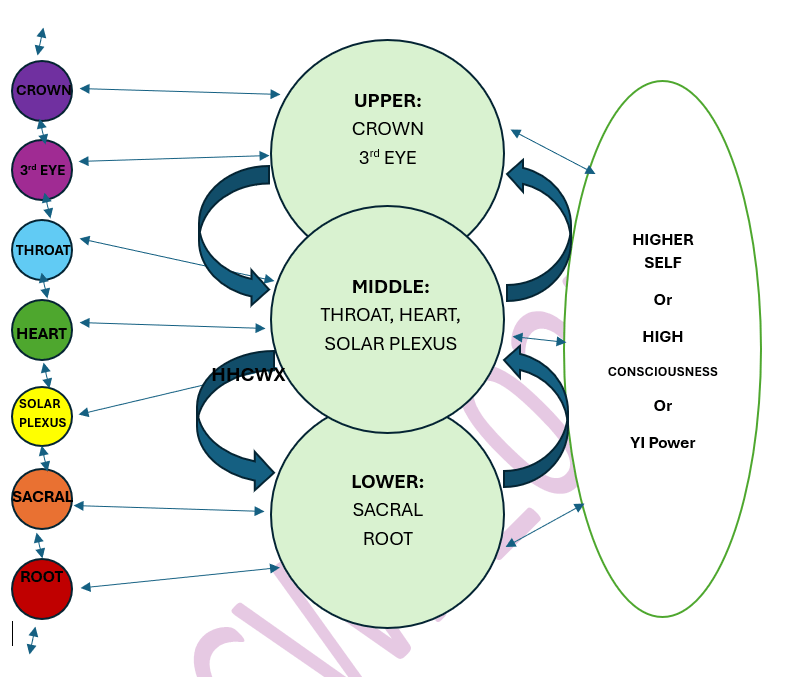


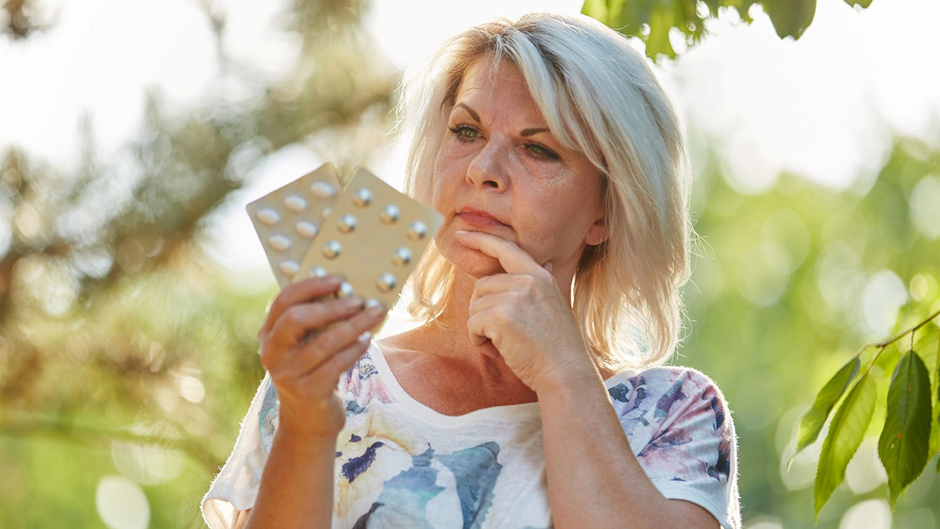




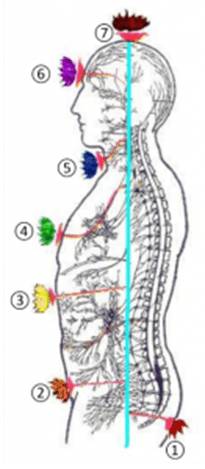
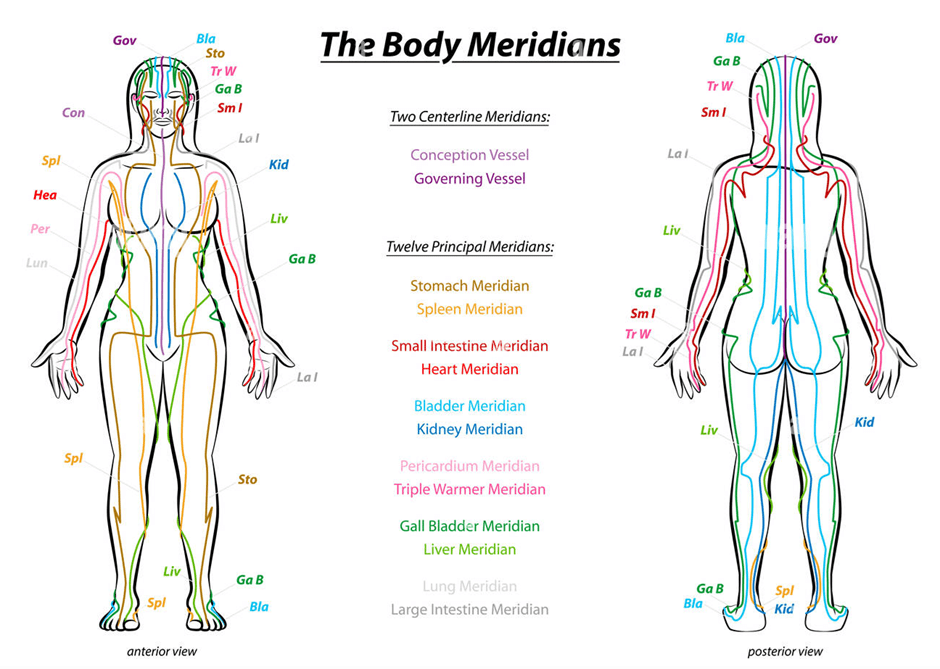
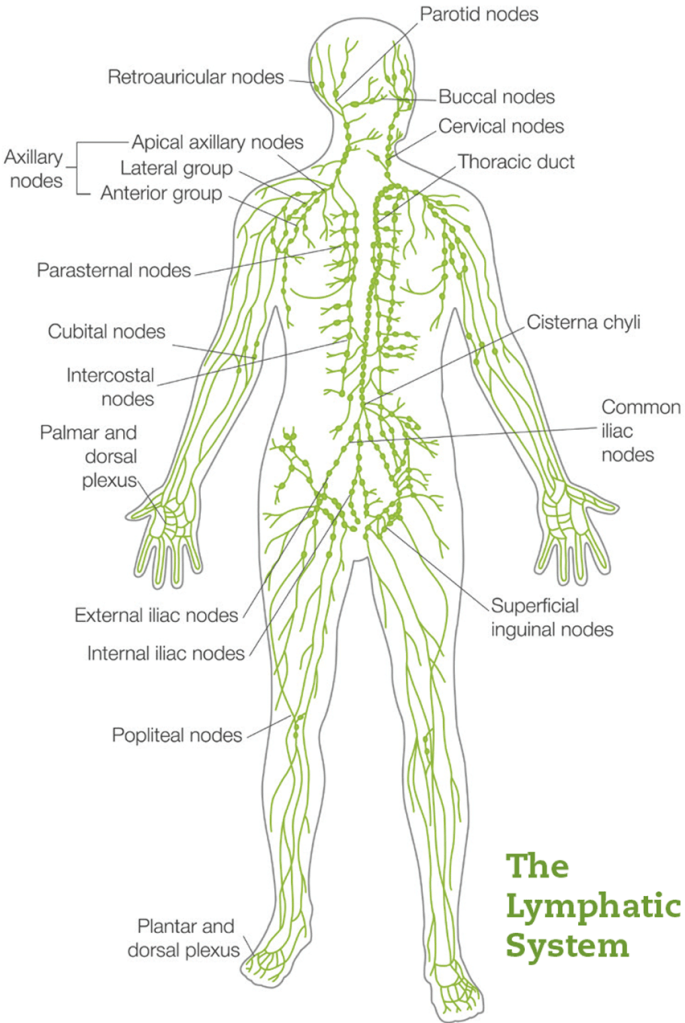
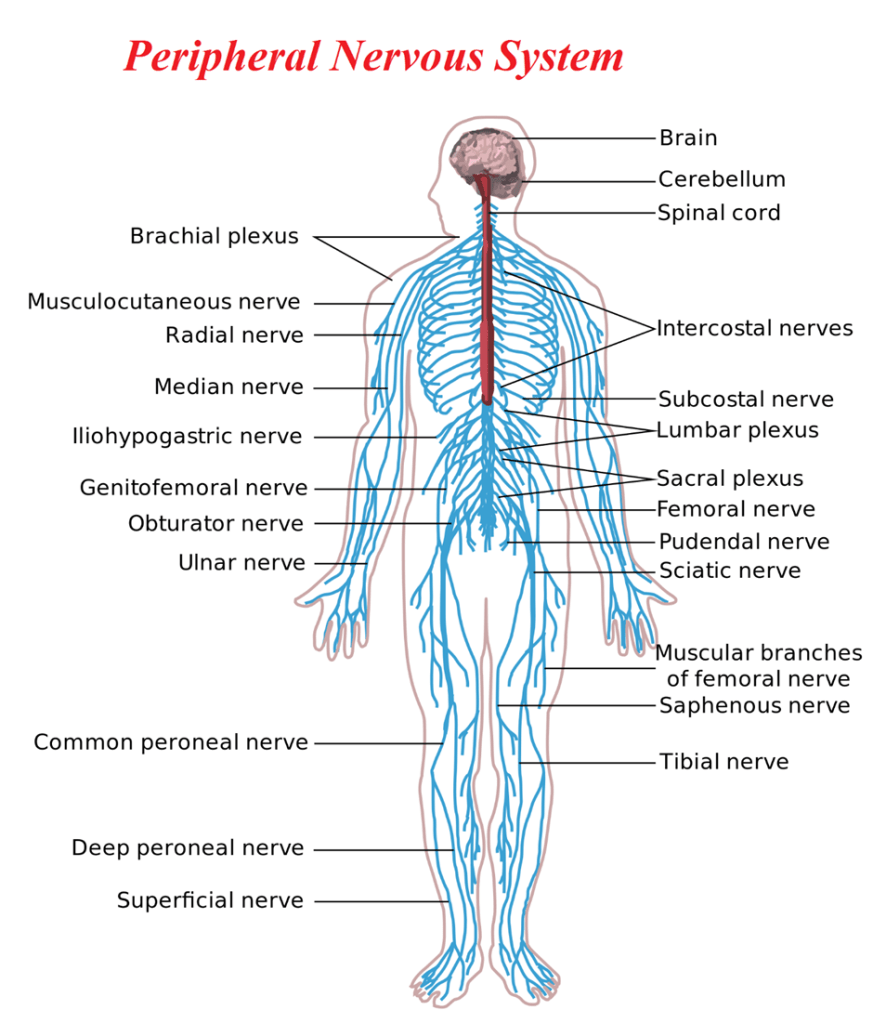
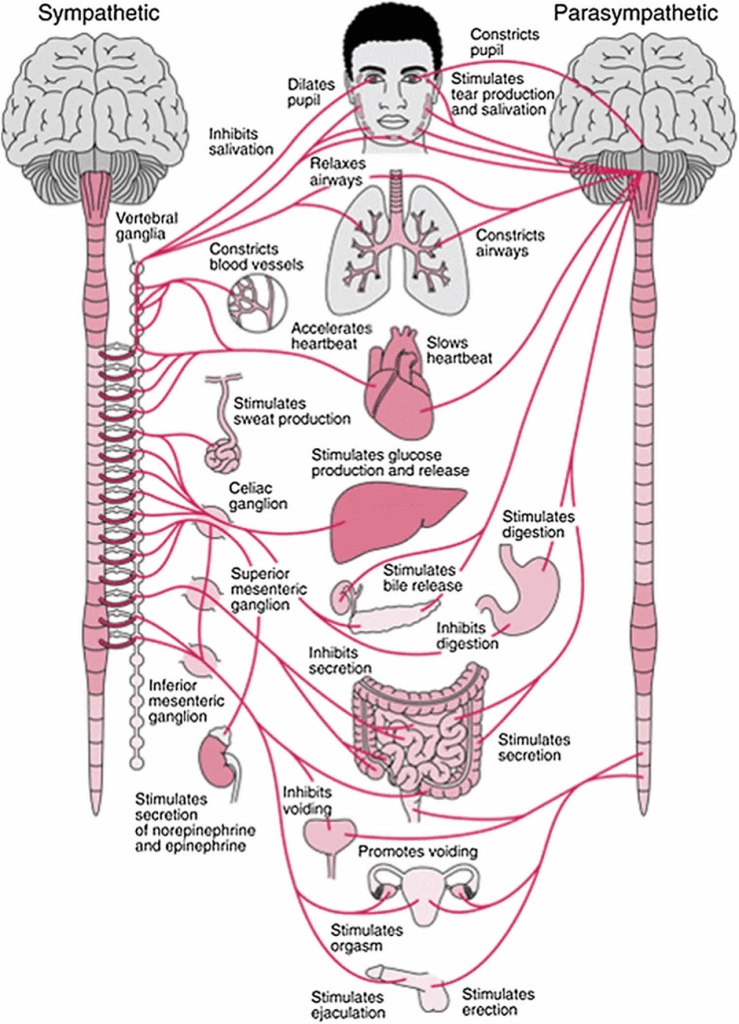
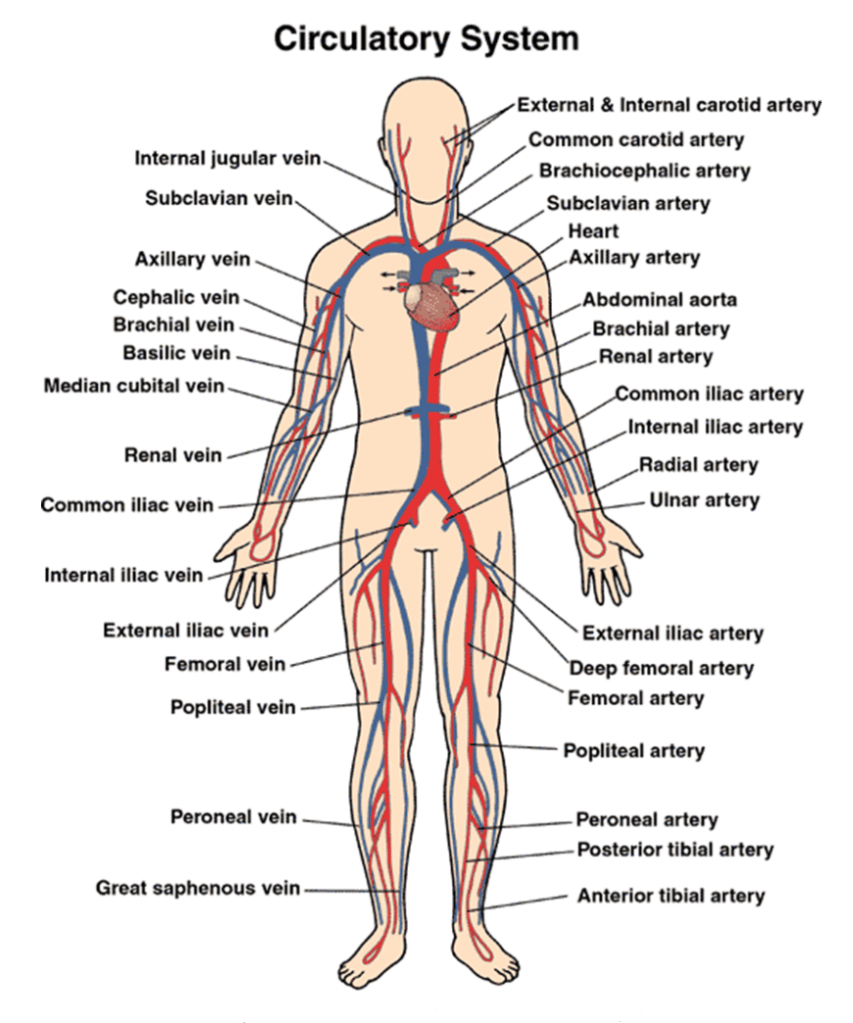
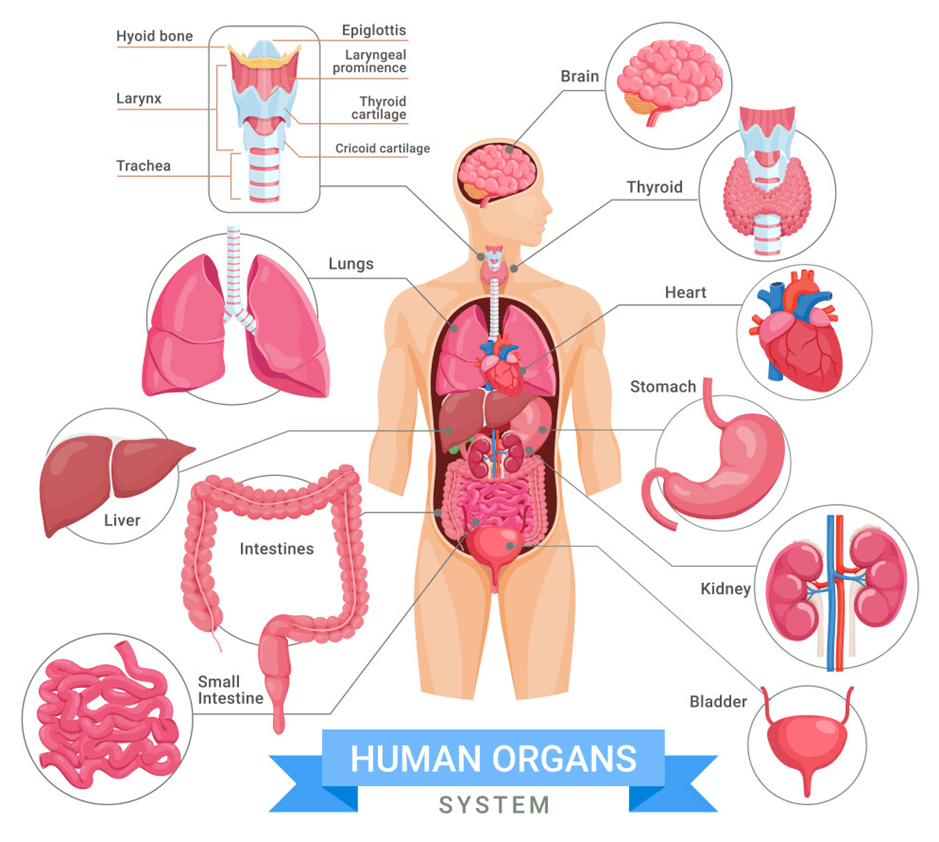
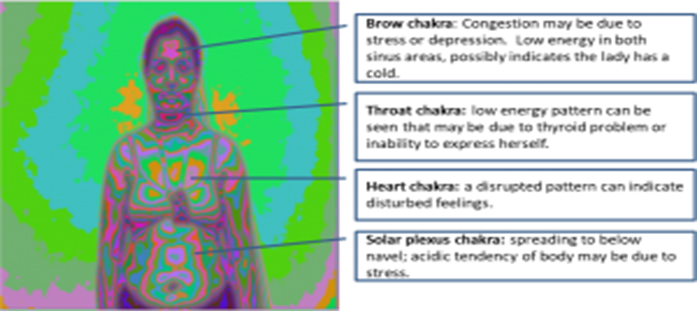
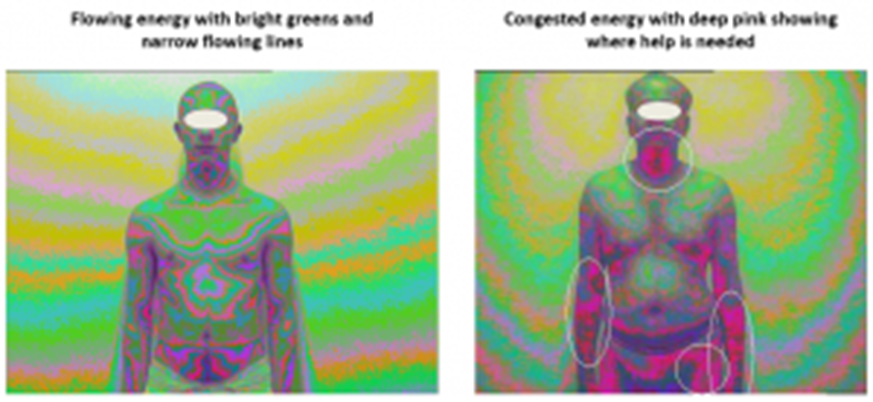
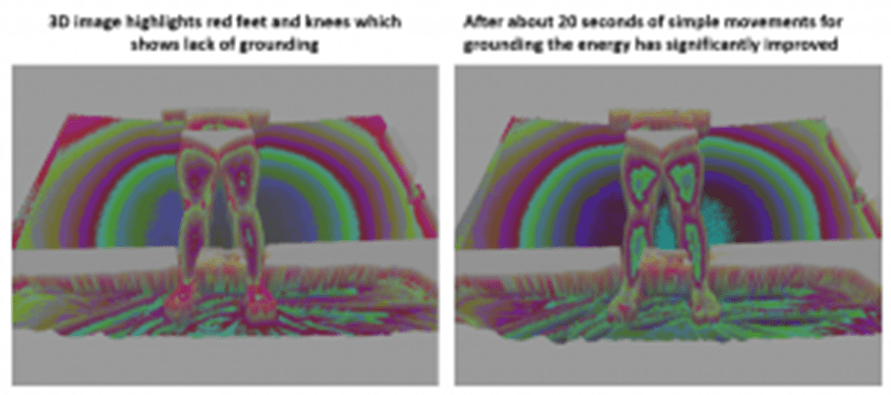
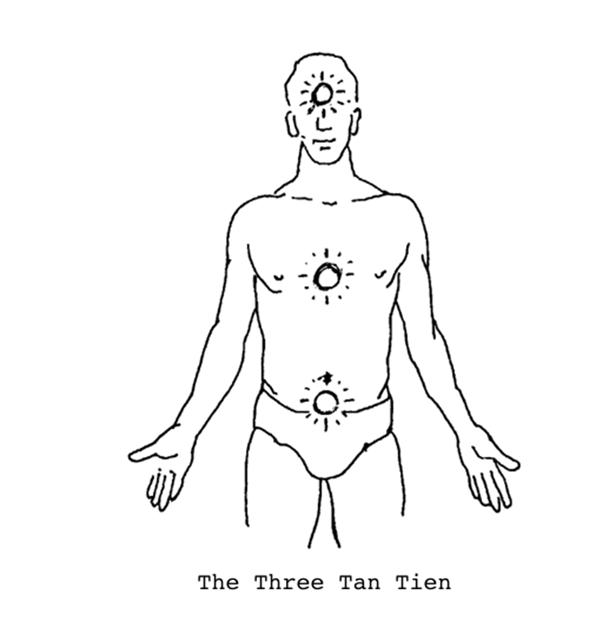
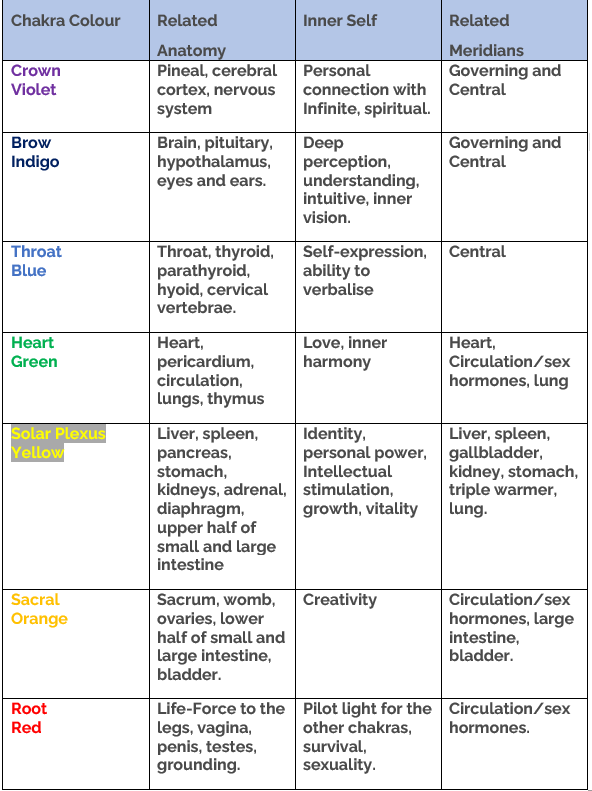
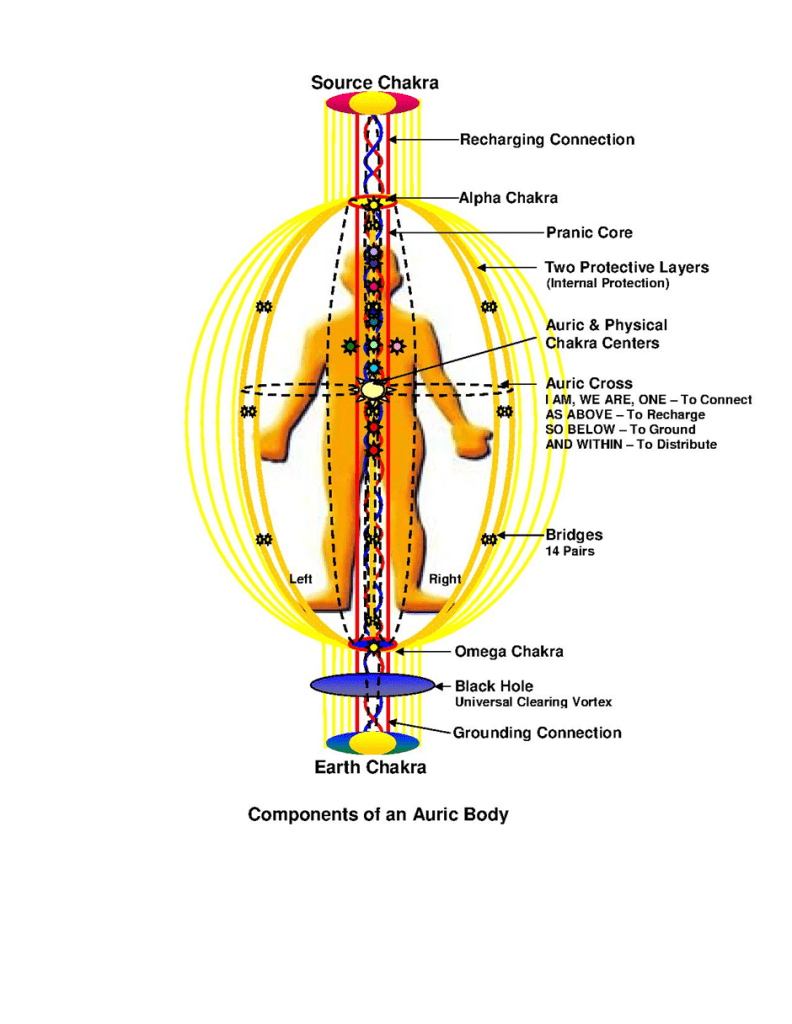


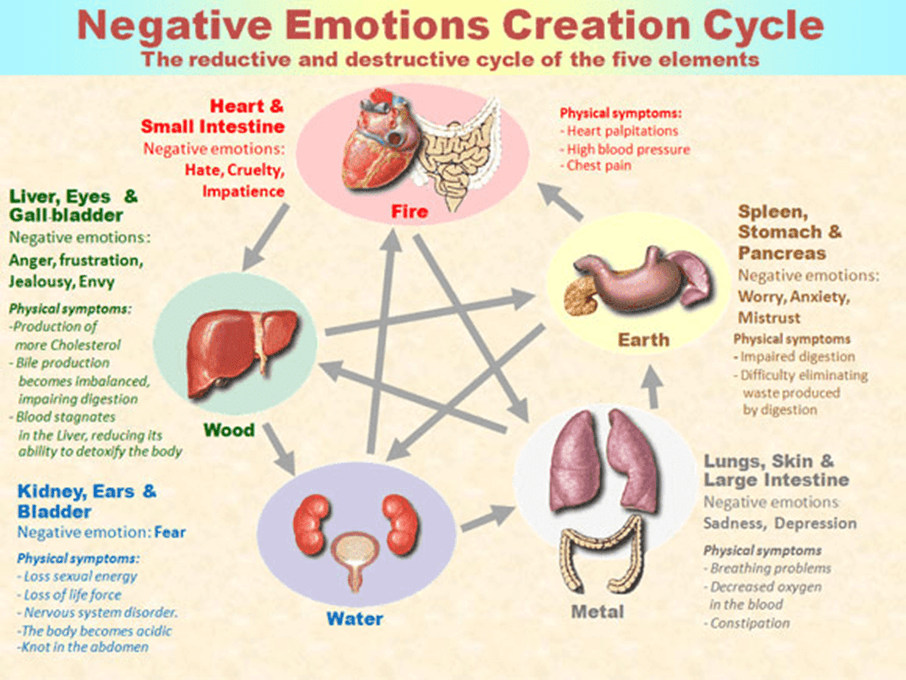
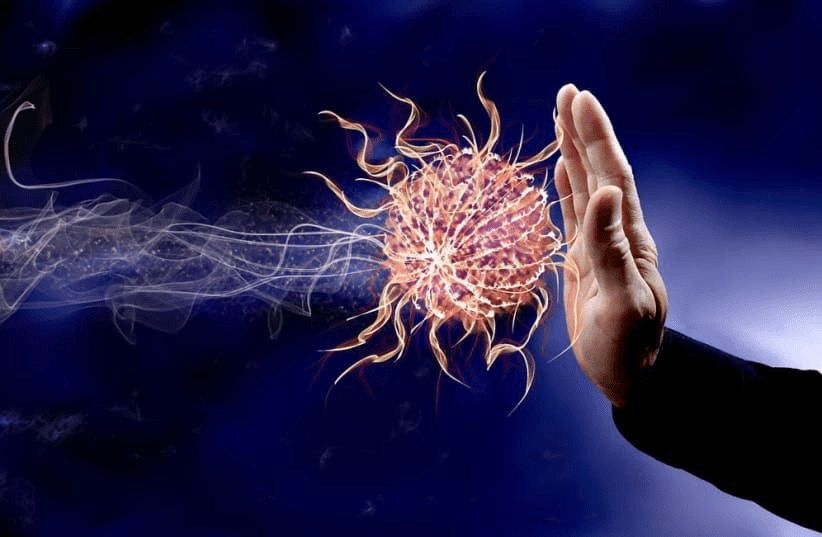
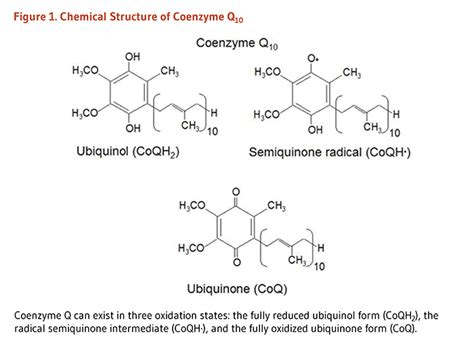
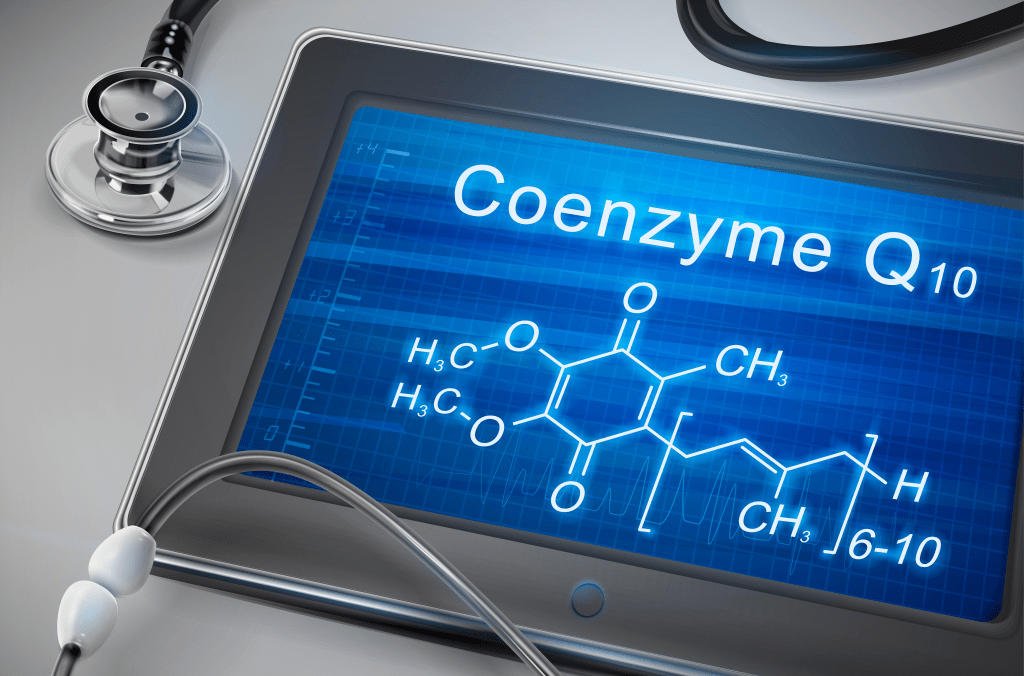
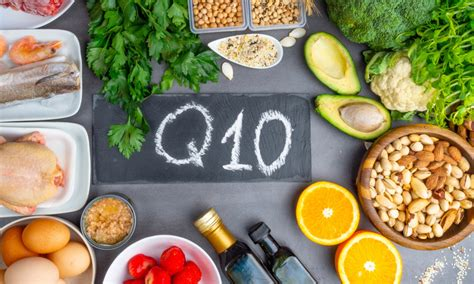
 Holistic Healthcare Wexford